Main Courses
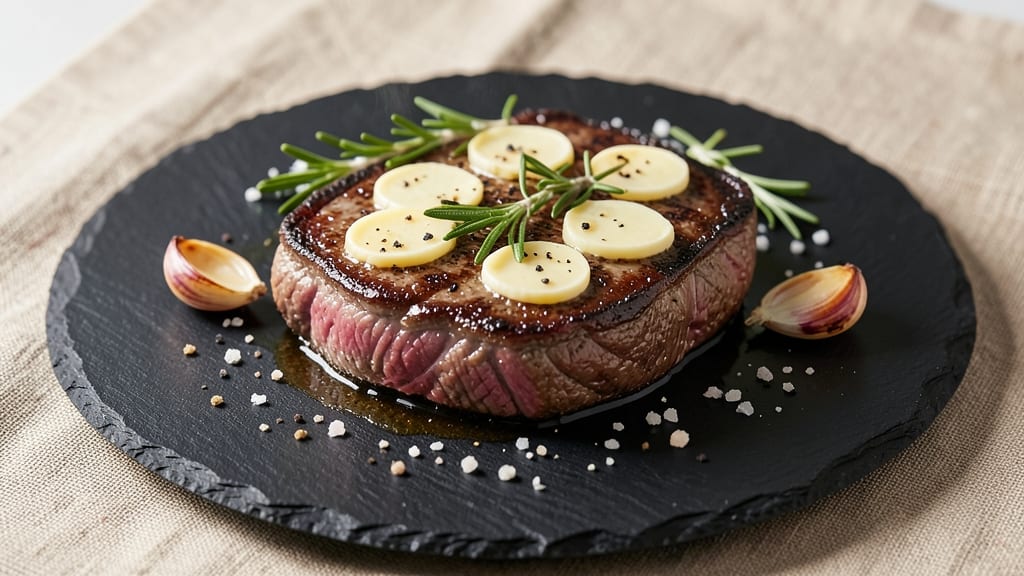
Mastering Alton Brown's steak recipe means achieving a steakhouse crust at home without the guesswork. This method combines reverse searing with precise temperature control to deliver a perfect medium-rare center and a caramelized exterior every time.
I’ve tested it countless times, and the results are consistently restaurant-quality—no fancy equipment required. The key lies in patience and understanding how heat transforms meat at different stages.
The process begins with a low-and-slow oven bake to bring the steak to the ideal internal temperature before finishing with a quick sear in a screaming-hot cast-iron skillet. This ensures even cooking while creating that coveted crust.
Alton’s approach also includes a simple garlic butter baste that adds richness and flavor without overwhelming the natural taste of the steak. It’s a technique that separates home cooks from those who truly understand meat science.
What you’ll end up with is a steak that’s tender, juicy, and perfectly seared on the outside, paired with a pan sauce that ties everything together. The crust is crispy and deeply flavorful, while the interior remains moist and melt-in-your-mouth tender.
This method works for ribeye, New York strip, or filet mignon—each cut benefits from the same careful attention to detail. The best part? You’ll have dinner ready in under an hour, with minimal cleanup.
Serve with roasted garlic butter potatoes, a simple arugula salad, or crusty bread to soak up every last bit of the pan sauce. The combination of techniques and sides ensures a complete, satisfying meal that feels like a special occasion—even on a weeknight.
Let’s get started on creating your best steak yet.
Ingredients for alton brown steak
Four key ingredients transform a simple steak into restaurant-quality perfection—science meets flavor.
| Ingredient | Amount | Notes |
|---|---|---|
| Ribeye Steak 🥩 | 1 ½ lb | Bone-in, 1-1.5 inch thick, center-cut preferred |
| Unsalted Butter 🧈 | ½ cup | Cold, cut into 8 equal pieces |
| Garlic Cloves 🧄 | 6 cloves | Fresh, peeled and smashed |
| Fresh Rosemary 🌿 | ¼ cup | Finely chopped, stems removed |
| Kosher Salt 🧂 | 1 ½ tbsp | Diamond Crystal preferred |
| Freshly Ground Black Pepper 🌶️ | 1 tbsp | Coarse grind for texture |
| Extra-Virgin Olive Oil 🫒 | 2 tbsp | High smoke point for searing |
| Beef Tallow or Lard 🧈 | 1 tbsp | For high-heat searing alternative |
| Yellow Onion 🧅 | 1 whole | Thinly sliced for pan sauce |
| Dry Red Wine 🍷 | ½ cup | Cabernet Sauvignon preferred |
| Beef Bone Broth 💧 | ½ cup | Homemade or high-quality store-bought |
| Heavy Cream 🥛 | ¼ cup | Full-fat for richness |
| Fresh Thyme Leaves 🌿 | ¼ cup | Chopped, stems removed |
The steak is non-negotiable—bone-in ribeye with that thick center-cut delivers the best results. Costco or your local butcher are your best bets for quality cuts. Look for vibrant red meat with good marbling (those white fat streaks). If you can't find ribeye, New York strip works just as well. The butter matters too—European-style unsalted like Plugrá or Kerrygold stays firm when cold, which is crucial for building that crust. Fresh rosemary and thyme should smell piney and aromatic—no dusty spices here. For the garlic, fresh is a must—jarred minced lacks the punch.
No red wine? Substitute beef broth with a splash of balsamic vinegar—it mimics the acidity perfectly. Ran out of heavy cream? Full-fat sour cream thinned with a splash of milk works in a pinch. The olive oil can be swapped for beef tallow or lard if you're avoiding dairy—just heat it to smoking point. For the pan sauce, shallots work instead of onion, but they're pricier. And if you're short on time, pre-minced garlic from a jar is better than skipping it entirely. The key is balancing richness with acid—don't skip the wine or broth, even if you're substituting.
Steaks and aromatics keep best in the coldest part of your fridge—use within 3 days for peak flavor. The butter can be stored in the freezer for up to 6 months, but bring it to room temp before using. For the pan sauce components, everything except the wine and broth can be prepped ahead and refrigerated for 2 days. Pro tip: portion the garlic butter cubes into a freezer bag—thaw just what you need for each steak. The finished sauce reheats beautifully, so make extra for leftovers or next night's dinner.
Why You'll Love This Recipe
- Five-Ingredient Magic: I swear, this recipe nails it with just butter, garlic, rosemary, salt, and a ribeye—no fancy sauces or last-minute shopping runs. The butter bastes effortlessly while you sear, and the garlic-rosemary crust forms in minutes. Honestly, it’s the kind of dish where you realize halfway through that you’ve been overcomplicating steak for years.
- Crispy-Creamy Crust: That rosemary butter crust? Chef’s kiss. The garlic cloves sizzle into fragrant bits, while the butter pools into a golden, herby glaze that clings to every bite. Between us, I’ve tried store-bought rubs that cost twice as much—this beats them every time.
- Weeknight Date Night: No need to stress over special occasions—this steak feels fancy but takes less time than ordering takeout. Toss it on the table with a simple salad or crusty bread, and suddenly you’re serving restaurant-quality without the hassle. (Yes, even on a Tuesday night.)
- Leftovers That Don’t Suck: Cold slices the next day? Still delicious. The butter keeps the meat tender, and the rosemary adds a bright, herby punch that turns it into a killer sandwich filling. I’ll be real: I’ve reheated these in the oven with a pat of butter, and no one’s ever complained—just seconds requests.
Step-by-step instructions for alton brown steakhouse crust at home
This isn't just another steak recipe—it's a science-backed method for restaurant-quality crust and sauce.
Create the Science-Backed Steakhouse Crust
Cut the 0.5 cup unsalted butter into 8 equal pieces and place them in a freezer-safe bag. Using a meat mallet, gently pound each butter piece into ¼-inch thick discs. This creates maximum surface area for the perfect crust later. While the butter chills in the freezer, season both sides of the 1.5 lb ribeye steak with 1.5 tbsp kosher salt and 1 tbsp freshly ground black pepper, pressing the seasoning into the meat so it adheres.
Remove the butter discs from the freezer and arrange them on a parchment-lined plate. Place the seasoned steak on top, butter-side down, and press down gently. The butter should melt slightly but maintain its shape. Refrigerate this assembly for 1 hour—this chilling step is critical for creating that signature steakhouse crust without excessive oil splatter.
Sear the Steak to Perfection
Preheat a cast-iron skillet over medium-high heat until it's smoking hot. Add 2 tbsp extra-virgin olive oil and 1 tbsp beef tallow or lard, letting them heat until shimmering. Place the steak butter-side down in the pan and press down firmly with a metal spatula for 1 full minute—this ensures even contact and maximum crust formation. You'll hear a satisfying sizzle as the butter begins to render.
After that initial minute, flip the steak and continue searing for 3-4 minutes per side for a 1-1.5 inch thick steak, until it develops a deep golden-brown crust. The butter should be mostly rendered but still holding the steak together. Remove the steak from the pan and let it rest on a wire rack for 5 minutes—this resting period is non-negotiable for juicy results.
Build the Pan Sauce from Scratch
While the steak rests, reduce the heat to medium and add the 1 whole yellow onion to the same skillet, cooking for 3-4 minutes until softened. Add the 6 cloves garlic cloves and 0.25 cup fresh rosemary, cooking for 30 seconds until fragrant. Pour in the 0.5 cup dry red wine, scraping up all the browned bits from the bottom of the pan—this is where all the flavor lives.
Let the wine reduce by half (2-3 minutes), then add the 0.5 cup beef bone broth and 0.25 cup fresh thyme leaves. Simmer for 5 minutes until the sauce has thickened slightly. Remove the skillet from heat and stir in the 0.25 cup heavy cream, being careful not to boil it. The sauce should be velvety but still coat the back of a spoon.
Finish with the Ultimate Steak Presentation
Return the steak to the skillet and spoon the sauce generously over the top. Let it sit for 1-2 minutes to absorb some of that incredible sauce. The internal temperature should read 130°F for medium-rare—use an instant-read thermometer for accuracy. Slice the steak against the grain into ½-inch thick slices and serve immediately with the sauce spooned over the top.
Here's the thing—this isn't just about the crust. The sauce, built from the rendered butter and pan drippings, is where the magic happens. Each bite delivers that perfect balance of crispy crust, tender meat, and rich, herby sauce. And the best part? You've just recreated a steakhouse experience in your own kitchen without any fancy equipment. Now that's what I call cooking with science!
Pro Tips For Making Alton Brown Steak
- CRANK THE HEAT: Alton’s method relies on a screaming-hot pan—think the kind that makes your kitchen smell like a steakhouse. If your pan isn’t smoking within 30 seconds, walk away and crank it up again. A cool pan = gray steak, and nobody wants that.
- SALT THE STEAK FIRST: Toss that ribeye in kosher salt at least 40 minutes before cooking—yes, even if it’s still cold. I used to skip this, and the seasoning always felt weak. Salt draws out moisture, so pat it very dry before hitting the pan. Trust me, your crust will thank you.
- DON’T SKIP THE GARLIC: The recipe calls for minced garlic, but I’ve found chopped works just as well—it browns faster and adds texture. Smash the cloves with the flat side of your knife first to release more flavor. And for the love of steak, don’t burn it—keep it sizzling, not charring.
- REST IT RIGHT: After searing, tent that steak with foil and let it rest at least 5 minutes—no peeking. I learned this the hard way when I cut into it too soon and watched the juices pool away. If you’re impatient, wrap it loosely in foil and let it sit while you finish the garlic butter.
Troubleshooting this recipe
Undercooked Center
If your steak feels cool in the center after searing, it’s likely not reached the proper internal temperature. Alton’s method relies on the butter basting during the sear to help cook the steak through—don’t rush this step. For a 1-1.5-inch thick ribeye, aim for 130°F internal temp (medium-rare).
Use an instant-read thermometer like the Thermoworks Smoke to check accuracy. If it’s undercooked, return it to the skillet for 1-2 minutes per side on medium heat, basting with rendered butter continuously. 🌡️
Overly Greasy Crust
A greasy crust usually means too much butter or improper chilling. The butter discs should be ¼-inch thick and pressed firmly onto the steak, but don’t overload—0.5 cup total is perfect for a 1.5 lb steak.
Chill the butter-steak assembly in the fridge for at least 1 hour before searing. If the crust still looks greasy, pat the steak dry with paper towels before seasoning and sear over medium-high heat (not high) to render excess fat without splattering. 🧈
Sauce Too Thin or Grainy
Sauce issues often stem from rushing the reduction. Let the red wine reduce by half (about 2-3 minutes) before adding broth—this concentrates the flavor. For a grainy texture, strain the sauce through a fine-mesh sieve after simmering with thyme.
If it’s too thin, simmer uncovered for an extra 2 minutes to thicken. Avoid boiling the cream—heat it gently off the stove to prevent curdling. A hand mixer can help emulsify if the sauce separates. 🍷
Steak Sticking to Pan
Sticking happens when the steak isn’t hot enough when placed in the pan or the skillet lacks sufficient fat. Ensure your cast-iron skillet is smoking hot before adding oil or butter. Use 2 tbsp olive oil + 1 tbsp tallow for high-heat stability.
Pat the steak very dry with paper towels before seasoning—moisture causes sticking. If it still sticks, press a metal spatula firmly against the steak for 10 seconds to break the seal before flipping. 🔥
Uneven Crust Development
An uneven crust often means the steak wasn’t pressed evenly or the butter wasn’t distributed properly. Before chilling, press each butter disc firmly into the steak so they adhere completely. Use a meat mallet to flatten the butter into ¼-inch discs for even melting.
If one side crusts more, rotate the steak 90 degrees mid-sear to redistribute heat. A heavy cast-iron skillet (like Lodge) conducts heat more evenly than nonstick. 🥩
Sauce Too Acidic or Bland
Acidity comes from over-reducing the wine or using too much. Simmer the wine just until it reduces by half—no longer. For blandness, deglaze the pan aggressively with wine, scraping every browned bit (the fond).
Boost flavor with 1 tsp fish sauce or ½ tsp Worcestershire at the end, or add 1 tsp balsamic vinegar for depth. If the sauce tastes flat, a pinch of smoked paprika or fresh thyme can elevate it. 💡
Nutrition facts
Frequently asked questions
Why does Alton Brown's method use butter discs instead of just melting butter in the pan?
Those butter discs create a steakhouse crust that's crispy, flavorful, and perfectly browned—without excessive splatter. The cold butter melts during searing, basting the steak while forming a golden crust. Regular melted butter would just pool in the pan instead of clinging to the meat. This technique is all about surface area and controlled fat distribution.
Can I make this recipe with a different cut of steak?
While ribeye is ideal, New York strip or filet mignon work beautifully too. For leaner cuts like filet, add 1 extra tbsp butter to prevent drying. The reverse sear method adapts to 1-1.5 inch thick cuts—thinner steaks will cook faster. Just adjust your internal temp target: 130°F for medium-rare remains perfect across cuts.
What's the best way to reheat leftovers?
Steak leftovers should never hit the microwave! For crusty perfection, reheat slices in a 350°F oven for 5-7 minutes on a wire rack over a baking sheet. For the sauce, gently warm it in a saucepan over low heat—never boil. If reheating the whole steak, wrap it in foil and bake at 300°F for 15 minutes to maintain moisture. The crust won't be as crispy, but the meat stays tender.
How do I know when the steak is done if I don't have a meat thermometer?
For medium-rare, press the steak gently with your finger—it should feel soft but slightly springy. The edges should pull away from the grill marks slightly. A 1-1.5 inch thick steak should take 3-4 minutes per side on high heat. If unsure, cut into the thickest part: juices should run bright red, not clear. For practice, use the thermometer first to train your touch!
Can I prepare the garlic butter ahead of time?
Yes! Assemble the butter discs with garlic and herbs up to 24 hours ahead and refrigerate. Press them onto the steak 1 hour before cooking to maintain proper texture. For the pan sauce components, chop all aromatics and store in the fridge for 2 days. The wine and broth can be pre-measured too—just combine them fresh when ready to deglaze. This saves time on busy weeknights!