Side Dishes
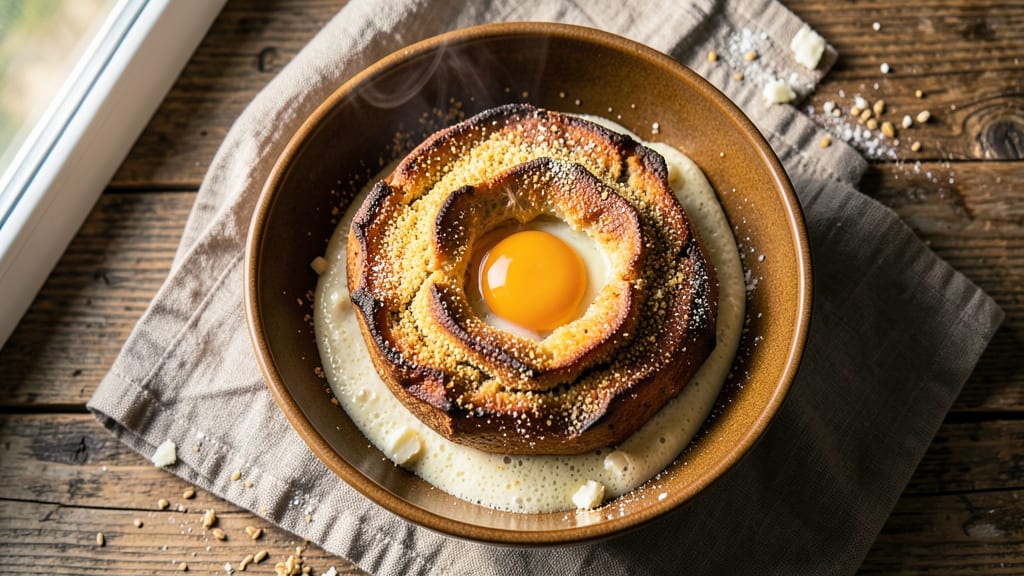
Transforming a simple loaf into a whimsical centerpiece is what makes this animal bread recipe so special. The herbed cornmeal crust adds rustic texture, while the buttery pull-apart magic inside creates a tender, golden interior perfect for shaping into playful animal forms.
I designed this recipe after struggling to find bread that was both sturdy enough for decorating and delicious enough to eat—until now.
The secret lies in the dough's balance of cornmeal and flour, which gives it just enough structure for shaping while remaining soft enough to hold intricate designs.
You'll work with a simple yeast-based dough, enriched with herbs and butter for depth, then shape it into animals using basic techniques like rolling, pinching, and gentle sculpting. This recipe ensures your creations stay intact during baking while delivering that irresistible pull-apart texture.
Imagine serving Easter bunnies with a fluffy fondant mane or holiday reindeer with edible marker details—each bite reveals tender, buttery layers that make the effort worthwhile. The herbed crust adds an aromatic touch, while the pull-apart magic ensures every slice is a revelation.
Whether you're baking for a celebration or just love creative cooking, this recipe delivers both beauty and flavor.
Perfect for holidays, parties, or simply adding a touch of whimsy to your table, this animal bread transforms ordinary baking into an art form. The instructions include step-by-step shaping techniques and decorative tips to bring your creations to life. Let's get started on your edible masterpiece!
Ingredients for animal bread
Herbed cornmeal crust meets buttery pull-apart magic—just 13 ingredients for edible art.
| Ingredient | Amount | Notes |
|---|---|---|
| All-Purpose Flour 🌾 | 4 cups | Sifted for light texture |
| Cornmeal 🌽 | 1 cup | Fine grind for smooth crust |
| Active Dry Yeast 🍞 | 2 ¼ tsp | Freshly opened for potency |
| Granulated Sugar 🍚 | 1 tbsp | For yeast activation |
| Unsalted Butter 🧈 | ½ cup | Cold, cubed for dough |
| Large Eggs 🥚 | 2 whole | Room temperature preferred |
| Whole Milk 🥛 | ½ cup | Warm for yeast activation |
| Salt 🧂 | 1 tsp | Diamond Crystal preferred |
| Dried Rosemary 🌿 | 1 tsp | Finely chopped for aroma |
| Dried Thyme 🌿 | 1 tsp | Or 1 tbsp fresh thyme |
| Garlic Powder 🧄 | ½ tsp | Freshly ground preferred |
| Large Eggs (for wash) 🥚 | 1 whole | Beaten with 1 tbsp milk |
| Coarse Sugar 🍚 | 1 tbsp | For egg wash topping |
The cornmeal is non-negotiable here—it gives that rustic texture while keeping the bread sturdy enough for shaping. Bob's Red Mill fine grind is my go-to, but any good-quality cornmeal works. The yeast needs to be fresh, so check the date on that little packet—it's the heart of this dough. For the butter, Plugrá or Land O'Lakes unsalted cubes work best. I always use room-temperature eggs for the dough, but cold ones work in a pinch. The dried herbs? Penzeys has the best selection, but the grocery store stuff is fine if it's not ancient.
No cornmeal? Extra all-purpose flour plus 1 tbsp potato starch mimics the texture. Short on rosemary? Substitute dried sage at the same amount. The milk can be any kind—whole, 2%, even almond milk in a bind. For the egg wash, if you're feeling fancy, add a pinch of turmeric for that golden hue. The garlic powder is optional but adds depth—if you skip it, just increase the salt slightly. The coarse sugar on top? Trader Joe's has the perfect kind, but any turbinado sugar works.
This dough keeps beautifully for 24 hours in the fridge, covered tightly. Let it sit at room temp for 30 minutes before shaping. The shaped animals can be baked immediately or refrigerated for up to 12 hours—just let them sit out for 20 minutes before baking. Leftover bread? Slice and toast—it's even better the next day. Store in an airtight container for 3 days or freeze for 3 months.
Why You'll Love This Recipe
- No-Knead Magic: The yeast does all the work while you sip your coffee. Just mix flour, sugar, and butter, let it rise overnight, then bake—no punchy arms or flour everywhere.
- Buttery Cornmeal Crunch: That toasted cornmeal crust? It’s the star. The butter melts into the bread while the corn adds a nutty bite that makes every slice feel like a treat.
- Weeknight & Picnic Hero: Slice it warm for breakfast, pack it for sandwiches, or serve it at a BBQ. It’s the one loaf that works for breakfast, lunch, or a casual dinner—no fuss, just flavor.
- Stretch Your Budget: A single batch feeds four for days. The yeast and butter make it feel special, but the flour and cornmeal keep costs low—perfect for when you want homemade without breaking the bank.
Step-by-step instructions for herbed cornmeal crust bread
Here's how to craft this golden, pull-apart masterpiece with a crisp cornmeal crust and tender interior.
Activate the Yeast and Prepare the Dough Base
In a small bowl, combine the 0.5 cup warm whole milk (about 110°F—warm to the touch but not hot) with the 1 tbsp granulated sugar and 2.25 tsp active dry yeast. Let this sit for 5-10 minutes until it becomes frothy and bubbly. This tells you the yeast is alive and ready to work—if it doesn't bubble, your bread won't rise properly.
In the bowl of a stand mixer fitted with the dough hook attachment, combine the 4 cups all-purpose flour, 1 cup cornmeal, 1 tsp salt, 1 tsp dried rosemary, 1 tsp dried thyme, and 0.5 tsp garlic powder. Mix on low speed until just combined—you're creating a well for the wet ingredients to come together without developing too much gluten at this stage.
Incorporate Wet Ingredients and Knead the Dough
Add the yeast mixture, 2 whole large eggs, and 0.5 cup cold unsalted butter (cut into small cubes) to the dry ingredients. Mix on low speed until the butter begins to incorporate, then increase to medium speed for 5-7 minutes until the dough comes together and pulls away from the sides of the bowl.
The dough should be slightly tacky but not sticky—if it's too wet, add 1 tablespoon flour at a time until it reaches the right consistency. You're aiming for a smooth, elastic dough that springs back when poked. The cornmeal will give it a slightly gritty texture, but the butter keeps it tender and flavorful.
First Rise and Shape the Loaf
Lightly grease a large mixing bowl with a bit of olive oil (not in the ingredient list, but trust me—it helps) and place the dough inside. Cover the bowl with a damp kitchen towel and let it rise in a warm place for 1-1.5 hours, or until it has nearly doubled in size. You'll see the dough puff up and develop small bubbles on the surface—this is the yeast doing its magic.
Once risen, turn the dough out onto a lightly floured surface and gently shape it into a round loaf. Don't overwork it—just fold the edges toward the center to create a smooth, compact shape. Place it back in the greased bowl, cover, and let it rise for another 30-45 minutes until it's puffy and jiggly when shaken gently.
Prepare the Egg Wash and Bake to Golden Perfection
Preheat your oven to 375°F and place a baking sheet on the middle rack. In a small bowl, beat the 1 whole large egg (for wash) with 1 tbsp coarse sugar until smooth. Brush this mixture evenly over the risen dough, including the top and sides. The sugar will caramelize during baking, giving you that beautiful golden crust.
Bake for 30-35 minutes until the bread is deep golden brown and sounds hollow when tapped on the bottom. The cornmeal crust should be crisp, while the interior remains soft and pillowy. If the top browns too quickly, tent the bread with aluminum foil for the last 10 minutes of baking.
Rest and Serve for Maximum Flavor
Remove the bread from the oven and let it cool on a wire rack for 10-15 minutes. This resting period allows the moisture to redistribute, ensuring every bite is tender and flavorful. The crust will firm up slightly as it cools, but it'll still be crisp enough to satisfy.
Slice into wedges and serve warm—this bread is best enjoyed fresh out of the oven. The herbed cornmeal crust gives it a delightful crunch, while the buttery interior melts in your mouth. Perfect for dipping into soups, pairing with cheeses, or simply enjoying on its own.
Pro Tips For Making Animal Bread
- Bloom the yeast warm: Dump that yeast in warm water (105-110°F) with a pinch of sugar first—it should foam in 5-10 minutes. Cold water kills it, and you’ll end up kneading a brick if it’s sluggish.
- Toast the cornmeal: Lightly toast the cornmeal in a dry pan for 3-4 minutes until it smells nutty. This prevents a raw, gritty texture in your bread and deepens the flavor—trust me, it’s worth the extra step.
- Don’t overwork the dough: Once the yeast is active, knead just until smooth—about 8-10 minutes. Over-kneading develops gluten too much, making the bread dense instead of light and tender. Stop when it springs back slowly.
- Chill the dough overnight: Skip the rush—let the shaped dough rest in the fridge for 12-16 hours. The slow rise improves flavor, eases shaping, and guarantees a better crumb. (Yes, even if you’re impatient like me.)
Dietary considerations for these flavors
Gluten-Free Adaptation
The cornmeal crust makes this bread naturally sturdy, so gluten-free adaptation is surprisingly easy. Replace the 4 cups all-purpose flour with 3 cups gluten-free 1:1 baking flour (like Bob's Red Mill) and add 1 tbsp xanthan gum to mimic gluten's structure.
Use 1.5 cups cornmeal for extra binding—it compensates for the lack of gluten strands. Let the dough rest 15 minutes after mixing to hydrate properly. 🌾
Dairy-Free Version
For a dairy-free twist, swap the 0.5 cup butter with 0.5 cup coconut oil (solid) or vegan butter like Miyoko's. Use almond milk or oat milk instead of whole milk, but warm it to 110°F first to activate the yeast.
The egg wash can stay the same—eggs are naturally dairy-free! The crust will be slightly less rich but still delicious. 🥛
Nut-Free Considerations
This recipe is already nut-free, but if you're avoiding corn (like for celiac or corn allergies), replace the 1 cup cornmeal with 1 cup rice flour or 1 cup oat flour.
The texture will be slightly denser, but the herbed flavor remains intact. Always check labels—some cornmeal blends contain wheat or soy. 🌾
Low-Carb Option
Cut carbs by reducing the 1 cup cornmeal to 0.5 cup and replacing the rest with 0.5 cup almond flour. The dough will be drier, so add 1 extra tbsp milk if needed.
Bake at 350°F instead of 375°F to prevent over-browning. The result is still pull-apart tender but with fewer carbs. 💪
Allergen-Friendly Swaps
For egg allergies, use 2 tbsp ground flaxseed + 6 tbsp water (let sit 5 minutes to gel) instead of eggs. For yeast sensitivity, try 1 tsp baking soda + 1 tbsp vinegar (add to dry ingredients) for a quick rise.
Always test small batches first—allergens can react differently in baked goods. 🌱
Nutrition facts
Frequently asked questions
Can I make this bread without a stand mixer?
The dough can be mixed by hand on a lightly floured surface using a wooden spoon or your hands. Knead for 8-10 minutes until the dough becomes smooth and elastic. The cornmeal will make it slightly heavier, but the texture stays perfect. Just be patient—hand-kneading takes a bit more effort than a mixer.
How do I shape the dough into animals without it falling apart?
Start with a well-rested dough (after the second rise) and work quickly. For simple shapes like bunnies or fish, roll the dough into a log, then pinch and shape gently. Use a small amount of flour on your hands to prevent sticking. For delicate details, let the shaped animals rest 10 minutes before baking—the extra time helps them hold form better.
Can I use this dough for regular loaves instead of animal shapes?
Yes! The same dough works beautifully for traditional loaves. Shape it into a round or oval before the final rise, then bake as directed. The herbed cornmeal crust adds a rustic touch, and the pull-apart texture remains just as magical. Perfect for sandwiches or serving with soups!
Why did my bread turn out dense instead of fluffy?
Over-kneading or under-proofing are common culprits. Knead just until the dough pulls away from the bowl (5-7 minutes in a mixer), and let it rise until nearly doubled in size. Also, ensure your yeast is fresh—old yeast won’t activate properly. If the dough feels too stiff, add 1 tbsp milk at a time until it’s pliable.
What’s the best way to store leftover animal bread?
Wrap cooled slices tightly in plastic wrap or store in an airtight container. It keeps well at room temperature for 3 days or in the fridge for 5 days. For longer storage, freeze slices for up to 3 months. Reheat in a 350°F oven for 5-10 minutes to restore crispness.