
Side Dishes
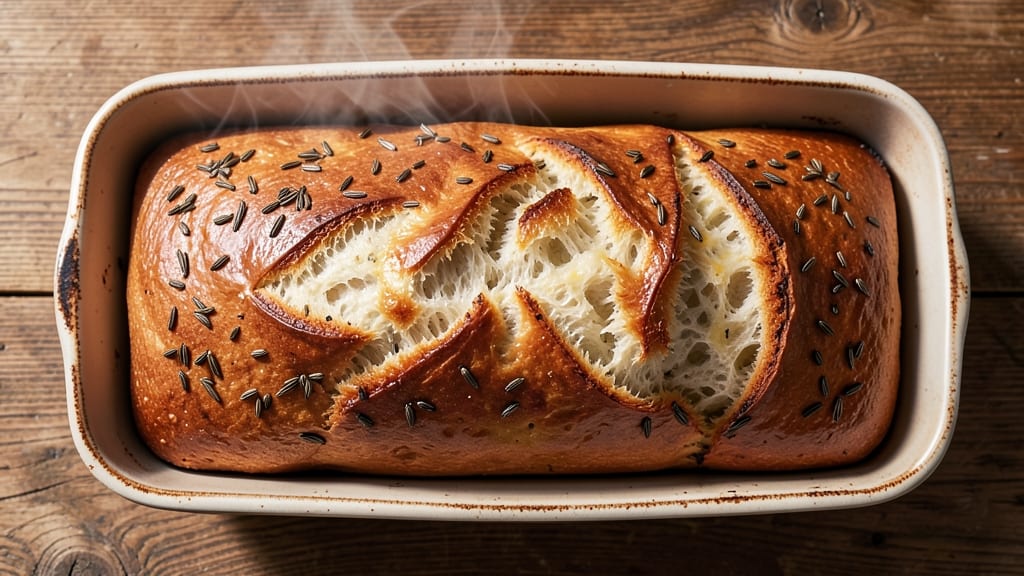
This aniseed bread recipe transforms your kitchen into a bakery with its distinctive licorice aroma and satisfying crunch—perfect for sandwiches or serving alongside soups. The secret lies in balancing anise seeds with warm spices like cinnamon and cardamom, creating a fragrant crust that pairs beautifully with soft, pillowy bread.
I developed this recipe after years of testing, ensuring it delivers restaurant-quality results at home with just a few simple ingredients and precise timing.
What sets this aniseed bread apart is its foolproof method that guarantees a crispy, aromatic crust without requiring advanced baking skills. The dough comes together in 15 minutes, then rests while you prepare the oven, making it ideal for busy weeknights.
The anise seeds release their signature licorice flavor as they toast in the oven, creating layers of warmth and complexity that make every slice unforgettable. Whether you're a seasoned baker or just starting, this recipe builds confidence with reliable results.
By the time you pull it from the oven, you'll have golden-brown loaves with a crackly crust that shatters at the touch, revealing tender crumb inside. The aroma alone will have everyone gathering around your table, and the flavor—sweetly spiced with a subtle licorice note—elevates any meal.
This bread keeps well for days, making it perfect for meal prep or gifting. Let's bake this fragrant masterpiece together.
For added versatility, try brushing the warm loaves with melted butter and sprinkling extra anise seeds for a decorative finish. The bread also works beautifully as a sweet version by adding honey or citrus zest to the dough.
With just a few adjustments, you can customize it to suit any occasion—from casual lunches to festive gatherings. Here's everything you need to create this licorice-kissed treasure.
Ingredients for aniseed bread
Four cups flour, a pinch of yeast, and a handful of aromatic seeds—this is all you need to bake bakery-quality aniseed bread at home.
| Ingredient | Amount | Notes |
|---|---|---|
| All-Purpose Flour 🌾 | 4 cups | Spooned and leveled for accuracy |
| Active Dry Yeast 🍞 | 2 ¼ tsp | Fresh yeast preferred if possible |
| Granulated Sugar 🍚 | 1 tbsp | For yeast activation |
| Whole Milk 🥛 | 1 cup | Warmed to 110°F (43°C) |
| Large Eggs 🥚 | 1 whole | Room temperature preferred |
| Unsalted Butter 🧈 | ½ cup | Cold, cubed for easier mixing |
| Anise Seeds 🌿 | 2 tbsp | Whole seeds for authentic flavor |
| Ground Cinnamon 🌶️ | 1 tsp | Freshly ground preferred |
| Ground Cardamom 🌿 | ½ tsp | Freshly ground for potency |
| Diamond Crystal Kosher Salt 🧂 | 1 ½ tsp | Adjust to taste |
| Extra-Virgin Olive Oil 🫒 | 1 tbsp | For dough handling |
| Coarse Sea Salt 🧂 | 1 tsp | For sprinkling on top |
Anise seeds are the soul of this bread—Whole Foods or specialty spice shops carry the best quality, but any reputable grocery store will have them. Look for seeds that are plump and uniformly brown, not dusty or discolored. I always buy mine in bulk from Penzeys because they stay potent for months. The cardamom is non-negotiable here; freshly ground pods from an Indian market elevate the flavor, but pre-ground works in a pinch. For the yeast, Fresh yeast from the refrigerated section gives better results than the active dry kind, though both will work if handled properly.
No whole anise seeds? Crushed anise seeds or anise extract will work, but the flavor won’t be as authentic. Swap the cardamom for equal parts ground cloves if you’re out, though it’ll have a slightly different profile. Running low on whole milk? Warm lactose-free milk or even water will activate the yeast, though the dough might be slightly less tender. The butter can be substituted with vegetable shortening for a lighter texture, but trust me on the full-fat version for that signature richness. And if you’re feeling adventurous, add a teaspoon of orange zest to the dough for a bright twist.
This dough is best made fresh, but you can prep it up to 24 hours ahead—just let it rest in the fridge overnight for deeper flavor. Once baked, the bread stays crispy for 3 days if stored in a paper bag at room temperature. For longer storage, freeze the loaves unwrapped for 1 month—just thaw at room temperature before slicing. Pro tip: Brush the warm loaves with melted butter and sprinkle extra anise seeds while they’re still hot for that bakery-fresh finish. The aroma alone will have everyone thinking you’re a professional.
Why You'll Love This Recipe
- No-Knead Magic: I swear by this—just mix the dough with whole milk and eggs, let it rise while I watch TV, then bake. The yeast does all the work, and I don’t even need a stand mixer.
- Licorice-Kissed Warmth: That aniseed? It’s like a whisper of licorice through every bite—subtle but unforgettable. The sugar caramelizes just enough to give it a faint sweetness that pairs perfectly with butter.
- Breakfast to Brunch: Slice it for toast in the morning, pack it for lunch, or serve it with soup at dinner. It’s my go-to for any meal, and honestly? It’s the only bread that feels special enough for company but simple enough for a lazy Sunday.
- Budget-Friendly Staple: A loaf costs me pennies to make, and it lasts a week in the fridge. Freeze half for when I’m too tired to bake—just thaw and toast. My wallet and I both love this trick.
Step-by-step instructions for aniseed bread
This aromatic bread delivers a perfect balance of crisp licorice crust and tender, fragrant interior.
Activate the Yeast and Prepare the Dough Base
In a small bowl, combine the 1 cup warm whole milk (about 110°F) with 1 tbsp granulated sugar and 2.25 tsp active dry yeast. Let it sit for 5-7 minutes until frothy and bubbly—this confirms your yeast is active. If it doesn't bubble, your yeast may be old or the milk too hot.
In a stand mixer fitted with the dough hook attachment, combine 4 cups all-purpose flour, 1.5 tsp diamond crystal kosher salt, 1 tsp ground cinnamon, and 0.5 tsp ground cardamom. Mix on low speed until just combined. Add the yeast mixture and 1 whole large egg, then mix on medium speed for 3 minutes until the dough begins to come together.
Incorporate Anise Seeds and Butter
Reduce the mixer speed to low and gradually add the 0.5 cup cold unsalted butter, cubed, allowing it to incorporate fully. The dough will become shaggy but will come together as you work. Once the butter is fully mixed in, add 2 tbsp anise seeds and 1 tbsp extra-virgin olive oil. Mix for another 2-3 minutes until the dough is smooth, elastic, and pulls away from the sides of the bowl.
If the dough feels too sticky, add 1 tablespoon of flour at a time until it's just manageable. The ideal dough should be soft but not tacky—you should be able to press your finger into it and have it spring back slowly. This texture ensures a tender crumb without being gummy.
First Rise and Shaping
Lightly grease a large bowl with olive oil and place the dough inside. Cover with a damp kitchen towel and let it rise in a warm place for 1-1.5 hours, or until it has doubled in size. The dough should be puffy and jiggly when gently pressed—this indicates it's ready for shaping.
Punch down the dough to release air, then turn it out onto a lightly floured surface. Gently shape it into a 9x5-inch loaf, tucking the edges underneath to create a smooth, even surface. Place the shaped loaf seam-side down in a greased 9x5-inch loaf pan, cover it again, and let it rise for another 30-45 minutes until it has risen about 1 inch above the pan.
Bake to Golden Perfection
Preheat your oven to 375°F. Brush the top of the loaf with a little water, then sprinkle generously with 1 tsp coarse sea salt. Bake for 30-35 minutes until the bread is deep golden brown and sounds hollow when tapped on the bottom. If the top browns too quickly, tent it loosely with foil to prevent over-browning.
Remove the bread from the oven and let it cool in the pan for 10 minutes, then transfer it to a wire rack to cool completely. The crust should be crisp with a subtle licorice aroma, while the interior remains soft and fragrant. Slice while still warm for the best texture—this bread is best enjoyed fresh from the oven.
Pro Tips For Making Aniseed Bread
- Bloom the Yeast First: Skip mixing yeast directly into dry flour—it’s a rookie move. Instead, dissolve it in warm (not hot) milk with a pinch of sugar first, then let it foam for 5-10 minutes. This guarantees your aniseed bread rises properly, not just mostly rises.
- Warm the Milk Properly: Cold milk kills yeast; boiling milk kills yeast. Aim for 100°F (38°C)—warm enough to dissolve sugar instantly but cool enough to keep your fingers. Test with your pinky: if it feels slightly hot but not scalding, you’re golden.
- Don’t Overmix the Dough: Once the yeast is active, mix just until the flour is mostly incorporated. Overworking the dough develops gluten too early, and your bread will turn dense instead of light and airy. Stop when it looks shaggy, not smooth.
- Use Whole Milk, Not Substitutes: The fat in whole milk tenderizes the crumb and keeps the aniseed flavor from turning bitter. Powdered milk or skim? Skip it—your bread will taste flatter, and the texture suffers. If you’re out, even 2% works, but it’s not the same.
Pro cooking tips for this recipe
Yeast Activation Check
The yeast is the heart of your aniseed bread, so don't rush this step. I always test mine by mixing 2.25 tsp active dry yeast with 1 tbsp sugar and 1 cup warm milk (110°F)—it should foam and bubble within 5-7 minutes.
If it doesn't, your yeast might be dead, and you'll need to start fresh. Keep the milk temperature critical: too hot kills yeast, too cold slows activation. Use a kitchen thermometer for precision. 🌡️
Dough Consistency Secrets
The perfect aniseed dough should be soft but not sticky—think of it like a well-kneaded pizza dough. If it's too wet, add flour 1 tbsp at a time until it pulls away from your fingers when pressed.
I find using a stand mixer with a dough hook saves time, but hand-kneading for 8-10 minutes works too. The butter should be cold but workable; if it melts too fast, chill the dough for 15 minutes before shaping. This ensures those signature flaky layers.
Anise Seed Toasting Trick
For maximum flavor, toast your 2 tbsp anise seeds in a dry skillet over medium heat for 1 minute until fragrant before mixing into the dough. This deepens their licorice notes and prevents them from sinking to the bottom.
I like to grind half the seeds into a powder for even distribution while leaving some whole for texture. If you're nervous about burning them, keep the heat low and watch closely—they toast faster than you'd expect.
Pro Rise Conditions
Your dough needs a warm, draft-free environment to rise properly. I place mine in a turned-off oven with a bowl of hot water on the bottom rack to create a 80°F environment.
If your kitchen is cold, use a proofing box or microwave a bowl of water for 30 seconds to warm the air. The dough should double in size in 1-1.5 hours—if it takes longer, your yeast might be weak or the temperature too low.
Gently press the dough: if it springs back slowly, it's ready.
Crust Development Hacks
For that signature crisp crust, I brush the risen loaf with water before baking and sprinkle coarse sea salt immediately after. The water creates steam that helps the crust develop, while the salt enhances flavor and prevents over-browning.
Bake at 375°F for 30-35 minutes, but watch closely after 25 minutes—the crust should be deep golden brown. If it browns too fast, tent with foil. The internal temperature should reach 190°F for perfect doneness. 🔥
Cooling for Crispiness
Never skip cooling the bread in the pan for 10 minutes after baking—this allows the steam to escape gradually, preventing a gummy texture. Transfer to a wire rack to cool completely, but slice while still warm for the best texture.
I like to brush the warm loaves with melted butter and sprinkle extra anise seeds while they're hot for that bakery-fresh finish. The aroma alone will have everyone thinking you're a professional.
Nutrition facts
Frequently asked questions
Can I substitute anise seeds with another spice?
While anise seeds are essential for authentic flavor, you can use 2 tbsp fennel seeds or 1 tbsp anise extract in a pinch. For a different profile, try 1 tsp licorice root powder (if available), though the texture may vary slightly. The licorice aroma is what makes this bread special, so substitutions won't match perfectly.
Why did my aniseed bread turn out dense instead of light?
Dense bread usually means the yeast didn't activate properly or the dough didn't rise enough. Double-check your yeast by testing it in warm milk first—it should foam within 5-7 minutes. Also, ensure your kitchen is warm (at least 75°F) and the dough doubled in size during both rises. Cold environments slow yeast activity significantly.
How can I make this bread sweeter for dessert?
Add 2 tbsp honey or 1 tbsp brown sugar to the dough for subtle sweetness. For a stronger dessert version, brush the warm loaf with melted butter and sprinkle with 1 tbsp cinnamon sugar before serving. The anise seeds still shine through but pair beautifully with sweet toppings like jam or whipped cream.
Can I make this bread without a stand mixer?
Mix the dry ingredients first, then combine with wet ingredients by hand. Knead the dough on a floured surface for 8-10 minutes until smooth and elastic. The cold butter will take longer to incorporate by hand, so be patient. A wooden spoon or dough scraper helps push and fold the dough effectively.
How do I store aniseed bread to keep it fresh?
Wrap cooled loaves in a clean kitchen towel or paper bag to maintain crispness for 3 days at room temperature. For longer storage, freeze the bread unwrapped for up to 1 month. Thaw at room temperature and reheat in a 350°F oven for 5-10 minutes to restore freshness. The crust stays crispy best when stored properly!