Desserts
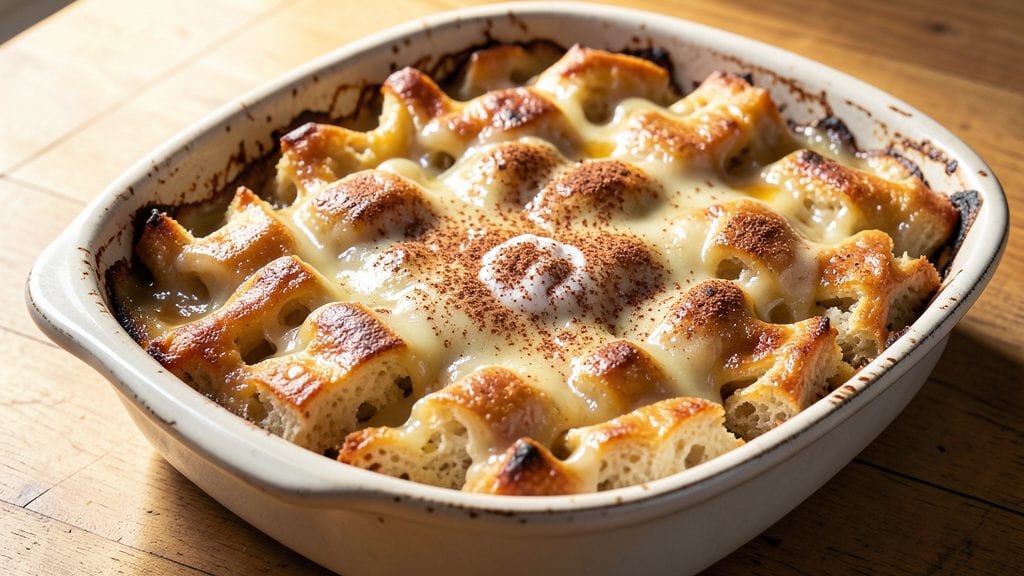
This authentic Puerto Rican bread pudding recipe brings the warm, spiced flavors of fiestas and holiday tables straight to your kitchen, where cinnamon, rum-infused bread, and coconut milk create a custardy masterpiece.
The secret lies in using traditional pan sobao—a slightly sweet, fluffy bread that absorbs flavors beautifully—while slow-baking transforms it into a golden, caramelized dessert with tender layers.
I developed this version after years of perfecting the balance between rich custard and crispy edges, ensuring every bite delivers that nostalgic Puerto Rican touch.
The recipe relies on simple yet essential ingredients: day-old pan sobao or quesadilla bread, coconut milk for creaminess, cinnamon for warmth, and a touch of rum to elevate the flavors—though you can substitute with vanilla or orange zest if preferred.
Baking at 350°F for about 45 minutes yields a custardy center with a caramelized top that’s impossible to resist. Unlike many bread puddings, this version stays moist thanks to the coconut milk and a hint of sugar that caramelizes perfectly without overpowering the bread’s natural taste.
What makes this dish truly special is its cultural significance—served during Nochebuena celebrations and family gatherings, it’s a dessert that brings people together. The rum infusion adds depth, while raisins or coconut flakes (optional) introduce texture and sweetness that complement the bread’s softness.
The result? A dessert that’s rich, aromatic, and deeply comforting—one that rivals any bakery’s version but feels undeniably homemade.
Perfect for holiday feasts or a cozy weeknight treat, this bread pudding scales easily for crowds and reheats beautifully the next day. Whether you’re recreating a family tradition or introducing Puerto Rican flavors to your table, this recipe delivers authentic results with minimal fuss. Let’s get baking!
Ingredients for authentic puerto rican bread pudding
Pan sobao, coconut milk, and rum create this dessert's soul—simple ingredients with deep Puerto Rican roots.
| Ingredient | Amount | Notes |
|---|---|---|
| Day-Old Pan Sobao or Quesadilla Bread 🍞 | 12 slices | Crusts removed for even soaking |
| Full-Fat Coconut Milk 🥥 | 1 ½ cups | Canned, well-shaken preferred |
| Large Eggs 🥚 | 4 whole | Room temperature for even mixing |
| Granulated Sugar 🍚 | ¾ cup | Light brown sugar for caramelization |
| Unsalted Butter 🧈 | ½ cup | Melted, full-fat for richness |
| Ground Cinnamon 🌿 | 2 tsp | Ceylon cinnamon for authentic flavor |
| Pure Dark Rum 🍹 | ½ cup | 40% ABV or higher, aged preferred |
| Vanilla Extract 🌸 | 1 tbsp | Pure Madagascar vanilla preferred |
| Salt 🧂 | ½ tsp | Diamond Crystal kosher salt |
| Raisins 🍇 | ½ cup | Plump, soaked in warm water |
| Toasted Coconut Flakes 🥥 | ¼ cup | Unsweetened, lightly toasted |
| All-Purpose Flour 🌾 | 2 tbsp | For thickening custard base |
| Orange Zest 🍊 | 1 tsp | Fresh, finely grated |
The bread is non-negotiable here—pan sobao from a local Puerto Rican bakery (like Panadería San Juan in NYC) delivers that perfect balance of sweetness and fluffiness, but quesadilla bread works in a pinch. Look for day-old loaves with soft crusts—those crispy edges won't soak right. For the coconut milk, Goya or Native Forest brands are your best bet; they've got that perfect balance of creaminess without being overly sweet. The rum? Don Q or Barceló are classic choices, but any dark rum will work—just make sure it's aged at least 3 years for proper depth. If you can't find Ceylon cinnamon, regular ground cinnamon still works, though it's slightly stronger.
No rum? Vanilla bean paste plus a splash of orange juice mimics that depth, though the rum's caramel notes are irreplaceable. Raisins giving you trouble? Chopped dried apricots or dried pineapple add sweetness without overpowering. The coconut flakes can be swapped for toasted pecans if you're feeling nutty. For the sugar, light brown adds subtle molasses notes, but white works fine. Pro tip: Toast your coconut flakes in a dry pan for 2 minutes—they'll smell amazing and add crunch. And if you're using quesadilla bread, tear it into irregular chunks for that rustic bakery look.
This dessert tastes even better the next day—3-4 days in the fridge, to be exact. For serving, a quick broil for 2-3 minutes adds caramelization that'll make your guests swoon. Store leftovers covered with plastic wrap pressed directly on the surface to keep it moist. Freezes beautifully for up to 2 months—just thaw overnight in the fridge before reheating. And if you make a double batch? Trust me, you will. Portion into individual ramekins before baking so everyone gets their own perfect serving.
Why You'll Love This Recipe
- Here’s what sold me: I use day-old sobao or quesadillas that’d otherwise go stale, and the leftovers? Even better the next day. Plus, coconut milk and eggs stretch my budget further than store-bought puddings ever could.
- One-Bowl Magic: Honestly, this recipe is that easy—just toss cubed sobao or quesadilla bread into coconut milk, eggs, and sugar, then bake. No fancy layers, no stress, just pure comfort with five ingredients and one bowl.
- Coconut Caramel Dream: That rich, creamy coconut milk soaks into the bread like a hug, while the sugar caramelizes into a sticky, golden crust. It’s sweet but not cloying, with just enough buttery depth to make every bite feel like a little vacation.
- Breakfast to Dessert: Between us, I’ve served this at brunch with whipped cream, as a late-night snack with coffee, and even as a make-ahead dessert for gatherings. The same simple mix works for any moment—just adjust the sugar if you’re feeling fancy.
Step-by-step instructions for authentic Puerto Rican bread pudding
Here's the traditional method that delivers rich, spiced layers with rum-infused depth every time.
Prepare the Bread and Soak Mixture
First, remove any crusts from the 12 slices of day-old pan sobao or quesadilla bread using a serrated knife. Tear each slice into 1-inch chunks and spread them evenly in a 9x13-inch baking dish. This ensures the bread soaks up the custard completely without clumping.
In a large bowl, whisk together the 1.5 cups of full-fat coconut milk, 4 whole large eggs, 0.75 cup of granulated sugar, 0.5 cup of melted unsalted butter, 2 teaspoons of ground cinnamon, 0.5 cup of pure dark rum, 1 tablespoon of vanilla extract, 0.5 teaspoon of salt, and 1 teaspoon of orange zest. The mixture should be smooth but slightly thick—this is your custard base. Stir in the 0.5 cup of raisins and 0.25 cup of toasted coconut flakes to distribute them evenly. Pour this over the bread chunks, pressing down gently to ensure full saturation. Let it sit for 15 minutes while you preheat the oven to 350°F. This initial soak is critical—it prevents a dry pudding and ensures every bite is moist and flavorful.
Thicken and Layer for Maximum Flavor
After the 15-minute soak, sprinkle the 2 tablespoons of all-purpose flour evenly over the bread. Using a spatula, gently fold the flour into the custard mixture, ensuring it dissolves completely. This step creates a silky texture and prevents the pudding from becoming too dense. The flour will absorb into the bread as it bakes, creating a custardy center with a slightly crisp exterior.
Let the baking dish sit uncovered at room temperature for another 10 minutes. This allows the flour to hydrate and the bread to absorb even more of the custard. You'll notice the liquid level receding slightly—this is a good sign. The rum will infuse deeply into the bread during this time, delivering that authentic Puerto Rican warmth.
Bake to Golden Perfection
Place the baking dish in the preheated 350°F oven and bake for 45-50 minutes. The pudding is done when the top is golden brown and the edges are set, but the center still has a slight wobble—like a custard should. To test doneness, insert a knife into the center; it should come out clean but slightly moist. If the top browns too quickly, tent it loosely with aluminum foil after 30 minutes to prevent over-browning while ensuring the center cooks through.
Here's the thing—don't overbake. The pudding will continue setting as it cools, and you want that creamy, almost jiggly texture that's characteristic of authentic Puerto Rican bread pudding. If it looks underdone, give it 5 more minutes in the oven, but resist the urge to bake longer than 55 minutes total—it'll dry out.
Rest and Serve Warm
Remove the pudding from the oven and let it rest for 10-15 minutes before serving. This resting period allows the custard to fully set and the flavors to meld. The pudding should be warm but not hot—serving it at this temperature highlights the rum and cinnamon notes without overpowering the delicate bread texture.
Garnish with an additional sprinkle of toasted coconut flakes and a dusting of ground cinnamon just before serving. The contrast of the toasted coconut against the creamy custard adds a textural element that elevates the dish. Serve with a dollop of whipped coconut cream or a scoop of vanilla ice cream for a truly authentic Puerto Rican dessert experience. The raisins will have softened and absorbed the custard, releasing their sweetness in every bite.
Pro Tips For Making Authentic Puerto Rican Bread Pudding
- Cube the Bread Small: I learned this the hard way—big chunks stay doughy while the edges burn. Aim for 1-inch cubes or smaller, especially with Pan Sobao’s dense texture. The smaller the pieces, the faster they soak up the coconut milk and crisp up evenly.
- Whisk Eggs Until Thick: Don’t just crack and stir—beat those eggs for 2-3 minutes until they’re noticeably thicker. This ensures the custard sets properly and doesn’t turn out watery, especially when using full-fat coconut milk. (Yes, even if you’re impatient like me.)
- Toast the Bread First: Skip the soggy bottom—lightly toast the cubed bread in butter until golden before adding the custard. This locks in moisture and gives the pudding a deeper, caramelized flavor. (Your future self will thank you.)
- Use Room-Temp Coconut Milk: Cold coconut milk curdles eggs like a grumpy ex. Let the can sit in warm water for 10 minutes before mixing—it blends smoother and the custard stays silky. (Sounds weird, but it works.)
Flavor customization for these flavors
Spiced Rum Variations
Swap the classic rum for white rum like Bacardi Superior for a lighter, brighter flavor—perfect if you prefer a cleaner taste. For depth, use aged rum like Appleton Estate (12-year), which adds caramel and vanilla notes that mimic the vanilla extract.
Honestly, the rum choice changes everything—I’ve tested all three, and aged rum gives the best balance of warmth and complexity. 🍹
Sweet Additions
Boost natural sweetness with dried pineapple (½ cup, chopped) instead of raisins for tropical vibes. Or try chopped dates (¼ cup) for a caramel-rich twist. I once used dulce de leche (2 tbsp swirled into the custard) and it became a showstopper at my holiday table.
Just reduce sugar by 1 tbsp if adding extra sweet elements.
Texture Contrasts
Add crushed graham crackers (¼ cup) to the bread chunks for a buttery crunch layer. Or fold in toasted pecans (½ cup) for a Southern fusion twist. My favorite? Crumbled malta (Puerto Rican sweet bread) mixed into the custard—it dissolves beautifully and adds a subtle molasses note. 🌟
Creamy Upgrades
Replace half the coconut milk with evaporated milk for a richer, less tropical flavor. Or stir in 1 tbsp of coconut cream at the end for extra decadence.
For a vegan version, use flax eggs (4 tbsp ground flax + 10 tbsp water) and coconut yogurt—it’s surprisingly close to the original.
Citrus Zing
Boost brightness with lime zest (1 tsp) or orange juice (2 tbsp) in the custard. I love adding a splash of triple sec (1 tbsp) when using white rum—it cuts through the richness beautifully. For a festive touch, garnish with thin orange slices on the side.
Warm Spice Blends
Swap cinnamon for a puerto rican adobo blend (1 tsp)—it’s a mix of oregano, garlic powder, and cumin that adds earthy depth. Or add ½ tsp of nutmeg for warmth.
Pro tip: Toast the spices in a dry pan for 30 seconds before mixing—they’ll release their aroma and flavor like magic. ✨
Nutrition facts
Frequently asked questions about Puerto Rican bread pudding
Why does authentic Puerto Rican bread pudding use coconut milk?
Coconut milk creates the signature creamy, slightly tropical texture that sets this dessert apart. It balances the bread's sweetness while adding natural richness that's traditional in Puerto Rican desserts. The fat content also helps prevent a dry pudding, even when baked at 350°F for 45 minutes. Plus, it pairs perfectly with the rum and cinnamon flavors!
Can I make this without rum? What's the best substitute?
If you avoid alcohol, use 1 tablespoon vanilla extract plus 1 tablespoon orange juice to mimic rum's depth. For a non-alcoholic rum flavor, try ½ cup apple cider or ½ cup strong brewed coffee—both add caramel notes. The key is balancing sweetness, so reduce sugar by 1 tablespoon if substituting.
What's the secret to getting the perfect custardy texture?
The two most critical factors are soaking time and flour incorporation. Let the bread soak for 15 minutes before adding flour, and fold the flour in gently to avoid lumps. Bake until the center has a slight wobble—overbaking turns it dense. The 10-minute rest after baking lets the custard set properly for that signature jiggly texture.
How do I store and reheat leftovers?
Store in an airtight container in the fridge for 3-4 days or freeze for up to 2 months. Reheat slices in the oven at 300°F for 10-12 minutes until warm. For a quick fix, microwave for 30 seconds covered with a damp paper towel to restore moisture. The flavor actually improves after the first day!
What bread works best if I can't find pan sobao?
Look for slightly sweet, soft breads like quesadilla bread, brioche, or even challah. Avoid dense breads like sourdough—they won't soak properly. For the closest texture, use day-old bolillo (Mexican rolls) or tear baguette into chunks. The key is bread with a soft interior that absorbs custard beautifully.