Side Dishes
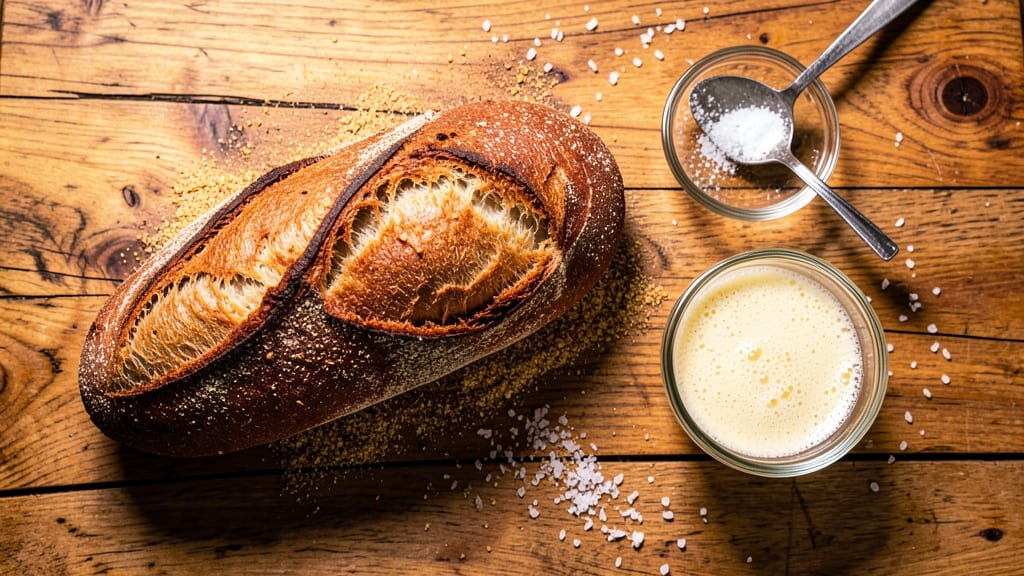
Mastering a baked baguette recipe that rivals your local bakery starts with understanding the science behind its signature crust—crispy, golden, and shatteringly thin.
After years of experimenting with yeast hydration and oven steam, I’ve perfected a method that delivers restaurant-quality results in just one hour, using only five simple ingredients and your home oven.
The secret lies in precise dough development: a high-hydration mix of flour, water, yeast, and salt creates an elastic yet tender structure, while controlled proofing and shaping prevent overproofing.
Generating steam during baking mimics traditional bakery conditions, ensuring that crispy crust without sacrificing a soft, airy crumb. This isn’t just bread—it’s a textural experience.
By the time you pull that baguette from the oven, you’ll have a loaf with a golden, crackling crust and an open crumb that’s light yet substantial. The aroma alone will transform your kitchen into a Parisian boulangerie.
Whether you’re serving it with butter, olive oil, or as part of a charcuterie board, this method guarantees professional results every time.
Ready to bake? We’ll cover dough preparation, proofing techniques, scoring for that iconic crust, and troubleshooting common pitfalls—so you can achieve bakery-perfect baguettes at home. Let’s begin with the ingredients you’ll need to transform flour and water into artisanal bread.
Ingredients for baked baguette
Five ingredients, one hour, bakery-quality baguettes—no fancy equipment needed.
| Ingredient | Amount | Notes |
|---|---|---|
| Bread Flour 🌾 | 3 ½ cups | High-protein for structure (13%+) |
| Active Dry Yeast 🍞 | ¼ tsp | Freshly opened for vitality |
| Warm Water 💧 | 1 ¼ cups | 95-105°F for ideal activation |
| Diamond Crystal Kosher Salt 🧂 | ¾ tsp | Fine grain for even dissolving |
| Cornmeal 🌽 | ¼ cup | For dusting parchment paper |
The flour is non-negotiable here. Bread flour with 13%+ protein gives you that signature open crumb structure—all-purpose just won't cut it. I always grab King Arthur or Caputo Tipo 00 when I'm feeling fancy, but Bob's Red Mill bread flour works perfectly for home bakers. The yeast? Freshly opened makes all the difference—if it's been sitting in your pantry for months, it's time to toss it. Water temperature matters too: too hot and you'll kill the yeast, too cold and it won't activate properly. Aim for 95-105°F—just warm to the touch. For the salt, Diamond Crystal kosher dissolves perfectly without over-salting your dough.
No bread flour? All-purpose plus 1 tbsp vital wheat gluten gets you close, but the texture won't be quite as open. Short on yeast? Instant yeast works 1:1, but don't substitute baking powder—it's not the same thing. The water can be tap or filtered, but if yours has strong chlorine flavor, let it sit out for 10 minutes first. For the cornmeal, any fine grain works, but it's worth getting the good stuff if you bake often—it prevents sticking and adds a nice texture to the crust. Pro tip: if your kitchen feels too dry, cover the dough loosely with a damp towel during proofing to help it rise properly.
This dough needs to rest. 1 hour at room temperature is ideal, but if your kitchen's cold, give it an extra 20 minutes. For shaping, use a long, thin work surface or roll it out on parchment—don't skip this step if you want that classic baguette shape. Store shaped loaves in the fridge for up to 24 hours before baking if you need to prep ahead. Once baked, they're best enjoyed the same day, but you can reheat slices in a 350°F oven for 5-10 minutes to restore that crispy crust. Freeze unbaked loaves for up to 1 month—just let them come to room temp before baking.
Why You'll Love This Recipe
- Five-Ingredient Magic: I swear, this baguette only needs flour, yeast, water, salt, and cornmeal—no fancy add-ins. That’s it. The yeast does all the work while I sip my coffee, and the salt-kissed crust? Pure reward for minimal effort.
- Crust You’ll Crave: Between us, that golden, shatter-hard crust with a pillowy soft center is the reason I bake. The kosher salt (trust me, don’t swap it) crisps perfectly in the oven, while the inside stays tender—like biting into a Parisian bakery’s secret.
- Weeknight Hero: Toss a few slices in a pan for garlic bread, tear it over soups, or freeze extras for toast later. Honestly, I make a double batch on Sundays just to have it on hand—no sad, store-bought loaves here.
- Budget-Friendly Staple: A baguette costs pennies to make, yet it feels like a splurge. That loaf feeds four for under $2, and the leftovers? Perfect for croutons, French toast, or crumbs for meatballs. Zero waste, all flavor.
Step-by-step instructions for baked baguette recipe
Here's how to craft an authentic baguette with a crisp exterior and airy interior using just five essential ingredients.
Activate the Yeast for Maximum Rise
In a small bowl, combine the 1.25 cups warm water and 0.25 tsp active dry yeast. The water should be between 95-105°F—test it by touching it; it should feel pleasantly warm, like bathwater. Let this mixture sit for 5-10 minutes until it becomes frothy and bubbly. This indicates the yeast is alive and ready to work.
I always check for bubbles at the 5-minute mark—if nothing happens, the yeast may be dead or the water too hot. In that case, start fresh with a new pinch of yeast and slightly cooler water. The yeast is the heart of your baguette, so don't rush this step. Once properly activated, the yeast will transform your dough from a simple mixture into a light, airy loaf.
Mix and Knead the Dough for Optimal Gluten Development
In the bowl of a stand mixer fitted with the dough hook attachment, combine the 3.5 cups bread flour and 0.75 tsp diamond crystal kosher salt. Mix on low speed until the flour is evenly distributed, then pour in the yeast-water mixture. Using the dough hook, knead on medium speed for 6-8 minutes until the dough forms a smooth, elastic ball that pulls away from the sides of the bowl.
The dough should feel slightly tacky but not sticky—if it's too wet, add 1 tablespoon flour at a time until it reaches the right consistency. You're developing gluten during this kneading process, which gives your baguette its signature chew and structure. When you poke the dough, it should spring back slowly rather than immediately. This is your signal that the gluten has formed properly.
Bulk Ferment for Flavor and Texture
Lightly oil a large bowl and transfer the dough to it. Cover with a damp kitchen towel and let it rise at room temperature for 1-1.5 hours. You'll know it's ready when the dough has doubled in size and feels noticeably lighter. During this time, the yeast will consume sugars in the flour, producing carbon dioxide that creates those tiny air pockets essential for a light baguette.
I like to give the dough a gentle stretch and fold every 30 minutes during this bulk fermentation. To do this, wet your hands and grab one side of the dough, stretching it upward and folding it over itself. Repeat on all four sides. This technique strengthens the gluten structure and promotes even rising. The dough should feel slightly resistant but still soft to the touch when properly fermented.
Shape and Proof for the Classic Baguette Form
Generously dust a clean work surface with the 0.25 cup cornmeal. Turn out the dough and divide it into four equal pieces. Roll each piece into a 12-inch log, sealing the seams by pinching them gently. Arrange the logs on a parchment-lined baking sheet, spacing them about 2 inches apart.
Cover the shaped baguettes with the damp towel again and let them proof for another 30-45 minutes until they've risen about 50% and look slightly puffy. The surface should feel springy when pressed gently with your finger. This final proofing step is crucial—it develops the open crumb structure that makes a baguette so delightfully light. Don't skip it, even if you're eager to bake.
Bake for a Crisp Exterior and Airy Interior
Preheat your oven to 450°F with a baking stone or inverted baking sheet on the middle rack. This creates steam that's essential for that signature crust. When the oven reaches temperature, bake the baguettes for 20-25 minutes until they're deep golden brown with crisp edges.
For extra crunch, I like to spray the oven with water right after loading the baguettes and close the door immediately. This creates steam that helps develop that crackly crust we all love. The internal temperature should reach 190-200°F when checked with an instant-read thermometer. Let the baguettes cool on a wire rack for at least 10 minutes before slicing—this allows the steam to escape and prevents a gummy interior.
Pro Tips For Making Baked Baguette
- Dissolve the Yeast: Toss that yeast packet into the warm water first, then let it sit for 5 minutes until it looks like a frothy beer head. No bubbles? Your yeast is dead—start over, because skipping this step means a dense, flat baguette no matter how much you knead.
- Salt the Water: Mix the kosher salt into the warm water before adding yeast—it dissolves better and distributes evenly. I used to sprinkle it later, and half the time it’d clump in the dough. (Yes, even if the recipe says "add later.")
- Let It Rise Twice: The first rise is obvious, but the second one? That’s where the magic happens. After shaping, let the baguette rest uncovered for 30–60 minutes in a warm spot—it’ll rise and relax the gluten, so it doesn’t collapse when baked. (I know, you’re eager to pop it in the oven.)
- Steam the Oven: Toss a metal bowl of boiling water on the oven rack before baking—this creates steam that makes the crust shine and the crumb soft. No bowl? Boil water in a kettle and pour it in right as you slide the baguette in. (The cornmeal is for later, not the steam.)
Pro cooking tips for baked baguette
Yeast Activation Test
Always test your yeast's vitality before mixing—drop a pinch into warm water with a pinch of sugar. If it bubbles within 3-5 minutes, your yeast is active.
I've ruined doughs using expired yeast, so I double-check this step. For extra insurance, use instant yeast—it activates faster and doesn't require proofing. 💡
Dough Hydration Secrets
This recipe uses a 70% hydration ratio (water to flour), which creates that signature open crumb. Too much water makes the dough sticky and hard to shape—add 1 tbsp flour at a time if needed.
For a softer crumb, reduce water by 1 tbsp. I once baked a baguette with 65% hydration and got a denser but still delicious result.
Steam Generation Hacks
No baking stone? Place a metal tray on the oven rack below your baguettes. When you load the oven, pour ½ cup hot water into the tray immediately. This mimics bakery steam without fancy equipment.
For extra crunch, spray the oven walls with water after loading the dough. I've even used a steam-injected air fryer at 375°F for smaller baguettes!
Scoring Like a Pro
Use a sharp razor blade or lamé (French bread knife) to score your baguettes. Cut ¼-inch deep in a diagonal pattern—this directs steam escape and prevents bursting. Press firmly but don't cut into the dough.
I score just before baking while the oven is preheating to avoid sticking. For decorative patterns, try a crisscross or zigzag design.
Oven Temperature Control
Your oven's accuracy matters—most home ovens run 25°F hotter or cooler than set. Invest in an oven thermometer ($5 at Amazon) to verify 450°F is accurate. If your oven lacks even heat, rotate your baking sheet halfway through baking.
I've had baguettes bake unevenly in ovens without proper calibration—this simple tool prevents that frustration. 🌡️
Resting for Perfection
Never slice baguettes immediately after baking—they'll turn gummy. Let them cool on a wire rack for at least 10 minutes, or better yet, 30 minutes for maximum crispness. For reheating stale slices, wrap them in foil and warm at 350°F for 5 minutes.
To store, freeze baked baguettes in a paper bag for up to 3 months—they reheat beautifully!
Nutrition facts
Frequently asked questions
Why does my baguette dough feel too sticky to handle?
High-hydration dough (like this recipe's 70% ratio) is naturally tacky, but it should be workable, not gluey. If it sticks to your hands, dust your surface with extra cornmeal or flour (but no more than 1 tbsp total). Wet your hands before shaping to prevent sticking. Remember: the dough should pull away slightly when stretched, not tear immediately.
Can I make baguettes without a baking stone?
Place a metal tray on the oven rack below your baguettes. When loading the oven, pour ½ cup hot water into the tray to create steam. This mimics professional bakery conditions. For even better results, spray the oven walls with water after loading the dough. No stone? No problem!
How do I know when the baguettes are fully baked?
Look for a deep golden brown crust with crisp edges. Tap the bottom—the sound should be hollow, not dull. Check internal temperature with an instant-read thermometer: 190-200°F means perfect doneness. If unsure, bake 2-3 minutes longer—underbaking makes the crumb gummy.
What's the best way to store homemade baguettes?
Cool completely on a wire rack, then store in a paper bag at room temperature for 1-2 days to maintain crispness. For longer storage, freeze baked baguettes (wrapped in foil) for up to 3 months. To reheat, wrap slices in foil and warm at 350°F for 5 minutes. Never refrigerate—it makes bread stale faster!
Can I add herbs or seeds to this recipe?
Traditional baguettes are simple, but you can experiment! Add 1 tbsp dried herbs (like rosemary or thyme) or 2 tbsp seeds (sesame, poppy) to the dough. Just reduce water by 1 tbsp to maintain consistency. For visual appeal, sprinkle seeds on top before baking. Keep additions to 5% of flour weight max to avoid altering texture.