
Main Courses
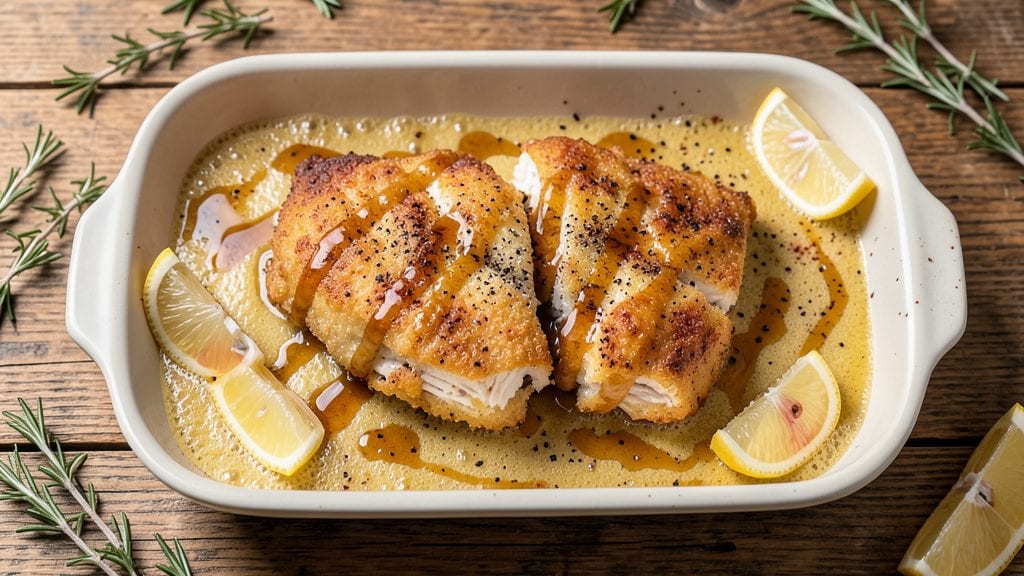
This baked beer-battered fish recipe delivers the perfect balance of crispy crust and golden beer glow without deep-frying. The secret lies in a light, airy batter that stays light yet creates that coveted crunch, all while infusing the fish with subtle malt sweetness.
I developed this method after years of testing—no more soggy fish or greasy messes.
The batter combines cold beer (for crispiness) with simple pantry staples like flour and baking powder, creating a golden crust that bakes up perfectly in the oven. What makes this recipe stand out is the foolproof technique for achieving that restaurant-quality texture without the mess of frying.
The beer adds depth while keeping the fish tender inside.
By the time it emerges from the oven, you'll have fish with a crispy, shatteringly golden crust that gives way to flaky, tender meat inside. The beer batter infuses just enough malt flavor to elevate the dish without overpowering the natural taste of the fish.
This is comfort food at its finest—simple yet impressive enough for dinner guests.
Serve with classic sides like lemon wedges, tartar sauce, or a fresh green salad to complete the meal. The crispy edges hold up beautifully, making this perfect for sharing or meal prepping. Let's get started on this crowd-pleasing recipe!
Ingredients for baked beer battered fish
Cold beer, simple pantry staples, and flaky fish create this foolproof baked battered fish.
| Ingredient | Amount | Notes |
|---|---|---|
| Light Beer 🍺 | 1 cup | Cold, non-alcoholic or pale ale preferred |
| All-Purpose Flour 🌾 | 1 cup | Sifted for light, airy batter |
| Baking Powder 🍞 | 1 tbsp | Aluminum-free for best rise |
| Salt 🧂 | 1 tsp | Kosher or sea salt preferred |
| Black Pepper 🌶️ | ½ tsp | Freshly cracked for aroma |
| White Fish Fillets 🐟 | 1 ½ lb | Cod, haddock, or tilapia preferred |
| Lemon Juice 🍋 | 1 tbsp | Freshly squeezed, for brightness |
| Unsalted Butter 🧈 | 2 tbsp | Melted, for greasing pan |
| Paprika 🌶️ | ½ tsp | Smoked for color and depth |
| Cornstarch 🌾 | 1 tbsp | For extra crispiness |
| Garlic Powder 🧄 | ½ tsp | For subtle savory note |
| Vegetable Oil 🫒 | 1 tbsp | For brushing fish fillets |
| Lemon Wedges 🍋 | 4 whole | For serving, optional garnish |
The beer is non-negotiable here—pale ales or lagers work best for their mild flavor and crispness. Bud Light or Coors are reliable choices, but any light beer will do. Keep it cold (refrigerate until ready to use) to prevent the batter from becoming too thin. For a non-alcoholic version, O'Doul's or Heineken 0.0 are great substitutes. The flour should be sifted to avoid lumps, and King Arthur or Gold Medal brands are ideal for their consistent quality. If you're short on time, pre-sifted flour from the baking aisle works too.
No baking powder? Baking soda plus cream of tartar (1/4 tsp each) mimics its leavening power. Short on beer? Chicken or vegetable broth works in a pinch, though the flavor will differ slightly. For extra crispiness, add 1 tbsp crushed cornflakes to the batter mix. The fish fillets should be even thickness (about 1/2-inch) for consistent cooking. If using frozen fish, thaw overnight in the fridge—never under running water, as it makes the flesh tough. The lemon juice adds brightness, but bottled lemon juice (like ReaLemon) is fine if fresh isn't available.
This batter keeps 24 hours in the fridge if stored in an airtight container—just whisk before using. The fish reheats beautifully in a 350°F oven for 8-10 minutes if prepped ahead. For meal prep, portion into single servings and freeze uncooked fillets (with batter) for up to 2 months. Thaw overnight before baking. The leftovers? Crispy edges soften quickly, so serve immediately or store in the fridge for up to 2 days—reheat in a toaster oven for 3-4 minutes to restore crunch.
Why You'll Love This Recipe
- No-Fuss Breading: I just mix the flour, baking powder, and salt in a bowl—no sifter, no fuss. The light beer thins it perfectly, so it’s less messy than deep-frying, but still gives that golden, crispy crust.
- Beer’s Magic Touch: That light beer isn’t just for flavor—it keeps the batter light and airy while adding a subtle malt sweetness. The baking powder gives it a gentle lift, so every bite has that satisfying crunch and a soft center.
- Game Day Ready: Between us, this is my go-to for game days or lazy Sundays. Bake a big sheet pan, and it’s ready when guests are—no last-minute takeout stress. (Yes, even on a Tuesday night.)
- Budget-Friendly Crunch: Flour, beer, and fish fillets are all pantry staples or affordable. Leftovers? Toss them in a sandwich or reheat for breakfast—crispy batter turns into a totally different meal. Minimal cost, maximum satisfaction.
Step-by-step instructions for baked beer-battered fish
Here's how to achieve that perfect golden beer batter with a crispy exterior and tender interior.
Prepare the Beer Batter Mixture
In a medium bowl, whisk together the 1 cup all-purpose flour, 1 tablespoon baking powder, 1 teaspoon salt, 0.5 teaspoon black pepper, 0.5 teaspoon paprika, and 0.5 teaspoon garlic powder. Sift the dry ingredients first to prevent lumps in the batter. This step ensures an even distribution of leavening agents and seasonings throughout the mixture.
In a separate small bowl, combine the 1 cup cold light beer and 1 tablespoon lemon juice. Gradually pour the beer mixture into the dry ingredients while whisking continuously. The batter should be thin but coat the back of a spoon—similar to pancake batter consistency. If it's too thick, add 1 tablespoon cold water at a time until you reach the right texture. This liquid-to-flour ratio is crucial for achieving that signature crispy crust while keeping the fish moist inside.
Season and Coat the Fish Fillets
Pat the 1.5 lb white fish fillets completely dry with paper towels. Any moisture on the surface will prevent the batter from adhering properly and result in a soggy crust. Arrange the fillets on a clean work surface and season both sides generously with additional salt and pepper if desired.
Dip each fillet into the beer batter, allowing excess to drip off. For extra crispiness, lightly coat the fillets with the 1 tablespoon cornstarch before dipping in the batter. This creates an additional crispy layer that holds up beautifully during baking. Place the coated fillets on a wire rack set over a baking sheet lined with parchment paper. This allows air to circulate around all sides, ensuring even crisping.
Preheat and Prepare the Baking Pan
Preheat your oven to 425°F. While the oven heats, melt the 2 tablespoons unsalted butter in a small saucepan over low heat. Use a pastry brush to lightly coat the bottom of a second baking sheet with the melted butter. This creates a non-stick surface and adds extra flavor to the finished dish. The butter should be fully melted but not browned—just warm enough to spread easily.
Brush the top of each beer-battered fillet with 1 tablespoon vegetable oil using the same pastry brush. This step is essential for achieving that golden beer glow and extra crispiness. The oil helps the batter brown more evenly and prevents the beer batter from becoming too sticky during baking. Arrange the fillets on the buttered baking sheet, leaving about 1 inch of space between each piece to allow for expansion.
Bake to Crispy Perfection
Bake the fish for 12-15 minutes until the edges are deep golden brown and the internal temperature reaches 145°F when measured with an instant-read thermometer. The beer batter should be crispy to the touch, with no signs of moisture on the surface. If the top isn't browning quickly enough, you can broil the fish for the last 1-2 minutes of cooking time, watching closely to avoid burning.
Real talk: Don't overcrowd the pan or you'll steam the fish instead of crisping it. The batter needs space to develop that perfect golden crust. Once removed from the oven, transfer the fish to a wire rack to keep it crispy while you prepare the lemon wedges. Serve immediately with the 4 whole lemon wedges for that classic brightness that cuts through the richness of the beer batter.
Pro Tips For Making Baked Beer Battered Fish
- CHILL THE BEER FIRST: Cold beer thickens the batter better—no clumpy surprises. Pop the bottle in the fridge for 20 minutes before mixing, especially if your kitchen’s warm. I learned this the hard way when my first batch turned out like glue.
- WHISK LIKE YOU MEAN IT: No lumps allowed. Use a fork first to break up the flour, then switch to a whisk and stir vigorously for 30 seconds. The batter should coat the back of a spoon smoothly—if it doesn’t, you’re doing it wrong. (Yes, even if your arms ache.)
- DON’T OVERMIX THE FISH: Pat the fillets dry with paper towels, then season just the skin side. Overhandling makes them tough, and wet spots ruin the crust. My grandmother swore by this, and she was right: the skin stays crisp, the flesh stays tender.
- BAKE IN TWO BATCHES: Crowding the pan steams the fish instead of browning it. Use half the fillets first, bake until golden (12–15 minutes at 425°F), then swap for the second batch. The oven’s hotter the first time—trust the process. (Your future self will thank you.)
Regional styles of this dish
New England Clam Chowder Style
In coastal New England, beer-battered fish often stars in hearty chowder bowls. The batter gets a crispy finish while the fish cooks in a creamy broth with potatoes, corn, and clams. I use a light lager for the batter to complement the chowder’s richness.
The key is baking the fish separately and adding it to the hot broth just before serving to maintain that perfect crunch. 🍲
Southern Fried Fish Twist
Down South, beer-battered fish takes on a spicier profile with a Cajun or Creole seasoning blend in the batter. I add ½ teaspoon cayenne and 1 teaspoon smoked paprika to the dry mix for a kick.
Serve with cornbread and collard greens for a full Southern spread. The beer’s maltiness balances the heat beautifully, and baking keeps the dish lighter than traditional fried versions.
Pacific Northwest Salmon Adaptation
On the West Coast, wild-caught salmon replaces cod or haddock, and the batter incorporates local flavors. I swap ½ cup of the beer for ½ cup apple cider in the batter, adding 1 teaspoon fresh dill and ½ teaspoon fennel seeds for brightness.
Bake at 400°F for 10-12 minutes to highlight the salmon’s natural oils while keeping the crust crisp. Pair with a Dungeness crab dip for a Pacific Northwest feast. 🏔️
British Pub-Style Fish and Chips
For a true British pub experience, use malt vinegar in place of lemon juice in the batter and add 1 teaspoon mustard powder to the dry mix. Serve the baked fish with thick-cut oven-baked potato wedges tossed in olive oil and sea salt.
The beer batter here is slightly thicker—almost like a light tempura—to mimic traditional pub batter. The vinegar adds a tangy contrast that’s quintessentially British. 🍻
Caribbean Jerk-Inspired Fusion
In the Caribbean, beer-battered fish gets a tropical twist with jerk seasoning in the batter. Mix 1 teaspoon jerk seasoning (like Grace brand) with the dry ingredients and use a dark rum instead of beer for depth.
Bake at 375°F for 12-14 minutes to let the flavors meld. Serve with mango salsa and coconut rice for a fusion dish that’s both crispy and bold. The rum’s caramel notes pair perfectly with the jerk spices. 🌴
Nutrition facts
Frequently asked questions
Can I use any type of beer for this batter?
Light beers like pale ale or lager work best—they're crisp and won't overpower the fish. Dark beers add richness but may make the crust too heavy. For a non-alcoholic version, use a beer substitute like O'Doul's or Heineken 0.0. Keep the beer cold until ready to use to prevent the batter from becoming too thin.
Why is my beer batter turning out soggy?
Soggy batter usually means the fish wasn't dry enough before dipping or the oven wasn't hot enough. Pat fillets completely dry with paper towels, and preheat your oven to 425°F. Also, avoid overcrowding the pan—space allows air to circulate for proper crisping. A wire rack over a baking sheet helps even more!
How do I make this recipe gluten-free?
Replace the all-purpose flour with a 1:1 gluten-free baking flour blend (like Bob's Red Mill) plus ½ teaspoon xanthan gum to improve crispiness. Use the same ratio of wet to dry ingredients. For extra binding, add 1 extra tablespoon cornstarch to the batter mixture. The texture will be slightly different but still delicious!
Can I bake this ahead of time?
Yes! Assemble the battered fish and refrigerate for up to 24 hours before baking. For meal prep, freeze uncooked fillets (with batter) for 2 months. Thaw overnight in the fridge, then bake as directed. To reheat leftovers, use a toaster oven at 375°F for 3-4 minutes to restore crispiness.
What's the best fish to use besides cod or haddock?
Any mild, firm white fish works well—try tilapia, mahi-mahi, or halibut. For richer flavor, use salmon (reduce baking time to 10-12 minutes at 400°F). Avoid delicate fish like flounder, which may fall apart. Always use 1/2-inch thick fillets for even cooking.