Side Dishes
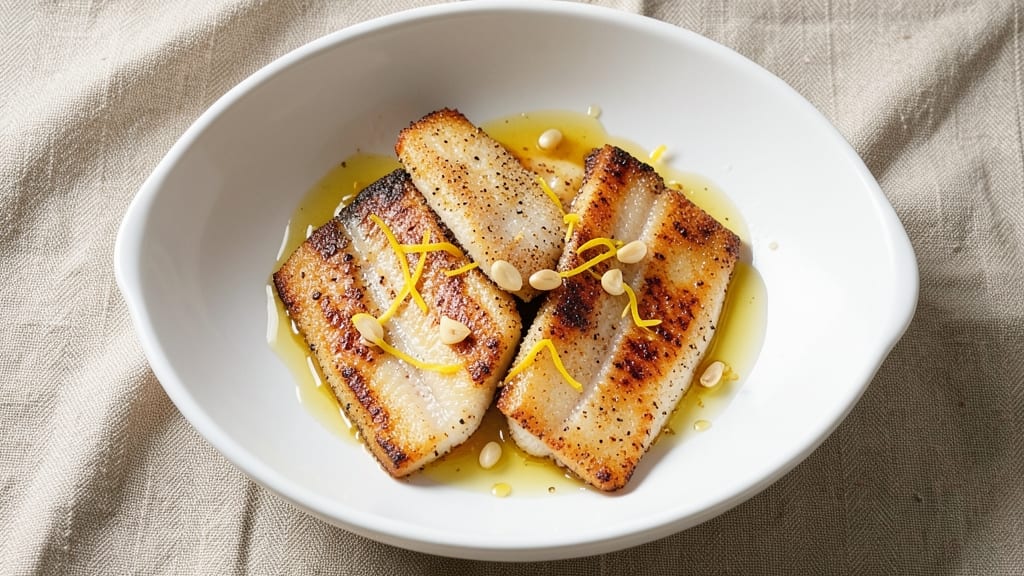
This baked fluke recipe transforms delicate white fish into a restaurant-worthy centerpiece with a crispy cornmeal crust and bright lemon butter sauce. The secret lies in proper brining and precise baking—two techniques that elevate simple ingredients into something extraordinary.
I developed this method after years of testing, ensuring every bite delivers that perfect balance of crunchy exterior and tender, flaky interior.
The preparation begins with a 30-minute brine that keeps the fish moist, followed by a buttery cornmeal crust that creates irresistible texture.
While the fluke bakes at 400°F for just 12 minutes, the oven transforms into a fragrant kitchen filled with the aroma of garlic, lemon, and toasted cornmeal—proof that professional results start with precise timing and technique.
What you'll achieve is a golden-brown fillet with a crispy cornmeal crust that shatters slightly when cut, revealing tender white fish beneath. The zesty lemon butter sauce ties everything together, cutting through the richness while adding a bright, herby finish that makes each bite unforgettable.
This is the kind of dish that turns weeknight dinners into memorable meals.
The presentation matters just as much as the cooking. Serve the fillet whole on a bed of steamed greens or sliced into portions with a sprinkle of fresh parsley.
The cornmeal crust holds up beautifully, making it perfect for sharing or plating as the centerpiece of any meal. Let's create this showstopper together.
Ingredients for baked fluke
Four delicate fillets and twelve simple ingredients transform into a restaurant-quality centerpiece.
| Ingredient | Amount | Notes |
|---|---|---|
| Fluke Fillets 🐟 | 4 whole | Skin-on, 6-8 oz each |
| Fine Cornmeal 🌽 | ½ cup | Stone-ground preferred |
| Unsalted Butter 🧈 | ½ cup | Cold, cubed for crust |
| Lemon Zest 🍋 | 1 tbsp | From 1 large organic lemon |
| Fresh Lemon Juice 🍋 | ¼ cup | Strained, no pulp |
| Garlic Cloves 🧄 | 4 cloves | Thinly sliced, not minced |
| Fresh Flat-Leaf Parsley 🌿 | ¼ cup | Chopped, for garnish |
| Diamond Crystal Kosher Salt 🧂 | 1 tbsp | For brining |
| Granulated Sugar 🍯 | 1 tbsp | For brine balance |
| Ice Water 💧 | 4 cups | For brine preparation |
| Extra-Virgin Olive Oil 🫒 | 2 tbsp | For sauce finishing |
| Heavy Cream 🥛 | ¼ cup | For sauce richness |
| Black Peppercorns 🌶️ | ½ tsp | Freshly cracked |
| Fresh Thyme Leaves 🌿 | ¼ tsp | From 1 sprig |
The fluke selection is critical—look for firm, translucent fillets with minimal bruising. Whole Foods seafood counter or your local fishmonger are ideal for sourcing; ask for fluke with skin intact, as it helps maintain shape during baking. The cornmeal should be stone-ground and fine-textured—Bob's Red Mill is a reliable brand. For the butter, opt for European-style unsalted butter like Plugrá or Kerrygold—the higher fat content delivers superior crust texture. Fresh lemons are non-negotiable; their zest and juice provide the bright acidity that balances the richness. Store your fish in the coldest part of the fridge, and use within 48 hours of purchase for optimal texture.
No kosher salt? Substitute with 1.5 tsp table salt, but adjust the brine time to 20 minutes instead of 30. Running short on cornmeal? Fine yellow cornmeal or panko breadcrumbs work in a pinch, though texture will differ slightly. The lemon juice can be substituted with white wine vinegar at half the amount, but the flavor profile will shift. For the garlic, garlic powder at half the volume is acceptable, though fresh sliced garlic delivers superior aroma. The thyme leaves can be swapped for 1/4 tsp dried thyme, but fresh is preferred for its delicate floral notes. If you're using pre-sliced garlic from a jar, rinse and pat dry thoroughly to remove excess moisture that can steam the crust during baking.
The brined fish should be used immediately after preparation to maintain moisture. Store any leftover cornmeal in an airtight container in a cool, dark place for up to 6 months. The lemon zest and fresh herbs should be refrigerated in separate containers, wrapped in damp paper towels, and used within 3-4 days for optimal freshness. The butter should remain cold until ready to use—if it softens, chill it for 15 minutes before forming the crust. This recipe yields one fillet per serving, perfect for plating as a centerpiece. The leftovers, if any, reheat beautifully in a 350°F oven for 8-10 minutes, covered with foil to retain moisture.
Why You'll Love This Recipe
- Five-Ingredient Magic: I swear by this—just fillets, cornmeal, butter, lemon, and time. No chopping, no fuss, no last-minute grocery runs. The cornmeal crust forms while you’re still slicing the lemon, and honestly? That’s the kind of recipe I can trust when I’m exhausted but still want something special.
- Crispy-Lemon Bliss: Between us, that first bite of golden crust with the tender fluke inside? Chef’s kiss. The lemon zest and juice cut through the richness, so it’s bright, buttery, and addictive without being heavy. I’ll be real: I’ve made this for guests who think seafood is “fancy,” and they’ve never asked for seconds so fast.
- Weeknight or Dinner Party: Same recipe, two vibes. Toss it on a sheet pan for a lazy Tuesday, or plate it with a drizzle of melted butter and fresh herbs for company. My daughter’s friends think it’s “restaurant food,” but it’s really just a 20-minute bake. (Yes, even on a Tuesday night.)
- Leftovers That Don’t Suck: Most baked fish turns to rubber the next day—not this. The cornmeal stays crispy, the lemon keeps it fresh, and I’ve reheated slices in a pan with butter for breakfast “tacos” (don’t judge). Plus, it’s cheaper than takeout, so my wallet thanks me too.
Step-by-step instructions for baked fluke with cornmeal crust
This method delivers melt-in-your-mouth fluke with a crisp cornmeal crust and bright citrus notes.
Prepare the Brine for Maximum Tenderness
In a large bowl, combine the 4 cups ice water, 1 tablespoon diamond crystal kosher salt, and 1 tablespoon granulated sugar until fully dissolved. The ice water prevents the fillets from cooking immediately while the salt and sugar penetrate the flesh for even seasoning. Submerge each of the 4 whole fluke fillets in the brine, ensuring they're fully covered. Let them soak for exactly 30 minutes at room temperature—no longer, or the texture will become mushy.
After brining, remove the fillets and pat them thoroughly dry with paper towels. This critical step removes surface moisture that would otherwise prevent the cornmeal crust from forming properly. Arrange the fillets skin-side down on a wire rack set over a baking sheet to maximize airflow during drying. Let them air-dry uncovered in the refrigerator for 15 minutes—this creates the ideal foundation for crust adhesion.
Create the Cornmeal Butter Crust
In a small bowl, combine the 0.5 cup fine cornmeal with 0.5 teaspoon freshly cracked black peppercorns and 0.25 teaspoon fresh thyme leaves. This dry mixture forms the textural backbone of our crust. In a separate medium bowl, melt the 0.5 cup unsalted butter until it reaches 160°F—just warm enough to soften but not brown. The butter should be fully liquid but not hot.
Remove the fluke fillets from the refrigerator and let them sit at room temperature for 5 minutes. Working quickly, brush each fillet generously with the melted butter, coating all surfaces. Immediately press the cornmeal mixture firmly onto both sides of each fillet, using your fingers to create an even, adherent layer. The butter acts as a binder that helps the cornmeal adhere while adding richness. Let the coated fillets rest for 10 minutes at room temperature while you preheat the oven to 400°F.
Bake to Perfect Doneness
Place the coated fillets on a parchment-lined baking sheet, skin-side down. Bake in the preheated oven for 12-14 minutes, until the edges of the cornmeal crust turn a deep golden brown and the internal temperature reaches 145°F at the thickest part of each fillet. Rotate the baking sheet halfway through cooking to ensure even browning. The crust should be crisp enough to resist gentle pressure but not so hard it cracks when you lift it.
Remove the fillets from the oven and let them rest for 5 minutes before serving. This resting period allows the juices to redistribute, preventing them from leaking out when you cut into the fish. During this time, prepare your sauce by combining the 0.25 cup fresh lemon juice, 1 tablespoon lemon zest, 2 tablespoons extra-virgin olive oil, and 0.25 cup heavy cream in a small saucepan. Simmer gently for 3-4 minutes until the sauce thickens slightly and emits a bright citrus aroma.
Assemble and Garnish
Drizzle the warm lemon butter sauce over each fillet, allowing it to pool in the center. The acidity of the lemon cuts through the richness of the butter and fish, creating a balanced flavor profile. Garnish each serving immediately with the 0.25 cup chopped fresh flat-leaf parsley and the 4 cloves thinly sliced garlic cloves arranged artistically around the plate. The parsley adds freshness while the garlic cloves contribute an aromatic finish.
Serve the fluke immediately while the crust remains crisp and the sauce is still warm. Each bite should deliver the satisfying contrast of a crunchy cornmeal crust giving way to tender, buttery fish beneath. The lemon butter sauce should coat the fish with a glossy sheen, and the bright citrus notes should complement rather than overpower the delicate flavor of the fluke.
Pro Tips For Making Baked Fluke
- PAT THE DRY: Fluke fillets release water like nobody’s business—especially if they’re fresh. Pat them thoroughly with paper towels before coating, or your cornmeal crust will turn to soup. I used to skip this, and my first batch ended up soggy instead of crisp.
- BUTTER ISN’T JUST FLAVOR: Cold butter on hot fish is your friend here. Dot the fillets with room-temperature butter (not melted) right before baking—it’ll sizzle and create a golden crust while keeping the inside tender. Melted butter? You’re just basting, not searing.
- DON’T SKIP THE ZEST: Lemon zest isn’t just garnish—it’s the thing that makes this dish sing. Use a microplane and scrape it directly onto the butter before it goes on the fillets. The oils cling better, and you’ll get that bright, citrusy punch without overpowering the fish.
- LOW AND SLOW WINS: Fluke cooks fast but needs patience—set your oven to 375°F (190°C), not 400°F. At higher heat, the outside crisps before the center finishes, and you end up with dry, overcooked edges. A meat thermometer at 130°F (54°C) is your best bet for perfect doneness.
Storing and reheating this baked fluke
Refrigerator Storage
Store any leftover baked fluke in an airtight container lined with parchment paper to preserve the crust's crispiness. I recommend using glass containers like Pyrex—they maintain temperature better than plastic and prevent moisture buildup.
Place the container in the coldest part of your fridge (usually the back of the bottom shelf) and consume within 2 days for optimal texture. The cornmeal crust will soften slightly but remains delicious when reheated properly. ❄️
Freezer Preservation
For longer storage, wrap each fillet tightly in plastic wrap followed by aluminum foil to prevent freezer burn. Place the wrapped fillets in a freezer-safe bag, squeezing out excess air before sealing. Label with the date and freeze for up to 2 months.
Thaw overnight in the refrigerator before reheating—never at room temperature to avoid bacterial growth. The crust may lose some crispness but still delivers great flavor. 🧊
Reheating Methods
For the best results, reheat in a 400°F oven for 8-10 minutes on a wire rack over a baking sheet. This method recaptures the crust's crispiness while gently warming the fish.
Alternatively, use the broiler on low for 3-4 minutes to crisp the cornmeal without overcooking. Avoid microwaving—it turns the crust soggy and makes the fish rubbery. 🔥
Sauce Refresh
Reheat the lemon butter sauce separately in a small saucepan over low heat for 2-3 minutes, adding 1 tablespoon water if it thickens too much. For extra brightness, add ½ teaspoon fresh lemon juice and a pinch of salt before serving.
The sauce should coat the back of a spoon but remain silky smooth. 🍋
Crust Revival
If your crust loses crispness during storage, sprinkle 1 tablespoon fine cornmeal on top before reheating. The extra cornmeal absorbs moisture and helps restore texture. For an extra crunch, broil for 1 minute after reheating—just watch closely to avoid burning.
This trick works especially well for leftovers that sat in the fridge overnight. 🌽
Serving Leftovers
Present reheated fluke on a fresh bed of steamed asparagus or sautéed spinach to elevate the dish. Drizzle with extra sauce and garnish with chopped parsley and thin lemon slices for a restaurant-quality finish.
I often serve leftovers with a side of garlic mashed potatoes to soak up any remaining sauce. The contrast of warm, creamy potatoes with crispy fish makes it feel like a brand-new meal. 🍽️
Nutrition facts
Frequently asked questions
What makes fluke different from other white fish?
Fluke has a firmer, slightly sweeter flavor than cod or haddock, with a delicate buttery texture that holds up beautifully to baking. Unlike flaky fish, its firmness makes it perfect for crusts like cornmeal without falling apart. The skin stays intact during cooking, adding structure to the dish.
Can I substitute cornmeal with another crust?
For a gluten-free option, use crushed pork rinds or almond flour instead. For extra crispiness, try panko breadcrumbs mixed with cornstarch. Just reduce the butter slightly since these alternatives absorb differently. The crust should still adhere well with proper drying.
Why is brining important for this recipe?
The 30-minute brine prevents the fish from drying out during baking and enhances flavor. The salt and sugar solution creates a moisture barrier while infusing the fillets with subtle sweetness. Skipping it risks a dry, flavorless result—especially important for delicate fish like fluke.
How do I know when the fluke is fully cooked?
Use a meat thermometer to check the thickest part—it should reach 145°F. The edges will turn golden brown, and the crust should be crisp but not burnt. Overcooking by even 1 minute can make the fish rubbery, so stay vigilant during the last 2 minutes of baking.
What sides pair best with this dish?
Light, acidic sides balance the richness: try lemony arugula salad, roasted Brussels sprouts, or herbed quinoa. For heartier meals, serve with crispy roasted potatoes or wild rice pilaf. The cornmeal crust's texture stands up to both delicate and robust accompaniments.