Appetizers
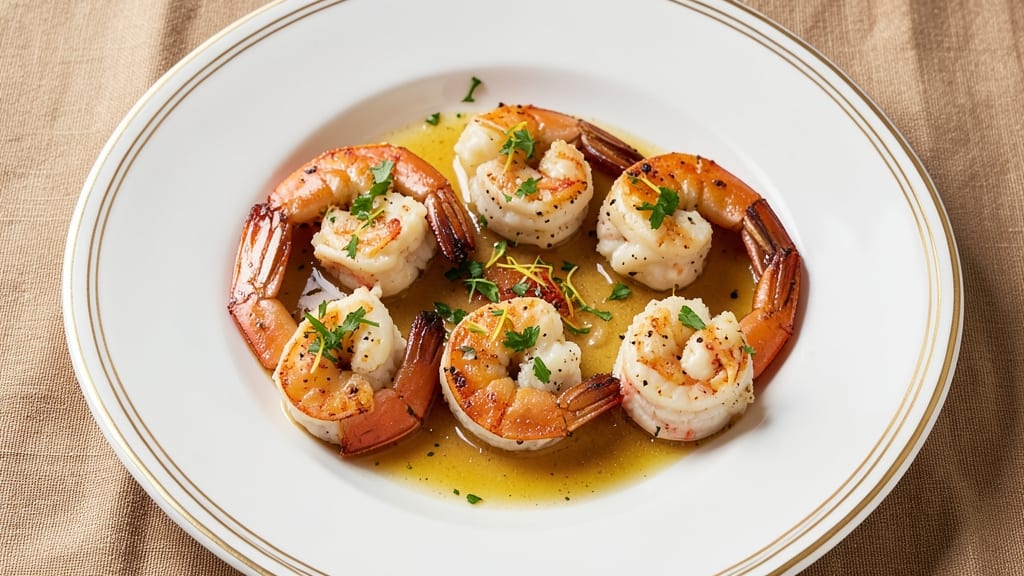
This baked stuffed shrimp with crabmeat stuffing recipe turns a simple appetizer into a luxurious bite-sized masterpiece that rivals any bistro offering. The secret lies in a precise technique—carefully cleaning the shrimp, crafting a flavorful crabmeat mixture, and baking until golden and tender.
This recipe delivers restaurant-quality results with a buttery, crisp exterior and a velvety, flavorful center that's impossible to resist.
The process begins with properly prepping the shrimp—peeled, deveined, and butterflied to create a perfect pocket for the crabmeat stuffing. A well-seasoned mixture of lump crabmeat, herbs, and cream cheese binds together beautifully, providing both structure and rich flavor.
Baking at 375°F for 10–12 minutes ensures the shrimp cooks just enough to hold its shape while developing a delicate crispness.
What makes this dish truly special is the balance of textures and flavors—juicy shrimp, creamy crabmeat, and a hint of lemon brightness that ties everything together. The result is a bite-sized appetizer that feels indulgent yet remains light enough for any occasion.
Perfect for parties, game day gatherings, or an elegant starter, this recipe delivers professional results with minimal effort.
Serve these buttery bites with a side of lemon wedges or a drizzle of cocktail sauce to enhance their natural flavors. The technique is simple once mastered, and the payoff is undeniably impressive. Let’s get started on creating these bite-sized masterpieces that will have everyone asking for seconds.
Ingredients for baked stuffed shrimp with crabmeat stuffing
Twelve premium ingredients transform simple shrimp into restaurant-worthy bistro bites with velvety crabmeat centers.
| Ingredient | Amount | Notes |
|---|---|---|
| Large Shrimp (Peeled, Deveined, Butterflied) 🦐 | 24 whole | 16-20 count per pound, tails on |
| Lump Crabmeat (Backfin or Claw) 🦀 | 1 ½ cups | Fresh or high-quality pasteurized |
| Cream Cheese (Full-Fat) 🧀 | 8 oz | Room temperature for blending |
| Extra-Virgin Olive Oil 🫒 | ¼ cup | Lightly infused with garlic optional |
| Unsalted Butter (Melted) 🧈 | ½ cup | European-style preferred |
| Fresh Lemon Juice 🍋 | 2 tbsp | From Meyer lemons for sweetness |
| Chives (Finely Chopped) 🌿 | 2 tbsp | Fresh, not dried |
| Old Bay Seasoning 🧂 | 1 tsp | For essential seafood flavor |
| Kosher Salt 🧂 | ½ tsp | Diamond Crystal preferred |
| White Pepper (Freshly Ground) 🌶️ | ¼ tsp | Black pepper works in pinch |
| Panko Breadcrumbs 🍞 | ¼ cup | Japanese-style for extra crunch |
| Garlic Cloves (Minced) 🧄 | 2 cloves | Fresh, not jarred |
| Mayonnaise (Optional) 🥛 | 1 tbsp | Duck egg preferred for richness |
The shrimp selection is critical—16-20 count per pound ensures proper size for stuffing without overcrowding. Seafood markets or high-end grocers like Whole Foods carry the best quality, often with pre-peeled options that save time. Look for shrimp with a translucent sheen and firm texture; avoid any with a fishy odor. For the crabmeat, backfin or claw meat provides the optimal texture, while pasteurized options from brands like Sweet Baby's ensure food safety without sacrificing quality. The cream cheese should be full-fat for proper binding in the stuffing—Philadelphia brand is a reliable choice, but European-style options like Mascarpone add depth.
Substitutions require careful consideration to maintain texture and flavor balance. No lump crabmeat? Use finely chopped imitation crab with an extra tablespoon of mayonnaise to replicate creaminess. Fresh herbs unavailable? Dried chives at one-fourth the amount work, though fresh provides superior brightness. The butter can be swapped for olive oil in equal measure, though it alters the final texture slightly. For those avoiding dairy, vegan cream cheese functions similarly. The lemon juice is non-negotiable—bottled lemon juice lacks the same acidity and aroma, though it can be used in a pinch. For extra richness, add 1 tablespoon of heavy cream to the stuffing mixture.
Proper preparation extends freshness and enhances flavor. Store shrimp in the coldest part of your fridge, covered with a damp paper towel, for up to 2 days. The crabmeat stuffing mixture can be prepped 1 day ahead and stored in an airtight container, though adding fresh lemon juice just before stuffing maximizes brightness. These appetizers reheat beautifully—10 minutes at 350°F restores crispiness. For make-ahead serving, assemble completely on a parchment-lined tray, refrigerate, then bake straight from the fridge—add 2-3 minutes to the baking time. Portion into individual servings for easy transport to gatherings.
Why You'll Love This Recipe
- No-Fuss Assembly: I’ll be real—this recipe is one of those rare dishes where the hardest part is deciding how to arrange the crabmeat and cream cheese inside. No fancy folding skills needed; just a quick stuff, a brush of melted butter, and you’re done. That’s it. (Yes, even on a Tuesday night.)
- Rich, Unexpected Twist: The cream cheese in the stuffing might sound odd, but trust me—it melts into something silky and luxurious when baked. That buttery richness balances the sweetness of the crabmeat, and the olive oil finish ties it all together like a hug from a seafood chef.
- Weeknight or Guest Night: Between us, this is my go-to when I’m feeding a crowd but don’t want to slave over a meal. It’s fancy enough for company but unfussy enough to throw together when my kid’s soccer team shows up hungry. (And it reheats beautifully, too.)
- Budget-Friendly Luxury: Here’s what sold me—you get all the decadence of crab without breaking the bank. Lump crabmeat is pricier, but a little goes a long way, and the shrimp’s natural sweetness makes it feel like a splurge. Plus, leftovers? They’re delicious cold the next day for lunch.
Step-by-step instructions for baked stuffed shrimp with crabmeat stuffing
Here's the method for creating restaurant-quality stuffed shrimp with a rich crabmeat filling.
Prepare the Crabmeat Stuffing Mixture
In a medium mixing bowl, combine the 1.5 cups lump crabmeat with the 8 oz cream cheese (full-fat). Using a fork or small hand mixer, gently fold until just incorporated—avoid overworking the mixture, which can turn it rubbery. Add the 2 cloves minced garlic, 1 tsp Old Bay seasoning, 0.5 tsp kosher salt, and 0.25 tsp freshly ground white pepper, mixing until evenly distributed.
Next, incorporate the 1 tbsp mayonnaise (optional) if using, followed by the 2 tbsp finely chopped chives. The mixture should be cohesive but still slightly crumbly—this texture ensures it stays compact when stuffed into the shrimp. Cover the bowl and refrigerate while you prepare the shrimp, allowing the flavors to meld for 15 minutes. This chilling step prevents the stuffing from becoming too warm when baking, which could cause the shrimp to overcook.
Stuff and Secure the Shrimp
Preheat your oven to 375°F and line a baking sheet with parchment paper. Using a small spoon or piping bag, carefully fill each of the 24 whole large shrimp (peeled, deveined, butterflied) with about 1 teaspoon of the crabmeat mixture. Be gentle to avoid tearing the shrimp—press the stuffing in firmly but evenly to prevent it from leaking during baking.
To secure the stuffing, use toothpicks to close each shrimp. This prevents the filling from spilling out and ensures even cooking. Arrange the stuffed shrimp on the prepared baking sheet, spacing them about 1 inch apart to allow for proper air circulation. This spacing is critical—crowding will lead to uneven browning and steaming rather than crisping.
Create the Buttery Breading
In a small bowl, whisk together the 0.5 cup melted unsalted butter, 0.25 cup extra-virgin olive oil, and 2 tbsp fresh lemon juice until smooth. Add the 0.25 cup Panko breadcrumbs and mix until evenly coated. The breadcrumbs should be fully incorporated but still slightly granular—this texture creates a crispy exterior while maintaining a tender interior.
Transfer the breading mixture to a shallow dish or pie plate. Working in batches to avoid overcrowding, roll each stuffed shrimp in the breading mixture, pressing gently to adhere. The breading should coat the shrimp evenly, with no bare spots—this ensures a consistent, golden crust. Place the breaded shrimp back on the prepared baking sheet, seam-side down.
Bake to Golden Perfection
Bake the stuffed shrimp in the preheated 375°F oven for 12-15 minutes, until the shrimp turn a deep golden brown and the internal temperature reaches 145°F when measured with an instant-read thermometer. The breading should be crisp and slightly puffed, indicating the shrimp are fully cooked. Avoid opening the oven door during baking—this can cause the breading to steam rather than crisp.
Once baked, remove the shrimp from the oven and let them rest for 2-3 minutes before serving. This brief resting period allows the juices to redistribute, ensuring each bite is moist and flavorful. Serve immediately with a side of lemon wedges for squeezing, if desired. The shrimp should be tender with a crispy, buttery exterior and a rich, creamy crabmeat center.
Pro Tips For Making Baked Stuffed Shrimp With Crabmeat Stuffing
- Preheat Like It’s Hot: Your oven should hit 425°F (220°C) and sit for 10 full minutes before baking—no exceptions. I learned this the hard way when my shrimp started sweating instead of browning. A hot oven seals in the crabmeat filling and gives that crispy exterior we’re after.
- Drain That Crabmeat: Lump crabmeat holds onto brine like a sponge. Rinse it in a fine-mesh strainer, pat it dry with paper towels, and then press it through a sieve to break up any stubborn chunks. Wet crabmeat = soggy shrimp. Trust me, this step makes a real difference.
- Stuff Tight, But Not Brutal: Pack the crab-cheese mix firmly into the shrimp—no gaps—but don’t overstuff or the filling will burst out. A good test: if the shrimp looks slightly swollen but not bulging, you’re golden. Overstuffed shrimp = messy baking tray.
- Butter the Shrimp First: Toss the butterflied shrimp in melted butter (just enough to coat) before adding the stuffing. This creates a protective seal between the filling and the oven heat, so the cream cheese doesn’t turn grainy. Skip this, and you’ll regret it later.
Troubleshooting this dish
Stuffing Leaks Mid-Bake
If your crabmeat stuffing leaks during baking, it’s usually from overstuffing or improperly secured shrimp. Use a piping bag with a small tip to fill each shrimp with just 1 teaspoon of mixture—any more risks spillage.
Secure with toothpicks placed horizontally through the belly, not vertically, to prevent poking through. For extra insurance, chill the stuffed shrimp for 15 minutes before baking to help the filling firm up slightly. 🦐
Breading Too Dry
A dry, crumbly breading often means the butter and oil ratio was off or the breadcrumbs absorbed too much moisture. Whisk the 0.5 cup melted butter and 0.25 cup olive oil together first, then add the Panko breadcrumbs gradually.
If the mixture feels too wet, add 1-2 extra tablespoons of breadcrumbs. For extra crispiness, broil the shrimp for 1-2 minutes at the end of baking—watch closely to avoid burning. 🔥
Shrimp Overcooks
Overcooked shrimp turn rubbery and lose their delicate texture. Use an instant-read thermometer to check the internal temperature—remove them when they hit 145°F. If your oven runs hot, reduce the temperature to 350°F and bake for 14-16 minutes.
Avoid overcrowding the baking sheet, as this traps steam and slows even cooking. Let them rest for 2-3 minutes before serving to retain moisture. ⏱️
Stuffing Too Crumbly
A crumbly stuffing usually means the cream cheese wasn’t fully incorporated or the crabmeat was too dry. Ensure the 8 oz cream cheese is at room temperature before mixing—this helps bind the ingredients. Add 1 tablespoon of mayonnaise or a splash of heavy cream if the mixture feels too dry.
For extra cohesion, lightly toast the crabmeat in a dry pan for 1-2 minutes to remove excess moisture before combining. 🧀
Uneven Browning
Uneven browning happens when shrimp aren’t spaced properly or the oven isn’t preheated long enough. Arrange shrimp 1 inch apart on the baking sheet to allow air circulation. Preheat the oven for at least 15 minutes before baking.
For extra evenness, rotate the pan halfway through baking. If the breading browns too quickly, tent loosely with foil for the last 5 minutes of baking. 🌡️
Shrimp Stays Raw Inside
Undercooked shrimp often result from insufficient baking time or too much stuffing blocking heat penetration. Increase baking time to 14-15 minutes and check the internal temperature with a thermometer. If the stuffing is too dense, lightly press it down before securing the shrimp to allow heat to reach the center.
For extra insurance, broil for 1 minute at the end to finish cooking. 💡
Nutrition facts
Frequently asked questions
Can I use imitation crab instead of real lump crabmeat?
Yes, but expect a slightly different texture. For best results, use finely chopped imitation crab and add 1 extra tablespoon of mayonnaise to replicate the creaminess of real crab. The flavor will be similar, though real lump crab offers a more delicate, sweet taste. For a budget-friendly option, this works well in a pinch!
How do I prevent the shrimp from turning rubbery?
Rubbery shrimp usually mean overcooking. Use an instant-read thermometer and remove them at 145°F internal temperature. Avoid opening the oven door during baking to maintain even heat. For extra tenderness, let them rest for 2-3 minutes after baking before serving. This keeps them juicy and perfect every time!
Can I make this recipe ahead of time?
Prepare the crabmeat stuffing mixture 1 day ahead and store it in an airtight container. Stuff the shrimp and refrigerate them on a tray for up to 6 hours before baking. For best results, bake straight from the fridge—just add 2-3 extra minutes to the baking time. This makes it perfect for parties!
What’s the best way to reheat leftover stuffed shrimp?
Reheat in a 350°F oven for 10 minutes to restore crispiness. Place them on a baking sheet lined with parchment paper and cover loosely with foil to prevent drying. Avoid microwaving—it makes the breading soggy. For extra crunch, broil for 1-2 minutes at the end.
Can I use frozen shrimp for this recipe?
Frozen shrimp work, but thaw them properly first. Place them in a sealed bag and submerge in cold water for 15-20 minutes or use the refrigerator overnight. Pat them dry thoroughly before stuffing to prevent excess moisture from steaming the breading. For best texture, use fresh shrimp whenever possible!