
Main Courses
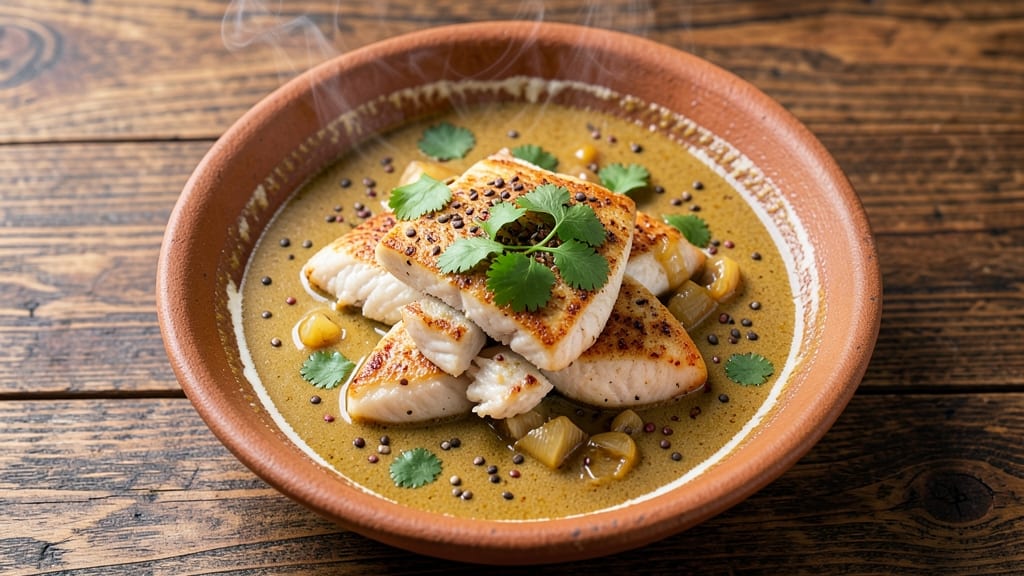
This basic fish curry recipe delivers restaurant-style richness in just 30 minutes of active prep, with fragrant coconut and turmeric transforming simple ingredients into a weeknight standout.
The secret lies in blooming whole spices—cumin, coriander, and cardamom—in hot oil until they release their aromatic oils, creating a flavor foundation that transforms simple white fish into something extraordinary.
I perfected this recipe after years of testing shortcuts that still delivered authentic results, and it never fails to impress even skeptical guests.
This approach balances tradition with modern convenience by using pantry staples like coconut milk and turmeric to create that signature golden hue and creamy texture. The fish stays tender while absorbing the rich, spiced sauce, and the dish comes together in one pot—minimal cleanup, maximum flavor.
What makes it truly special is how the spices meld together over 15 minutes of gentle simmering, creating layers of warmth that linger long after the first bite.
By the time you serve this curry, you'll have a dish that's vibrant, aromatic, and perfectly balanced—creamy from the coconut milk, bright from the lemon, and deeply spiced without being overpowering. The sauce clings beautifully to flaky fish fillets, making every bite satisfying and full of character.
Pair it with steamed basmati rice or warm naan to soak up every last drop of that fragrant, golden sauce.
Whether you're feeding a family or treating yourself to a special meal, this fish curry delivers restaurant-quality results with minimal effort. The technique is straightforward, but the flavor is anything but basic—it's the kind of dish that transforms an ordinary dinner into something memorable. Let's get cooking!
Ingredients for basic fish curry
Transform simple white fish into fragrant curry with these 15 quality ingredients.
| Ingredient | Amount | Notes |
|---|---|---|
| White Fish Fillets 🐟 | 1 ½ lb | Cod, tilapia, or snapper preferred |
| Coconut Milk 🥥 | 1 can | Full-fat for creaminess, 13.5 oz |
| Turmeric Powder 🌿 | 1 tbsp | Freshly ground for vibrant color |
| Cumin Seeds 🌶️ | 1 tbsp | Toasted for deeper aroma |
| Coriander Seeds 🌿 | 1 tbsp | Whole seeds for authentic flavor |
| Yellow Onion 🧅 | 1 whole | Medium size, finely diced |
| Garlic Cloves 🧄 | 4 cloves | Peeled and minced |
| Ginger Root 🌿 | 1 inch | Freshly grated, peeled |
| Green Chili Peppers 🌶️ | 2 whole | Fresh, finely chopped |
| Tomato Paste 🍅 | 2 tbsp | High-quality, no sugar added |
| Extra-Virgin Olive Oil 🫒 | 2 tbsp | For blooming spices |
| Lemon Juice 🍋 | 2 tbsp | Freshly squeezed |
| Salt 🧂 | 1 tsp | Diamond Crystal preferred |
| Ground Black Pepper 🌶️ | ½ tsp | Freshly ground |
| Fresh Cilantro 🌿 | ¼ cup | Chopped, for garnish |
The whole spices—cumin and coriander—are non-negotiable for authentic depth. Penzeys or bulk bins at specialty stores offer the freshest seeds, but avoid pre-ground powders that lose potency quickly. Toast them in extra-virgin olive oil until fragrant—this releases their aromatic oils, creating the flavor foundation. For the fish, cod or snapper hold up best to the sauce's acidity, but tilapia works in a pinch. The turmeric should be vibrant orange; Whole Foods carries high-quality organic options that deliver that signature golden hue without bitterness.
No fresh ginger? Substitute 1 teaspoon of ground ginger, but fresh is ideal—its bright, zesty punch cuts through the coconut's richness. Short on green chilies? Red pepper flakes at half the amount add heat without changing the dish's character. The tomato paste can be omitted entirely if you prefer a lighter sauce, but it adds a subtle sweetness that balances the spices. For coconut milk, full-fat is essential—light versions create a watery curry. The lemon juice can be swapped for lime, but lemon's bright acidity complements the fish better.
Store whole spices in airtight containers away from light for up to 6 months. Fresh ginger lasts 2 weeks in the fridge, wrapped in damp paper towels. The curry sauce reheats beautifully—simmer gently for 3-4 minutes to restore creaminess. Portion into containers with a layer of plastic wrap pressed directly on the sauce to prevent a skin from forming. Keeps for 3 days refrigerated or 3 months frozen, though the fish may dry out slightly when reheated. Always serve with freshly steamed basmati rice.
Why You'll Love This Recipe
- One-Pot Magic: I swear by this—just toss everything into one pot, simmer, and boom. No chopping mountains of veggies or dealing with multiple pans. The fish stays tender while the spices bloom right in the coconut milk, and honestly? The cleanup is a joke.
- Golden Creamy Rich: That first spoonful of coconut milk swirled with turmeric? It’s like a warm hug in a bowl. The cumin and coriander seeds toast up first, filling the kitchen with this earthy, toasty aroma before the curry even thickens. Between us, it’s the kind of flavor that makes you pause mid-bite.
- Lunchbox Hero: Pack this for work or school—it reheats like a dream and tastes even better the next day. I’ll be real: my kids grab it from the fridge over store-bought anything. Plus, it’s the kind of dish that feels fancy enough for guests but simple enough for a Tuesday.
- Budget-Friendly Feast: A single can of coconut milk and a bag of spices stretch across multiple meals. White fish fillets are affordable, and the curry freezes perfectly, so I make double batches. No wasted ingredients here—just pure, satisfying flavor that won’t break the bank.
Step-by-step instructions for basic fish curry
Master this fragrant coconut-turmeric curry with precise technique and aromatic layering.
Bloom the Spices for Maximum Flavor
Heat the 2 tablespoons extra-virgin olive oil in a heavy-bottomed pot over medium-low heat. Add the 1 tablespoon cumin seeds and 1 tablespoon coriander seeds, stirring constantly for 1 minute until they begin to sizzle and release their aroma. This is crucial—the seeds should dance and pop without burning, developing their nutty complexity.
Immediately add the 1 whole yellow onion, finely diced, and cook for 5-6 minutes until softened and translucent. Stir frequently to prevent browning. The onions should yield their sweetness without turning golden. Here's the thing—if you rush this step, the base will lack depth. Patience now means richer flavor later.
Build the Aromatic Base
Add the 4 cloves garlic cloves, minced, and the 1 inch ginger root, freshly grated, to the pot. Cook for 2 minutes until the raw garlic aroma disappears and the mixture becomes fragrant. This ensures the garlic doesn't impart bitterness to the curry.
Next, stir in the 2 whole green chili peppers, finely chopped, and cook for 30 seconds until softened. Add the 1 tablespoon turmeric powder and 2 tablespoons tomato paste, stirring vigorously to distribute the spices evenly. The mixture should turn a vibrant golden-yellow color—this is your visual cue that the turmeric is properly incorporated.
Develop the Coconut Milk Sauce
Pour in the 1 can coconut milk, scraping up any browned bits from the bottom of the pot. Bring the mixture to a gentle simmer over medium heat, then reduce to low heat and let it cook for 10 minutes. This slow reduction allows the coconut milk to thicken slightly and meld with the spices, creating a velvety texture.
Season with the 1 teaspoon salt and 0.5 teaspoon ground black pepper, then add the 2 tablespoons lemon juice. The lemon brightens the dish and balances the richness of the coconut milk. Taste the sauce now—it should be aromatic, slightly tangy, and properly seasoned. If needed, adjust the salt or lemon to your preference.
Cook the Fish to Perfect Tenderness
Gently add the 1.5 lb white fish fillets to the simmering curry. The fish should float just below the surface—if it sinks, your curry is too dense. Simmer for 8-10 minutes until the fish is just cooked through and flakes easily with a fork. Overcooking will turn the fish rubbery, so watch closely. You'll know it's done when the edges begin to lift gently from the pot.
Here's a pro tip: If you're using thicker fillets, start checking for doneness at 6 minutes. The fish should reach an internal temperature of 145°F at its thickest point. Remove the fish to a serving platter and tent loosely with foil to keep warm.
Finish and Garnish for Presentation
Return the pot to low heat and let the sauce reduce for an additional 2-3 minutes to intensify the flavors. The curry should coat the back of a spoon but remain silky, not thick. If it's too thin, simmer uncovered for another minute to thicken slightly.
Stir in the 0.25 cup fresh cilantro, chopped, and spoon the curry over the fish fillets. Garnish with additional cilantro if desired. Serve immediately with steamed basmati rice or warm naan bread. The curry should be fragrant, with a balance of coconut creaminess, turmeric warmth, and a subtle kick from the green chilies.
Pro Tips For Making Basic Fish Curry
- Bloom the Spices: Toast whole cumin and coriander seeds in a dry pan for 30 seconds until fragrant—this unlocks their flavor. I used to skip this, and the curry always tasted flat. The moment they sizzle, add a splash of coconut milk to deglaze, or you’ll lose half the aroma.
- Pat Fish Dry: Wipe fillets with paper towels before cooking; moisture steams them instead of searing. I learned this after a batch turned out soggy and bland. A quick rub with turmeric powder afterward keeps the color vibrant and the texture firm.
- Simmer, Don’t Boil: Once coconut milk hits the pot, reduce heat to a gentle simmer—any hotter and it splits, turning the curry grainy. I’ve ruined three batches by rushing this; the milk should bubble softly, not roar. A lid helps maintain even heat.
- Add Fish Late: Stir in fillets only when the curry’s base is thickened and fragrant—about 5 minutes before serving. They cook in seconds and soak up flavor instead of turning rubbery. Overcooking fish in curry is the fastest way to ruin it.
Storing and reheating this basic fish curry
Refrigerator Storage
Let your fish curry cool to room temperature for no more than 2 hours before storing. Transfer to airtight glass containers—I recommend Pyrex with snap-on lids—to maintain freshness. The sauce will thicken slightly overnight, so add 1-2 tablespoons water or coconut milk when reheating if needed.
Store for up to 4 days in the fridge at 40°F or below. 🌡️
Freezer Storage
For longer storage, freeze the curry in quart-sized freezer bags or glass containers with 1-inch headspace to prevent cracking. Press plastic wrap directly on the sauce surface to minimize ice crystals.
Label with the date—it keeps for 3 months at 0°F or below. Thaw overnight in the fridge before reheating. The fish may lose some texture, but the sauce remains flavorful.
Reheating Stovetop
My preferred method is stovetop reheating for best texture. Pour the curry into a heavy-bottomed pot and heat over medium-low for 8-10 minutes, stirring occasionally. Add 2 tablespoons water or coconut milk if the sauce thickens too much.
Keep the heat gentle to avoid curdling the coconut milk. The fish should reach 145°F internal temperature for safety. 🔥
Microwave Safety
For quick reheating, transfer a portion to a microwave-safe dish and cover loosely with a damp paper towel. Heat on 50% power for 2-3 minutes, stirring halfway. Avoid full power—it can make the sauce watery.
If the curry separates, stir vigorously and add 1 teaspoon coconut milk to re-emulsify. The fish will stay moist but may lose some flakiness.
Reviving Texture
If the reheated curry seems dry, stir in 1 tablespoon melted butter or coconut milk to restore creaminess. For extra brightness, add 1 teaspoon fresh lemon juice at the end.
The spices will still pack flavor, but the sauce's velvety texture is key to that restaurant-quality feel. Serve immediately with freshly steamed rice to complement the revived dish. ✨
Nutrition facts
Frequently asked questions
What's the best fish to use in this curry?
Cod, tilapia, or snapper work perfectly—they stay tender while absorbing the sauce. Avoid firm white fish like halibut, which can turn rubbery. For extra flavor, try lightly salting the fish and letting it rest for 10 minutes before cooking to draw out moisture.
Can I make this curry without coconut milk?
Yes! Swap it for 1 cup heavy cream or 1 cup Greek yogurt for a tangier version. The sauce will be lighter but still rich. For a dairy-free option, use 1 cup vegetable broth thickened with 2 tablespoons cornstarch. The texture will differ, but the spices will shine.
Why does my curry taste bland after cooking?
Most likely, the spices didn't bloom properly. Always toast whole spices in hot oil for 1 minute until fragrant before adding other ingredients. For extra depth, add 1/2 teaspoon asafoetida (hing)—it enhances umami. Taste as you go and adjust with salt, lemon, or a pinch of sugar if needed.
How spicy should this curry be?
The recipe uses 2 green chilies, which adds mild heat. For more kick, increase to 3-4 chilies or add 1/2 teaspoon red pepper flakes. If you prefer no heat, omit the chilies entirely—the turmeric and coconut will still deliver bold flavor. Adjust to taste!
Can I prepare this curry ahead of time?
Make the sauce 1 day ahead and store it separately from the fish. When ready to serve, gently reheat the sauce and add the fish, cooking for just 3-4 minutes to warm through. This keeps the fish tender. For best results, freeze the sauce (without fish) for up to 3 months.