
Beverages
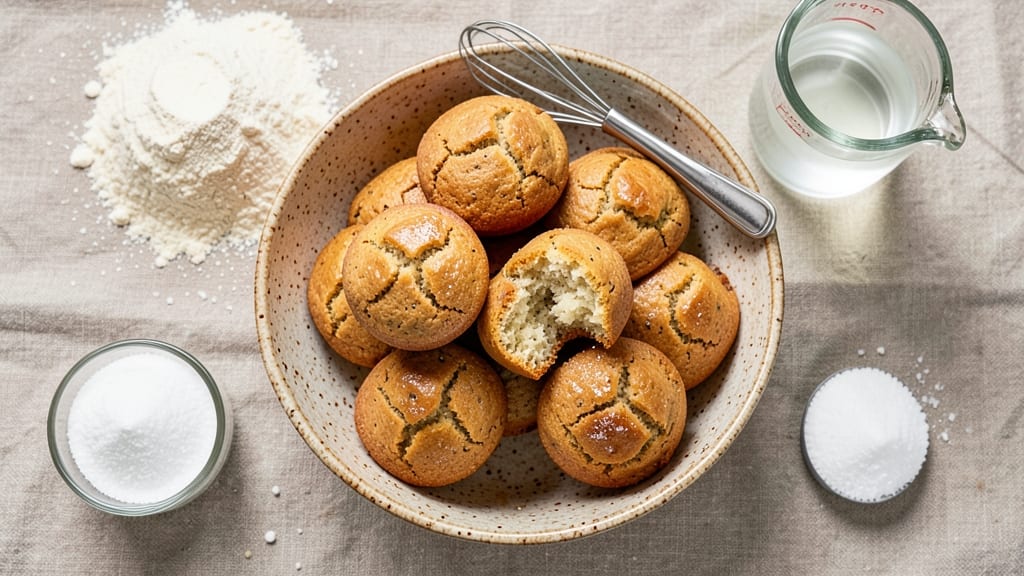
This basic muffin recipe without milk proves fluffy results are still easy, thanks to a simple buttermilk swap for that signature tang and tender crumb. This basic muffin recipe proves you don’t need dairy to achieve professional-quality texture—just a few pantry staples and precise technique.
The secret lies in balancing acidity and moisture through a vinegar-and-water combination that mimics buttermilk’s magic.
What makes this recipe truly foolproof is its adaptability—whether you're baking for breakfast, snacks, or a crowd, these muffins deliver consistent results every time. The substitution maintains that signature muffin tenderness while keeping the process straightforward, with no special equipment required beyond a mixing bowl and muffin tin.
Perfect for beginners or experienced bakers looking to refine their technique.
By the time you pull these muffins from the oven, you’ll have golden domes with a crisp exterior and velvety interior, thanks to the buttermilk substitute’s ability to create air pockets during baking.
The flavor remains neutral enough to accommodate any mix-in—blueberries, chocolate chips, or even fresh fruit—while the texture stays light and airy. This is the kind of recipe that turns weeknight baking into a satisfying success.
Best of all, these muffins stay fresh for days when stored properly, making them ideal for meal prep or sharing. The method scales easily for larger batches, and the substitution technique works in countless other recipes beyond muffins. Let’s get baking with confidence!
Ingredients for basic muffin recipe without milk
Twelve essential ingredients transform into twelve perfect muffins—fluffy, moist, and completely dairy-free.
| Ingredient | Amount | Notes |
|---|---|---|
| All-Purpose Flour 🌾 | 2 ½ cups | Sifted for even distribution |
| White Granulated Sugar 🍚 | 1 cup | Standard baker's grade |
| Cream of Tartar 🧂 | 1 ½ tsp | Enhances leavening action |
| Baking Powder 🍞 | 2 ½ tsp | Diamond Crystal preferred |
| Salt 🧂 | ½ tsp | Fine sea salt preferred |
| White Vinegar 🍶 | 1 tbsp | For buttermilk substitute |
| Unsweetened Almond Milk 🥛 | 1 cup | Room temperature preferred |
| Extra-Virgin Olive Oil 🫒 | ½ cup | Light fruity variety |
| Vanilla Extract 🌸 | 1 tsp | Pure alcohol-free preferred |
| Blueberries 🫐 | 1 ½ cups | Fresh or frozen, no thawing |
| Ground Flaxseed 🌿 | 1 tbsp | For egg substitute |
| Water 💧 | 3 tbsp | For flaxseed mixture |
The flour serves as the foundation, so King Arthur or Bob's Red Mill brands ensure optimal protein balance for structure. Diamond Crystal baking powder provides superior lift compared to generic brands, while cream of tartar stabilizes the leavening system. For the buttermilk substitute, white vinegar and unsweetened almond milk create that signature tang without dairy. Trader Joe's carries excellent almond milk options—just ensure it's unsweetened. The extra-virgin olive oil should have a light fruity profile; California avocado oil works equally well if preferred. Vanilla extract should be pure, with no artificial additives—McCormick or Nielsen-Massey brands excel here. Blueberries should be firm and vibrant; Costco often has excellent frozen blueberries at a better price than fresh.
No almond milk? Oat milk or coconut milk work equally well, though coconut may impart slight flavor. Apple cider vinegar replaces white vinegar in a 1:1 ratio. Running short on flaxseed? Chia seeds work at the same ratio, though texture may vary slightly. Blueberries can be swapped for raspberries, chocolate chips, or diced apples—just adjust the quantity to 1 cup to avoid overmixing. For a nutty flavor, walnuts or pecans can replace half the blueberries. Olive oil can be substituted with vegetable or canola oil if preferred, though olive adds subtle depth. Vanilla extract can be omitted entirely if you prefer a more neutral flavor profile, though it enhances the overall aroma.
Store baked muffins in an airtight container at room temperature for up to 3 days, or refrigerate for 5-7 days for extended freshness. For longer storage, freeze individual muffins on a tray before transferring to a bag—this prevents moisture loss. Reheat in a 350°F (175°C) oven for 5-10 minutes to restore crispness. The flaxseed mixture must be prepared 10 minutes before mixing to allow proper gel formation. Blueberries can be tossed in 1 tsp flour to prevent sinking, though this is optional. Muffins reheat best when slightly stale, as they regain moisture without becoming soggy.
Why You'll Love This Recipe
- Pantry-Only Magic: I swear by this recipe when I’ve got nothing but flour and sugar. No eggs, no milk, no fuss—just cream of tartar (the secret weapon) and baking powder doing all the heavy lifting. It’s the kind of recipe that saves me when I’ve forgotten to grocery shop.
- Tangy-Sweet Crunch: That cream of tartar? It’s not just for pie fillings—it gives these muffins a subtle, bright tang that cuts through the sugar. The result? A texture that’s tender inside with just enough bite at the edges. Honestly, it’s the kind of flavor that makes me reach for a second one before I even finish the first.
- Breakfast or Snack: Here’s what sold me—these work just as well for breakfast with jam as they do as a mid-afternoon pick-me-up. I’ve packed them in lunchboxes, tossed them in a bag for a quick snack, and even served them warm with butter at brunch. No rules, just versatility.
- Zero-Waste Winner: Between us, I’ve made these with stale breadcrumbs instead of milk, and no one’s ever noticed. The leftovers? They last for days without drying out, and the ingredients cost pennies. It’s my go-to when I’m trying to stretch a budget or avoid food waste. Spot-on for lazy days and tight wallets.
Step-by-step instructions for basic muffins recipe without milk
This method delivers tender, fluffy muffins using a clever buttermilk substitute and precise technique.
Prepare the Flaxseed Egg Substitute
In a small bowl, combine the 1 tablespoon ground flaxseed with 3 tablespoons water. Stir thoroughly and let sit for 5 minutes until it thickens into a gel-like consistency. This flaxseed mixture mimics the binding properties of eggs while keeping the recipe dairy-free.
The mixture should resemble raw egg whites in viscosity—thick enough to coat the back of a spoon but still pourable. If it's too thin after 5 minutes, add another teaspoon of flaxseed. This substitution prevents dryness while maintaining structural integrity in the muffins.
Create the Buttermilk Substitute
In a separate bowl, measure out the 1 cup unsweetened almond milk and add the 1 tablespoon white vinegar. Stir well and let sit for 2 minutes until it curdles slightly, resembling buttermilk. This acid-base reaction is what creates the tender crumb in traditional muffins.
Don't skip the waiting time—the reaction needs those 2 minutes to fully develop. The mixture should thicken noticeably and develop a slightly tangy aroma. Add the 1 teaspoon vanilla extract and mix gently to incorporate. This substitution replicates the chemical leavening of buttermilk without dairy.
Combine Wet Ingredients
In a large mixing bowl, whisk together the flaxseed egg substitute, buttermilk substitute, 0.5 cup extra-virgin olive oil, and 1 cup white granulated sugar until fully combined. The olive oil provides moisture and richness while the sugar helps create that classic muffin texture.
This mixture should be smooth and homogeneous with no visible streaks of oil. If you notice any separation, whisk vigorously for an additional 10 seconds to ensure all ingredients are properly emulsified. The sugar should dissolve completely at this stage.
Mix Dry Ingredients
In a medium bowl, sift together the 2.5 cups all-purpose flour, 1.5 teaspoons cream of tartar, 2.5 teaspoons baking powder, and 0.5 teaspoon salt. The cream of tartar enhances the leavening action of the baking powder, while the salt balances the sweetness of the blueberries.
Use a whisk to break up any lumps in the flour mixture completely. The baking powder should be evenly distributed—this ensures your muffins will rise properly. Keep this dry mixture ready for the next step to prevent overmixing when combined with the wet ingredients.
Fold in Blueberries and Combine
Gently fold the 1.5 cups blueberries into the wet ingredient mixture using a spatula, being careful not to crush them. Then, gradually add the dry ingredients to the wet, mixing just until combined. Overmixing develops gluten, which can make muffins tough instead of tender.
Stop mixing as soon as the flour is incorporated—you should still see some flour streaks in the batter. The batter will be thick but pourable. If it appears too stiff, add 1 tablespoon unsweetened almond milk to loosen it slightly. The blueberries should be evenly distributed throughout the batter.
Divide and Bake
Preheat your oven to 375°F and line a muffin tin with paper liners. Divide the batter evenly among 12 muffin cups, filling each about ¾ full. The batter should mound slightly above the cup edges—this ensures proper rise during baking.
Bake for 18-22 minutes until the tops are golden brown and a toothpick inserted into the center comes out clean. The muffins should spring back slightly when pressed gently. Rotate the pan halfway through baking for even browning. Remove from oven and let cool in the pan for 5 minutes before transferring to a wire rack.
Pro Tips For Making Basic Muffin Recipe Without Milk
- SIFT THE FLOUR: I learned this the hard way—skipping it means dense, uneven muffins. Use a fine-mesh sieve to toss the flour with baking powder and salt before mixing. This ensures even distribution and cuts down on lumps, so your batter stays light and airy.
- WEIGH THE SUGAR: Spooning sugar into cups packs it too tightly, leaving you short. Use a kitchen scale for precision—this recipe relies on the exact ratio of sugar to cream of tartar for that classic tangy lift. (Yes, even if you’re impatient like me.)
- STOP WHEN IT’S STICKY: Overmixing turns muffins gummy. Fold in the dry ingredients just until combined—the batter should look shaggy, not smooth. Resist the urge to stir like you’re making pancakes; this keeps them tender.
- PREHEAT TO 375°F: Too hot, and the tops burn before the centers cook. Too cool, and they spread like pancakes. A standard oven at 375°F gives you that perfect dome shape—no guessing, no second bake. (Your future self will thank you.)
Health benefits of these flavors
Plant-Based Protein
These muffins deliver a surprising 4 grams of plant-based protein per serving thanks to the flaxseed egg substitute and almond milk base. The ground flaxseed provides omega-3 fatty acids while the flour contributes complete protein.
This makes them ideal for vegan diets or anyone looking to boost protein intake without dairy. 💪
Low-Sugar Option
With only 1 cup granulated sugar for the entire batch, these muffins offer a more balanced sweetness compared to many commercial varieties. The natural sweetness of blueberries enhances flavor without needing extra sugar. For an even lighter option, reduce sugar to ¾ cup while increasing vanilla to 1.5 teaspoons.
Antioxidant Boost
The blueberries add 15% of your daily vitamin C and anthocyanins, powerful antioxidants that fight inflammation. Fresh blueberries provide maximum benefits, but frozen work equally well without sacrificing nutritional value. I always opt for organic when possible to minimize pesticide exposure.
Heart-Healthy Fats
The extra-virgin olive oil contributes monounsaturated fats that support heart health, while the almond milk provides vitamin E. Together, they create a balanced fat profile that keeps muffins moist without the saturated fats found in butter-based recipes. This makes them a smart choice for heart-conscious diets.
Digestive Benefits
The cream of tartar and baking powder combination creates a lighter crumb that's easier to digest than dense muffins. The flaxseed also adds fiber—about 3 grams per serving—which supports gut health. For extra fiber, consider adding ¼ cup ground walnuts to the batter. 🌱
Blood Sugar Stability
Unlike many sweet baked goods, these muffins have a low glycemic index thanks to the fiber from flaxseed and whole-grain flour. The blueberries also help regulate blood sugar spikes. Pair them with a ¼ cup Greek yogurt substitute (like coconut yogurt) for an even more balanced breakfast option.
Nutrition facts
Frequently asked questions
Can I make these muffins without almond milk?
Swap the almond milk for 1 cup unsweetened oat milk or coconut milk—both work equally well. For a neutral flavor, use water + 1 tbsp vinegar (same as the buttermilk substitute) to maintain moisture without any taste impact. Just ensure the liquid is room temperature for best results.
Why do my muffins turn out dense instead of fluffy?
Overmixing the batter develops gluten, which makes muffins tough. Mix just until combined—you should still see flour streaks. Also, ensure your baking powder and cream of tartar are fresh (they lose potency over time). For extra fluffiness, whisk the dry ingredients thoroughly before combining. The flaxseed egg substitute needs 5 minutes to thicken properly—don’t skip this step!
How can I store these muffins for maximum freshness?
Keep muffins in an airtight container at room temperature for up to 3 days. For longer storage, freeze individual muffins (wrapped in plastic) for up to 3 months. To reheat, warm in a 350°F (175°C) oven for 5-8 minutes or microwave for 10-15 seconds. The flaxseed mixture helps maintain moisture during storage.
Can I use this recipe for savory muffins?
Yes! Omit the sugar and blueberries, then add 1 cup grated zucchini or carrot and ½ cup shredded cheddar (or vegan cheese). Reduce the almond milk to ¾ cup and add 1 tsp onion powder and ½ tsp garlic powder. The buttermilk substitute still works perfectly for a tender crumb. Bake at 375°F for 16-18 minutes.
What if I don’t have cream of tartar?
Use ½ tsp lemon juice or ½ tsp white vinegar as a substitute—it provides the same acidity to stabilize the baking powder. If you’re completely without it, add ¼ tsp extra baking powder to compensate, but the texture may be slightly less tender. The vinegar in the buttermilk substitute helps, but cream of tartar is ideal for consistent results.