
Main Courses
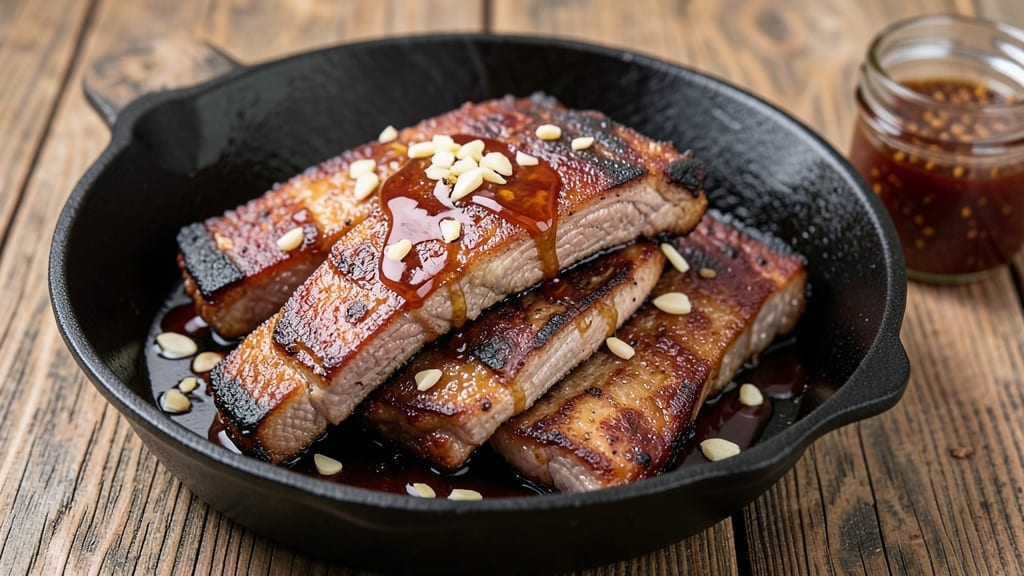
A beef ribs marinade recipe that transforms tough cuts into fall-off-the-bone tenderness starts with this deep-penetrating blend of acid, oil, and bold spices. The key lies in balancing vinegar and citrus to tenderize while brown sugar and garlic create a caramelized crust that locks in juices during cooking.
I developed this marinade after years of experimenting with commercial blends that never delivered the same depth of flavor.
This marinade works its magic through 24 hours of penetration, allowing the spices and acids to break down connective tissue while infusing the meat with rich, smoky notes. The combination of Worcestershire sauce, liquid smoke, and black pepper creates layers of complexity that stand up to long cooking times.
Unlike quick marinades, this one requires patience—but the results are worth every minute.
What you'll achieve is ribs with a perfectly balanced crust—sweet from the caramelization, tangy from the vinegar, and aromatic from the smoked paprika. The marinade doesn't just flavor the surface; it works its way deep into the meat, ensuring every bite is moist and packed with flavor.
This is the kind of marinade that turns a simple backyard cookout into a memorable meal.
Store any leftovers in the refrigerator for up to 5 days, making it ideal for meal prep or when you know you'll be grilling soon. The flavors actually improve over time as the ingredients meld together.
Whether you're slow-cooking, smoking, or grilling, this marinade will elevate your ribs to restaurant-quality status with minimal effort.
Ingredients for beef ribs marinade
Eleven ingredients that unlock restaurant-style rib flavor in your backyard.
| Ingredient | Amount | Notes |
|---|---|---|
| Apple Cider Vinegar 🍎 | ½ cup | Raw, unfiltered preferred |
| Extra-Virgin Olive Oil 🫒 | ¼ cup | High-quality, fruity variety |
| Light Brown Sugar 🍚 | ½ cup | Packed, not granulated |
| Worcestershire Sauce 🍶 | 2 tbsp | Full-strength, not reduced |
| Liquid Smoke 🔥 | 1 tbsp | Hickory or applewood preferred |
| Garlic Cloves 🧄 | 6 cloves | Fresh, peeled and minced |
| Smoked Paprika 🌶️ | 2 tbsp | High-quality, not sweet |
| Black Peppercorns 🌶️ | 1 tbsp | Freshly cracked, coarse |
| Ground Black Pepper 🌶️ | 1 tsp | Freshly ground preferred |
| Diamond Crystal Kosher Salt 🧂 | 1 ½ tsp | Fine grain preferred |
| Fresh Lemon Juice 🍋 | 2 tbsp | Freshly squeezed, no pulp |
The apple cider vinegar is non-negotiable—it's the secret weapon for breaking down tough rib fibers. Bragg or Texas Pete are my go-tos, but any raw, unfiltered brand works. The brown sugar? Domino or C&H are reliable, but make sure it's packed—not aerated. Smoked paprika should be the first ingredient on the label if you're buying pre-mixed. For liquid smoke, G. Heileman is the gold standard—avoid the cheaper stuff that tastes artificial. Fresh garlic cloves matter too; pre-minced jars lose potency fast.
No apple cider vinegar? White vinegar or red wine vinegar works in a pinch, but add a splash of citrus to balance. Running short on Worcestershire? Soy sauce or fish sauce can substitute, but reduce by half. Swapping smoked paprika? Regular paprika plus a pinch of cayenne mimics the depth. The black peppercorns should be freshly cracked—a mortar and pestle works best, but a clean coffee grinder does in a pinch. For the lemon juice, bottled works, but fresh is brighter and cuts through the richness better. The olive oil? Don't skimp—use something you'd drizzle on bread.
This marinade keeps for 5 days in the fridge, sealed tightly. The flavors actually deepen over time, so make a big batch if you're planning a cookout. Store in a glass jar with a tight lid—plastic can absorb odors. For best results, let the marinade sit at room temperature for 15 minutes before applying to ribs. Any leftovers? Freeze in ice cube trays for single-use portions—just thaw before using.
Why You'll Love This Recipe
- Five-Ingredient Magic: The pantry already has these—no last-minute grocery runs. Just toss them in a bowl, stir, and let the ribs soak while you handle the rest of dinner.
- Smoky-Sweet Obsession: That liquid smoke and brown sugar combo? It’s like a campfire in your mouth, but the apple cider vinegar keeps it bright and tangy—not cloying.
- Tailgate or Tuesday: Works for game day sliders or a lazy weeknight when you’re craving ribs but don’t want to slave over them. Same marinade, zero guilt.
- Leftovers That Don’t Suck: Marinate extra ribs and freeze them—thaw, grill, and boom. You’ve got backup for when friends drop by unannounced or you just need a repeat.
Step-by-step instructions for beef ribs marinade
This marinade delivers bold, smoky depth while tenderizing even the toughest beef ribs.
Minimize the Garlic Cloves
Place the 6 cloves garlic cloves in a food processor fitted with the metal blade. Pulse until you achieve a fine, paste-like consistency—think somewhere between minced and pureed. You want the texture to be smooth enough to blend seamlessly into the marinade without any visible chunks. This ensures even distribution of flavor throughout the ribs.
Transfer the minced garlic to a mixing bowl. Here's the thing—freshly minced garlic releases its full aromatic potential immediately, which is crucial for maximizing flavor penetration. If you're short on time, you can finely chop it by hand with a sharp knife, but the food processor guarantees consistency every time.
Whisk Together Wet Ingredients
In the same mixing bowl with the garlic, add the 0.5 cup apple cider vinegar, 0.25 cup extra-virgin olive oil, 2 tbsp Worcestershire sauce, 1 tbsp liquid smoke, and 2 tbsp fresh lemon juice. Use a whisk to combine these ingredients until fully emulsified—you should see a smooth, slightly thickened liquid with no visible separation.
The vinegar and lemon juice act as natural tenderizers, breaking down muscle fibers in the beef while adding bright acidity that balances the richness of the ribs. The olive oil carries these flavors deep into the meat, creating that signature "marbled" effect when cooked. I like to whisk vigorously for about 1 minute to ensure everything is properly incorporated before adding the dry ingredients.
Incorporate Dry Components
In a small bowl, combine the 0.5 cup light brown sugar, 2 tbsp smoked paprika, 1 tbsp black peppercorns (cracked coarsely), and 1 tsp ground black pepper. Add this mixture to the wet ingredients and whisk again until everything is completely dissolved and uniform in color. The sugar will begin to dissolve immediately, but give it a thorough stir to ensure no dry spots remain.
This is where the magic happens—the smoked paprika adds that signature BBQ depth, while the cracked peppercorns contribute a subtle, complex heat that ground pepper alone can't match. The brown sugar isn't just for sweetness; it helps caramelize during cooking, creating that beautiful bark on the exterior of the ribs. Don't skip the whisking—properly dissolving the sugar ensures even flavor distribution.
Season with Salt and Final Adjustments
Add the 1.5 tsp diamond crystal kosher salt to the marinade and whisk one final time. Taste the marinade at this point—you should detect a balance of sweet, smoky, tangy, and slightly spicy notes. If it needs more acidity, add a splash of apple cider vinegar. If it needs more depth, add a pinch more smoked paprika or a crack of black pepper.
Here's a pro tip: Let the marinade rest for 15-20 minutes at room temperature before using. This allows all the flavors to meld together, creating a more cohesive taste profile. The marinade should have a thick, syrupy consistency—ideal for clinging to the ribs and forming that coveted bark during cooking. Transfer to an airtight container and store in the refrigerator until ready to use.
Apply and Marinate for Maximum Impact
Pat the beef ribs dry with paper towels—this helps the marinade adhere better and promotes better browning during cooking. Place the ribs in a large resealable plastic bag or shallow dish and pour the marinade over them, ensuring every surface is coated. Seal the bag or cover the dish and refrigerate for at least 4 hours, but ideally overnight for maximum tenderness and flavor penetration.
Real talk: The longer you marinate, the more tender and flavorful your ribs will be. If you're short on time, even 2 hours will make a noticeable difference. Just don't exceed 24 hours—beef can start to break down too much after that point, leading to a mushy texture. When ready to cook, discard any unused marinade that has touched raw meat to prevent cross-contamination.
Pro Tips For Making Beef Ribs Marinade
- Whisk, Don’t Stir: DESCRIPTION: That apple cider vinegar and brown sugar need to emulsify—not just sit there. Use a fork or whisk to break up the sugar first, then slowly drizzle in the olive oil while stirring. I used to just toss everything in and wondered why my marinade separated like oil and water. This keeps it smooth and clings to the ribs.
- Vinegar First, Always: DESCRIPTION: Add the apple cider vinegar to the cold marinade before the Worcestershire and liquid smoke. Heat builds when you mix these, and you’ll end up with a weird, slightly cooked smell. Start with vinegar to tame the acid, then add the rest—your nose (and taste buds) will thank you.
- Skip the Raw Sugar: DESCRIPTION: Light brown sugar is packed, but if you’ve got time, pack it tighter in the measuring cup. Tap it gently on the counter to settle—this eliminates air gaps and ensures you’re not missing 10% of your sweetness. Trust me, your ribs will taste the difference when that caramel crust forms.
- Marinate Overnight, Covered: DESCRIPTION: Beef ribs need at least 12 hours, but if you’re short on time, double-wrap them in plastic: first in a zip-top bag, then in foil. The acid in the vinegar works faster when the marinade stays concentrated against the meat. Just don’t skip the foil—condensation will dilute your hard work.
Troubleshooting your beef ribs marinade
Ribs Too Tough?
If your ribs remain tough after cooking, your marinade time was likely too short. This marinade needs 24 hours to work its magic—acids and enzymes need time to break down collagen. For quick fixes, try pineapple juice (contains bromelain) mixed with the marinade for 4-6 hours before cooking. 💡
Marinade Not Sticking?
Dry ribs repel marinade. Always pat them thoroughly with paper towels before applying. For extra adhesion, brush the ribs with 1 tbsp cornstarch slurry (mix 1 tbsp cornstarch with 2 tbsp water) before adding the marinade. This creates a temporary barrier that helps the marinade cling.
Overly Acidic Flavor?
The apple cider vinegar is the main culprit. Balance it by adding 1 extra tbsp brown sugar or 1 tsp honey to the marinade.
For ribs already marinated, brush them with a glaze made from 2 tbsp barbecue sauce and 1 tbsp butter during the last 30 minutes of cooking to mellow the acidity.
Uneven Browning?
This usually means the marinade didn't distribute evenly. Before cooking, brush the ribs with 1 tbsp olive oil to create a protective layer. For stubborn spots, use a pastry brush to apply extra marinade to dry areas. A meat thermometer helps ensure even cooking—aim for 195-203°F internal temperature.
Marinade Too Thin?
Add 1 tbsp cornstarch or 1 tsp xanthan gum to thicken the marinade. Whisk vigorously until fully dissolved. For immediate results, reduce the liquid by simmering the marinade (without sugar) on low heat for 5 minutes, then cool before using. Store properly in an airtight container to maintain consistency.
Bland or Weak Flavor?
Boost depth by adding 1 tsp smoked paprika or ½ tsp cayenne pepper to the marinade. For ribs already marinated, create a dry rub using 1 tbsp brown sugar, 1 tsp garlic powder, and ½ tsp onion powder.
Apply this rub during the last 15 minutes of cooking to intensify flavors. 🔥
Nutrition facts
Frequently asked questions
How long should I marinate beef ribs for best results?
For maximum tenderness and flavor penetration, marinate beef ribs for 24 hours in the refrigerator. This gives the acid and enzymes enough time to break down connective tissue while infusing deep flavor. At minimum, 4 hours will make a noticeable difference, but don't exceed 24 hours to prevent muscle breakdown.
Can I use this marinade for other meats?
This marinade works beautifully on chicken thighs, pork chops, and even steak. The acid and spices tenderize tough cuts while adding rich flavor. For chicken, reduce marinating time to 2-4 hours to avoid over-tenderizing. For steak, 1-2 hours is ideal for a flavorful crust without making it too soft.
What's the best way to store leftover marinade?
Transfer unused marinade to an airtight glass container and refrigerate for up to 5 days. The flavors actually deepen over time. For longer storage, freeze in ice cube trays—thaw and use within 3 months. Always discard any marinade that has touched raw meat after use to prevent cross-contamination.
Why does my marinade sometimes separate?
Separation usually happens when oil and vinegar aren't properly emulsified. Whisk vigorously for 1-2 minutes to combine them thoroughly. For extra stability, add 1 tsp xanthan gum or 1 tbsp cornstarch to thicken. If separation occurs after storage, simply whisk again before using—it won't affect flavor or safety.
Can I make this marinade without liquid smoke?
Yes! Replace the 1 tbsp liquid smoke with 1 tsp smoked paprika plus ½ tsp chipotle powder for a similar smoky depth. For a more intense flavor, add 1 tbsp hickory wood chips (soaked in water) to your cooking method. The marinade will still deliver great results, just with a slightly different smoky profile.