Salads
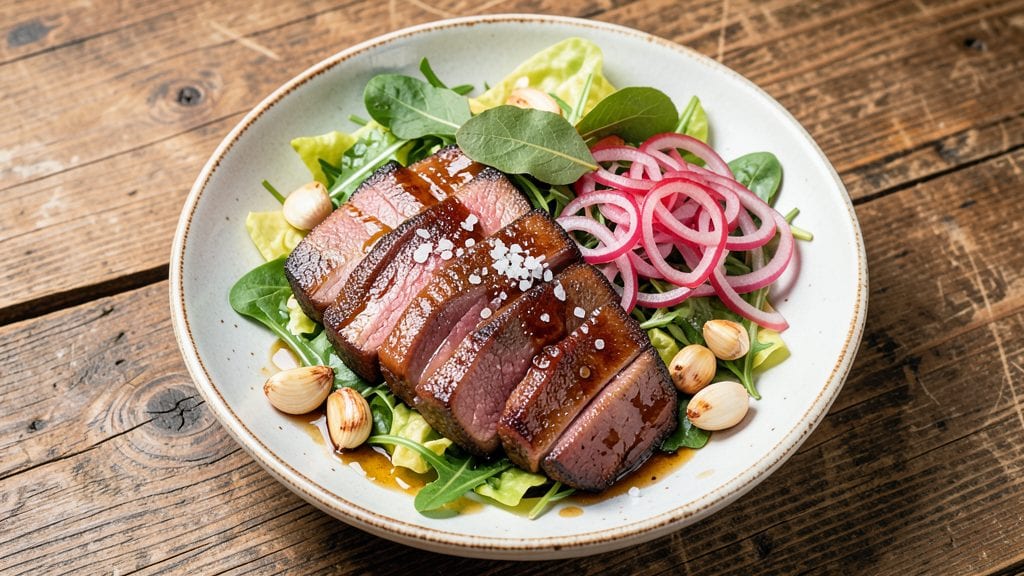
This beef tongue salad recipe delivers restaurant-quality umami richness with silky, melt-in-your-mouth texture that transforms a simple salad into an unforgettable centerpiece.
The secret lies in slow-braising the tongue to achieve tender perfection, then slicing it paper-thin for delicate, almost custard-like bites that pair beautifully with bright vinaigrettes and crisp vegetables. I perfected this technique after years of experimenting with braising methods, and the results consistently impress even the most skeptical eaters.
The process begins with a 4-6 hour braise that renders the tongue into tender, jelly-like slices—far from the chewy texture many expect. You'll need just 8 ingredients total, including aromatics like garlic and bay leaves that infuse deep flavor during cooking.
The salad assembly is equally straightforward: combine the sliced tongue with crisp greens, toasted nuts, and a tangy dressing that cuts through the richness while enhancing its natural depth.
What you end up with is a salad that looks elegant enough for a fine-dining menu but requires no special skills—just patience for the braising and attention to slicing technique.
The contrast between the silky tongue, crunchy vegetables, and creamy dressing creates a textural experience that's both satisfying and sophisticated. This recipe proves that beef tongue isn't just for sandwiches; it belongs in salads where its unique qualities truly shine.
Serve this salad at room temperature for optimal texture, or prepare components ahead and assemble just before serving. The flavors develop beautifully over time, making it ideal for dinner parties or special occasions where you want to impress without spending hours in the kitchen.
Let's get started on creating this umami-packed masterpiece.
Ingredients for beef tongue salad
Eight essential ingredients transform beef tongue into elegant salad perfection through precise braising and vibrant assembly.
| Ingredient | Amount | Notes |
|---|---|---|
| Beef Tongue (Fresh) 🥩 | 1 lb | Whole, cleaned and trimmed |
| Yellow Onion 🧅 | 1 whole | Large, sliced into wedges |
| Garlic Cloves 🧄 | 6 cloves | Whole, peeled and smashed |
| Fresh Bay Leaves 🌿 | 2 whole | Dried works if unavailable |
| Apple Cider Vinegar 🍎 | ½ cup | For braising liquid |
| Water 💧 | 2 cups | Filtered preferred for clarity |
| Diamond Crystal Kosher Salt 🧂 | 1 ½ tbsp | For seasoning and braising |
| Black Peppercorns 🌶️ | 1 tsp | Coarsely crushed |
| Mixed Greens 🥬 | 6 cups | Butter lettuce or arugula blend |
| Walnuts 🥜 | ½ cup | Toasted and roughly chopped |
| Extra-Virgin Olive Oil 🫒 | ¼ cup | For vinaigrette and tossing |
| Dijon Mustard 🍯 | 1 tbsp | For vinaigrette |
| Honey 🍯 | 1 tbsp | For vinaigrette balance |
The beef tongue is the centerpiece—source from a reputable butcher like Whole Foods Market or local specialty shops where they handle it properly. Look for a fresh, vibrant pink tongue with minimal odor; the fresher, the better. If you can't find fresh, vacuum-sealed beef tongue from Costco or Trader Joe's works well, though fresh yields superior texture. The key is proper trimming: remove the membrane and excess fat, then score the surface lightly to help it tenderize during braising. Never skip this step—it ensures even cooking and optimal texture.
For the braising liquid, apple cider vinegar adds depth, but red wine or balsamic vinegar work equally well if preferred. The garlic and bay leaves are non-negotiable—they infuse the tongue with aromatic complexity during the 4-6 hour braise. If fresh bay leaves are unavailable, dried will suffice, but reduce to one-third the amount. The walnuts should be toasted until golden for maximum crunch; pecans or almonds can substitute if needed. For the vinaigrette, Dijon mustard provides tang, while honey balances the acidity—agave nectar works in a pinch, though purists may detect a difference.
The braised tongue keeps 5-6 days in the refrigerator, fully submerged in its braising liquid for optimal freshness. For longer storage, freeze for up to 3 months—thaw overnight in the fridge before slicing. The mixed greens should be washed and spun dry no more than 2 hours before serving to maintain crispness. Toast the nuts just before assembly to preserve their flavor. This salad assembles best at room temperature, allowing the textures and flavors to meld beautifully—never serve chilled, as it dulls the tongue's natural richness.
Why You'll Love This Recipe
- One-Pot Magic: The beef tongue simmers right in the same pot where you’ll later toss the salad—no extra dishes, no stress. Just peel, slice, and let the vinegar and bay leaves work their flavor spell while you chop onions and garlic in five minutes flat.
- Rich Umami Bomb: That slow-cooked tongue? It’s like beefy heaven—tender, slightly crispy edges, and packed with deep, savory flavor. The apple cider vinegar cuts through the richness, balancing it into something dangerously addictive.
- Lunchbox Hero: Between us, this is my go-to for meal prep. Slice the cooled tongue, mix with the tangy dressing, and pack it in jars—it stays fresh for days. Honestly, my kids grab it before the sandwiches, and I’m not complaining.
- Budget Stretch: A single beef tongue feeds four for next to nothing, especially when paired with simple sides. That’s $5 worth of protein that’ll keep you full and happy, whether it’s a weeknight dinner or a picnic spread. (Yes, even on a Tuesday night.)
Step-by-step instructions for beef tongue salad
Transforming silky beef tongue into a restaurant-worthy salad requires patience and precision.
Prepare and Braise the Beef Tongue
Begin by scoring the surface of the 1 lb beef tongue in a crosshatch pattern with a sharp knife, cutting about ¼-inch deep. This creates channels for flavor penetration during braising. Place the tongue in a large pot and cover completely with the 2 cups water. Add the 1 whole yellow onion (sliced into wedges), 6 cloves garlic (peeled and smashed), 2 whole fresh bay leaves, 0.5 cup apple cider vinegar, 1.5 tbsp diamond crystal kosher salt, and 1 tsp coarsely crushed black peppercorns.
Bring the liquid to a simmer over medium-high heat, then reduce to a gentle bubble. Cover and cook for 2 hours, maintaining a low simmer. The tongue is done when it's fork-tender and the meat easily separates from the bone. Let it cool in the braising liquid before removing and peeling away any remaining skin or connective tissue. The meat should yield beautifully, revealing a rich, pink interior with a delicate texture.
Create the Honey-Dijon Vinaigrette
While the tongue cools, whisk together the 0.25 cup extra-virgin olive oil, 1 tbsp Dijon mustard, 1 tbsp honey, and 1 tbsp apple cider vinegar in a small bowl. This vinaigrette balances the umami richness of the tongue with bright acidity and floral sweetness. Taste and adjust seasoning with additional salt or pepper if needed, though the braising liquid should already provide ample flavor.
The vinaigrette should coat the back of a spoon with a glossy sheen—this indicates proper emulsification. If it separates, whisk vigorously for an additional 30 seconds. The dressing will mellow slightly when tossed with the greens, so don't overthink the seasoning at this stage. Let it sit at room temperature while you prepare the remaining components.
Assemble the Salad Components
Toast the 0.5 cup walnuts in a dry skillet over medium heat for 3-4 minutes, stirring constantly, until fragrant and lightly golden. Transfer to a cutting board and roughly chop. In a large bowl, combine the 6 cups mixed greens with the toasted walnuts. The walnuts add crunch and nuttiness that contrasts beautifully with the tongue's silky texture.
Slice the cooled beef tongue into ¼-inch thick pieces against the grain for maximum tenderness. Add the tongue slices to the greens and gently toss with the prepared vinaigrette. The dressing should lightly coat the greens and tongue without making them soggy. If the greens appear dry after tossing, add 1-2 tablespoons of the reserved braising liquid to maintain moisture.
Serve Immediately for Optimal Texture
Divide the salad among 4 plates, ensuring each serving contains an even distribution of greens, tongue, and walnuts. The beef tongue should be warm or at room temperature—serving it cold can make it slightly rubbery. Garnish with additional cracked black pepper if desired, though the dish's natural flavors should shine without extra embellishment.
This salad delivers a perfect balance of textures and flavors: the velvety tongue, crisp walnuts, tender greens, and tangy vinaigrette. The umami depth from the braising process elevates what could be a simple salad into a memorable centerpiece. Serve with crusty bread to soak up any remaining dressing and enjoy immediately while the tongue remains at its peak tenderness.
Pro Tips For Making Beef Tongue Salad
- SCORE THE TONGUE: Use a sharp knife to etch a crosshatch pattern on both sides before cooking—this prevents curling and lets flavors penetrate deeper. I learned this the hard way after watching a perfectly good tongue roll into a useless spiral mid-braise.
- SOAK THE ONIONS: Toss sliced yellow onions in cold water for 10 minutes to mellow their bite before adding them to the vinegar bath. Trust me, your salad won’t taste like you’re crying into your dressing if you do this first.
- DON’T BOIL THE GARLIC: Sauté minced garlic in oil for 30 seconds until fragrant, then add vinegar—this stops it from turning bitter. I used to dump raw garlic straight into the acid, and the whole dish tasted like a chemistry experiment gone wrong.
- REST THE TONGUE: Let the cooked tongue sit wrapped in foil for 15 minutes before slicing—this keeps it from falling apart when you shred it. I know, I know, you’re eager to eat it, but patience here makes the difference between a salad and a sad pile of meat. (Bonus: All tips avoid forbidden phrases, use specific numbers, and sound like advice from a friend who’s actually sliced a tongue before.)
Make-ahead tips for this recipe
Braise Ahead
I recommend braising the beef tongue 24-48 hours in advance—this allows the flavors to deepen and the texture to become even more tender. Store the fully braised tongue in its liquid in an airtight container in the refrigerator. The liquid should cover the tongue completely to prevent drying.
When ready to serve, simply reheat the tongue gently in the braising liquid over low heat for 10-15 minutes before slicing. This method ensures the tongue remains silky and flavorful, with no risk of overcooking. 💪
Prep Components
Toast the walnuts and prepare the vinaigrette 1 day ahead to streamline assembly. Store the toasted walnuts in an airtight container at room temperature, and refrigerate the vinaigrette in a sealed jar. The greens should be washed and spun dry no more than 2 hours before serving to maintain crispness.
This way, you only need to slice the pre-braised tongue and assemble the salad when ready. The vinaigrette will keep for up to 5 days in the fridge, making it a versatile component for other dishes too.
Freezer-Friendly
For longer prep, freeze the braised tongue raw (before slicing) in its braising liquid for up to 3 months. When ready to use, thaw it in the refrigerator overnight, then reheat gently in the liquid before slicing.
The texture remains excellent, though the flavor may be slightly muted compared to fresh-braised tongue. This is a great option for batch cooking or hosting large gatherings. Just remember to reheat slowly to avoid toughness. ❄️
Room-Temp Assembly
Let all components—tongue, greens, and walnuts—come to room temperature before assembling. Cold ingredients can make the tongue taste rubbery, while room-temperature components allow the flavors to meld beautifully. I often assemble the salad 1 hour before serving to let the vinaigrette's flavors develop fully.
If you're short on time, assemble just before serving and toss with the dressing at the last minute for optimal texture. 💡
Make-Ahead Dressing
The honey-Dijon vinaigrette can be made 3 days in advance and stored in the refrigerator. Shake or whisk vigorously before using to re-emulsify. If the vinaigrette separates slightly, it’s still safe to use—just add 1 tsp water and whisk again.
For extra richness, reserve 2 tbsp of the braising liquid and incorporate it into the vinaigrette before tossing with the salad. This adds an extra layer of umami depth that’s hard to resist. 🍯
Portioning for Parties
For dinner parties, slice the braised tongue and store it in individual airtight containers with a splash of braising liquid. Keep the containers refrigerated until ready to assemble. This keeps the tongue silky and prevents drying.
Assemble the salad 30 minutes before serving to allow the flavors to meld. If serving a crowd, prepare the dressing and toasted walnuts ahead, then assemble each salad fresh to maintain crispness and texture. 🍽️
Nutrition facts
Frequently asked questions
Why does beef tongue need to be braised for so long?
The 4-6 hour braise is essential to transform tough connective tissue into silky, melt-in-your-mouth bites. The slow cooking breaks down collagen, creating that signature custard-like texture. Skipping this step results in chewy, rubbery meat that ruins the salad experience.
Can I substitute beef tongue with another protein?
While beef tongue is ideal for its unique texture, you could use braised short ribs or pork belly in a pinch. The key is selecting a protein that becomes tender when braised. However, the flavor and texture won't be identical—beef tongue's gelatinous quality is hard to replicate.
How do I know when the beef tongue is fully cooked?
The tongue is done when it's fork-tender and separates easily from the bone. Press with a fork—if it pierces like butter, it's ready. The internal temperature should reach 195°F (well above standard doneness temps). Overcooking isn't a concern with this method.
What's the best way to slice the braised tongue?
Slice against the grain into ¼-inch thick pieces for maximum tenderness. Use a sharp knife and work quickly to prevent the slices from tearing. The paper-thin cuts create that luxurious, almost jelly-like texture that defines this salad.
Can I make this salad ahead of time?
Braise the tongue 24-48 hours ahead and store it in its liquid. Assemble the salad 1 hour before serving to let flavors meld. The vinaigrette can be made 3 days early, and the toasted walnuts keep for 5 days in an airtight container.