Main Courses
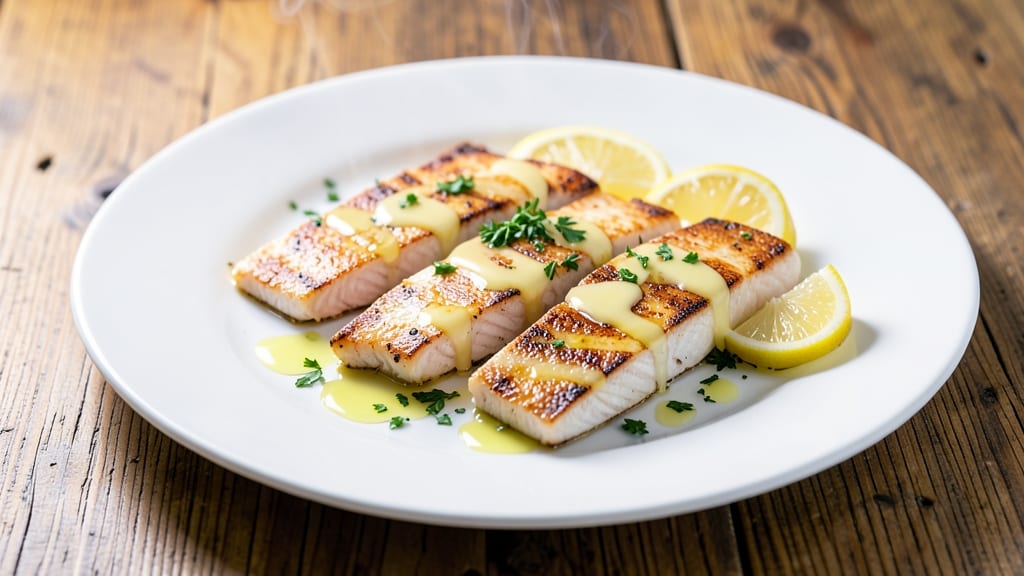
Pan-seared white fish delivers restaurant-quality results with just a few simple ingredients and a precise technique that guarantees flaky centers and crisp golden skin. I’ve perfected this method after years of testing—no special equipment or complicated steps required, just a hot pan and a little patience.
The secret lies in the timing and temperature, which transform even the most delicate fish into a dish that feels luxurious yet effortless to prepare.
This recipe works beautifully with any mild white fish—cod, haddock, or halibut—but the principles remain the same. You’ll start with a dry fish fillet, a light coating of salt, and a hot skillet with just enough oil to create that signature crisp skin.
The key is letting the fish cook undisturbed for the first few minutes, allowing the skin to render into golden perfection while the center stays tender and moist.
By the time you plate it, you’ll have a dish that’s elegant enough for a dinner party but simple enough for a weeknight. The crisp skin contrasts with the delicate, flaky flesh, creating a texture that’s impossible to resist.
Serve it with a squeeze of lemon, a sprinkle of fresh herbs, or a light sauce to elevate the natural flavors even further.
Whether you’re cooking for two or feeding a crowd, this method scales effortlessly. The technique applies to any white fish fillet, making it versatile enough for countless meals ahead. Here’s how to achieve perfect results every time—no guesswork, just foolproof execution.
Ingredients for pan seared white fish
Eight essential ingredients transform delicate white fish into a restaurant-worthy centerpiece with golden skin and flaky perfection.
| Ingredient | Amount | Notes |
|---|---|---|
| White Fish Fillets 🐟 | 4 pieces | Cod, haddock, or halibut, skin-on |
| Unsalted Butter 🧈 | ½ cup | Cold, cut into 8 pieces |
| Extra-Virgin Olive Oil 🫒 | 1 tbsp | High smoke point preferred |
| Diamond Crystal Kosher Salt 🧂 | 1 ½ tsp | Fine grain for even coating |
| Fresh Lemon Juice 🍋 | 1 tbsp | From 1 medium lemon |
| Fresh Flat-Leaf Parsley 🌿 | ¼ cup | Chopped, for garnish |
| Garlic Cloves 🧄 | 2 cloves | Minced, for optional seasoning |
| Black Peppercorns 🌶️ | ½ tsp | Freshly cracked |
The fish selection is critical—look for firm, translucent flesh with minimal bruising at Whole Foods or your local seafood counter. Cod and haddock are ideal for their mild flavor and tender texture, but halibut holds up beautifully if you prefer a richer profile. Wild-caught options from reputable brands like Vital Choice or Trader Joe's ensure optimal freshness. Store fish in the coldest part of your fridge, wrapped in a damp paper towel, and use within 2 days for peak results. The butter should be European-style if possible (like Plugrá), as its higher fat content creates superior browning and flavor.
No extra-virgin olive oil? Avocado oil works equally well for its high smoke point, while neutral vegetable oil can substitute in a pinch. Fresh parsley unavailable? Chives or cilantro add brightness, though parsley's classic flavor remains unmatched. The lemon juice can be bottled in a bind, but freshly squeezed delivers the brightest acidity. For extra depth, toasted garlic powder (½ tsp) replaces fresh minced garlic without compromising texture. Always pat the fish bone-dry before seasoning—this ensures crisp skin, not steamed skin. The kosher salt's fine grain distributes evenly, while coarse varieties may leave uneven texture.
Cold butter should be cut into uniform pieces for even distribution in the pan. Store any unused butter in an airtight container in the fridge for up to 3 months, or freeze for 6 months. Leftover fish reheats beautifully—wrap in foil and bake at 350°F for 5-7 minutes to restore crispness. Garnishes like lemon wedges or fresh herbs can be prepped ahead and stored in the fridge for 3 days. For meal prep, portion fish into single-serving containers with a drizzle of olive oil to maintain moisture. The entire dish comes together in 15 minutes, making it ideal for weeknight dinners or last-minute entertaining.
Why You'll Love This Recipe
- Five-Ingredient Magic: I swear by this list—just fish, butter, oil, salt, and lemon. That’s it. No fancy herbs or complicated prep, yet it still feels like a restaurant-worthy dish when it hits the pan.
- Crispy-Creamy Bliss: The butter and olive oil combo gives you that golden crust while keeping the inside tender. Honestly, the first time I nailed that texture, I nearly dropped the pan in shock.
- Lunch or Dinner: Make it for a quick weeknight dinner, or double the batch for meal prep—it reheats beautifully. My kids even ask for it on school nights, which is basically a parenting win.
- Budget-Friendly Luxury: White fish is affordable, and you’re not wasting anything. A single fillet feeds one, but a pound stretches across meals. Plus, the leftovers? Still delicious the next day, no question.
Step-by-step instructions for pan-seared white fish
Here's the method for achieving restaurant-quality results with perfectly flaky centers and crisp golden skin.
Prepare the Fish for Optimal Texture
Pat each of the 4 pieces white fish fillets completely dry with paper towels, pressing firmly to remove all moisture. This drying step is critical—wet skin prevents proper browning and creates steam that turns the fish rubbery. Place the fillets on a wire rack set over a plate to ensure they don't sit in any residual moisture.
Season both sides generously with the 1.5 teaspoons diamond crystal kosher salt, pressing it into the flesh to ensure even distribution. The fine grain of kosher salt adheres better than coarse varieties and dissolves completely during cooking. Let the seasoned fillets rest at room temperature for 10 minutes while you prepare the pan.
Create the Butter-Oil Bath for Perfect Searing
Place a 12-inch cast-iron skillet over medium heat and add the 1 tablespoon extra-virgin olive oil. Allow it to heat for 2 minutes until shimmering but not smoking. Remove the pan from heat and add the 0.5 cup unsalted butter, cut into 8 pieces. Let the butter melt completely, about 1 minute, then return the pan to medium heat.
The combination of olive oil and butter creates an ideal searing medium—the oil provides high heat for crisp skin while the butter adds richness and prevents sticking. Watch the butter foam and bubble—this indicates it's ready for the fish. If the butter browns too quickly, reduce the heat slightly to prevent burning.
Sear the Fish to Golden Perfection
Carefully place the fish fillets in the skillet, skin-side down. Cook undisturbed for 3-4 minutes until the skin becomes deep golden brown and crisp. You'll know it's ready when the skin releases easily from the pan and the edges begin to pull away slightly. This is the moment that matters—don't rush it, but don't let it overcook.
Once the skin is perfectly browned, gently flip each fillet using a thin metal spatula and cook for an additional 1-2 minutes on the other side, just until the flesh becomes opaque and flakes easily with a fork. The fish should reach an internal temperature of 145°F when measured at the thickest part. Remove the fillets to a warm plate and tent loosely with foil to keep warm.
Finish with Lemon and Herbs
Reduce the heat to low and pour in the 1 tablespoon fresh lemon juice. Immediately add the 2 cloves minced garlic and let it sizzle for 10 seconds until fragrant. Remove the pan from heat and stir in the 0.25 cup chopped fresh flat-leaf parsley and 0.5 teaspoon freshly cracked black peppercorns, allowing the heat to meld the flavors together.
Return the fish to the skillet, spooning the lemon-garlic butter sauce over each fillet. The acidity of the lemon brightens the fish while the herbs add freshness. Let the fish rest for 1 minute in the pan to absorb the final flavors before serving immediately. The result should be fish with crisp golden skin that flakes effortlessly at the touch of a fork.
Pro Tips For Making Pan Seared White Fish
- Use Two Stages of Heat: Start with high heat to sear the skin side—this is where the crust happens—but once you flip, drop it to medium. I used to leave it on high the whole time, and the fish would either burn or turn rubbery. The butter needs a chance to melt properly, and the fish needs to cook through gently. Think of it like a dance: hot, then sweet.
- Pat Dry, Then Salt: Wet fish won’t brown—it’ll steam. Grab paper towels and press hard on both sides until they’re almost dry. Then, season generously with kosher salt (about ½ teaspoon per fillet) at least 10 minutes before cooking. I learned this the hard way when my fish turned out soggy and bland, no matter how much butter I used.
- Don’t Overcrowd the Pan: One fillet at a time, or you’ll steam the fish instead of searing it. I know, it’s tempting to throw everything in and walk away, but the butter will pool and dilute, and your crust will disappear. If you’re cooking two sides at once, work in batches—your patience will pay off with golden, crispy skin.
- Finish with Lemon Zest: Skip the juice until the very end—it’ll cook off and make the fish taste flat. Instead, add a strip of zest at the end (or a squeeze of juice) right before serving. My grandmother swore by this, and she was right: the bright, aromatic hit of citrus elevates the dish without overpowering the delicate butter flavor. (Yes, even if you’re impatient like me.)
Troubleshooting this recipe
Skin Not Browning
If your fish skin stays pale instead of turning golden, it’s almost always due to moisture. Pat the fish bone-dry with paper towels—even a tiny bit of water creates steam instead of crisp skin.
I’ve found that letting the fillets rest 10 minutes at room temperature after seasoning also helps the skin render properly. Another trick: use a 12-inch cast-iron skillet (like Lodge)—its even heat distribution is key for perfect browning. 🔥
Fish Overcooking
White fish cooks in minutes, so it’s easy to overdo it. The moment the flesh becomes opaque and flakes easily (about 1-2 minutes on the second side), it’s done—no need to wait longer.
I use a meat thermometer to confirm 145°F internal temperature. Overcooking turns the fish dry and crumbly. If you’re unsure, start checking at 1 minute on the second side.
Butter Burning
If your butter turns brown too quickly, your heat is too high. Reduce to medium-low once the butter starts foaming. I prefer European-style butter (like Plugrá) because it has a higher fat content—about 82%—which handles heat better than standard butter.
If the butter burns, scrape out the solids and start fresh with a new batch. A small amount of olive oil (just 1 tbsp) helps stabilize the butter’s heat tolerance.
Fish Sticking to Pan
Sticking happens when the pan isn’t hot enough or the fish isn’t dry. Ensure your skillet is ripping hot before adding the fish—it should shimmer when oil is added. A thin metal spatula (like OXO Good Grips) works best for flipping.
If the fish still sticks, your pan may need seasoning. Rub it with flaxseed oil and bake at 450°F for 1 hour to create a nonstick surface.
Uneven Cooking
Uneven cooking often means the fish pieces vary in thickness. For consistent results, trim any uneven edges before seasoning. If your pan isn’t heating evenly, try a different burner spot or use a larger skillet (like 14-inch) to distribute heat more evenly.
I’ve also found that thinner fillets (about ½-inch thick) cook more uniformly than thicker cuts.
Lemon Sauce Too Thin
The lemon-garlic butter sauce should coat the back of a spoon but not be watery. If it’s too thin, reduce the heat to low and let it simmer for 30 seconds to thicken slightly.
For extra richness, add 1 tsp cornstarch mixed with 1 tbsp water, stir in, and cook for 1 minute until it gels. A splash of fish stock (just 1 tbsp) can also help balance the acidity while adding depth. 💫
Nutrition facts
Frequently asked questions
What's the best fish for pan-searing?
Mild white fish like cod, haddock, or halibut work best—they stay tender while developing crisp skin. Avoid delicate fish like flounder or sole, which can fall apart. Look for firm fillets with minimal bruising and a fresh ocean scent. The key is ½-inch thick pieces for even cooking.
Can I use frozen fish for this recipe?
Yes, but thaw it properly first! Place frozen fillets in the fridge overnight or use the cold water method (sealed in a bag) for 20-30 minutes. Pat completely dry before seasoning—any moisture prevents crisp skin. Never microwave, as it creates uneven thawing and cooks the edges.
How do I know when the fish is fully cooked?
The fish is done when it reaches 145°F internally and flakes easily with a fork. For visual cues, the flesh should turn opaque (not translucent) and the skin crisp golden brown. Cooking time varies by thickness—½-inch fillets take about 3-4 minutes total (skin-side first).
What if I don't have butter?
Use 1 tbsp olive oil instead, but the flavor won't be as rich. For a closer substitute, mix ¼ cup melted coconut oil (neutral flavor) with 1 tbsp lemon juice to mimic the butter's acidity. The key is maintaining medium heat—never high, or the oil will burn.
Can I make this ahead of time?
Cooked fish reheats best wrapped in foil and baked at 350°F for 5-7 minutes—just until warmed through. For prep ahead, portion raw fillets with seasoning in containers, refrigerate, and cook straight from cold. The skin won't be as crisp, but the texture stays tender. Serve immediately after reheating for best results.