
Desserts
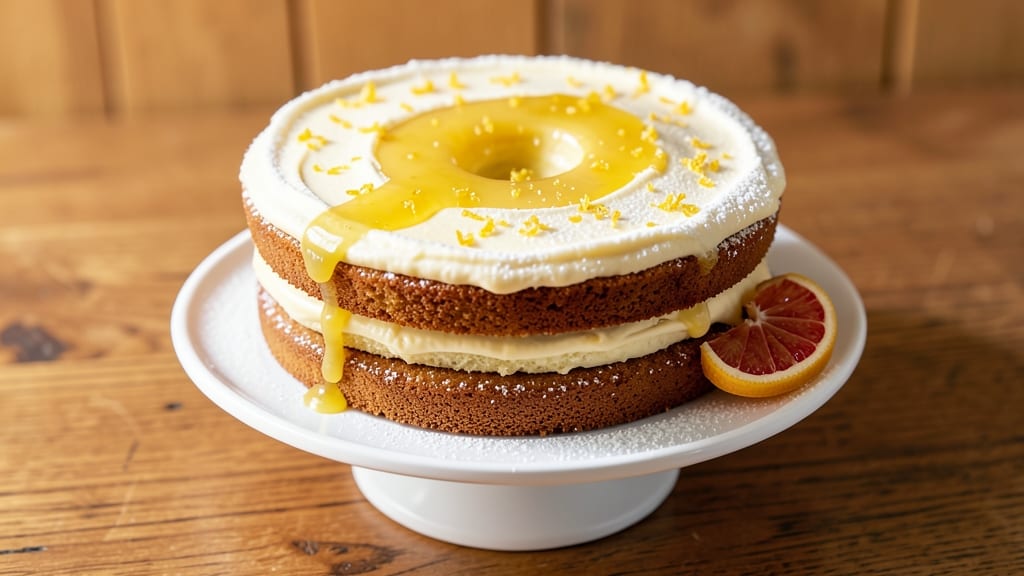
This Betty Crocker-style lemon pound cake delivers the perfect balance of moist layers and bright citrus flavor that’s become a classic for a reason. 💛 The secret lies in precise layering and a buttery crumb that stays tender even days after baking—exactly how I remember from my grandmother’s kitchen.
What makes this recipe stand out is the professional technique that ensures every slice is just as delicious as the first.
The foundation begins with a simple yet foolproof batter that combines all-purpose flour, sugar, and lemon zest for that signature tang. A touch of sour cream keeps the texture impossibly moist, while the layers of cake and filling create that signature ribbed appearance.
Baking at 350°F for 50–60 minutes ensures a golden top without drying out the crumb.
By the time you’re done, you’ll have a cake with golden layers, a buttery crumb, and a lemon filling that’s bright enough to cut through the richness. The frosting—whether classic buttercream or a simple glaze—adds the final touch of elegance.
This is the kind of dessert that feels like a hug in cake form, perfect for birthdays, holidays, or whenever you need a little sunshine on a plate.
For those who love tradition, stick with the classic lemon filling, but feel free to experiment with variations like lavender-infused glaze or white chocolate swirls. The method remains the same—just the flavors get creative. Let’s get baking!
Ingredients for betty crocker lemon pound cake
Twelve simple ingredients transform into golden layers of citrus brightness and buttery tenderness.
| Ingredient | Amount | Notes |
|---|---|---|
| All-Purpose Flour 🌾 | 3 cups | Sifted for light texture |
| Granulated Sugar 🍚 | 2 cups | Superfine preferred for smoothness |
| Unsalted Butter 🧈 | 1 ½ cups | Cold, cubed for precise mixing |
| Fresh Lemon Juice 🍋 | 1 cup | From 4-6 lemons, freshly squeezed |
| Lemon Zest 🍋 | 2 tbsp | Finely grated, bright yellow |
| Sour Cream 🥛 | ½ cup | Full-fat for moisture |
| Large Eggs 🥚 | 4 whole | Room temperature for even baking |
| Baking Powder 🍞 | 2 tsp | Aluminum-free for stability |
| Salt 🧂 | ½ tsp | Diamond Crystal preferred |
| Powdered Sugar 🍚 | 1 ½ cups | For lemon filling |
| Heavy Cream 🥛 | ½ cup | Whipped for filling |
| Vanilla Extract 🌸 | 1 tsp | Pure Madagascar preferred |
| Confectioners' Glaze 🍰 | 1 cup | Optional, for final touch |
The flour and sugar are your foundation—King Arthur or Gold Medal flour gives the best rise, while Domino superfine sugar dissolves smoothly for that signature pound cake texture. Butter matters here: Plugrá or Land O'Lakes unsalted work best, kept cold until mixing. Fresh lemons are non-negotiable for zest and juice. Meyer lemons add subtle sweetness, but regular lemons work too. The sour cream keeps the crumb impossibly moist—never use low-fat. Eggs should be room temperature to bake evenly, so pull them out 30 minutes before mixing.
No superfine sugar? Regular granulated sugar pulsed in a food processor works in a pinch. Short on sour cream? Greek yogurt at the same amount adds tang without altering texture. The baking powder is critical—double-check it's fresh (old powder loses lift). For the filling, powdered sugar should be sifted to avoid lumps. Store-bought lemon curd can replace homemade if you're in a hurry, though fresh is always better. The vanilla extract should smell rich and complex—avoid imitation extracts that taste artificial. For a gluten-free version, swap flour for a 1:1 baking blend like Bob's Red Mill.
This cake keeps beautifully—3 days at room temperature wrapped in plastic, or 5 days refrigerated for maximum freshness. The frosting can be made 1 day ahead and stored in the fridge. For a restaurant-quality finish, brush the cooled layers with lemon glaze (powdered sugar + lemon juice)> before assembling. Freezes well for 3 months if wrapped tightly in plastic wrap and foil. The layers are best served at room temperature, so pull them out 30 minutes before slicing for perfect texture.
Why You'll Love This Recipe
- No-Fuss Mixing: I swear by this recipe because it’s basically a one-bowl affair. Just toss in the flour, sugar, melted butter, and eggs—no sifting, no fussing. The lemon juice and zest brighten everything up while you’re at it, so you’re not even working when you’re making it.
- Zesty Magic: That bright, tangy punch from fresh lemon juice and zest? It’s the star. The cake stays moist but never cloying—just a perfect balance of sweetness and that oh-my-god-I-need-more citrus kick. Honestly, the first time I tried it, I went back for seconds before the plate was even empty.
- Weekend Brunch Hero: This cake is my go-to for lazy mornings or when friends drop by unexpectedly. Serve it plain with tea, or go fancy with whipped cream and berries. It’s the kind of dessert that feels special without requiring a ton of effort—because let’s be real, not everyone has time to bake a pie from scratch.
- Budget-Friendly Leftovers: You’ll make this recipe and end up with slices for days. The butter and sugar keep it rich but not wasteful, and the lemon flavor actually improves over time (yes, really). I’ve had it for breakfast, dessert, and even as a snack—it’s that versatile. Plus, it’s way cheaper than buying a fancy lemon cake from the bakery.
Step-by-step instructions for lemon pound cake
Here's how to bake a moist, citrusy pound cake with layers of lemony flavor and a buttery crumb.
👨🍳 Step 1: Prepare the Cake Batter with Perfect Texture
Preheat your oven to 350°F and grease two 9x2-inch round cake pans with nonstick spray, then line the bottoms with parchment paper. In a large bowl, whisk together the 3 cups all-purpose flour, 2 cups granulated sugar, 2 tsp baking powder, and 0.5 tsp salt. Sift the dry ingredients to ensure a light, aerated texture—this prevents dense cake.
In a separate bowl, beat the 1.5 cups cold, cubed unsalted butter until creamy (about 1 minute on medium speed). Add the 4 whole large eggs one at a time, mixing well after each addition. Stir in the 1 cup fresh lemon juice, 2 tbsp lemon zest, and 1 tsp vanilla extract until fully combined. The mixture should be pale yellow and slightly thick—this ensures a tender crumb.
🍳 Step 2: Combine Wet and Dry Ingredients for Even Mixing
Gradually add the dry ingredients to the wet mixture, mixing on low speed until just combined. Avoid overmixing—stop as soon as the flour disappears. Fold in the 0.5 cup sour cream until smooth. The batter should be thick but pourable, like heavy pudding. Divide the batter evenly between the prepared pans, smoothing the tops with a spatula.
Here's the thing—don't tap the pans to release air bubbles. Instead, gently run a knife around the edges to ensure even baking. Bake for 45-50 minutes or until a toothpick inserted in the center comes out clean. The cake should spring back slightly when pressed gently—this guarantees a moist interior.
🥘 Step 3: Prepare the Lemon Filling While Cake Cools
While the cakes bake, whip the 0.5 cup heavy cream to soft peaks in a chilled bowl. In a separate bowl, sift the 1.5 cups powdered sugar and mix in the 1 tsp vanilla extract. Gently fold the whipped cream into the powdered sugar mixture until smooth and fluffy. This filling should be light enough to spread easily between cake layers.
Once the cakes cool for 15 minutes, transfer them to a wire rack. Remove the parchment paper and let them cool completely before assembling. If the cakes cool too quickly, they'll crack—this is a classic lemon pound cake pitfall. Patience here ensures clean layers.
🔪 Step 4: Assemble the Cake with Perfect Lemon Layers
Level the tops of the cakes if needed, then place one cake layer on a serving plate. Spread half of the lemon filling evenly over the top, leaving a ½-inch border uncovered. Place the second cake layer on top and gently press down to create a seamless sandwich. The filling should ooze slightly at the edges—this guarantees every bite has that bright citrus flavor.
For the final touch, dust the top and sides of the cake with a light layer of powdered sugar using a fine-mesh sieve. This adds a professional finish and balances the tangy lemon notes. If using the 1 cup confectioners' glaze, drizzle it over the top and let it set for 10 minutes before serving. The glaze adds a glossy sheen and extra sweetness to complement the zesty filling.
Pro Tips For Making Betty Crocker Lemon Pound Cake
- Cream Butter Properly: Use a stand mixer or hand mixer to beat the butter and sugar until it’s pale yellow and fluffy—about 3-4 minutes. I used to rush this, and the cake turned out dense; now I set a timer and let it do its thing.
- Measure Lemon Juice Precisely: Fresh lemon juice varies in acidity—use a kitchen scale (about 60g for ¼ cup) or a measuring spoon with a squeeze bottle for accuracy. Overdoing it makes the cake taste sour, and you don’t want that.
- Avoid Overmixing the Batter: Once you fold in the dry ingredients, mix just until combined—no need to overwork it. I’ve seen people beat this into submission, and it turns the cake tough instead of tender.
- Test for Doneness Early: Stick a toothpick in the center at 50-55 minutes (not the full 60). If it comes out clean but the edges are still slightly under, tent with foil and let it finish—this keeps the top from drying out.
Creative variations of these flavors
Tropical Twist
Swap the classic lemon filling for a mango-passionfruit variation by blending 1 cup ripe mango purée with 2 tbsp passionfruit pulp and 1 tbsp powdered sugar.
Whip ½ cup heavy cream to soft peaks and fold into the fruit mixture. This tropical combo adds vibrant sweetness while keeping the cake’s signature moistness. 🌴
Spiced Orange Glaze
Replace the confectioners’ glaze with a spiced orange version by simmering ½ cup orange juice with 2 tbsp honey, 1 tsp cinnamon, and ½ tsp cardamom for 5 minutes.
Strain, then mix with 1 cup powdered sugar. Drizzle over the cake for a fragrant, aromatic finish that pairs beautifully with the lemon layers.
White Chocolate Swirl
Add a white chocolate swirl by melting ½ cup white chocolate chips with 2 tbsp heavy cream until smooth. Spread half the lemon filling on the first cake layer, then drizzle the white chocolate mixture in a zigzag pattern.
Top with the second layer and remaining filling. This creates marbled beauty with every slice. 🍫
Lavender-Infused Glaze
For a floral twist, infuse ½ cup powdered sugar with 1 tbsp dried culinary lavender (steeped in 2 tbsp warm milk for 10 minutes, then strained). Mix with 2 tbsp lemon juice for a delicate, fragrant glaze. This elevates the cake’s elegance while complementing the citrus notes.
Berry Compote Layers
Replace the lemon filling with a strawberry-rhubarb compote by simmering 1 cup diced strawberries, ½ cup chopped rhubarb, and 2 tbsp sugar for 10 minutes. Cool before spreading between layers. The tartness balances the cake’s sweetness, creating a sophisticated flavor profile. 🍓
Coconut Cream Filling
For a tropical coconut version, blend 1 cup coconut cream (chilled overnight) with ½ cup powdered sugar and 1 tsp vanilla. Whip to stiff peaks and spread between layers. Top with toasted coconut flakes for texture and a nutty contrast to the bright lemon.
Nutrition facts
Frequently asked questions
Why does this lemon pound cake turn out so moist?
The secret lies in the sour cream and precise mixing technique. Sour cream adds moisture while keeping the crumb tender, and the cold butter creates air pockets for a light texture. Never overmix the batter—just combine until flour disappears to avoid a dense cake.
Can I make this cake in a different pan size?
Yes! For a 9x13-inch pan, bake at 350°F for 30-35 minutes until a toothpick comes out clean. For a 6-inch round pan, reduce baking time to 25-30 minutes. Always adjust for your oven's hot spots—rotate pans halfway through for even baking.
What if my cake cracks on top?
Cracking usually happens when cakes cool too quickly. Let them cool in the pans for 15 minutes before transferring to a rack, then cover loosely with foil while cooling completely. Avoid opening the oven door too soon—temperature fluctuations cause cracks.
How do I store leftover lemon pound cake?
Wrap tightly in plastic wrap and store at room temperature for 3 days or refrigerate for 5 days. For longer storage, freeze individual layers (unfrosted) for up to 3 months). Thaw overnight in the fridge before assembling. The frosting can be made 1 day ahead and stored separately.
Can I substitute the lemon juice with bottled?
Fresh lemon juice is ideal for bright flavor, but bottled works in a pinch. Use 1 cup bottled lemon juice plus 1 tsp extra lemon zest to compensate for the lack of freshness. For best results, use real lemons—they contain natural oils that enhance the cake's moisture and aroma.