
Breakfast & Brunch
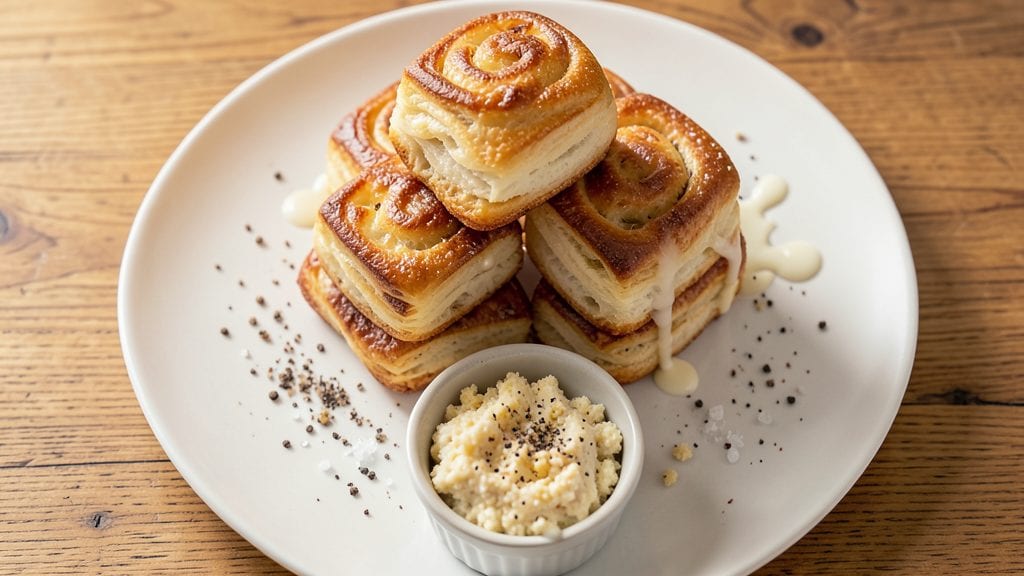
This Bisquick rolled biscuit recipe delivers the kind of flaky, golden layers that make breakfast feel like a special occasion. The secret lies in handling the dough with care—rolling it just thick enough so it puffs dramatically in the oven while staying tender inside.
I've perfected this method over years of trial and error, and it consistently produces biscuits that triple in size with crisp edges and a melt-in-your-mouth center.
What sets these biscuits apart is the technique: chilling the dough before rolling prevents overworking, while cutting them with a sharp knife ensures clean edges that brown beautifully. You'll work with just a few simple ingredients, but the results are anything but basic—think restaurant-quality flakiness without the fuss.
The dough comes together in minutes, and with proper layering, you'll have warm, buttery biscuits ready in under 20 minutes.
Once baked, these biscuits transform from a simple dough into something extraordinary—crisp on the outside, pillowy within, with layers so delicate they practically dissolve on your tongue. Serve them warm with honey, jam, or a pat of butter for an instant breakfast upgrade.
The best part? This method works every time, even for beginners. Let's get started on creating your perfect batch.
For those who love customization, you can easily adapt this recipe by adding herbs to the dough, mixing in shredded cheese, or even rolling out a sweet version with cinnamon sugar.
The possibilities are endless, but the foundation remains the same: tender, flaky biscuits that make any meal feel like a celebration. These are the kind of biscuits that disappear faster than you can say "second helping."
Ingredients for bisquick rolled biscuit
These seven core ingredients create flaky biscuits that triple in size—no shortcuts, just perfect layers.
| Ingredient | Amount | Notes |
|---|---|---|
| Bisquick Biscuit Mix 🍞 | 1 lb | Original or buttermilk mix preferred |
| Unsalted Butter 🧈 | ½ cup | Cold, cubed, full-fat for flakiness |
| Whole Milk 🥛 | ¼ cup | Cold for best texture |
| Diamond Crystal Kosher Salt 🧂 | ½ tsp | Fine grain preferred |
| Freshly Ground Black Pepper 🌶️ | ¼ tsp | Freshly cracked for best flavor |
| All-Purpose Flour 🌾 | ¼ cup | For extra flakiness if needed |
| Sharp Cheddar Cheese 🧀 | ½ cup | Shredded, optional for savory twist |
| Honey 🍯 | ¼ cup | For serving, local preferred |
| Sharp Knife ✂️ | 1 whole | For clean biscuit cuts |
| Rolling Pin 🎨 | 1 whole | Lightweight for even rolling |
| Baking Sheet 🍳 | 1 whole | Lightly greased with butter |
The butter is non-negotiable here—cold, cubed pats create those signature layers. Land O'Lakes or Plugrá work best for the fat content, but any full-fat butter will do. Grab the Bisquick from the baking aisle—the buttermilk version adds extra tenderness. I always double-check the expiration date on the milk too; cold milk prevents the dough from getting too warm. The cheese is optional but adds a nice contrast if you're making savory biscuits for dinner. For the knife, a sharp chef's knife gives cleaner cuts than a dull serrated one—trust me, it makes all the difference when they come out of the oven.
No cold butter? Microwave it 20 seconds to soften then let it sit for 5 minutes to firm up. Short on milk? Heavy cream or buttermilk work in a pinch. The flour is just for insurance—skip it if your dough feels too dry. For the honey, raw or local honey adds depth, but any kind works. Want to get fancy? Add 1 tsp dried rosemary to the dough for a savory twist. The key is handling the dough gently—don't overwork it or those flaky layers will disappear. And if your biscuits spread too much, chill the dough 10 minutes longer before rolling.
These biscuits stay fresh for 2 days at room temperature, but they're best served warm. Reheat in a 300°F oven for 5 minutes to restore that crispy exterior. For make-ahead prep, freeze uncut dough rounds for up to 3 months—bake straight from frozen, adding 2 minutes to the time. I like to wrap them in foil and freeze them individually so I can grab just what I need. The leftovers? Perfect for French toast the next morning—just dip and fry.
Why You'll Love This Recipe
- No-Fuss Magic: I swear, this recipe is the kind of thing that makes me question why I ever bothered with homemade biscuit dough. Three ingredients—real butter, Bisquick, and milk—and you’re rolling in golden perfection. No kneading, no waiting for dough to rise, just cut, roll, and bake. My lazy Sundays just got 20 minutes lighter.
- Buttery Crisp Edge: That crispy, crackly top with a melt-in-your-mouth center? It’s all in the cold butter and a quick brush before baking. Honestly, the first time I did this, I nearly burned my mouth just to taste it again. The kosher salt and pepper finish it off like a little flavor hug—simple, but ridiculously good.
- Weeknight Workhorse: Breakfast, brunch, or a hearty dinner side—these biscuits show up everywhere. Toss them in a skillet with sausage gravy, serve them alongside fried chicken, or even freeze a batch for lazy mornings. Between us, I’ve even used them to soak up soup when I’m really tired of cleanup. (Yes, even on a Tuesday night.)
- Budget Breakfast Win: A box of Bisquick and a stick of butter run about $5, and that feeds my family for weeks. No fancy ingredients, no wasted leftovers—just reliable, crave-worthy biscuits that cost pennies but taste like you spent hours. My college-student son still asks for them, and I’m not telling him the secret’s this easy.
Step-by-step instructions for Bisquick rolled biscuit recipe
Here's how to make biscuits that rise dramatically and stay flaky every time.
Prepare the Dough with Cold Ingredients
In a large mixing bowl, combine the 1 lb Bisquick Biscuit Mix, 0.5 cup Unsalted Butter (cold, cubed), 0.25 cup Whole Milk (cold), 0.5 tsp Diamond Crystal Kosher Salt, and 0.25 tsp Freshly Ground Black Pepper. Using a fork or your fingers, gently mix until the dough forms a shaggy mass—don't overwork it. The butter should still be visible in chunks.
If the dough feels too dry, add 1 tablespoon at a time of the 0.25 cup All-Purpose Flour until it comes together just enough to hold its shape when pressed. For extra flakiness, fold in the 0.5 cup Sharp Cheddar Cheese (if using) at this stage. The dough should be cool to the touch—this prevents the butter from melting before baking.
Roll and Cut for Perfect Layers
Turn the dough onto a lightly floured surface and gently pat it into a 1-inch thick rectangle. Use the Rolling Pin to roll it out to 1/8-inch thickness—this thin layer is key to those signature flaky layers. Roll firmly but evenly, rotating the dough as you go to maintain consistent thickness.
Cut the dough into 4 equal squares using the Sharp Knife. For rolled biscuits, take each square and roll it tightly from one corner to the opposite corner, creating a log shape. Place each log seam-side down on the prepared Baking Sheet, spacing them about 1 inch apart. The logs should be about 2 inches long—this ensures they'll puff up beautifully.
Bake Until Golden and Fluffy
Preheat your oven to 425°F while you prepare the biscuits. Bake for 12-15 minutes until the tops are deep golden brown and the biscuits have nearly tripled in size. You'll know they're done when they pull away slightly from the edges of the Baking Sheet and sound hollow when tapped on the bottom.
For extra browning, broil for 1-2 minutes at the end, watching closely to avoid burning. Let the biscuits cool for 2 minutes before serving—this prevents them from falling apart. Serve warm with the 0.25 cup Honey drizzled on top for a sweet touch, or enjoy them plain with your favorite breakfast spread.
Optional Cheese Variation
For a savory twist, sprinkle the tops of the biscuits with an additional 1 tablespoon of Sharp Cheddar Cheese during the last 2 minutes of baking. This adds a delicious, gooey layer that melts perfectly with the flaky texture. The cheese should bubble and turn golden—this is your cue that it's ready to eat.
These biscuits stay fresh for 2 days at room temperature, but I promise they'll disappear faster than that. Store any leftovers in an airtight container, and reheat in a 350°F oven for 5 minutes to restore that flaky magic.
Pro Tips For Making Bisquick Rolled Biscuit
- CHILL THE DOUGH: Cutting cold butter into Bisquick feels like a waste of time, but I learned this the hard way—room-temperature butter makes biscuits greasy and flat. Use a bowl of ice water for 10 minutes if your kitchen’s warm, then cut the butter into cubes. The dough will handle better when rolling, and your biscuits won’t spread like pancakes.
- SALT THE BUTTER: Diamond Crystal kosher salt is flaky, and if you’re using unsalted butter, you’ll regret skipping this. Sprinkle ½ teaspoon of salt directly over the butter cubes before mixing—it dissolves into the fat and seasons every bite. (Yes, even if the Bisquick already has salt; trust me, it needs more.)
- ROLL THIN, STACK HIGH: The recipe might say to roll to ½-inch thickness, but I’ve found ⅜-inch works better—thin enough for flaky layers, thick enough to hold shape. Roll from the center outward, and stack the dough balls loosely (don’t press them). If they stick, dust with more flour, but don’t overdo it or they’ll turn out dry.
- BAKE IN BATCHES: Crowding the pan is how you get soggy bottoms. Preheat your oven to 450°F and bake one layer of biscuits at a time—no overlapping. Use a light hand with the grease (just a brush of melted butter), and rotate the pan halfway through for even browning. Your first batch will look perfect; the second won’t if you skip this.
Best sauces and condiments for this recipe
Classic Honey Drizzle
Warm biscuits beg for a simple drizzle of raw honey—I use local clover honey for its floral notes that complement the buttery richness. Warm the honey slightly in a small saucepan (just until pourable) and drizzle 1 tablespoon per biscuit while still hot.
The heat makes the honey flow beautifully, creating a glossy finish. For extra flair, sprinkle with flaky sea salt right after drizzling. This classic combo is foolproof and highlights the biscuits' natural sweetness. 🍯
Maple Butter Spread
For a richer alternative, whip together ¼ cup softened butter with 2 tablespoons pure maple syrup and a pinch of cinnamon. Spread this warm compound butter generously on each biscuit—it adds a caramelized depth that pairs perfectly with the flaky layers.
I like to toast the biscuits briefly in the oven first to enhance their texture before applying. This works especially well with the optional cheddar cheese variation for a sweet-savory balance. 🧈
Savory Garlic-Herb Oil
Transform these biscuits into a dinner staple by serving with garlic-herb oil. Heat ¼ cup olive oil with 3 minced garlic cloves, 1 tbsp chopped fresh parsley, and ½ tsp dried thyme until fragrant.
Drizzle over warm biscuits and top with shaved Parmesan cheese. The herby oil cuts through the richness while adding a bright, aromatic contrast. Perfect for pairing with smoked salmon or charcuterie boards. 🌿
Spicy Jam Glaze
For a bold twist, mix 2 tbsp raspberry jam with 1 tsp hot honey and ¼ tsp cayenne pepper. Simmer briefly until smooth, then brush onto warm biscuits. The tart-sweet-spicy combo elevates these biscuits to next-level breakfast status.
I recommend Penzeys hot honey for consistent heat. This glaze works especially well with the cheddar cheese variation for a Southern-inspired flavor profile. 🌶️
Cream Cheese Frosting
Whip 4 oz cream cheese with 2 tbsp powdered sugar and 1 tsp vanilla extract until smooth. Spread this light frosting between stacked biscuits for a breakfast sandwich or dollop on top for a sweet treat.
The cream cheese adds a tangy richness that balances the buttery biscuits beautifully. For extra decadence, add chopped pecans or berries on top. 🥛
Everything Bagel Seasoning
For a salty crunch, sprinkle 1 tsp Everything Bagel seasoning on top of biscuits right after baking. The mix of sesame seeds, poppy seeds, garlic, onion, and salt adds a delightful texture contrast.
This works especially well with the cheddar cheese variation or as a side for breakfast meats. Store-bought seasoning works fine, but I prefer Trader Joe's for consistent flavor. 🧂
Nutrition facts
Frequently asked questions
Why do my rolled biscuits spread too much in the oven?
The most common reason is that the dough wasn't chilled long enough before rolling. Always refrigerate the dough for 15-20 minutes after mixing to firm up the butter. Another culprit is too much flour—stick to the 1 lb Bisquick measurement and only add extra flour if absolutely necessary. Using warm butter or overworking the dough also causes excessive spreading.
Can I make these biscuits ahead of time?
Yes! For best results, bake the biscuits up to 1 day ahead and store them in an airtight container at room temperature. Reheat in a 300°F oven for 5 minutes to restore crispness. For longer storage, freeze uncut dough rounds for up to 3 months—bake straight from frozen, adding 2-3 minutes to the baking time. Never freeze baked biscuits as they'll lose their flaky texture.
What's the best way to roll out the dough for maximum flakiness?
Roll the dough to exactly 1/8-inch thickness using a rolling pin. Keep the dough and your work surface lightly floured to prevent sticking. The thinner you roll it, the more dramatic the rise will be. Press firmly but evenly, rotating the dough as you go. If the dough cracks while rolling, gently press it back together—don't stretch it. The key is consistency in thickness throughout.
Can I substitute buttermilk for the milk in this recipe?
Buttermilk works even better than regular milk because its acidity helps create a more tender crumb. Use 1/4 cup buttermilk instead of the regular milk, and you'll get biscuits with slightly more lift and a finer texture. If you don't have buttermilk, mix 1/4 cup milk with 1 tsp vinegar or lemon juice, let it sit for 5 minutes, then use as directed.
How do I know when the biscuits are fully baked?
Your biscuits are done when they've nearly tripled in size and are a deep golden brown color. They should pull away slightly from the edges of the baking sheet and sound hollow when tapped on the bottom. The internal temperature should reach 190°F. Be careful not to overbake—they'll continue cooking slightly after removal from the oven. For extra browning, broil for just 1-2 minutes at the end.