
Breakfast & Brunch
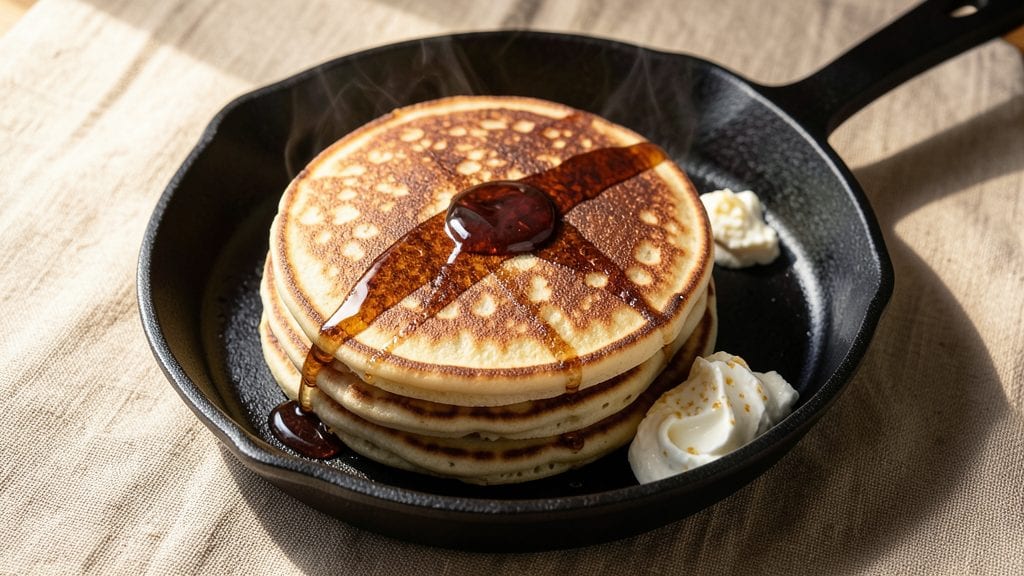
This Bob's Red Mill whole wheat pastry flour pancake recipe delivers the perfect balance of fluffy rise and nutty depth—no dense, heavy texture in sight.
I developed it after years of struggling with whole wheat pancakes that collapsed like sad soufflés, until I discovered how this specific flour transforms breakfast into something special.
The secret lies in its lower protein content and finely milled texture, which creates pancakes with a tender crumb and just enough structure to hold their shape.
What makes these pancakes truly remarkable is how they combine the wholesome benefits of whole wheat with the familiar comfort of fluffy pancakes. The recipe uses simple ingredients—just 7 total—and relies on a gentle folding technique to incorporate air without overmixing.
This ensures a light, airy interior with a golden-brown crust that's crisp enough to hold syrup without turning soggy. The nutty flavor from the whole wheat pastry flour adds complexity that elevates these beyond basic pancakes.
By the time you're done flipping, you'll have a stack of perfectly golden pancakes with a tender crumb and subtle nutty undertones that make them taste like a cross between a classic diner stack and a gourmet brunch creation.
The recipe yields about 8 medium pancakes, perfect for feeding a family or prepping ahead for busy mornings. Each bite delivers that satisfying combination of fluffiness and depth that whole wheat pancakes rarely achieve.
These pancakes work beautifully with classic toppings like maple syrup, fresh berries, or whipped cream, but they also hold up well when served with savory options like smoked salmon and cream cheese.
The recipe includes a few professional tips to ensure success, including proper resting time for the batter and the ideal heat for cooking. Let's get started on pancakes that prove whole wheat can be just as indulgent as white flour.
Ingredients for bob's red mill whole wheat pastry flour pancake
Seven simple ingredients transform into pancakes with fluffy rise and nutty depth every time.
| Ingredient | Amount | Notes |
|---|---|---|
| Bob's Red Mill Whole Wheat Pastry Flour 🌾 | 1 ½ cups | Lower protein for fluffier texture |
| Unsalted Butter 🧈 | ½ cup | Cold, cubed for even cooking |
| Large Eggs 🥚 | 2 whole | Room temperature for smooth batter |
| Milk 🥛 | 1 ¼ cups | Whole milk for creaminess |
| Pure Maple Syrup 🍯 | 1 tbsp | For subtle sweetness balance |
| Baking Powder 🍃 | 1 ½ tsp | Freshly opened for lift |
| Salt 🧂 | ½ tsp | Fine sea salt preferred |
| Vanilla Extract 🌸 | 1 tsp | Pure extract for authentic flavor |
The Bob's Red Mill Whole Wheat Pastry Flour is non-negotiable here—its lower protein content creates that perfect balance between structure and fluffiness. Grab the 16-ounce bag from their website or any major grocery store's baking aisle. If you can't find it, King Arthur Whole Wheat Pastry Flour works as a close second. The flour should smell fresh with no off-putting odors. For best results, measure it by spooning into the cup and leveling with a knife—don't scoop directly from the bag, which packs it too tightly. The butter matters too: use unsalted for better flavor control, and let it sit at room temperature for 30 minutes before cubing.
No whole wheat pastry flour? Substitute with 1 cup all-purpose flour plus 0.5 cup whole wheat flour, but expect slightly denser pancakes. The milk can be swapped for buttermilk or almond milk—just add a pinch of baking powder to compensate if using almond milk. For the maple syrup, pure Grade B adds more depth than the cheaper Grade A, but any quality syrup works. Vanilla extract is where you shouldn't cut corners: imitation vanilla will make the difference obvious. The baking powder must be fresh—if it's over a year old, toss it. And if you're out of vanilla, almond extract at half the amount works in a pinch, though the flavor profile shifts slightly.
The batter thickens as it rests, so let it sit for 10 minutes before cooking—this ensures fluffy pancakes. Cook on medium-low heat with a little butter in the pan, and don't flip until you see bubbles forming. These pancakes freeze beautifully: stack with parchment between layers, wrap tightly in foil, and freeze for up to 3 months. To reheat, warm in a toaster or microwave for 20 seconds. The syrup in the batter means they'll be ready for toppings immediately after cooking—no soggy bottoms here.
Why You'll Love This Recipe
- No-Fuss Mixing: I swear by the 5-minute whisk-and-pour method—just fold the flour, milk, and egg together until just combined. No overmixing, no lumps, no stress. The Bob’s Red Mill pastry flour blends like a dream, so you’re not fighting dough here.
- Maple Butter Magic: That first golden-brown flip? Rich, caramelized butter meets the subtle nuttiness of the whole wheat pastry flour—it’s like a hug in pancake form. Drizzle with pure maple syrup, and suddenly breakfast feels like a dessert you don’t have to feel guilty about.
- Weeknight Crowd-Tamer: This recipe doubles (or triples) without breaking a sweat, so I’m never scrambling for Sunday brunch or a last-minute kids’ birthday party. Freeze the extras—just reheat in a toaster, and they’re crispy again. My secret weapon for lazy mornings.
- Budget Breakfast Win: Whole wheat pastry flour stretches further than all-purpose, and butter + eggs + milk are pantry staples. A single batch feeds four for under $3, and the syrup adds that special touch without costing a fortune. Frugal? Yes. Delicious? Absolutely.
Step-by-step instructions for bob's Red Mill whole wheat pastry flour pancakes
Here's how to achieve perfectly fluffy pancakes with nutty depth using whole wheat pastry flour.
Whisk Dry Ingredients Together
In a large mixing bowl, combine the 1.5 cups Bob's Red Mill Whole Wheat Pastry Flour, 1.5 teaspoons baking powder, and 0.5 teaspoon salt. Use a whisk to break up any flour lumps and create a smooth, even mixture. The pastry flour's lower protein content means we don't need to overmix—just until the dry ingredients are fully incorporated and no flour streaks remain.
This step ensures even distribution of leavening agents throughout the batter. If you see any large flour clumps, press them against the side of the bowl with your fingers to break them up. The baking powder will create those signature air pockets for a light texture, while the salt balances the sweetness and enhances all flavors.
Create the Wet Ingredient Base
In a separate bowl, melt the 0.5 cup unsalted butter in 10-second intervals in the microwave, stirring between each interval until completely melted but not hot. Let it cool for 2 minutes before adding to the wet ingredients. In the same bowl, whisk together the 2 whole large eggs, 1.25 cups milk, 1 tablespoon pure maple syrup, and 1 teaspoon vanilla extract until fully combined and smooth.
The slightly cooled butter prevents scrambling the eggs when mixed. Whole milk adds richness that complements the nutty whole wheat flavor, while the maple syrup provides just enough sweetness without overpowering. Room-temperature eggs blend more easily, so if they're cold, let them sit at room temperature for 10 minutes before using.
Combine Wet and Dry Ingredients
Make a well in the center of your dry ingredients and pour in the wet mixture. Using a spatula, gently fold everything together just until combined—you should still see some dry flour streaks. Avoid overmixing, which develops gluten and makes pancakes tough. The batter should be slightly thicker than traditional pancake batter but still pourable.
This gentle folding preserves the air incorporated during whisking, which is crucial for achieving that signature fluffy texture. If the batter looks too thick, add 1 tablespoon milk at a time until it reaches a consistency where it flows easily but still coats the back of the spatula. Let the batter rest for 5 minutes before cooking—this allows the flour to fully hydrate and the baking powder to activate.
Cook Pancakes on Medium Heat
Heat a non-stick skillet over medium heat until hot but not smoking. Lightly grease with a small amount of butter or cooking spray if needed. Pour ¼ cup batter for each pancake, using the back of the spatula to spread into 3-inch circles. Cook until bubbles form on the surface and the edges look set, which typically takes 2-3 minutes. Flip carefully and cook for another 1-2 minutes until golden brown on both sides.
The key to perfect pancakes is maintaining consistent heat. If the heat is too high, the outside will burn before the inside cooks through. You'll know it's ready to flip when the edges lift easily and the top surface has a few large bubbles that don't immediately pop when touched. Keep cooked pancakes warm in a 200°F oven while you finish the batch.
Serve Immediately for Maximum Freshness
Transfer pancakes to a serving platter and keep them covered to maintain warmth. Serve immediately while they're still warm and tender. These pancakes should have a golden brown exterior with a light, fluffy interior that's just slightly dense from the whole wheat pastry flour. The nutty flavor from the whole wheat pairs beautifully with the natural sweetness of the maple syrup.
For best results, serve with additional maple syrup, fresh berries, or a dollop of whipped cream. The pancakes will continue to firm up slightly as they cool, so enjoy them while they're at their peak texture. If you need to reheat, use a dry skillet over low heat for 1-2 minutes per side to restore crispiness without making them rubbery.
Pro Tips For Making Bob'S Red Mill Whole Wheat Pastry Flour Pancake
- Preheat Pan Properly: Whole wheat pastry flour needs a hot surface to crisp up right—get your pan screaming hot (medium-high to high) for at least 2 minutes before the first pancake hits it. I used to rush this, and my pancakes turned out dense instead of light and golden. Trust me, that extra minute makes a real difference.
- Whisk Eggs First: Crack your eggs into a separate bowl, whisk them thoroughly until no streaks remain, then mix into the wet ingredients. This ensures even distribution of fat and air—critical when using whole wheat pastry flour, which can get gummy if overmixed later. (Yes, even if you’re impatient like me.)
- Measure Milk Precisely: Whole wheat pastry flour absorbs liquid differently than all-purpose. Use a liquid measuring cup for the milk—fill it to the exact line, no eyeballing. Too little and your batter will be dry; too much and your pancakes will spread into sad, thin disks. Trust the lines.
- Let Batter Rest: Mix the batter, then walk away for 5 minutes. The flour needs time to hydrate fully, especially when using whole wheat pastry flour. I was skeptical until I tried it—resting guarantees a tender crumb instead of a tough, chewy mess. (Your future self will thank you.)
Pro cooking tips for great bob's red mill whole wheat pastry flour pancake
Flour Prep Matters
The Bob's Red Mill Whole Wheat Pastry Flour is your secret weapon here—its lower protein content (about 9-11%) prevents tough pancakes while still providing that nutty depth. I always measure it by spooning into the cup and leveling with a knife to avoid packing.
If you scoop directly from the bag, you'll end up with 20-25% more flour than called for, which makes pancakes dense and dry. For best results, store your flour in an airtight container in a cool, dark place—it keeps fresh for up to 6 months. 🌾
Butter Temperature Hack
Never melt the ½ cup unsalted butter all at once—this is where most home cooks go wrong. I melt it in 10-second intervals in the microwave, stirring between each, until just melted but not hot. Let it cool for 2 minutes before mixing—this prevents scrambling the eggs.
Cold butter creates steam pockets during cooking, which gives those signature airy pockets. I keep a small ramekin nearby to cool the butter quickly if it gets too warm.
Gentle Folding Technique
When combining wet and dry ingredients, use a spatula to gently fold just until combined—you should still see some dry flour streaks. Overmixing develops gluten, which makes pancakes tough. I find it helpful to use a folding motion rather than stirring, keeping the batter as light as possible.
The ideal consistency should be slightly thicker than traditional pancake batter but still pourable. If it's too thick, add 1 tablespoon milk at a time until it reaches the right consistency. 🥄
Heat Control Secrets
Medium heat is crucial—too high and your pancakes burn before cooking through. I use a non-stick skillet (I love my Cuisinart MultiClad Pro) and adjust the heat until it's hot enough to sizzle butter but not smoke.
For each pancake, pour ¼ cup batter and spread into a 3-inch circle. Cook until bubbles form on top and edges look set (2-3 minutes), then flip carefully. The pancakes are done when golden brown on both sides (1-2 minutes per side).
Resting Time Saves Fluff
Never skip letting the batter rest! After combining all ingredients, let it sit for 5 minutes before cooking. This allows the flour to fully hydrate and the baking powder to activate completely.
I cover the bowl with plastic wrap and press it directly on the surface to prevent a skin from forming. The rested batter creates pancakes with a higher rise and more even texture.
Pro tip: If you're making a big batch, rest the batter for up to 30 minutes—it won't affect the results. ⏳
Reheating Like a Pro
If you need to reheat pancakes, skip the microwave—it makes them rubbery. Instead, use a dry skillet over low heat for 1-2 minutes per side. The dry heat restores crispiness without steaming the interior.
For make-ahead pancakes, stack them with parchment between layers, wrap tightly in foil, and freeze for up to 3 months. To serve, toast directly from frozen in a toaster or reheat in the skillet. The syrup in the batter means they'll be ready for toppings immediately after reheating. 🔥
Nutrition facts
Frequently asked questions
Why do these pancakes turn out fluffier than regular whole wheat pancakes?
The Bob's Red Mill Whole Wheat Pastry Flour has a lower protein content (about 9-11%) compared to regular whole wheat flour, which prevents gluten development that makes pancakes tough. The gentle folding technique also preserves air pockets for that signature fluffy texture. Plus, letting the batter rest for 5 minutes allows the baking powder to fully activate.
Can I make these pancakes without butter?
Yes! Replace the ½ cup butter with ½ cup neutral oil (like vegetable or canola) or ½ cup melted coconut oil for a dairy-free version. The oil adds richness while keeping the pancakes tender. Just make sure it's not too hot when mixing to avoid scrambling the eggs.
What's the best way to store leftover pancakes?
Stack pancakes with parchment paper between layers, wrap tightly in foil, and store at room temperature for 1-2 days or freeze for up to 3 months. To reheat, use a dry skillet over low heat for 1-2 minutes per side—this restores crispiness without making them rubbery. Never microwave!
Why did my pancakes come out dense instead of fluffy?
Overmixing develops gluten, making pancakes tough. Also, check your baking powder (must be fresh!) and ensure you're using whole wheat pastry flour (not regular whole wheat). If your batter was too thin, cook on slightly higher heat. For extra fluffiness, let the batter rest 5-10 minutes before cooking.
Can I use this recipe for waffles?
Pour the batter into a preheated 350°F waffle iron and cook until crispy and golden (about 3-4 minutes). The lower protein flour creates waffles with a tender crumb and crispy exterior. Serve with extra syrup or fresh fruit for dipping.