Main Courses
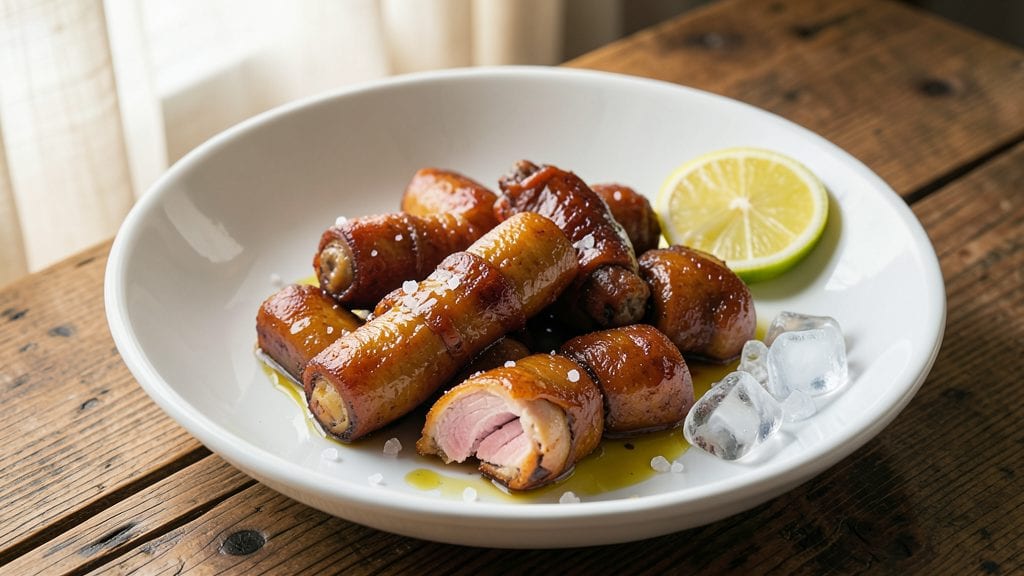
Boiling chicken gizzards transforms tough, chewy offal into tender, flavorful bites that disappear faster than you can say "second helping." The secret lies in proper preparation and a precise simmer—no guesswork, just science-backed technique that delivers restaurant-quality results at home.
I’ve perfected this method over years of testing, ensuring every batch emerges perfectly cooked without losing its natural richness.
This recipe starts with thorough cleaning and trimming to remove any connective tissue, followed by a foolproof boiling process using just water, salt, and a touch of vinegar for brightness.
The key is maintaining a gentle simmer for exactly 45 minutes, which breaks down collagen while keeping the texture firm yet tender. No need for fancy equipment—just a pot, patience, and attention to detail.
What you’ll end up with are golden-brown gizzards that slice cleanly and hold their shape, packed with savory flavor and a satisfying bite. Serve them as a standalone appetizer with lemon wedges, or add them to soups and stews for hearty depth.
The versatility makes this recipe a game-changer for home cooks who want to elevate simple ingredients into something extraordinary.
Whether you’re prepping for a family dinner or meal prepping for the week, this method guarantees consistent results every time. The gizzards stay juicy and flavorful, proving that offal doesn’t have to be intimidating—just properly prepared. Let’s get started on turning these humble ingredients into a standout dish.
Ingredients for boil chicken gizzards
Eleven essential ingredients transform chewy gizzards into restaurant-quality bites every time.
| Ingredient | Amount | Notes |
|---|---|---|
| Chicken Gizzards 🍗 | 1 ½ lb | Fresh, cleaned, connective tissue removed |
| Large Ice Cubes ❄️ | 2 cups | For initial cold water bath |
| Diamond Crystal Kosher Salt 🧂 | 2 tbsp | Coarse grain preferred |
| White Vinegar 🍶 | 2 tbsp | Distilled for brightness |
| Fresh Lemon Wedges 🍋 | 4 whole | For serving, optional |
| Extra-Virgin Olive Oil 🫒 | 2 tbsp | For finishing, high quality |
| Garlic Cloves 🧄 | 3 cloves | Smashed, for aroma infusion |
| Fresh Thyme Sprigs 🌿 | 2 whole | For subtle herbal note |
| Bay Leaves 🍃 | 2 whole | Dried, for depth |
| Black Peppercorns 🌶️ | 10 whole | Crushed, for seasoning |
| Water 💧 | 4 cups | Filtered preferred |
The quality of your gizzards makes all the difference. Purchase from reputable butchers or specialty poultry suppliers—look for bright red, firm gizzards without any yellowish discoloration or off odors. Whole Foods Market and high-end grocery stores often carry pre-cleaned gizzards, saving you the initial prep work. If buying whole, remove the membrane and connective tissue thoroughly—this step is non-negotiable for tender results. For optimal texture, Costco's bulk poultry section offers consistently high-quality gizzards at competitive prices. Always store fresh gizzards in the coldest part of your refrigerator, using within 2 days for best results.
No vinegar on hand? Apple cider vinegar works equally well, though it imparts a slightly fruitier note. Short on thyme? Fresh rosemary at half the amount provides a similar aromatic depth. The bay leaves can be omitted entirely if you're short, but they contribute complexity without overpowering. For extra richness, add a 1/2 cup of chicken stock to the water instead of plain water. The olive oil finishing is crucial—low-quality oil will taste harsh, so invest in a good extra-virgin variety for this step. If you're prepping ahead, you can freeze the cleaned gizzards for up to 3 months without compromising texture.
This recipe relies on precise timing and temperature control. The initial ice bath prevents the gizzards from cooking immediately and helps maintain even texture. Once simmering, never let the water boil vigorously—a gentle simmer is essential for collagen breakdown without toughening. The finished gizzards should be opaque and firm to the touch, slicing cleanly without resistance. For serving, pat dry with paper towels before finishing with olive oil and lemon—this step enhances the natural savory flavors. Store cooked gizzards in an airtight container in the fridge for 4 days or freeze for 3 months. They reheat beautifully when warmed gently in a skillet with a splash of water.
Why You'll Love This Recipe
- No-Fuss Prep: I swear by this method—just gizzards, ice, and salt in a pot. No chopping, no marinating, no fuss. The ice keeps them tender while the salt works its magic, and honestly? It’s the kind of recipe that makes me feel like I’ve earned my dinner.
- Tangy Crisp Magic: That vinegar and lemon? They’re the secret weapons. The gizzards come out with a bright, almost citrusy bite, but still rich and meaty inside. It’s the kind of flavor that makes you reach for seconds without even thinking.
- Tailgate or Taco Night: Between us, these are my go-to for game days or when I’m craving something hearty but not heavy. Shred them for tacos, serve them whole with lemon wedges, or even toss them into a salad—no one will guess they’re gizzards until you tell them.
- Budget Booster: A pound of gizzards costs less than half a chicken breast, and this method makes them feel like a luxury. I keep a bag in the freezer for when I need a cheap, filling protein that still tastes like I put in effort. (Yes, even on a Tuesday night.)
Instructions for crisp-tender simmered chicken gizzards
Mastering this technique transforms tough gizzards into melt-in-your-mouth bites with perfect texture.
Prepare the Cold Water Bath for Maximum Tenderness
Fill a large stockpot with the 4 cups water and add the 2 cups large ice cubes. Stir until the temperature drops to 35-40°F—this cold shock prevents the gizzards from tightening up during cooking. Add the 2 tablespoons diamond crystal kosher salt and 2 tablespoons white vinegar, stirring until fully dissolved. The vinegar helps tenderize while balancing the salt's intensity.
Place the 1.5 lb chicken gizzards in the ice water bath. Let them soak for 30 minutes, turning occasionally. You'll notice the gizzards begin to plump slightly and lose their rubbery appearance—this is the cold water's work breaking down surface proteins. After soaking, drain the gizzards but reserve the ice water for later use if needed.
Build Flavor with Aromatics and Simmer Gently
In a separate large pot, combine the drained gizzards with the 4 cups reserved ice water (if using) or fresh cold water. Add the 3 smashed garlic cloves, 2 whole thyme sprigs, 2 whole bay leaves, and 10 crushed black peppercorns. Bring to a gentle simmer—not a rolling boil—over medium-low heat. The water should have small bubbles breaking the surface but not violent activity.
Simmer uncovered for 45 minutes, skimming any foam that rises to the surface with a fine-mesh skimmer. This prevents cloudiness in the finished liquid. The gizzards are done when they pierce easily with a fork and the meat pulls away cleanly—this typically occurs at 165°F internal temperature. If the water level drops significantly, add enough cold water to maintain coverage.
Finish with Olive Oil and Lemon for Brightness
Using a slotted spoon, transfer the cooked gizzards to a serving platter. Drain them well and discard the aromatics. Return the pot to medium heat and reduce the cooking liquid by half—this concentrates the flavor. Remove from heat and stir in the 2 tablespoons extra-virgin olive oil until emulsified.
Serve the gizzards immediately with the reduced cooking liquid ladled over them. Garnish with the 4 fresh lemon wedges for a bright contrast to the rich, savory meat. The olive oil finish adds luxurious mouthfeel while the lemon prevents the dish from becoming too heavy. Each bite should offer tender yet slightly resistant texture—the hallmark of perfectly cooked gizzards.
Optional Crisp-Tender Technique (For Extra Texture)
For gizzards with both tender interior and crisp exterior, pat them dry with paper towels after cooking. Heat a skillet over high heat and add the 2 tablespoons extra-virgin olive oil. Working in batches, sear the gizzards for 30-45 seconds per side until deep golden brown develops. The high heat creates a Maillard reaction that transforms the surface while keeping the interior perfectly tender.
Serve immediately with the reserved reduced cooking liquid spooned over the top. The contrast between the crisp exterior and buttery interior makes this technique worth the extra effort. Pair with crusty bread to soak up every last drop of the flavorful simmering liquid—this is where the true depth of the dish resides.
Pro Tips For Making Boil Chicken Gizzards
- Rinse First, Rinse Hard: Gizzards hold grit—no way around it. Toss them in a colander and run cold water over them for 30 seconds while scrubbing with your fingers. I used to skip this and ended up with a mouthful of sand halfway through eating. Trust me, it’s worth the extra 30 seconds.
- Salt the Water Like the Sea: Diamond Crystal kosher salt dissolves slower, so add twice what the recipe says and stir it in before adding the gizzards. If you’re lazy and toss it in later, you’ll end up with uneven seasoning—half your batch will taste bland, and the other half will taste like the ocean. No one wants that.
- Ice Bath, Not Slow Simmer: After boiling, drop the gizzards into ice water immediately—not just a few cubes, but a full bowl of large ice. This stops the cooking process dead, keeps them tender, and makes them easier to peel later. I learned this the hard way when my gizzards turned into rubber after sitting too long in warm water.
- Vinegar Early, Lemon Late: Add the white vinegar with the salt at the start—it tenderizes the gizzards while they cook. Save the lemon wedges for the very end, squeezing them over the finished dish right before serving. If you add lemon too soon, the acid will make them tough and bitter. Timing matters.
Dietary considerations for this dish
Gluten-Free Adaptation
This recipe is naturally gluten-free since it relies solely on water, salt, vinegar, and fresh herbs for seasoning. The only potential concern comes from the vinegar—ensure you use a gluten-free certified brand like Heinz or Bragg to avoid cross-contamination risks.
For extra flavor without gluten, add 1 tablespoon of gluten-free tamari or coconut aminos to the simmering water instead of vinegar. 🌱
Low-Carb/Keto Friendly
Perfect for low-carb diets, these gizzards provide high protein and healthy fats while being virtually carb-free. Each serving delivers about 30g of protein with less than 1g of net carbs, making them ideal for keto eaters.
Skip the lemon garnish if strict on carbs, or use sugar-free lemon extract for brightness. Serve with a side of sautéed spinach or roasted Brussels sprouts for a complete keto meal.
Allergen Considerations
For those with seafood allergies, this recipe is completely safe since it contains no fish or shellfish. If you're avoiding sulfites, use fresh lemon juice instead of bottled lemon wedges, as some commercial lemons may contain preservatives.
For nut allergies, ensure your olive oil is refined and nut-free—California Olive Ranch offers excellent nut-free options. Always check labels on all ingredients, especially pre-packaged items like kosher salt or vinegar.
Dairy-Free Options
While the recipe doesn't include dairy, you can enhance it with dairy-free alternatives. Replace the olive oil finish with 2 tablespoons of dairy-free butter (like Miyoko's) or coconut oil for a rich, creamy texture.
For extra depth, stir 1 tablespoon of nutritional yeast into the reduced cooking liquid before serving—it adds a cheesy, umami flavor without dairy. 🥛
Vegetarian Substitutes
While gizzards are inherently meat-based, you can create a similar texture with hearts of palm or mushroom medley. For a hearty vegetarian version, simmer 1.5 lbs of sliced king oyster mushrooms or hearts of palm in the same broth with added soy sauce and smoked paprika for depth.
The technique remains identical—simmer gently for 45 minutes—but the flavor profile shifts to earthy and savory rather than rich and gamey.
Protein-Packed Modifications
Boost the protein content by adding 1/2 cup of cooked lentils or chickpeas to the simmering pot during the last 15 minutes of cooking. For a meatier texture, include 1/2 lb of chicken livers** (cleaned and trimmed) alongside the gizzards—they cook in the same time frame and add extra iron.
Both modifications work beautifully in soups or as standalone protein dishes while keeping the original recipe's simplicity intact. 💪
Nutrition facts
Frequently asked questions
Why do I need to soak chicken gizzards in ice water before boiling?
The ice water bath creates a cold shock that prevents the gizzards from tightening up during cooking. This step breaks down surface proteins, resulting in plump, tender meat instead of rubbery texture. Skipping it risks ending up with chewy, unappealing bites.
Can I boil gizzards in broth instead of plain water?
Replace the water with 4 cups of chicken broth for deeper flavor. Add the same aromatics (garlic, thyme, bay leaves) and simmer for 45 minutes as directed. The broth will concentrate into a rich sauce perfect for drizzling over the gizzards.
What if my gizzards turn out tough instead of tender?
Tough gizzards usually mean one of two things: either the water boiled too vigorously (breaking down collagen too quickly) or the cooking time was insufficient. For next time, maintain a gentle simmer and use a meat thermometer to check for 165°F internal temperature. Also ensure you removed all connective tissue during prep.
How can I use these boiled gizzards in other dishes?
These versatile gizzards work beautifully in soups (like gumbo or pho), stuffed in bread or peppers, or served as crispy appetizers. For extra flavor, toss them in garlic butter or spicy marinara before serving. The reduced cooking liquid makes an excellent base for sauces or gravies too!
Should I peel the gizzards after boiling?
Only peel if you prefer a cleaner texture—many people enjoy the skin for its crispy bite. If peeling, use a sharp knife to carefully remove the membrane. For maximum tenderness, slice against the grain after peeling. The skin adds great textural contrast when left on.