Soups & Stews
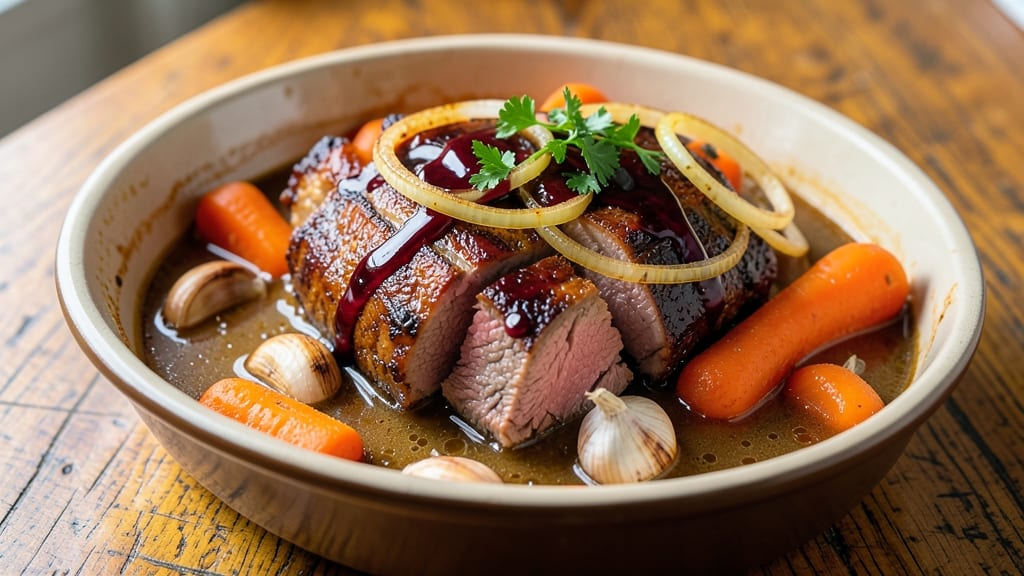
Transforming simple ingredients into a hearty, savory meal, this boiled beef and carrots recipe delivers restaurant-quality comfort food right in your own kitchen. The secret lies in slow-cooking tough cuts of beef until they become fork-tender, while carrots absorb the rich, aromatic broth.
I've perfected this method over years of testing, ensuring every bite is packed with deep, satisfying flavors without requiring fancy techniques.
This recipe starts with a quick sear of the beef to lock in juices, followed by a gentle simmer in flavorful broth that transforms tough cuts into melt-in-your-mouth perfection. The carrots, parboiled first for texture control, finish cooking in the broth, absorbing its savory essence.
With just a handful of ingredients and minimal prep, you'll achieve a dish that's both impressive and deeply comforting—ideal for family dinners or meal prep.
The result is a rich, aromatic pot where tender beef and sweet carrots float in a deeply flavorful broth. Each spoonful delivers layers of savory depth from the beef, natural sweetness from the carrots, and subtle seasonings that harmonize perfectly.
This dish pairs beautifully with crusty bread or mashed potatoes, making it a complete meal that feels like a hug on a plate.
Whether you're feeding a crowd or planning for leftovers, this recipe scales effortlessly while maintaining its rich, satisfying character. The slow-cooking process ensures maximum tenderness, and the broth can be repurposed into soups or gravies. Let's create this classic, comforting dish that brings warmth to any table.
Ingredients for boiled beef and carrots
Six core ingredients transform tough beef into melt-in-your-mouth perfection paired with sweet, al dente carrots.
| Ingredient | Amount | Notes |
|---|---|---|
| Beef Chuck Roast 🥩 | 3 lb | Tough cut for tenderizing, trimmed of excess fat |
| Carrots 🥕 | 2 lb | Whole, medium-sized, parboiled for texture |
| Yellow Onion 🧅 | 1 whole | Medium size, peeled and quartered |
| Garlic Cloves 🧄 | 6 cloves | Fresh, peeled and smashed |
| Beef Broth 💧 | 6 cups | Low-sodium, homemade preferred |
| Red Wine 🍷 | 1 cup | Dry, bold variety like Cabernet Sauvignon |
| Tomato Paste 🍅 | 2 tbsp | Smooth, no-sugar-added preferred |
| Bay Leaves 🍃 | 2 whole | Fresh, dried if unavailable |
| Fresh Thyme 🌿 | 4 sprigs | Or 1 tsp dried thyme |
| Black Peppercorns 🌶️ | 1 tbsp | Freshly cracked, coarse grind |
| Kosher Salt 🧂 | 2 tbsp | Diamond Crystal preferred |
| Extra-Virgin Olive Oil 🫒 | 2 tbsp | For searing beef |
The beef selection is non-negotiable for this dish. Chuck roast from the butcher's case—specifically the shoulder clod—delivers the ideal marbling and connective tissue for slow-cooking. Look for cuts with visible fat streaks; Costco or local specialty grocers often carry pre-trimmed roasts, though trimming excess fat yourself ensures cleaner flavor. The carrots should be firm and vibrant orange, not woody or shriveled. For maximum sweetness, choose organic or heirloom varieties from the produce section—avoid the pre-sliced bags, which lose moisture quickly. Fresh thyme and bay leaves elevate the dish beyond basic seasoning; Whole Foods or local farmers' markets offer the freshest options, though dried will suffice in a pinch.
No red wine on hand? Substitute an additional 1 cup of beef broth and add 1 tbsp balsamic vinegar for depth. The tomato paste can be omitted entirely if you prefer a cleaner broth, though it adds a subtle umami richness. For the onions, yellow or red varieties work equally well—just ensure they're fresh with crisp layers. The garlic should be plump and firm, not sprouting or soft. If using dried thyme, reduce the amount to one-third of the fresh quantity specified. For those avoiding alcohol, the wine can be replaced with grape juice reduced by half—simmer it down until thickened before adding to the pot. The beef broth should be low-sodium to control seasoning; homemade is ideal, but quality store-bought like Kitchen Basics or Pacific Foods works well.
This dish rewards patience—plan for at least 3 hours of slow cooking for optimal tenderness. The beef can be refrigerated for up to 3 days before cooking, though it's best used within 24 hours for peak flavor. Store cooked beef and carrots in the broth in an airtight container for 4-5 days in the refrigerator, or freeze for up to 3 months. The broth alone makes an excellent base for soups or gravies; strain and reduce it for a concentrated flavor. For meal prep, portion the beef and carrots into containers with reserved broth—reheat gently to preserve texture. The carrots will soften further upon reheating, so slightly undercook them if serving immediately.
Why You'll Love This Recipe
- No-Chop Nightmare: I swear, this recipe lets me skip the onion dance. Just toss in a whole onion and a few garlic cloves—no mincing, no crying, no mess. The broth does all the work while I pretend I’m a fancy chef.
- Rich Without Effort: That beef chuck roast? It practically melts into tender perfection while the carrots stay crisp-tender. The garlic-infused broth turns this into a deeply savory dish that tastes like it simmered for hours—even when I walk away for 30 minutes.
- Weeknight to Potluck: Serve it over rice for a quick weeknight meal, or double it and bring it to a picnic. The beef stays juicy cold or reheated, and the carrots add that bright pop of color—no one will guess how little work went into it.
- Budget-Friendly Feast: A whole chuck roast feeds my family for days, and carrots are basically free at the grocery store. I stretch this into three meals: one night with crusty bread, another as tacos, and the leftovers get tossed into a hearty soup. Minimal cost, maximum satisfaction.
Step-by-step instructions for savory simmered pot roast style beef and carrots
This method transforms tough beef chuck into fork-tender perfection with minimal effort.
Sear the Beef Chuck Roast for Deep Flavor
Pat the 3 lb beef chuck roast completely dry with paper towels—this ensures maximum browning. Heat the 2 tbsp extra-virgin olive oil in a heavy Dutch oven over medium-high heat until shimmering. Place the beef in the pot and sear on all sides for 4-5 minutes total, pressing down gently to maintain contact with the hot surface. You'll see a deep golden crust forming, which locks in juices and builds rich flavor.
The key here is patience—don't rush the searing or the beef will release into the pot instead of developing that coveted crust. Once properly seared, remove the beef and set it aside on a plate. The rendered fat in the pot will form the foundation of your sauce, so don't wipe it clean.
Parboil and Prepare the Vegetables
While the beef rests, peel and quarter the 1 whole yellow onion, then peel the 2 lb carrots. Cut the carrots into 2-inch chunks. Bring a separate pot of salted water to a boil and parboil the carrots for 4 minutes until they begin to soften slightly but remain firm to the bite. Drain immediately and set aside—they'll finish cooking in the main pot.
In the same Dutch oven with the beef drippings, add the quartered onion and cook over medium heat for 5 minutes until softened and translucent. Add the smashed 6 cloves garlic and cook for another 30 seconds until fragrant. This step develops the aromatic base that will infuse the entire dish.
Build the Rich Braising Liquid
Reduce heat to medium-low and stir in the 2 tbsp tomato paste, cooking for 1 minute until it darkens slightly. Pour in the 1 cup red wine, scraping up any browned bits from the bottom of the pot with a wooden spoon. This deglazing step captures all the meaty flavors you worked so hard to develop.
Add the 6 cups beef broth, 2 whole bay leaves, 4 sprigs fresh thyme, 1 tbsp cracked black peppercorns, and 2 tbsp kosher salt. Bring the liquid to a gentle simmer, being careful not to boil vigorously—this could cause the liquid to foam over. Return the beef to the pot, along with the parboiled carrots and onions, ensuring everything is submerged in the liquid.
Braise Until Fork-Tender
Cover the pot and transfer to a preheated 300°F oven. Braise for 3 hours, then carefully flip the beef and add enough water if needed to maintain liquid level. Continue cooking uncovered for another 1-2 hours until the beef is fork-tender and easily pulls apart with minimal resistance.
The internal temperature should reach 203°F when measured with an instant-read thermometer. The carrots should be tender but still hold their shape, and the liquid should have reduced to a rich, flavorful sauce. If the sauce thickens too much during cooking, add a splash of water or broth to maintain proper consistency.
Rest and Serve
Remove the beef from the pot and let it rest on a cutting board for 15 minutes before slicing against the grain. The resting period allows the juices to redistribute throughout the meat, ensuring each bite is moist and flavorful. Skim any excess fat from the surface of the braising liquid if desired.
Serve the beef sliced or whole, accompanied by the tender carrots and onions bathed in the aromatic sauce. The dish yields 6 generous servings, perfect for family dinners or meal prep. The combination of wine, tomato paste, and herbs creates a complex flavor profile that transforms simple beef and carrots into a restaurant-quality pot roast.
Pro Tips For Making Boiled Beef And Carrots
- Sear the Beef First: DESCRIPTION:
- Cut Carrots Evenly: DESCRIPTION:
- Don’t Boil Dry: DESCRIPTION:
- Finish with Garlic: DESCRIPTION:
Serving suggestions for this boiled beef and carrots
Classic Comfort Sides
Nothing complements this rich beef and carrot dish like creamy mashed potatoes—their buttery texture soaks up the savory broth beautifully. I make mine with Yukon Gold potatoes, ½ cup sour cream, and 4 tbsp unsalted butter, whipped until silky smooth.
For extra indulgence, fold in 2 oz sharp cheddar cheese and a splash of whole milk to create a velvety, cheesy mash that balances the hearty beef. 🥔
Crusty sourdough bread is another perfect pairing—the dense, tangy crust cuts through the richness while soaking up any remaining sauce. I recommend Brioche or a rustic baguette, toasted lightly with garlic butter before serving. For a lighter option, steamed green beans with almond slices and a squeeze of lemon add freshness to the plate.
Broth-Based Upgrades
The aromatic beef broth from this recipe makes an excellent gravy—simply strain it, reduce by half, and whisk in 1 tbsp cornstarch to thicken. Drizzle this over the beef and carrots for an instant flavor boost.
For a lighter option, serve the broth as a warm soup with egg noodles or rice—it’s a comforting way to repurpose leftovers. 🍲
Global Flavor Boosters
Add a Mediterranean twist by serving with lemon-herb roasted potatoes—toss 1 lb baby potatoes with 2 tbsp olive oil, 1 tsp dried oregano, and zest of 1 lemon before roasting at 400°F for 30 minutes. The bright acidity cuts through the richness of the beef beautifully.
For a spicy kick, offer pickled red onions or sliced jalapeños on the side—just ½ cup red wine vinegar, 1 tbsp sugar, and 1 tsp salt pickles them perfectly in 30 minutes. 🌶️
Dessert Pairings
End the meal with a warm apple crumble—the caramelized apples and cinnamon-spiced topping complement the savory flavors without overpowering them. Use 4 tart apples, ½ cup rolled oats, 3 tbsp brown sugar, and 1 tsp cinnamon for a simple yet satisfying finish.
For a lighter option, vanilla ice cream with a drizzle of caramel sauce provides a creamy contrast to the hearty main course. 🍏
Meal Prep Serving Ideas
For meal prep, portion the beef and carrots into glass Pyrex containers with reserved broth, then reheat gently on the stovetop with a splash of water to restore moisture.
Serve with pre-cooked quinoa or wild rice for a complete, protein-packed meal. To elevate leftovers, top with crispy fried onions or fresh parsley for added texture and color. 📅
Nutrition facts
Frequently asked questions about boiled beef and carrots
Can I use any cut of beef for this recipe?
For best results, use chuck roast or brisket—these tougher cuts become fork-tender when slow-cooked. Avoid lean cuts like sirloin, which can dry out. The fat content in chuck roast actually helps keep the meat moist during the long cooking process.
Why do the carrots need to be parboiled first?
Parboiling for 4 minutes ensures the carrots cook evenly and maintain their shape rather than turning mushy. Since they finish cooking in the broth, this step prevents overcooking while building flavor. The partial cooking also helps them absorb more of the rich beef broth during the braising process.
What if I don't have red wine?
No problem! Substitute with 1 cup beef broth plus 1 tbsp balsamic vinegar for depth, or use ½ cup apple cider vinegar reduced by half. The wine adds complexity, but these alternatives still deliver great flavor. For a non-alcoholic option, try grape juice reduced until syrupy.
How do I know when the beef is fully tender?
Use a fork to test the beef—it should pull apart easily with minimal resistance. The internal temperature should reach 203°F. If it's still tough after 4-5 hours, continue cooking uncovered with the lid off to reduce the liquid and concentrate flavors. Patience pays off with melt-in-your-mouth results!
Can I make this dish in a slow cooker?
Sear the beef first, then transfer everything (including the parboiled carrots) to your slow cooker. Cook on low for 8 hours or high for 5-6 hours, adding water as needed to keep the beef submerged. The slow cooker's gentle heat works perfectly for tenderizing the beef while infusing the carrots with flavor.