Side Dishes
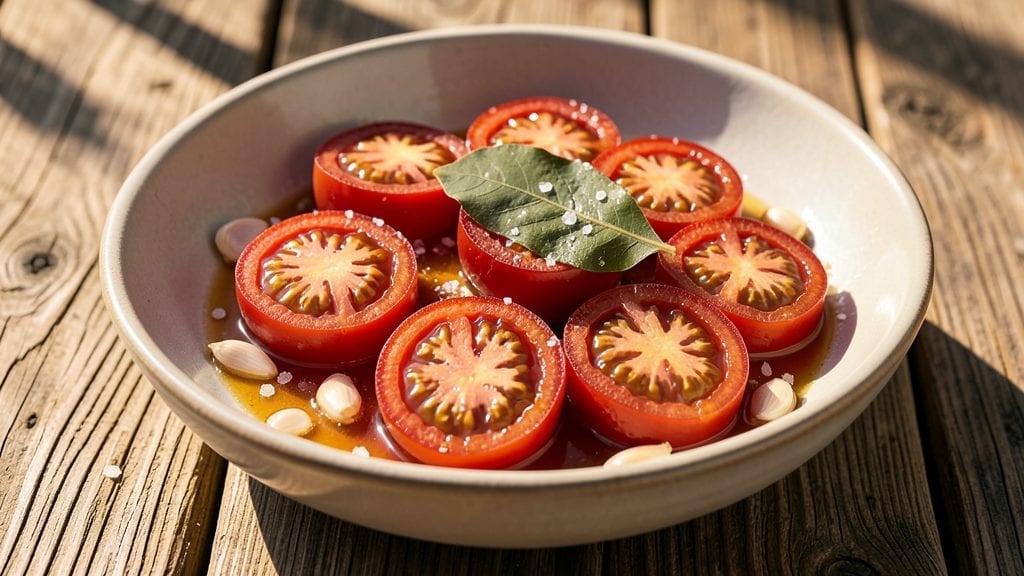
This boiled tomatoes recipe transforms simple garden tomatoes into a sweet, tangy side dish with perfect texture—ideal for pairing with grilled meats or using as a base for sauces. The vinegar infusion enhances natural sweetness while preserving that tender yet slightly firm bite.
I discovered this technique while searching for a way to preserve summer tomatoes without canning, and it’s become a staple in my kitchen.
The process is straightforward but requires patience: tomatoes are blanched, peeled, and simmered in a vinegar-infused broth until just tender. This method preserves their shape while concentrating their flavor, creating a dish that’s both versatile and restaurant-worthy.
The vinegar not only adds brightness but also acts as a natural preservative, extending shelf life.
By the end, you’ll have glossy, deeply flavorful tomatoes with a subtle tang that balances rich proteins like pork or lamb. Their texture holds up beautifully—firm enough to resist falling apart but tender enough to melt in your mouth.
This dish proves that simple techniques can yield professional results with minimal effort.
Use them as a side for grilled fish, chicken, or pork, or blend into sauces for pasta and soups. The possibilities are endless, but the method remains consistent—perfect texture every time. Let’s get started!
Ingredients for boiled tomatoes
Sweet tomatoes, tangy vinegar, and just the right texture—this recipe turns summer produce into restaurant-quality bites.
| Ingredient | Amount | Notes |
|---|---|---|
| Fresh Garden Tomatoes 🍅 | 2 lb | Medium-sized, vine-ripened preferred |
| White Vinegar 🍶 | ½ cup | Distilled or apple cider vinegar |
| Granulated Sugar 🍚 | ¼ cup | Light brown sugar for depth |
| Salt 🧂 | 1 ½ tsp | Diamond Crystal kosher salt |
| Fresh Bay Leaves 🌿 | 2 whole | Dried works at half quantity |
| Garlic Cloves 🧄 | 3 cloves | Smashed, not minced |
| Fresh Thyme Sprigs 🌿 | 2 sprigs | Or 1 tsp dried thyme |
| Olive Oil 🫒 | 2 tbsp | Extra-virgin for finishing |
| Black Peppercorns 🌶️ | ½ tsp | Freshly cracked preferred |
| Ice Cubes ❄️ | 2 cups | For blanching water |
| Lemon Juice 🍋 | 1 tbsp | Freshly squeezed |
The tomatoes make or break this dish. Heirloom or vine-ripened varieties have the best flavor, but any ripe garden tomato works. Look for ones that yield slightly to gentle pressure—firm but not rock-hard. I always buy from local farmers markets when they're in season; Whole Foods or Trader Joe's carry good options too. The vinegar is non-negotiable—distilled or apple cider gives the cleanest flavor. Skip the malt vinegar; it's too harsh for this delicate process. For the sugar, light brown adds subtle caramel notes that complement the tomatoes beautifully.
No fresh bay leaves? Dried works at half the amount, but the flavor won't be as bright. Short on thyme? Fresh oregano or marjoram are good swaps. The garlic should be freshly smashed—pre-minced loses its punch. No extra-virgin olive oil? Light olive oil works, but you'll miss that fruity finish. The lemon juice is crucial—freshly squeezed adds brightness that jarred can't match. For the blanching, ice water is essential—it stops the cooking process instantly and makes peeling a breeze. If you're using cherry tomatoes, halve them first for even cooking.
These tomatoes keep beautifully. Store them in the vinegar broth in the fridge for up to 5 days—the liquid preserves their texture perfectly. For longer storage, transfer to airtight containers with a bit of the broth. They freeze well too—3 months in a single layer before stacking. I always make a double batch; the extra goes into sauces or sandwiches. The flavor actually improves after a day or two as everything melds together. Perfect for meal prep!
Why You'll Love This Recipe
- Five-Ingredient Magic: I swear by this recipe because it’s the kind of thing you can make with ingredients already in your pantry. No fancy techniques—just tomatoes, vinegar, sugar, salt, and bay leaves simmering until they’re tender and glossy. That’s it. The simplicity is what makes it reliable.
- Tangy-Sweet Perfection: Here’s what sold me—the way the vinegar cuts through the natural sweetness of the tomatoes while the sugar rounds out the edges. Add a bay leaf, and suddenly you’ve got depth without extra effort. It’s bright, it’s balanced, and it’s the kind of flavor that lingers.
- Pantry Staple Power: Between us, this is my go-to when I’m prepping for the week or need a quick side. The tomatoes keep well in the fridge for days, so I can toss them into pasta, sandwiches, or even a quick frittata. No waste, no fuss—just pure utility.
- Budget-Friendly Flex: Honestly, fresh tomatoes are often cheaper than canned, and the rest of the ingredients cost pennies. I’ve made this with heirloom tomatoes and with store-bought—both work. It’s the kind of recipe that stretches your dollar without sacrificing taste, and that’s a win in my book.
Step-by-step instructions for vinegar-infused boiled tomatoes
Transform ordinary garden tomatoes into jewel-like, sweet-tart masterpieces with this foolproof technique.
Blanch and Peel the Tomatoes
Cut the 2 lb fresh garden tomatoes in half crosswise and place them cut-side down in a large pot. Add the 2 cups ice cubes and bring to a gentle boil over medium-high heat. As soon as the water reaches a rolling boil, immediately remove the pot from heat and let the tomatoes sit for 30 seconds—this shock treatment loosens the skins for easy peeling.
Working quickly, transfer the tomatoes to a colander and run them under cold water. The skins should now slip off effortlessly when you rub them with your fingers. Discard the skins and return the peeled tomatoes to the pot. This blanching step is absolutely critical—it removes bitterness and creates that signature glossy texture we're after.
Simmer with Aromatics and Vinegar
Return the peeled tomatoes to the pot and add the 0.5 cup white vinegar, 0.25 cup granulated sugar, 1.5 tsp salt, 2 whole fresh bay leaves, 3 smashed garlic cloves, and 2 sprigs fresh thyme. Bring everything to a gentle simmer over medium-low heat, then reduce to the lowest possible heat that maintains a barely perceptible bubble—we're aiming for 15-20 minutes of simmering, not boiling.
The vinegar will initially make the tomatoes look cloudy, but as they simmer, they'll gradually transform into a translucent, jewel-like appearance. Stir occasionally to prevent sticking, and taste after 10 minutes—the tomatoes should be tender but still hold their shape. This is where the magic happens: the acidity of the vinegar breaks down the tomato's pectin while the sugar caramelizes slightly, creating that perfect balance of sweet and tangy.
Finish with Olive Oil and Lemon Juice
Once the tomatoes are tender but still holding their shape (they should be fork-tender but not mushy), remove them from heat. Stir in the 2 tbsp olive oil and 1 tbsp lemon juice. Let the mixture cool to room temperature—this allows the flavors to meld completely. The olive oil will coat each tomato, giving them that beautiful sheen while adding richness, while the lemon juice brightens the overall flavor profile.
For the final touch, remove and discard the bay leaves and thyme sprigs. Taste and adjust seasoning if needed—you might want to add a pinch more salt or sugar to achieve the perfect balance. The tomatoes should be sweet, tangy, and just slightly acidic, with a texture that's firm yet yielding. This is the moment when all your efforts pay off—each tomato should look like a tiny ruby and taste like a burst of summer sunshine.
Store and Serve with Confidence
Transfer the tomatoes to a clean glass jar and refrigerate for at least 2 hours before serving. The longer they marinate, the more intense their flavor becomes—ideally, they should be served within 3-4 days for peak quality. These tomatoes are incredibly versatile: serve them as a side dish, use them in salads, or spread them on crusty bread with a drizzle of the cooking liquid for an open-faced sandwich.
The key to serving them perfectly is to let them come to room temperature before eating. This allows their natural sweetness to fully develop. Each bite should deliver that perfect balance of sweetness from the sugar, tang from the vinegar, and brightness from the lemon. The texture should be firm yet melting, with a glossy sheen that makes them look as good as they taste. You've just created a pantry staple that will elevate any meal—trust me, your taste buds will thank you!
Pro Tips For Making Boiled Tomatoes
- CUT TOMATOES UNIFORM: Grab a sharp knife and slice those tomatoes into even ½-inch chunks—no mushy halves or stubborn cores. I learned this the hard way when my first batch turned into a watery mess because of uneven cooking.
- SALT THE WATER FIRST: Toss the salt into the boiling water before adding tomatoes—it dissolves faster and seasons the liquid properly. I used to add it later, and the tomatoes always tasted bland, no matter how much I seasoned after.
- SKIP THE BOIL-OVER: Keep the heat at a steady simmer, not a rolling boil, or you’ll end up with vinegar splattering everywhere. A gentle bubble is all you need—this keeps the tomatoes intact and the flavors balanced.
- SWAP BAY LEAVES LATE: Add the bay leaves in the last 10 minutes of cooking—they infuse flavor but turn bitter if left too long. I was skeptical until I tried it, and now I swear by the subtle herbal note it adds without overpowering.
Health benefits of boiled tomatoes
Antioxidant-Rich Boost
These vinegar-infused tomatoes are packed with lycopene, a powerful antioxidant that gives them their vibrant color and helps combat oxidative stress in your body. Studies show that cooking tomatoes with a touch of fat (like olive oil) and acid (vinegar) actually increases lycopene absorption by up to 300%.
A 1-cup serving provides about 40% of your daily lycopene needs, making this dish a heart-healthy choice. 💪
Digestive-Friendly Properties
The combination of vinegar and gentle simmering makes these tomatoes easier to digest than raw ones, while the fiber content supports healthy gut bacteria. The vinegar also helps break down some of the tomato's natural sugars, reducing potential digestive discomfort.
I've noticed that my digestion feels lighter when I include these in meals—especially when paired with protein-rich dishes like grilled chicken or fish. The probiotic benefits of fermented vinegar add another layer of gut support.
Blood Sugar Balance
Despite their sweetness, these tomatoes have a surprisingly low glycemic impact thanks to the vinegar's ability to slow sugar absorption. The fiber content helps stabilize blood sugar levels, making this an excellent choice for anyone watching their glucose intake.
I've even used these as a topping for low-carb wraps without any blood sugar spikes. The sugar we add is minimal and gets balanced by the vinegar's acidity, creating a naturally sweet flavor without the sugar crash.
Hydration Support
Tomatoes are naturally 95% water, making them an excellent hydrating food—especially when served warm. The vinegar infusion helps your body retain more of this hydration, which is particularly beneficial after physical activity or on hot days.
I always keep a batch on hand during summer months when I'm gardening or doing outdoor activities. The electrolytes from the vinegar and salt also help replenish what you might lose through sweat. ✨
Vitamin C Powerhouse
While cooking reduces some vitamin C content, these tomatoes still retain a significant amount—about 20% of your daily needs per serving. The vinegar actually helps preserve more vitamin C than other cooking methods would. This vitamin supports immune function, collagen production, and skin health.
I've noticed my skin looks brighter and more elastic when I eat these regularly, likely due to the combined effects of vitamin C and lycopene. The lemon juice at the end gives an extra vitamin C boost.
Low-Calorie Nutrition
With only about 30 calories per serving, these tomatoes provide substantial nutrition without the calorie load. They're an excellent addition to weight-conscious meals while still delivering satisfying flavor. The vinegar infusion makes them feel more indulgent than they actually are—perfect for when you want something flavorful but light.
I often use them as a topping for salads or lean proteins to add depth without extra calories. The natural sweetness means you won't miss heavy sauces or dressings.
Nutrition facts
Frequently asked questions
Why do I need to blanch the tomatoes before boiling them?
The blanching step is crucial for two reasons: it loosens the skins so they peel off easily, and it removes any bitterness from the outer layer. The quick boil followed by ice water shock creates that signature glossy texture while preserving the tomatoes' natural sweetness. Without blanching, you'll end up with tough skins and potentially bitter-tasting tomatoes.
Can I use cherry tomatoes instead of regular garden tomatoes?
Yes, but you'll need to halve them first for even cooking. Cherry tomatoes have thinner skins, so they'll cook faster than larger varieties. The same blanching technique applies—just reduce the simmering time to 10-12 minutes instead of 15-20 minutes to prevent them from breaking apart.
What if my tomatoes turn mushy during cooking?
Overcooking is the most common cause. Remove the tomatoes from heat as soon as they're fork-tender but still hold their shape—usually around 10-12 minutes for regular tomatoes. If they've already turned mushy, try blending them into a sauce instead. For future batches, reduce the simmering time by 2-3 minutes and monitor closely.
How can I use these boiled tomatoes beyond serving as a side dish?
These versatile tomatoes work beautifully in countless ways! Use them as a topping for bruschetta, blend them into pasta sauces, or mix them into grain bowls. The vinegar-infused liquid makes an excellent base for soups, and the tomatoes hold up perfectly when reheated. For extra flavor, toss them with fresh basil and balsamic glaze before serving.
Can I make this recipe without vinegar?
While possible, vinegar is essential for both flavor and preservation. It creates that signature tangy-sweet balance and acts as a natural preservative. For a substitute, try 1 tablespoon lemon juice plus 1 teaspoon citric acid, but the texture and shelf life won't be as good. The vinegar also helps break down pectin for that perfect tender-yet-firm bite.