Breakfast & Brunch
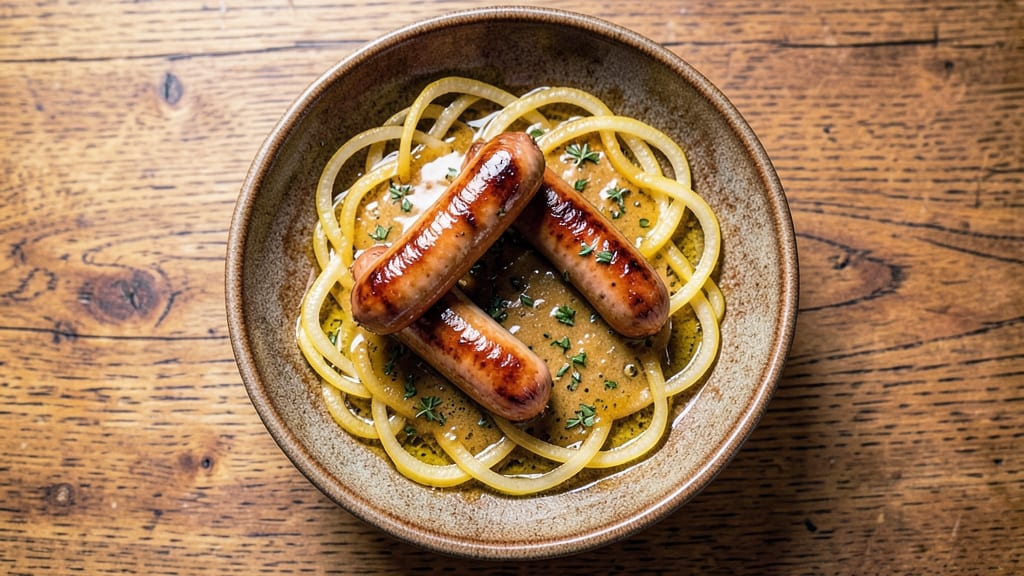
Mastering the art of cooking bratwurst means achieving that perfect balance of crispy skin and juicy centers—something that separates a good brunch from a great one. After testing countless methods, I’ve perfected a foolproof grilling technique that delivers restaurant-quality results every time, with just the right char and tender interior.
The secret lies in preheating your grill to high heat and avoiding overcrowding, which ensures even cooking and maximum flavor.
This recipe isn’t just about the bratwurst itself—it’s about the full experience. Pairing them with classic sides like sauerkraut, tangy mustard, and crisp pretzels transforms a simple meal into a satisfying spread that feels like a celebration.
Whether you’re grilling outdoors or using a cast-iron skillet indoors, the method remains the same, guaranteeing crispy, golden skin while keeping the inside moist and flavorful.
What you’ll end up with is bratwurst that’s impossible to resist—sizzling on the grill, bursting with savory goodness, and perfectly balanced in texture. The aroma alone will have everyone gathering around, but the first bite is where the magic happens.
This is the kind of dish that turns a casual brunch into a memorable meal, and it’s easier to achieve than you might think.
Ready to elevate your next cookout or weekend breakfast? Let’s get started with a method that delivers foolproof results, no matter your skill level. The key is patience and precision—two small efforts that make all the difference in the final dish.
Ingredients for bratwurst cooking
Eight juicy sausages, two basting oils, and sides that turn brunch into a celebration.
| Ingredient | Amount | Notes |
|---|---|---|
| Fresh Bratwurst Sausages 🥓 | 8 whole | High-quality, natural casings preferred |
| Extra-Virgin Olive Oil 🫒 | 2 tbsp | For basting, high smoke point |
| Yellow Onion 🧅 | 1 whole | Thinly sliced for caramelizing |
| Garlic Cloves 🧄 | 4 cloves | Minced for marinade |
| Fresh Thyme Leaves 🌿 | ¼ cup | Chopped, or 1 tsp dried thyme |
| Dijon Mustard 🍯 | 1 tbsp | For marinade, high quality |
| Beer (Light Lager) 🍺 | ½ cup | For marinade, chilled |
| Coarse Kosher Salt 🧂 | 1 ½ tsp | Diamond Crystal preferred |
| Freshly Ground Black Pepper 🌶️ | 1 tsp | Cracked peppercorns preferred |
| Sauerkraut 🥬 | 2 cups | Drained, for serving |
| German Mustard 🍯 | ¼ cup | For serving, tangy variety |
| Crusty Pretzel Buns 🥖 | 4 whole | Split for serving |
| Unsalted Butter 🧈 | 2 tbsp | For basting, softened |
The bratwurst makes all the difference—Johnsonville or local butcher sausages with natural casings get that perfect snap. Avoid pre-cooked varieties; fresh is non-negotiable. For the marinade, Budweiser or a crisp German pilsner works best—something light that won’t overpower. If you’re feeling fancy, grab a bottle of Schneider Ales from the beer section. The onions? Sweet yellows caramelize better than reds, and Yellowstone brand stays crisp longer. Fresh thyme is ideal, but dried works at one-third the amount if you’re in a pinch.
No beer? Apple cider vinegar plus water mimics the acidity, though the flavor won’t be identical. Dijon mustard can be swapped for whole-grain mustard, but the texture changes slightly. For the mustard serving sauce, Stone Ground or Sweet German mustards add that perfect tang—avoid the sweet varieties. The pretzel buns? Fresh from the bakery stay crispier than store-bought, but Ott’s or Leibowitz brands hold up well. If you’re grilling indoors, cast-iron skillets mimic grill marks perfectly—just crank the heat to high.
Marinate the bratwurst for at least 30 minutes—overnight is even better. The onions caramelize best when cooked low and slow, so don’t rush them. Leftover bratwurst? Freeze in marinade for up to 3 months—they reheat beautifully in a skillet. Sauerkraut keeps for weeks in the fridge, and the mustard sauce lasts 10 days sealed. Portion the pretzels in bags with parchment paper to keep them crispy for 2 days.
Why You'll Love This Recipe
- I’ll be real: fresh bratwurst isn’t cheap, but this recipe stretches it. A single package feeds four, and the onions and garlic cost pennies. Plus, the leftovers reheat like a dream—toss them in a pan with a splash of water, and they’re just as good the next day. That’s a win for my wallet and my taste buds.
- One-Pan Magic: I swear by this recipe when I’m too tired to scrub dishes—just toss the bratwurst, onions, and garlic in a hot pan with olive oil, let them sizzle for 15 minutes, and boom. Done. The thyme leaves release their aroma right into the oil, so every bite carries that earthy, herby punch without extra effort.
- Savory Simplicity: Between us, this is the kind of meal where the ingredients do all the work. The onions caramelize into sweet, sticky strands while the garlic mellows into a warm, aromatic base—no fancy techniques, just pure, satisfying flavor. And that crispy skin on the bratwurst? It’s the kind of texture that makes you close your eyes and take an extra bite.
- Tailgate or Tuesday: Honestly, this recipe works everywhere. Grill it for a backyard cookout, throw it in a skillet for a lazy weeknight, or even pack the leftovers for a picnic. The bratwurst stays juicy, the onions add crunch, and the thyme keeps it bright—no matter the occasion.
Step-by-step instructions for grill-mastered bratwurst
Here's how to transform fresh bratwurst into perfectly crisp-skinned, juicy masterpieces—every time.
Prepare the Marinade for Maximum Flavor Infusion
In a medium bowl, combine the 0.5 cup beer (light lager), 1 tbsp Dijon mustard, 0.25 cup fresh thyme leaves, 4 cloves minced garlic, 1.5 tsp coarse kosher salt, and 1 tsp freshly ground black pepper. Whisk until fully emulsified—the mixture should be smooth with no visible streaks of thyme or garlic. This marinade works triple duty: tenderizing the sausage, adding depth of flavor, and creating that signature tangy crust.
Let the marinade sit at room temperature for 10 minutes while you prep the grill. The beer's acidity helps break down the proteins just enough to ensure juiciness without making the sausages mushy. If you're using dried thyme instead, reduce it to 1 teaspoon—fresh always delivers brighter flavor. I like to taste the marinade at this point; it should be pleasantly sharp with a touch of herbal brightness.
Caramelize the Onion for Sweet Contrast
While the marinade rests, heat 2 tbsp extra-virgin olive oil in a large skillet over medium-low heat. Add the 1 whole yellow onion, sliced into ¼-inch thick half moons. Cook undisturbed for 8-10 minutes until the onions soften and develop a deep golden caramelization—this is where the magic happens. You'll see them release moisture first, then slowly draw down into a sticky glaze.
Stir occasionally, but not too often—you want those edges to really brown. When the onions reach that perfect caramel stage (they should smell irresistibly sweet), remove them from the heat and set aside. These caramelized onions will balance the richness of the bratwurst with their natural sweetness, creating harmony in every bite. If they start to burn, reduce the heat immediately—they'll continue cooking after you remove them from the pan.
Grill the Bratwurst to Crispy Perfection
Preheat your grill to medium-high heat (around 400°F) and clean the grates thoroughly with a wire brush. Brush the grates lightly with 2 tbsp softened unsalted butter using a paper towel—this prevents sticking and adds an extra layer of flavor. Place the 8 whole fresh bratwurst sausages on the grill and let them sear undisturbed for 3-4 minutes per side, turning only once.
Here's the thing—don't move them around. You're looking for deep golden-brown sear marks and a crispy skin that crackles when you press it gently. The sausages should develop a beautiful crosshatch pattern from the grill lines. If they start to smoke too much, reduce the heat slightly. Brush each sausage lightly with the marinade during the last 2 minutes of cooking, being careful not to break the skin. They're done when the internal temperature reaches 160°F—use a meat thermometer to check the thickest part.
Assemble with Sauerkraut and German Mustard
While the bratwurst rests for 5 minutes (this is critical—it lets the juices redistribute), drain the 2 cups sauerkraut thoroughly in a colander, pressing out any excess liquid with a spoon. Return the sauerkraut to its container and stir in the 0.25 cup German mustard until well combined. The tangy mustard cuts through the richness of the sausages while complementing the fermented cabbage.
Split the 4 whole crusty pretzel buns horizontally and lightly toast them on the grill for 1-2 minutes until they're warm and slightly crisp. This step prevents soggy buns and adds another layer of texture. To serve, place 2 bratwurst sausages on each bun, top with a generous spoonful of the sauerkraut mixture, and drizzle with any remaining marinade from the grill pan. The contrast of crispy skin, juicy meat, sweet caramelized onions, and tangy sauerkraut creates a symphony of flavors in every bite.
Serve Immediately with Caramelized Onions
Arrange the assembled bratwurst sandwiches on a platter and top each with 2 tablespoons of the caramelized onions. The warm, sweet onions melt slightly against the crispy buns, creating the perfect balance. Serve immediately while everything is at its peak temperature—crispy skins, juicy centers, and warm buns. I like to add a few extra onions on the side for those who want to build their own masterpieces.
This is where the magic comes together. The crispy skin gives way to juicy, flavorful meat that's been perfectly tenderized by the marinade. The caramelized onions add sweetness, the sauerkraut brings tangy contrast, and the pretzel buns provide the ideal crunch. Each component plays its part in creating a bratwurst experience that's both rustic and refined—exactly what you'd get at a high-end beer garden in Bavaria.
Pro Tips For Making Bratwurst Cooking
- Prick Before Browning: Poke each bratwurst 3-4 times with a fork before cooking—it keeps them from bursting open while releasing juices. I learned this the hard way after watching a batch explode like a firework when I skipped it.
- Sear in Olive Oil: Use extra-virgin olive oil (yes, even for bratwurst) and heat it until it shimmers—just before the smoke point. This gives the sausages a crisp crust instead of steaming. My grandmother swore by this, and she was right: the flavor’s richer when it starts with a hot sear.
- Don’t Crowd the Pan: Cook the bratwurst in a single layer, even if it takes two batches. Crowding steams them instead of browning, and you’ll end up with soggy skins. I was skeptical until I tried it—now I double-check my pan size before starting.
- Rest Under Foil: After cooking, transfer the bratwurst to a plate, tent loosely with foil, and let them sit for 5 minutes. This keeps them juicy while you finish the onions and garlic—no one likes a dry sausage, and this step guarantees they’re still tender when sliced.
Essential equipment for great bratwurst cooking
Grill Essentials
Your grill is the star of this recipe, so invest in a high-quality gas or charcoal grill—I recommend the Weber Original Kettle for its even heat distribution and durability. For charcoal lovers, Kamado Joe grills excel at maintaining steady temperatures.
Preheat your grill to medium-high (400°F) and clean the grates thoroughly with a stainless steel brush to prevent sticking. 🔥
Cast-Iron Skillet
No grill? A 12-inch cast-iron skillet like the Lodge Pre-Seasoned works perfectly for indoor cooking. Heat it over medium-high heat until smoking hot, then add the bratwurst. The skillet’s heat retention ensures crispy skins, just like on the grill.
Season it well before use—scrub with hot water, dry completely, then rub with flaxseed oil and heat empty on the stove for 10 minutes.
Meat Thermometer
A digital instant-read thermometer like the ThermoWorks Smoke is non-negotiable for perfect doneness. Insert it into the thickest part of the sausage—160°F is your target.
These tools cost around $20 but eliminate guesswork, ensuring juicy centers every time. I’ve ruined countless sausages by eyeballing it, so trust the thermometer! 🌡️
Basting Brush
Use a silicon basting brush (like OXO Good Grips) to apply marinade during the last 2 minutes of cooking. Avoid wooden brushes—they can char and impart unwanted flavors.
The brush’s flexibility lets you reach every angle of the sausage for even basting. Keep a small bowl of marinade nearby for quick application.
Tongs for Handling
Stainless steel tongs (I use Victorinox 8-inch) are a must for flipping bratwurst without piercing the skin. Their long handles keep your fingers safe from the heat, and the serrated grips prevent slipping. Avoid forks—they’ll tear the casings, letting juices escape. A good pair costs around $15 and lasts forever.
Optional: Smoker Box
For an extra layer of flavor, add a charcoal smoker box filled with hickory or applewood chips to your grill. Soak the chips in water for 30 minutes before adding them to the hot coals.
This infuses the bratwurst with subtle smokiness—perfect for a beer garden vibe. Just monitor the heat to avoid over-smoking. 💨
Nutrition facts
Frequently asked questions
Can I cook bratwurst in the oven instead of grilling?
Preheat your oven to 425°F and place the bratwurst on a wire rack over a baking sheet. Bake for 15-20 minutes, turning occasionally, until the internal temperature reaches 160°F. For extra crispiness, broil for 2-3 minutes at the end. This method works well when grilling isn't an option, though you'll miss the classic grill marks.
How do I prevent bratwurst from splitting open while cooking?
Never pierce the sausages with a fork or skewer—they'll burst and lose juices. Use long-handled tongs to flip them, and avoid overcrowding the grill. Keep the heat at medium-high and cook them undisturbed for 3-4 minutes per side. The marinade helps create a protective barrier while keeping them moist inside.
What's the best way to reheat leftover bratwurst?
Reheat in a skillet over medium heat for 3-4 minutes per side, adding a splash of beer or water to prevent drying. Microwaving works in a pinch, but the texture suffers—always use the stovetop for best results. For extra flavor, brush with a little marinade while reheating. Leftovers keep for 3-4 days in the fridge or 3 months frozen.
Can I substitute beer in the marinade?
Yes! Use apple cider vinegar (equal parts vinegar and water) or broth (chicken or beef) as a substitute. The acidity helps tenderize, though beer adds depth of flavor. For a non-alcoholic option, try ginger beer or sparkling apple juice—they mimic the effervescence. Just reduce the marinating time to 20-30 minutes if using vinegar.
Why did my bratwurst turn out dry?
Overcooking is the most common cause—always check the internal temperature (160°F) rather than guessing. Another culprit is piercing the skin with forks or skewers, which lets juices escape. For extra moisture, marinate overnight or cook at medium heat instead of high. The marinade's beer and mustard help retain juiciness, so don't skip it!