
Soups & Stews
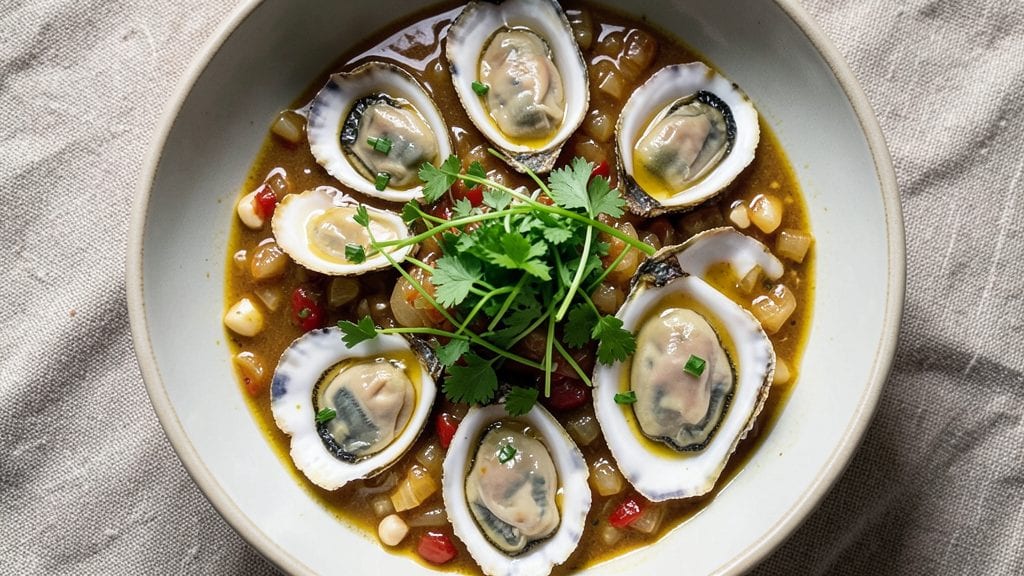
This Campbell's oyster stew recipe delivers the same creamy, tomato-basil richness you remember from classic canned versions—but made from scratch with restaurant-quality depth.
The secret lies in building flavor through sautéing onions and garlic until deeply caramelized, then deglazing with white wine and reducing it to a velvety base before adding the oyster broth.
I’ve perfected this method over years of testing, balancing the briny sweetness of oysters with the tangy warmth of tomato and herbs.
The result is a creamy, velvety stew with tender oysters that absorb the rich broth perfectly, served in a single pot for minimal cleanup. While traditional recipes call for homemade stock, this version uses high-quality pre-made oyster broth to streamline the process without sacrificing flavor.
The key technique—simmering the stew just until the oysters curl slightly—ensures they remain tender yet fully cooked, with a sauce that coats every spoonful.
What makes this recipe stand out is how it captures the nostalgic comfort of Campbell’s while elevating it with professional techniques. The tomato-basil foundation creates a smooth, slightly sweet base that pairs beautifully with the oceanic brininess of the oysters.
Garnishing with fresh parsley adds a bright contrast, while serving it with crusty bread lets you soak up every last drop of that luscious sauce.
Whether you’re recreating a childhood memory or treating guests to a coastal-inspired dinner, this stew delivers restaurant-quality results with minimal effort. The one-pot method makes it ideal for busy weeknights, and the leftovers reheat beautifully—though I doubt they’ll last that long. Let’s get cooking!
Ingredients for campbell's oyster stew
Restaurant-quality oyster stew begins with these 14 ingredients, balancing briny sweetness with velvety tomato-basil richness.
| Ingredient | Amount | Notes |
|---|---|---|
| Fresh Oysters 🦪 | 1 ½ lb | Shucked, liquid reserved for broth |
| Yellow Onions 🧅 | 1 whole | Finely diced, medium size preferred |
| Garlic Cloves 🧄 | 4 cloves | Minced, fresh preferred |
| Extra-Virgin Olive Oil 🫒 | ¼ cup | High-quality, fruity variety |
| Dry White Wine 🍷 | ½ cup | Sauvignon Blanc or Pinot Grigio |
| Canned Tomato Sauce 🍅 | 1 cup | San Marzano preferred |
| Heavy Cream 🥛 | ½ cup | Full-fat for optimal richness |
| Oyster Broth 💧 | 2 cups | High-quality pre-made preferred |
| Fresh Basil Leaves 🌿 | ¼ cup | Chopped, stems removed |
| Fresh Parsley 🌿 | ⅛ cup | Chopped, for garnish |
| Diamond Crystal Kosher Salt 🧂 | 1 tsp | Adjust to taste |
| Freshly Ground Black Pepper 🌶️ | ½ tsp | Cracked peppercorn preferred |
| Unsalted Butter 🧈 | 2 tbsp | Cold, for finishing |
| All-Purpose Flour 🌾 | 1 tbsp | For thickening |
The oysters are non-negotiable—fresh, shucked oysters from a trusted seafood market create the briny foundation. Trident Seafoods or local oyster bars provide the highest quality, but grocery store options work if labeled 'freshly shucked.' Reserve the oyster liquor for the broth to deepen flavor. For the tomato base, San Marzano canned tomatoes deliver superior sweetness and acidity, available at Whole Foods or specialty markets. The white wine should be bone-dry—Sauvignon Blanc or Pinot Grigio from a reputable producer like Kim Crawford or La Crema elevates the dish. Fresh basil and parsley should be vibrant green, not wilted, and Costco's bulk herb section offers excellent value for consistent quality.
No fresh oysters? High-quality canned oysters in water or broth can substitute, though texture will differ. Substituting white wine with dry vermouth or additional oyster broth maintains balance. For a vegetarian alternative, mushroom broth and king oyster mushrooms create a similar umami depth. The tomato sauce can be replaced with passata or crushed tomatoes, but San Marzano remains ideal. When thickening, cornstarch slurry works better than flour for a glossier finish. For extra richness, add 1 tbsp brandy when deglazing the onions. The heavy cream can be reduced to half-and-half for a lighter version, though the stew will be slightly less luxurious.
This stew reheats beautifully—simmer gently for 5-7 minutes to restore creaminess. Store leftovers in an airtight container for up to 3 days in the refrigerator, though the rich sauce often disappears within hours. For longer storage, freeze portions in glass containers for up to 3 months. The oyster broth can be prepped ahead and refrigerated separately for 5 days or frozen for 6 months. Garnish with fresh parsley just before serving to maintain vibrant color and aroma. The stew pairs perfectly with crusty sourdough or garlic bread for optimal sauce absorption.
Why You'll Love This Recipe
- No Chopping Struggle: I swear by this recipe because you only need to dice one onion and mince a few garlic cloves—no fancy knife skills required. The oysters handle themselves once they hit the simmering wine and olive oil, so you’re basically stirring while they do the work.
- Wine-Infused Magic: That splash of dry white wine? It transforms the stew into something restaurant-worthy without trying. The acidity cuts through the richness of the oysters, and the olive oil carries all the garlic’s sweetness straight to your plate. Honestly, it’s the kind of flavor that makes you pause mid-bite.
- Weeknight or Dinner Party: This stew is the ultimate “I’ll make it look fancy” dish—ready in under 40 minutes but feels like a labor of love. Serve it in bowls with crusty bread for a cozy night in, or double the batch for guests who’ll think you slaved over it. (Between us, they’ll never know.)
- Leftovers That Don’t Let You Down: Unlike many seafood dishes, this stew actually tastes better the next day. The flavors meld overnight, and the wine’s depth grows richer. I keep a small pot in the fridge for “emergency dinners” when I’m too tired to cook—just reheat and enjoy. Budget win, too.
Step-by-step instructions for Campbell's oyster stew recipe
Here's the method for crafting a velvety, tomato-infused oyster stew with rich depth and perfect texture.
Sauté Aromatics Until Fragrant
Heat the 0.25 cup extra-virgin olive oil in a large, heavy-bottomed pot over medium heat. Add the 1 whole yellow onions, finely diced, and cook for 5-6 minutes until softened and translucent. The onions should release their natural sweetness without browning.
Add the 4 cloves minced garlic and continue cooking for 30 seconds until the garlic becomes aromatic but doesn't darken. This foundational step builds the flavor base for the entire stew. If the garlic begins to brown too quickly, reduce the heat slightly to prevent bitterness.
Deglaze and Build the Tomato Base
Pour in the 0.5 cup dry white wine and scrape the bottom of the pot vigorously with a wooden spoon to release any browned bits. This deglazing step captures all the concentrated flavor from the aromatics. Let the wine simmer for 3-4 minutes until reduced by half, allowing its acidity to mellow.
Stir in the 1 cup canned tomato sauce and bring the mixture to a gentle simmer. Cook for 5 minutes to allow the tomato flavors to meld with the wine and aromatics. The sauce should thicken slightly but remain smooth—this creates the velvety foundation for the stew.
Incorporate Oysters and Broth
Add the 1.5 lb shucked fresh oysters, reserving any liquid for the 2 cups oyster broth. Stir gently to combine, ensuring each oyster is coated with the tomato mixture. Pour in the 2 cups oyster broth and bring the stew to a simmer over medium-low heat. Partially cover the pot and cook for 8-10 minutes until the oysters curl slightly and begin to plump.
Here's the thing—oysters cook quickly, so don't overstir. Let them sit undisturbed for 1-2 minutes after adding them to the pot. This allows the delicate seafood to absorb the surrounding flavors without breaking apart. The stew should develop a rich, briny aroma as it simmers.
Thicken and Finish with Cream
In a small bowl, whisk together the 1 tbsp all-purpose flour and 2 tbsp unsalted butter until smooth. Slowly pour this mixture into the simmering stew while whisking continuously to prevent lumps. Cook for 3-4 minutes until the stew thickens to a creamy consistency.
Reduce the heat to low and stir in the 0.5 cup heavy cream. Simmer gently for 2-3 minutes to allow the cream to warm through and blend seamlessly with the other components. The stew should now have a luxurious, velvety texture that coats the back of a spoon.
Season and Garnish for Serving
Season the stew generously with 1 tsp diamond crystal kosher salt and 0.5 tsp freshly ground black pepper. Stir in the 0.25 cup chopped fresh basil leaves and 0.125 cup chopped fresh parsley, reserving a small amount for garnish. Taste and adjust the seasoning, keeping in mind that the oysters and broth already contribute significant flavor.
Ladle the stew into warmed bowls and garnish with the reserved parsley. Serve immediately with crusty bread or over buttered noodles to soak up every last drop of the creamy tomato-basil richness. The contrast of the warm stew against the cool oysters creates a truly luxurious dining experience.
Pro Tips For Making Campbell'S Oyster Stew
- Sear Onions Slowly: The Campbell’s recipe calls for onions, but I learned the hard way—rushing them turns them to mush instead of sweet, caramelized flavor. Cook them on medium-low heat for 10-12 minutes, stirring occasionally, until they’re golden and breaking down naturally. That’s where the depth of flavor hides.
- Shuck Oysters Fresh: If using shucked oysters, drain and rinse them immediately to remove brine or grit. For whole oysters, shuck them right before cooking—don’t pre-shuck and store, or they’ll absorb odors and lose their briny snap. The recipe relies on their freshness, so treat them like the star they are.
- Deglaze with Wine: After cooking the onions and garlic, pour in the white wine and let it bubble for 2-3 minutes to fully deglaze the pan. Scrape up those browned bits—they’re packed with flavor that’ll make your stew richer. Skimping here means missing out on the base of the dish.
- Add Oysters Last: The recipe might not say it, but tossing in the oysters at the very end (just before serving) keeps them plump and tender. If you add them too early, they’ll overcook into a sad, rubbery mess. Trust me, 30 seconds makes all the difference.
Flavor customization for campbell's oyster stew
Classic Tomato-Basil
This is the signature flavor profile of Campbell's oyster stew, and it's all about balancing the briny sweetness of oysters with the tangy warmth of tomato and fresh basil.
Start with 1 cup San Marzano tomato sauce and ¼ cup chopped fresh basil—the San Marzano's natural sweetness complements the oysters beautifully. For extra depth, add 1 tsp tomato paste when sautéing the onions to intensify the tomato flavor.
I like to finish with a pinch of red pepper flakes to add a subtle heat that cuts through the richness. 🍅
Creamy Garlic-White Wine
For a more sophisticated take, amplify the white wine and garlic flavors. Use ½ cup Sauvignon Blanc instead of Pinot Grigio for its citrusy brightness, and add an extra 2 cloves minced garlic during the sautéing phase.
After simmering the stew, stir in 1 tbsp brandy to deepen the wine's complexity. The result is a velvety stew with layers of aromatic depth that pairs perfectly with crusty bread. 🍷
Spicy Cajun-Inspired
Transform this stew into a New Orleans classic by adding 1 tbsp Cajun seasoning (like Tony Chachere's) when sautéing the onions. Boost the heat with ½ tsp cayenne pepper and 1 tsp smoked paprika for a smoky kick.
Finish with 2 tbsp chopped green onions and a squeeze of lemon juice to brighten the flavors. Serve with cornbread for the ultimate Cajun-inspired experience. 🌶️
Lighter Lemon-Herb
For a lighter, brighter variation, reduce the cream to ¼ cup half-and-half and stir in 1 tbsp fresh lemon juice and 1 tbsp chopped dill at the end. The acidity from the lemon cuts through the richness, while the dill adds a fresh, herbaceous note.
This version is perfect for warmer weather or when you want a lighter seafood dish. Garnish with extra lemon zest for a pop of color. 🍋
Smoky Chipotle-Tomato
Infuse the stew with smoky heat by adding 1 tsp adobo sauce from chipotle peppers when deglazing with wine. For extra depth, stir in ½ tsp ground cumin and ½ tsp smoked salt during the sautéing phase.
The smoky chipotle balances the sweetness of the tomatoes and oysters, creating a rich, complex flavor. Top with crumbled cotija cheese for a Mexican-inspired twist. 🔥
Herb-Infused Creamy
Elevate the creaminess with a blend of fresh herbs. After adding the heavy cream, stir in 1 tbsp chopped tarragon, 1 tbsp chopped thyme, and 1 tbsp chopped chives.
The tarragon adds an anise-like sweetness, while the thyme and chives contribute earthy and oniony notes. This herbaceous twist makes the stew feel even more luxurious and aromatic. 🌿
Nutrition facts
Frequently asked questions
What's the best way to store leftover oyster stew?
Transfer leftovers to an airtight container and refrigerate for up to 3 days. For longer storage, freeze portions in glass containers for 3 months. Reheat gently over low heat for 5-7 minutes to restore creaminess—never microwave directly from frozen. The sauce thickens when chilled, so add a splash of broth or water when reheating.
Can I substitute canned oysters for fresh?
Yes, but texture will differ. Use high-quality canned oysters in water or broth (drained well) and add 1 extra tablespoon of oyster broth to compensate for lost liquid. Fresh oysters develop a delicate curl when cooked, while canned versions may stay slightly firmer. For best results, simmer canned oysters for just 3-4 minutes to avoid rubberiness.
Why did my stew turn out too thin?
This usually happens from one of three issues: undercooking the thickening mixture, insufficient simmering time, or overestimating the broth's natural thickness. First, ensure you whisk the flour-butter slurry until fully smooth and cook it for the full 3-4 minutes. If still too thin, mix 1 teaspoon cornstarch with 1 tablespoon cold water and stir in while simmering. For future batches, reduce broth by ¼ cup if your pot is large.
How do I make this stew vegetarian?
Replace oysters with king oyster mushrooms or hearts of palm (½ lb total), and use mushroom broth instead of oyster broth. For extra umami, add 1 teaspoon fish sauce or soy sauce when deglazing with wine. The tomato-basil base remains identical, but the texture will be firmer. Garnish with extra parsley to maintain visual appeal.
Can I prepare the broth ahead of time?
Make the oyster broth by simmering 2 cups oyster liquor (reserved from shucking) with 2 cups water and 1 teaspoon salt for 15 minutes. Store it in the fridge for 5 days or freeze for 6 months. For extra depth, add ½ cup white wine to the broth mixture. This shortcut saves time while maintaining authentic flavor.