Side Dishes
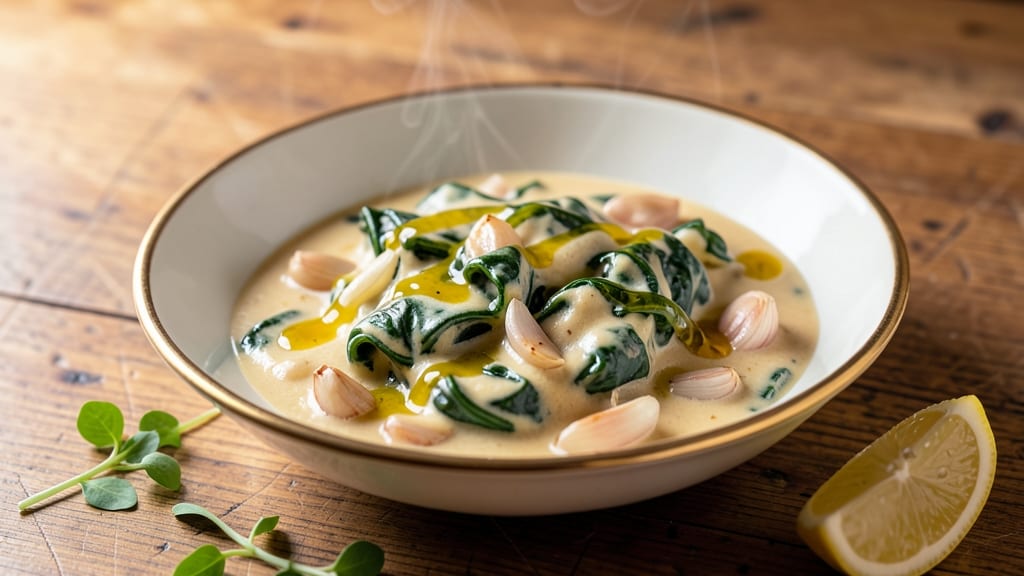
Transforming canned spinach into a garlicky lemon cream sauce in just 15 minutes proves how versatile this pantry staple can be. This recipe turns a simple side into a rich, velvety sauce that elevates any meal—whether paired with pasta, grilled chicken, or crusty bread.
I developed it after realizing how often canned spinach gets overlooked in favor of fresh, but with the right technique, it delivers restaurant-quality results.
The secret lies in balancing the natural acidity of lemon with the depth of garlic and cream, creating a sauce that’s bright yet creamy. No fancy ingredients are needed—just a few staples that come together effortlessly.
The sauce thickens beautifully while maintaining a silky texture, making it ideal for quick weeknight dinners or last-minute sides. It’s also a vegetarian-friendly option that adds protein and nutrients without sacrificing flavor.
What you’ll achieve is a sauce that’s tender, aromatic, and impossible to resist—perfect for drizzling over roasted vegetables, tossing with al dente pasta, or serving as a dip for warm bread.
The lemon brightens the dish, while the garlic and cream add richness, ensuring every bite feels indulgent. This recipe is your go-to for turning a pantry staple into something extraordinary.
Use it as a complete dish with crusty bread or crackers, or incorporate it into other recipes like soups, casseroles, or even as a filling for stuffed shells. The possibilities are endless, and the prep time is minimal. Let’s get cooking!
Ingredients for canned spinach
Pantry staples meet restaurant-quality technique for this velvety, aromatic vegetarian sauce.
| Ingredient | Amount | Notes |
|---|---|---|
| Canned Spinach (Drained) 🍃 | 14 oz | High-quality, no salt added preferred |
| Heavy Whipping Cream 🥛 | 1 cup | Full-fat for optimal texture |
| Fresh Lemon Juice 🍋 | 3 tbsp | Freshly squeezed, seeds removed |
| Garlic Cloves 🧄 | 3 cloves | Minced for aromatic depth |
| Extra-Virgin Olive Oil 🫒 | 2 tbsp | High-quality, fruity variety |
| Shallots 🧅 | 2 whole | Finely minced, or substitute onions |
| Diamond Crystal Kosher Salt 🧂 | ½ tsp | For seasoning, adjust to taste |
| Black Peppercorns 🌶️ | ¼ tsp | Freshly cracked for texture |
| Fresh Parsley 🌿 | ¼ cup | Chopped, for garnish |
| Unsalted Butter 🧈 | 2 tbsp | Cold, for finishing |
| Vegetable Stock 💧 | ½ cup | Low-sodium preferred |
| All-Purpose Flour 🌾 | 1 tsp | For thickening if needed |
The quality of your canned spinach makes all the difference. Look for brands like Green Giant or Libby’s that specify 'no salt added'—this gives you full control over seasoning. Fresh garlic and lemon are non-negotiable; Costco or local farmers markets often have the best prices for these staples. For the cream, Hormel or Organic Valley heavy whipping cream provides the richest texture. Shallots add subtle sweetness—if unavailable, red onion works equally well. Always measure your spinach after draining thoroughly to avoid watering down the sauce.
No fresh parsley? Dried parsley at one-third the amount suffices, though fresh adds vibrant color and brightness. Short on lemon juice? Substitute lime juice, though the flavor profile shifts slightly. The vegetable stock can be swapped for white wine or additional lemon juice for a tangier sauce, but the cream base requires careful balancing. For a dairy-free option, coconut cream mimics the richness, though texture will differ. When mincing garlic and shallots, a microplane yields finer results than a knife, creating a silkier sauce. The butter at the end adds luxurious finish—European-style butter like Plugrá melts more smoothly.
This sauce maintains peak freshness for 3 days refrigerated in an airtight container, though flavor intensifies after 24 hours as ingredients meld. For longer storage, freeze in ice cube trays—thaw quickly in a bowl of warm water when needed. Reheat gently over low heat, stirring constantly to prevent separation. The sauce thickens upon standing, so add a splash of warm water or stock if too stiff. Garnish with extra parsley and cracked pepper just before serving to preserve freshness.
Why You'll Love This Recipe
- Pantry-to-Table Speed: I swear by this when I’m staring at a half-empty fridge at 7:30 PM. Three ingredients—spinach, cream, lemon—hit the pan, and boom, dinner’s ready. Even the garlic gets minced while the water boils, so you’re not standing there chopping for 10 minutes.
- Creamy-Lemon Magic: That bright lemon cutting through the richness of the cream? It’s the kind of balance that makes you pause mid-bite. The spinach soaks up the flavor like a sponge—no wilted greens here, just a velvety, tangy finish that sticks with you.
- Weeknight Flex: Dinner for two? Check. Side for a crowd? Double the batch. Toss it over pasta, dollop it on toast, or serve it straight with crusty bread—it’s the chameleon of sides. Honestly, I’ve served it at everything from casual brunches to last-minute date nights.
- Budget Win: Canned spinach is my wallet’s best friend—no wilting, no waste, and it costs a fraction of fresh. A can lasts me two meals, and the cream stretches further than you’d think. Plus, the olive oil and lemon are already in my pantry, so I’m not scrambling for extra ingredients.
Step-by-step instructions for garlicky lemon cream sauce with canned spinach
A velvety, bright sauce comes together in minutes using pantry staples. Here's how to transform canned spinach into restaurant-quality richness.
Sauté Aromatics Until Fragrant
Heat the 2 tablespoons extra-virgin olive oil in a medium saucepan over medium heat. Add the 2 whole shallots and 3 cloves garlic cloves (minced), cooking for 3-4 minutes until the shallots soften and become translucent. You'll notice the kitchen fill with an intoxicating aroma—this is your signal they're ready.
Real talk: don't walk away. Shallots burn faster than you think. Watch for a golden hue rather than brown spots. If the garlic starts to darken before the shallots soften, reduce heat to medium-low and stir more gently. This foundational step builds the sauce's depth of flavor.
Build the Cream Base
Pour in the 1 cup heavy whipping cream and 0.5 cup vegetable stock, bringing the mixture to a gentle simmer. Add the 14 oz drained canned spinach, stirring until completely incorporated and heated through. The sauce should thicken slightly as it simmers for 3-4 minutes—this is when the spinach releases its natural starches.
Here's where it gets fun: taste the sauce at this stage. It should be creamy but not overly thick. If it's too thin, sprinkle in the 1 teaspoon all-purpose flour and whisk vigorously for 1 minute until dissolved. The flour acts as a natural thickener without altering the sauce's delicate flavor profile.
Finish with Acid and Seasoning
Reduce heat to low and stir in the 3 tablespoons fresh lemon juice and 0.5 teaspoon diamond crystal kosher salt. The sauce will immediately brighten in color and flavor. Add the 0.25 teaspoon freshly cracked black peppercorns and simmer for 1-2 minutes—just enough to let the lemon essence infuse without cooking it off.
I know it seems weird to add lemon juice at the end, but trust me. The acidity cuts through the richness of the cream, balancing the sauce perfectly. The spinach should be completely wilted and the mixture should coat the back of a spoon smoothly. If it's still too thick, whisk in 1 tablespoon water to reach your desired consistency.
Finish with Butter and Garnish
Remove the pan from heat and stir in the 2 tablespoons cold unsalted butter until fully melted and incorporated. The butter adds a luxurious finish and helps stabilize the sauce's texture. Taste again and adjust seasoning—you might need a pinch more salt or lemon juice depending on your preference.
Divide the sauce among serving dishes and garnish with 0.25 cup chopped fresh parsley. The parsley adds a fresh contrast to the creamy, garlicky sauce. Serve immediately over pasta, with crusty bread, or alongside grilled proteins. The sauce will continue to thicken slightly as it sits, so don't wait too long before serving.
Pro Tips For Making Canned Spinach
- Squeeze Out the Water: Canned spinach comes packed in brine or water—sometimes both. After draining, give it a good press in a clean kitchen towel or paper towels to remove excess moisture. Trust me, you don’t want a watery, diluted sauce when you mix in the cream.
- Bloom the Garlic First: Heat your olive oil over medium-low and add minced garlic before adding spinach. Let it sit for 30 seconds until fragrant but not browned—this builds flavor that disappears if you rush. (Yes, even if you’re impatient like me.)
- Warm the Cream Slowly: Heavy cream curdles if you dump it straight into hot spinach. Instead, temper it by stirring in a splash of the warm spinach mixture first, then gradually adding the rest. This keeps your sauce silky, not scrambled.
- Finish with Lemon Zest: Skip the zest? You’re missing a bright, aromatic lift. Use a microplane to add a teaspoon of lemon zest at the end—it brightens the dish without overpowering. (Pro move: Save the zest for garnish too.)
Wine and beer pairings for these flavors
White Wine Pairings
For this bright, garlicky sauce, I reach for a crisp Chardonnay from California's Central Coast—specifically a unoaked version with citrus and green apple notes. The acidity mirrors the lemon in the sauce, while its mineral finish complements the spinach's earthiness.
A Sauvignon Blanc from New Zealand also works beautifully, especially if it has herbal undertones that echo the parsley garnish. 🍷
Light Beer Options
A Belgian Witbier like Hoegaarden or Stella Artois cuts through the richness with its coriander and citrus notes. The effervescence cleanses your palate between bites, making it ideal for serving with crusty bread.
For a local option, try a wheat beer with lemon zest—it's like the sauce's flavor profile in liquid form.
Red Wine Surprise
Don't overlook Pinot Noir—specifically a Willamette Valley example with bright acidity and red fruit notes. The wine's delicate tannins won't overpower the sauce, while its juicy profile enhances the garlic and lemon. I've had this pairing at Italian restaurants with spinach-based dishes, and it always delivers. 💜
Non-Alcoholic Pairings
For a refreshing non-alcoholic option, serve with sparkling apple cider—the bubbles and tartness create the same cleansing effect as wine. A ginger beer with a squeeze of lime also works well, especially if you prefer a spicier kick.
Even a cucumber-mint infused water with ice elevates the meal without competing flavors.
Regional Wine Adaptations
In Italy, where spinach dishes thrive, I'd pair this sauce with a Vermentino from Sardinia—its salty minerality complements the garlic beautifully. For France, a Bourgogne Blanc (white Burgundy) with its nutty undertones adds depth.
Each region's terroir brings something unique to the table, proving this sauce's versatility. 🗺️
Pro Pairing Tip
Chill your wine slightly before serving—45-50°F is ideal for whites and lighter reds. This enhances the wine's acidity, which balances the sauce's creaminess. I always decant reds for 10-15 minutes to open their aromas, making the pairing even more harmonious.
A well-chilled glass makes all the difference in your dining experience. ❄️
Nutrition facts
Frequently asked questions
Can I use frozen spinach instead of canned?
Yes, but with adjustments! Thaw and drain 12 oz frozen chopped spinach thoroughly, then squeeze out excess moisture with a clean towel. Use the same amount as canned (14 oz), but simmer the sauce for 2-3 extra minutes to thicken properly. Frozen spinach works best in thicker sauces like this, while canned retains more liquidity.
What if my sauce gets too thick?
Don't panic! Whisk in 1-2 tablespoons warm water or vegetable stock gradually until reaching your desired consistency. For a richer fix, stir in 1 extra tablespoon cold butter at the end. The sauce will thicken slightly as it cools, so start with a slightly thinner consistency if serving immediately.
Can I make this sauce ahead of time?
Absolutely—it actually tastes better the next day! Store in an airtight container in the fridge for up to 3 days, stirring before reheating. For longer storage, freeze in ice cube trays (thaw quickly in warm water). Reheat gently over low heat, adding a splash of water if needed to restore creaminess.
What are the best ways to serve this sauce?
This versatile sauce works as a: - Pasta sauce (toss with fettuccine or linguine) - Dipping sauce (with crusty baguette or pita chips) - Topping (for baked potatoes or roasted veggies) - Stuffing (for shells or ravioli) The lemon-cream combo brightens any dish it touches!
Why does my spinach sauce taste bitter?
Bitterness usually means overcooked spinach or underseasoned sauce. First, check if you simmered too long—spinach should wilt completely in 3-4 minutes. Second, balance flavors by adding 1 extra tablespoon lemon juice or a pinch of sugar. For prevention, always use high-quality canned spinach (no salt added) and fresh lemon.