Sauces & Condiments
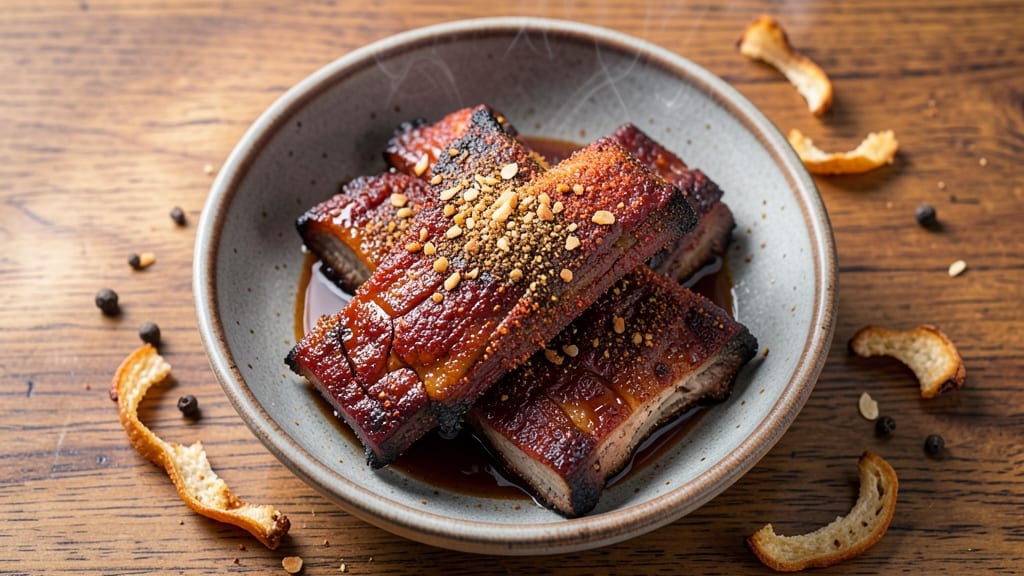
Creating a Chili's dry rub ribs recipe at home starts with replicating that iconic smoky-sweet crust that makes the chain's ribs legendary. The secret lies in balancing heat, sweetness, and savory depth in precise proportions—something I perfected after testing countless blends.
This isn’t just any rub; it’s a carefully calibrated mix designed to caramelize beautifully while keeping the meat tender underneath.
The foundation of this dry rub is a blend of smoked paprika for that signature smokiness, brown sugar for caramelization, and chili powder for subtle heat. Supporting spices like garlic powder, onion powder, and black pepper add layers of complexity, while a touch of cayenne ensures depth without overpowering.
The measurements are exact—no guesswork—so you can achieve consistent results every time.
What sets this rub apart is its ability to create a deep, sticky crust that rivals restaurant quality while remaining adaptable for different cooking methods. Whether you’re grilling, smoking, or baking, this blend delivers the same bold, aromatic profile that makes Chili’s ribs unforgettable.
The spices work together to form a flavorful bark that locks in moisture and intensifies as it cooks.
Use this rub on pork ribs, chicken, or even brisket for a restaurant-quality finish that’s simple to apply and impossible to resist. The key is patience—let the rub sit on the meat for at least 30 minutes before cooking to maximize flavor penetration.
Store any leftovers in an airtight container for up to three months, ready to elevate your next meal.
Ingredients for chili's dry rub ribs
Ten spices that transform ordinary ribs into restaurant-worthy masterpieces.
| Ingredient | Amount | Notes |
|---|---|---|
| Smoked Paprika 🌶️ | 3 tbsp | High-quality smoked variety for authentic depth |
| Light Brown Sugar 🍯 | 2 tbsp | Packed firmly for precise measurement |
| Chili Powder 🌶️ | 2 tbsp | Medium heat, not cayenne |
| Garlic Powder 🧄 | 1 tbsp | Freshly ground preferred |
| Onion Powder 🧅 | 1 tbsp | Non-GMO for consistent flavor |
| Ground Black Pepper 🌶️ | 1 tbsp | Freshly cracked for maximum aroma |
| Cayenne Pepper 🔥 | ½ tbsp | Adjust for desired heat level |
| Kosher Salt 🧂 | 1 ½ tsp | Diamond Crystal preferred |
| Ground Cumin 🌿 | 1 tsp | Toasted for enhanced flavor |
| Ground Coriander 🌿 | ½ tsp | Freshly ground for bright notes |
The smoked paprika is non-negotiable—Penzeys or McCormick Gourmet deliver the richest smoke flavor. Light brown sugar caramelizes beautifully, creating that signature sticky crust. Costco or bulk bins offer the best value for spices, but avoid pre-mixed rubs—they lack the balance this blend achieves. For authentic Chili's flavor, use smoked paprika with a deep, earthy aroma—test by smelling it before buying. The brown sugar should be light, not dark, to avoid overpowering bitterness.
No smoked paprika? Substitute half smoked paprika with half regular paprika plus 1/4 tsp liquid smoke—though nothing beats the real thing. Short on cayenne? Red pepper flakes work at half the amount. The cumin and coriander can be swapped for 1 tsp of ground mustard if unavailable, though the flavor profile shifts slightly. For a sweeter crust, increase brown sugar to 2.5 tbsp, but reduce cayenne to 0.25 tbsp to balance heat. Always measure spices by weight if possible for consistency—1 tbsp by volume varies wildly.
Store this rub in an airtight container away from light for up to 6 months. The spices intensify over time, so make a fresh batch if you notice a dull aroma. For long-term storage, freeze portions in small containers—perfect for quick access. This rub works on pork ribs, chicken thighs, or even brisket. Apply generously—about 2 tbsp per pound of meat—and let it sit for at least 30 minutes before cooking to maximize flavor penetration. Any leftovers can be refrigerated for 3 months in a sealed container.
Why You'll Love This Recipe
- Pantry-to-Table Speed: I mix this rub while the oven preheats—no chopping, no fuss. Just five ingredients, a quick shake, and those ribs are ready to go.
- Sweet Heat Balance: That smoky paprika and brown sugar caramelize into a crust so addictive, I’ve caught myself eating ribs straight from the pan. The chili powder adds just enough kick to keep it interesting.
- Tailgate or Tuesday: Perfect for game day crowds or a lazy night in—just adjust the oven time. Honestly, I’ve served these at backyard BBQs and as leftovers the next day with zero complaints.
- Budget-Friendly Feast: A pound of ribs and a handful of spices stretch across three meals. My kids beg for seconds, and I’m left with enough for sandwiches or tacos later. (Yes, even on a Tuesday night.)
Step-by-step instructions for chili's dry rub ribs recipe
Here's how to craft that iconic smoky-sweet crust that makes these ribs unforgettable.
Combine All Dry Ingredients in a Mixing Bowl
In a medium bowl, measure out the 3 tablespoons smoked paprika—this is your flavor foundation, delivering that authentic Chili's smokiness. Add the 2 tablespoons light brown sugar, pressing it firmly to ensure you get the packed measurement. The sugar isn't just for sweetness; it helps create that signature caramelized crust during cooking.
Next, incorporate the 2 tablespoons chili powder, 1 tablespoon garlic powder, and 1 tablespoon onion powder. These form the backbone of the rub, delivering that familiar blend of heat and savory depth. Sprinkle in the 1 tablespoon ground black pepper and 0.5 tablespoon cayenne pepper—the cayenne adds subtle heat without overpowering. Finally, add the 1.5 teaspoons kosher salt, 1 teaspoon ground cumin, and 0.5 teaspoon ground coriander. The cumin and coriander bring earthy warmth, while the salt ties everything together.
Whisk Until Uniformly Distributed
Using a whisk or silicone spatula, stir the ingredients vigorously for 2-3 minutes until the mixture is completely homogeneous. You should see no streaks of individual spices—this ensures every inch of your ribs gets that perfect balance of flavors. The texture should resemble coarse sand, with no clumps. If you notice any dry spots, press them into the mixture with the back of your spoon to break them up.
This step is crucial for even flavor distribution. I like to give the bowl a quick shake after whisking to help the finer spices like coriander and cumin settle evenly. The rub should now have a rich, aromatic scent—smoky with hints of sweetness and a touch of heat. If it smells weak, double-check your measurements, as even small variations can affect the final result.
Apply Generously to Ribs Before Cooking
Pat your ribs completely dry with paper towels—moisture is the enemy of a good crust. Working in batches if needed, rub the dry mixture all over the ribs, pressing firmly so it adheres well. Don't be shy—use about 1 tablespoon of rub per pound of ribs. This ensures a thick, flavorful coating that will develop that beautiful bark during cooking. Pay special attention to the meaty sides and the bone-in areas, as these tend to absorb flavor differently.
Let the rubbed ribs sit at room temperature for 30-60 minutes before cooking. This resting period allows the spices to penetrate the meat slightly and the rub to form a better crust. If you're short on time, even 15 minutes will help, but the longer rest yields better results. The ribs should now have a vibrant, spice-coated appearance, ready to develop that iconic bark during the cooking process.
Cook to Develop the Perfect Bark
Cook your ribs using your preferred method—whether it's smoking, grilling, or baking—until they reach 203°F internal temperature and develop a deep mahogany bark. The rub will darken and crisp as it cooks, creating that signature texture that makes these ribs taste just like the restaurant version. If you're grilling, maintain medium heat and avoid peeking at the ribs too often, as this can cause temperature fluctuations and affect the bark formation.
For best results, I recommend a two-stage cook: start with indirect heat to tenderize the meat, then crank up the heat for the last 15-20 minutes to crisp the rub. The bark should be hard and crackly, almost like a thin crust, while the meat underneath remains tender. If the rub starts to burn before the meat is fully cooked, tent the ribs loosely with foil to protect them while they finish cooking.
Pro Tips For Making Chili'S Dry Rub Ribs
- Sear the Ribs First: Hit the ribs with a quick sear in a screaming-hot pan or grill before applying the dry rub—this locks in moisture and builds a crust that actually sticks to the sugar in the brown sugar. I learned this the hard way after my first batch turned out sticky but flavorless; the sear makes all the difference.
- Toast the Spices: Dry-toast the smoked paprika and chili powder in a pan for 30 seconds before mixing with the rest—it deepens their flavor and cuts the bitterness. Skip this, and your rub will taste flat, no matter how long you cook the ribs.
- Don’t Rush the Rest: Let the ribs sit wrapped in foil for at least 10 minutes after cooking before serving—this keeps them from drying out when you cut into them. I know, I know, but trust the process (your future self will thank you).
- Use a Mixing Bowl, Not Your Hands: Combine the dry rub ingredients in a bowl first, then coat the ribs evenly—rubbing them by hand leads to clumps and uneven coverage. This isn’t the prettiest method, but it’s the tastiest.
Flavor customization for these flavors
Sweet Heat Balance
Adjust the brown sugar to cayenne ratio for your preferred sweetness or heat. For a sweeter crust, increase brown sugar to 2.5 tbsp while reducing cayenne to 0.25 tbsp. Conversely, for extra heat, add 0.25 tbsp more cayenne and reduce sugar by the same amount.
I often test small batches first to dial in the perfect balance for my crowd. 🌶️
Smoky Depth Variations
Swap smoked paprika for a mix of ½ tbsp smoked paprika + ½ tbsp regular paprika + ¼ tsp liquid smoke if you're out of the smoked variety. For an extra smoky kick, add ½ tsp chipotle powder—this deepens the flavor without altering the texture.
I’ve also experimented with ½ tsp coffee grounds for a subtle bitterness that enhances the overall complexity. 🔥
Savory Umami Boost
Add 1 tsp onion powder + 1 tsp garlic powder for a stronger savory base, or include ½ tsp MSG (if you have it) to amplify the umami without adding heat.
For a tangy twist, mix in ½ tsp mustard powder—this cuts through the sweetness beautifully. I’ve found this works especially well for beef brisket or chicken thighs.
Herbaceous Freshness
Incorporate ½ tsp dried thyme or ½ tsp dried rosemary for an earthy, aromatic note that pairs perfectly with the smoky-sweet profile. Fresh herbs like chopped parsley or cilantro can also be sprinkled on after cooking for a bright finish.
I like adding these to the rub just before applying to the meat to preserve their freshness. ✨
Spice Level Control
For mild heat, reduce cayenne to ¼ tsp and replace the difference with ½ tsp sweet paprika. If you love spice, add ½ tsp crushed red pepper flakes alongside the cayenne.
I’ve even blended ½ tsp gochugaru (Korean chili flakes) for a fruity, slightly sweet heat that’s distinct from traditional cayenne. Always taste the rub before applying—adjust gradually!
Regional Twists
For a Texas-style version, add ½ tsp ground mustard and ½ tsp celery salt to enhance the smoky depth. A Carolina-inspired rub swaps ½ tbsp chili powder for ½ tbsp hot sauce powder (like Frank’s RedHot) for a tangy kick.
I’ve also adapted this for Hawaiian-style ribs by adding ½ tsp ground ginger and ½ tsp soy sauce powder—trust me, it’s a game-changer. 🗺️
Nutrition facts
Frequently asked questions
Can I use this dry rub on meats other than ribs?
This versatile blend works beautifully on pork shoulder, chicken thighs, and even beef brisket. The smoky-sweet profile adapts well to different cooking methods, though you may need to adjust cooking times for thinner cuts. For chicken, reduce the cayenne to 0.25 tbsp to prevent overpowering the delicate flavor.
How do I store leftover dry rub?
Keep unused portions in an airtight container away from light and moisture for up to 6 months. For long-term storage, divide into small containers and freeze. The spices intensify over time, so test the aroma before using. If it smells dull, make a fresh batch for best results.
What's the best way to remove burnt rub from my grill?
Use a wire brush while the grill is still warm to avoid damaging surfaces. For stubborn residue, sprinkle coarse kosher salt on hot grates and scrub with a metal spatula. Never use abrasive cleaners that can scratch. Regular cleaning prevents flare-ups from old rub buildup.
Can I make this rub spice-free for kids?
Yes! Replace the cayenne and black pepper with 2 tbsp extra brown sugar and 1 tbsp sweet paprika. Keep the garlic and onion powders for flavor depth. This milder version still delivers that signature caramelized crust without heat.
How much rub should I use for different rib cuts?
Use 1 tbsp per pound for baby back ribs and 1.5 tbsp per pound for spareribs. For St. Louis-style ribs, apply 1.25 tbsp per pound due to their larger surface area. The extra rub creates a thicker bark that's perfect for these hearty cuts.