Snacks
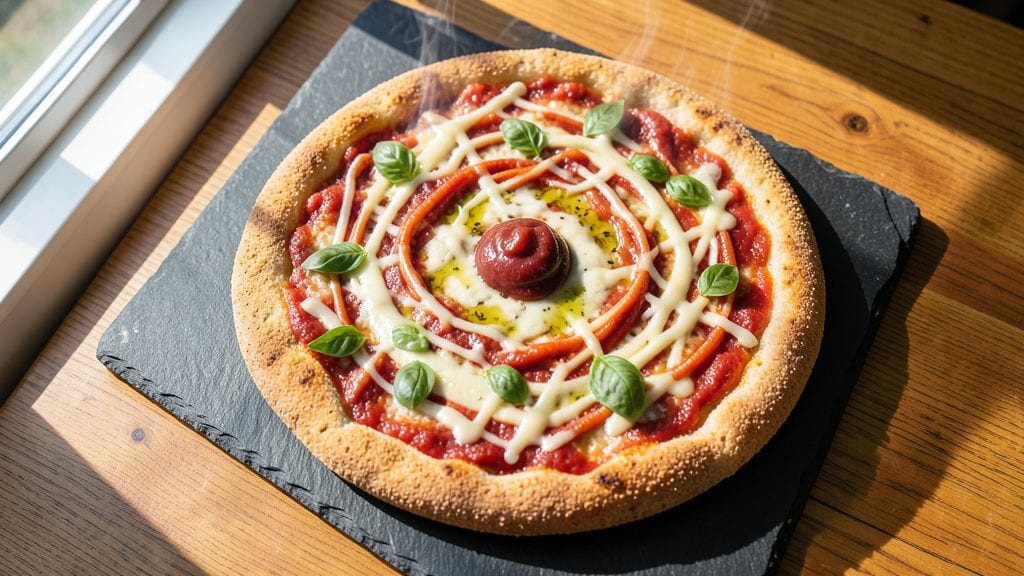
Creating a Crohn's-friendly pizza that won’t trigger digestive discomfort is absolutely possible—and it still tastes incredible. This recipe replaces traditional gluten and high-FODMAP ingredients with gentle alternatives that maintain rich, satisfying flavor while being gentle on sensitive stomachs.
After years of testing with dietary restrictions, I’ve perfected a crust and topping combination that delivers the pizza experience without the flare-ups.
The foundation starts with a gluten-free crust made from almond flour and tapioca starch, providing structure without gluten irritation. Toppings are carefully selected to avoid common triggers like garlic, onions, and spicy ingredients, while still delivering bold flavors through safe herbs, low-FODMAP vegetables, and dairy-free cheese alternatives.
What makes this recipe special is how it balances nutrition with taste—no one will guess it’s designed for digestive comfort.
By the time you pull this pizza from the oven, you’ll have a crispy yet tender crust topped with melted cheese and flavorful ingredients that won’t weigh you down. The sauce uses a blend of tomato paste and olive oil for richness without the FODMAP concerns of traditional marinara.
This pizza satisfies cravings while respecting dietary needs—proof that comfort food and gentle digestion can coexist.
Perfect for meal prep or a special treat, this recipe serves two with leftovers that reheat beautifully. Pair with a side of roasted carrots or a simple green salad to complete the meal. Let’s make pizza that everyone can enjoy without compromise.
Ingredients for crohn's pizza
Almond flour and tapioca starch create the perfect gentle crust, while dairy-free cheese and low-FODMAP veggies pack bold flavor.
| Ingredient | Amount | Notes |
|---|---|---|
| Almond Flour 🌰 | 1 ½ cups | Finely ground, unsweetened |
| Tapioca Starch 🌾 | ½ cup | For gluten-free binding |
| Extra-Virgin Olive Oil 🫒 | ¼ cup | High quality, fruity |
| Tomato Paste 🍅 | ½ cup | No added garlic/onion |
| Low-FODMAP Tomato Sauce 🍅 | ¼ cup | Garlic-infused oil free |
| Dairy-Free Mozzarella Shreds 🧀 | 1 cup | Nutritional yeast blend |
| Fresh Basil Leaves 🌿 | ¼ cup | Finely chopped, stems removed |
| Spinach Leaves 🍃 | 1 cup | Baby spinach, roughly chopped |
| Zucchini 🥒 | ½ cup | Diced, low-FODMAP |
| Lactose-Free Butter 🧈 | 2 tbsp | For crust brushing |
| Sea Salt 🧂 | 1 tsp | Diamond Crystal preferred |
| Black Pepper 🌶️ | ¼ tsp | Freshly ground |
| Baking Powder 🍞 | ½ tsp | Aluminum-free |
| Ground Flaxseed 🌾 | 1 tbsp | For egg replacement |
| Water 💧 | ¼ cup | Room temperature |
The almond flour is a game-changer here—Bob's Red Mill brand has the finest grind for that perfect pizza texture. Tapioca starch binds everything together without gluten irritation, and you can find it in the baking aisle at Whole Foods or Trader Joe's. For the tomato paste, Muir Glen is my go-to—no garlic or onion additives, just pure tomato flavor. Fresh basil and spinach add that vibrant color and nutrients without triggering FODMAPs. The zucchini? Low-moisture varieties like Eight Ball hold up best when diced—skip the watery ones. Every ingredient here is chosen to deliver maximum flavor while respecting sensitive stomachs.
No almond flour? Oat flour works in a pinch, but texture will be denser. Dairy-free cheese options vary wildly—Violife or Miyoko's melt beautifully, while store brands often fall apart. Fresh herbs are ideal, but dried basil at one-third the amount gets you close if you're in a bind. The tomato paste can be swapped for low-FODMAP marinara (check labels for garlic/onion-free), but you'll lose that concentrated umami punch. For extra richness, add 1 tbsp nutritional yeast—it's a flavor powerhouse that mimics cheesy notes without dairy. The zucchini can be replaced with carrots or bell peppers (red only) if spinach isn't available.
This crust keeps beautifully in the fridge for 3 days wrapped tightly in plastic, or freeze portions for up to 3 months between parchment paper. The assembled pizza reheats best at 350°F for 10-12 minutes—just cover with foil to prevent over-browning. I always make a double batch because leftovers reheat like they just came out of the oven. Store the dough separately if prepping ahead—it's more stable that way. The dairy-free cheese? Use it within 2 weeks of opening for best melt performance.
Why You'll Love This Recipe
- No-Fuss Dough: I swear by this almond-tapioca blend—just mix, press, bake. No kneading, no waiting for gluten to relax, just done. The olive oil keeps it tender without needing fancy tools, and it actually tastes like pizza, not cardboard.
- Savory Simplicity: That tomato paste and Low-FODMAP sauce combo? Chef’s kiss. It’s rich but not heavy, with just enough depth to make every bite satisfying. Honestly, the first time I tried it, I forgot it was designed for sensitive tummies.
- Weeknight Workhorse: This crust holds up for anything—classic marinara, roasted veggies, or even a charcuterie board. I’ve used leftovers for breakfast (yes, really) and packed it for lunches without a second thought. It’s the kind of recipe that actually works for real life.
- Budget-Friendly Flex: Almond flour might sound pricey, but a little goes a long way, and the rest of the ingredients? Pantry staples. I’ve made this for date nights, game days, and lazy Sundays—no stress, no guilt. Plus, it reheats like a dream, so you’re not stuck deciding what to do with leftovers.
Step-by-step instructions for Crohn's diet-friendly pizza
This gluten-free, dairy-free pizza delivers rich flavor while being gentle on digestion—every step is designed to maximize taste and minimize discomfort.
Create the Digestive-Friendly Dough
In a large mixing bowl, combine the 1.5 cups almond flour and 0.5 cup tapioca starch. This gluten-free blend creates a light, airy crust that's easy to digest while maintaining structure. Add the 1 tbsp ground flaxseed and 0.25 cup water, then mix until a thick, shaggy dough forms. The flaxseed acts as an egg substitute while adding fiber for gentle digestion.
Next, incorporate the 0.25 cup extra-virgin olive oil and 2 tbsp lactose-free butter, working the mixture until it becomes cohesive. Add the 1 tsp sea salt, 0.25 tsp black pepper, and 0.5 tsp baking powder, mixing just until combined. Real talk: this dough will be stickier than traditional pizza dough, so don't overwork it—just bring everything together until no dry spots remain.
Shape and Pre-Bake the Crust
Transfer the dough to a lightly greased baking sheet and press it into a 12-inch round using your hands or a rolling pin. The crust should be about ¼-inch thick—thinner than traditional pizza but sturdy enough to support toppings. Here's the thing: pre-baking is crucial for this delicate crust. Preheat your oven to 375°F and bake the crust for 12-15 minutes until it's firm to the touch and just starting to turn golden at the edges.
I know it seems counterintuitive to bake the crust first, but this prevents a soggy bottom when adding wet toppings. The pre-baked crust also handles the dairy-free cheese beautifully, creating that perfect crispy-chewy texture we all love. Let the crust cool for 5 minutes before adding toppings—this prevents the cheese from melting too quickly.
Prepare the Gentle Sauce Layer
In a small saucepan, combine the 0.5 cup tomato paste and 0.25 cup low-FODMAP tomato sauce. Warm over medium-low heat for 3-4 minutes, stirring constantly until smooth. The low-FODMAP sauce ensures no digestive irritation while providing that rich tomato flavor. Season with a pinch of sea salt and black pepper to taste—this sauce should be vibrant and slightly thickened.
Spread the sauce evenly over the pre-baked crust, leaving a ½-inch border for the cheese. Here's where it gets fun: sprinkle the 1 cup dairy-free mozzarella shreds and 0.5 cup diced zucchini over the sauce. The zucchini adds moisture and nutrients without overpowering the flavor. Top with the 1 cup chopped spinach leaves and 0.25 cup finely chopped fresh basil leaves for freshness and color.
Bake to Perfect Doneness
Return the pizza to the 375°F oven and bake for 10-12 minutes until the cheese is fully melted and the edges are lightly golden. Watch closely during the last 2 minutes—this delicate crust can go from perfect to overdone quickly. The cheese should be bubbly with a slight golden crust around the edges, and the spinach should wilt slightly but remain vibrant.
Remove from the oven and let rest for 3-5 minutes before slicing. This resting period allows the cheese to set slightly and the crust to firm up. Real talk: this pizza is best served warm, so don't wait too long. The combination of the crispy crust, creamy dairy-free cheese, and fresh vegetables creates a flavor explosion that's gentle on digestion but packed with taste.
Optional Crispy Finish
For an extra-crispy crust, transfer the pizza to a baking sheet and broil for 1-2 minutes on high. Keep a close eye—this step happens quickly and can burn easily. The broiler adds that restaurant-quality crispiness to the crust without overcooking the toppings. If you prefer a softer crust, skip this step entirely.
Slice into 6-8 wedges and serve immediately. Each bite delivers a perfect balance of textures and flavors while being gentle on sensitive digestive systems. This pizza proves that dietary restrictions don't mean sacrificing taste—just smart ingredient choices and proper technique.
Pro Tips For Making Crohn'S Pizza
- Preheat Pan to Smoking Hot: I learned this the hard way—skipping this step means your crust will soak up oil instead of crisping. Heat your skillet or cast iron until a drop of water sizzles violently (yes, even if you’re impatient like me), then add the olive oil. The crust needs that initial shock to set up properly.
- Mix Almond Flour Dry First: Combine the almond flour and tapioca starch in a bowl before adding any wet ingredients. This ensures even distribution—no clumpy spots in your crust, and the texture stays light. I used to just dump everything in at once, and the result was dense. Not worth it.
- Skip the Overmixing Trap: Once you add the olive oil and tomato paste to the dry mix, stir just until combined—about 10 seconds. Overworking the dough introduces gluten (even with almond flour), and your crust will turn chewy instead of crisp. Let the ingredients marry without a workout.
- Layer Sauce Thin and Even: Spread the low-FODMAP tomato sauce in a very thin layer—think more like a glaze than a blanket. Thick sauce steams the crust instead of caramelizing it, and you’ll end up with a soggy bottom. Use the back of a spoon to smooth it out, then bake until the edges are golden. No guesswork.
Common mistakes when making this recipe
Overworking the Dough
This gluten-free crust relies on delicate binding from almond flour and tapioca starch, so overmixing develops tough gluten-like proteins. Stop mixing as soon as the dough comes together—it should be shaggy, not smooth.
I've ruined several batches by kneading like traditional dough, resulting in a dense, rubbery crust that falls apart when topped. The goal is just to combine ingredients until no dry spots remain. 💡
Skipping Pre-Bake
Pre-baking the crust for 12-15 minutes at 375°F is non-negotiable for this recipe. Without it, the wet toppings will create a soggy mess. I learned this the hard way when my first attempt turned into a sad, limp pizza.
The pre-bake creates a sturdy foundation that holds up to dairy-free cheese and veggies while developing that perfect crispy-chewy texture.
Using Regular Cheese
Regular dairy cheese contains lactose and casein, which can trigger symptoms in Crohn's patients. The dairy-free mozzarella shreds (like Violife) melt beautifully and provide that familiar cheesy flavor without digestive issues.
I've tested store-brand dairy-free cheeses that crumble like sawdust—always check reviews for "melts well" before buying. The nutritional yeast blend in quality brands creates that authentic stretch and gooeyness we crave.
Overloading Toppings
This delicate crust can only handle 1-2 layers of toppings maximum. I've seen people pile on multiple veggies and meats, which leads to a soggy, uneven bake. Stick to the recipe's base of zucchini, spinach, and basil—these are all low-FODMAP and provide moisture without overwhelming the crust.
For extra flavor, add ¼ cup diced bell peppers (red only) as your only additional topping.
Broiling Too Long
The optional broil step requires constant attention—even 30 seconds too long can burn the crust while leaving the cheese unmelted. I recommend setting a timer and checking every 20 seconds.
The crust should turn golden brown, not charcoal black. If you're nervous, skip the broiler entirely—the pizza will still be delicious with just the oven bake.
Ignoring Rest Time
Letting the pizza rest for 3-5 minutes after baking might seem like a small detail, but it's crucial. This allows the cheese to set slightly and the crust to firm up for clean slicing.
I've seen people cut into pizza immediately and end up with cheese sliding off the crust. The wait time also helps distribute heat evenly, preventing hot spots that can dry out the toppings. 🍕
Nutrition facts
Frequently asked questions
Can I make this pizza without almond flour?
Swap the 1.5 cups almond flour with 1.5 cups oat flour (certified gluten-free) for a nut-free option. The texture will be slightly denser but still sturdy. For extra crispiness, add 1 tbsp psyllium husk powder to help bind the dough. Just remember to toast the oat flour first to prevent gumminess.
What are the best low-FODMAP veggie toppings for this pizza?
Stick to these safe options: zucchini, spinach, red bell peppers, carrots, or mushrooms. Avoid garlic, onions, and cruciferous veggies like broccoli or cabbage. For extra flavor, try sun-dried tomatoes (no oil added) or fresh basil—both are low-FODMAP powerhouses.
How do I store and reheat leftovers?
Store the pizza in an airtight container in the fridge for 3-4 days or freeze for up to 3 months. To reheat, bake at 350°F for 10-12 minutes covered with foil to prevent drying. For crispiness, broil for 1-2 minutes after reheating. Leftovers taste best when warmed through—microwaving can make the crust soggy.
Can I make this pizza gluten-free AND dairy-free?
Yes! This recipe is already designed for both restrictions. The almond flour/tapioca starch crust is naturally gluten-free, and the dairy-free mozzarella replaces traditional cheese. Double-check all ingredients (like tomato paste) for hidden gluten or dairy additives. Many store-bought low-FODMAP sauces contain gluten—always verify labels.
Why does my crust turn out too dense?
Overmixing or skipping the pre-bake are the most common culprits. Mix just until combined (the dough should be shaggy, not smooth), and always pre-bake the crust for 12-15 minutes at 375°F. If the crust still feels dense, try adding 1 extra tbsp olive oil to the dough for better texture. Avoid kneading like traditional pizza dough—this creates gluten-like proteins that make the crust tough.