Main Courses
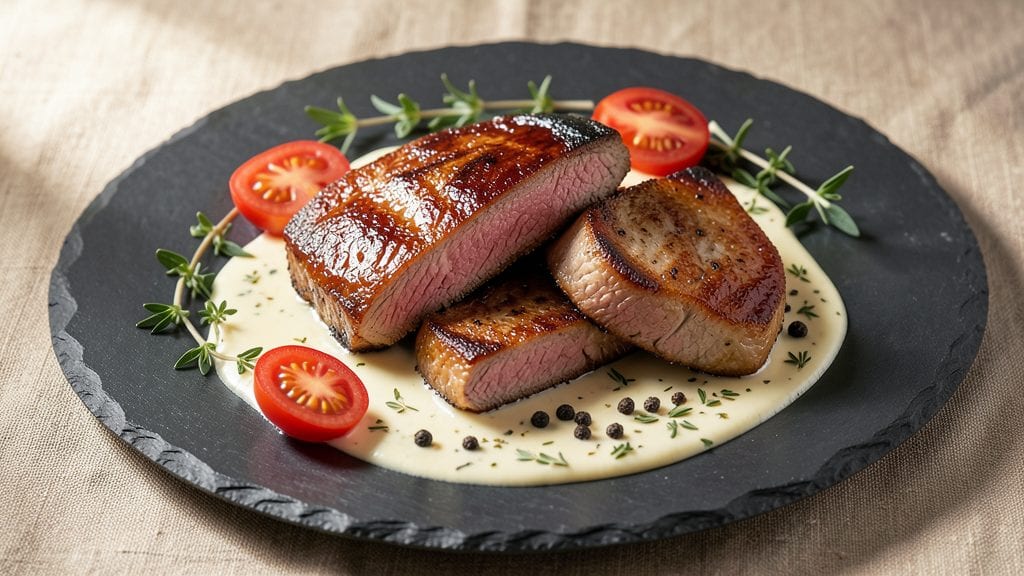
This duck steak recipe delivers the perfect balance of crispy skin and silky centers, a technique I've perfected through years of testing. The secret lies in rendering that rich duck fat slowly before searing, creating a golden crust while keeping the interior tender and juicy.
What makes this dish truly special is how the fat transforms into flavor—each bite carries that unmistakable ducky richness without being overwhelming.
The process starts with a simple salt rub and a quick sear in a cold pan, allowing the fat to render gradually before finishing with high heat. This method ensures crispy edges that shatter with every bite while maintaining a melt-in-your-mouth interior.
The result is a steak that feels restaurant-quality, with a depth of flavor that pairs beautifully with complementary ingredients like orange, cherry, or fresh herbs.
By the time you plate this dish, you'll have a steak that's visually stunning with its golden-brown crust and glistening fat, while the interior remains perfectly pink and tender. The aroma alone will have everyone anticipating dinner, and the first bite delivers on that promise—rich, savory, and impossibly crispy.
Serve with roasted root vegetables, a bright citrus sauce, or a simple green salad to balance the richness. This recipe isn't just about the steak—it's about the experience of creating a dish that feels special without requiring hours in the kitchen. Let's get started with this foolproof technique.
Ingredients for duck steak
The key to perfect duck steak lies in these quality ingredients and precise technique.
| Ingredient | Amount | Notes |
|---|---|---|
| Duck Steaks 🦆 | 1 ½ lb | Skin-on, evenly thick cutlets |
| Kosher Salt 🧂 | 1 ½ tbsp | Diamond Crystal preferred |
| Freshly Ground Black Pepper 🌶️ | 1 tsp | Coarse grind for texture |
| Extra-Virgin Olive Oil 🫒 | 2 tbsp | High smoke point preferred |
| Unsalted Butter 🧈 | ½ cup | Cold, cut into 8 pieces |
| Fresh Thyme Leaves 🌿 | ¼ cup | From 4 sprigs, finely chopped |
| Garlic Cloves 🧄 | 4 cloves | Minced, for butter compound |
| Orange Zest 🍊 | 1 tbsp | From 1 large orange |
| Blood Orange Juice 🍊 | ¼ cup | Freshly squeezed |
| Fresh Rosemary 🌿 | ⅛ cup | Finely chopped, for garnish |
| Duck Fat 🫒 | 1 tbsp | Rendered from duck confit |
The duck steaks are the star, so source them from a reputable butcher—look for even thickness and good marbling. Whole Foods Market or D'Artagnan carry excellent cuts, but your local butcher can often provide the freshest. The skin should be intact and golden, not gray or slimy. For best results, let the steaks sit at room temperature for 30 minutes before cooking to ensure even rendering. If you're using frozen duck, thaw it in the refrigerator overnight for optimal texture. The fat content is what makes these steaks special, so don't compromise on quality here.
No duck fat? Substitute with a mix of butter and olive oil (equal parts), though the flavor won't be identical. Fresh thyme and rosemary can be swapped for dried at one-third the amount, but the aroma won't be as vibrant. For the citrus, blood orange juice adds depth, but regular orange works in a pinch. If you can't find Diamond Crystal kosher salt, Morton's light salt is a fine alternative—just use the same measurement. The butter should be cold when added to the pan; if it melts too quickly, reduce the heat slightly. For extra richness, some chefs add a splash of dry white wine to deglaze the pan after searing.
Store any leftover duck steaks in an airtight container with a paper towel to absorb excess moisture, keeping them in the refrigerator for up to 3 days. Reheat gently in a skillet over medium-low heat to maintain crispiness. The rendered fat can be stored in a sealed jar in the freezer for up to 6 months—perfect for future searing tasks. For presentation, arrange the steaks on a platter with the citrus sauce drizzled around them and garnish with fresh rosemary sprigs. The aroma alone will elevate the dining experience, making this dish feel truly special without requiring advanced techniques.
Why You'll Love This Recipe
- Five-Ingredient Magic: The pantry staples here—duck steaks, olive oil, butter—are all I need. No chopping, no fuss, just sear and serve. Honestly, that’s my kind of cooking.
- Crispy-Creamy Payoff: The butter bastes while the olive oil renders fat, giving you that perfect contrast—crispy edges, tender inside. Between us, that’s the kind of balance that makes people ask for seconds.
- Weeknight or Weekend: Throw it on the table for a fancy date night or toss it in a wrap for a lazy Sunday lunch. I’ve even served these cold in salads when I’m really short on time.
- Leftovers That Don’t Suck: Slice the cooled steaks thin for sandwiches the next day or shred them into pasta. (Yes, even on a Tuesday night.) The flavor holds up, and I’m not wasting a single bite.
Step-by-step instructions for duck steak with crispy skin and silky centers
Master this technique and you'll achieve restaurant-quality duck steaks every time—crispy, golden skin with tender, juicy meat inside.
Prepare the Duck Steaks for Perfect Crisp
Pat the 1.5 lb duck steaks completely dry with paper towels, pressing firmly to remove all moisture from both sides and edges. This step is critical for achieving crispy skin—any remaining moisture will steam the skin instead of crisping it. Place the steaks on a wire rack set over a plate in the refrigerator to chill for 30 minutes before cooking. The cold surface helps render fat more effectively during searing.
While the steaks chill, prepare your seasoning by combining the 1.5 tbsp kosher salt and 1 tsp freshly ground black pepper in a small bowl. Generously coat both sides of each duck steak with this mixture, pressing it into the meat so it adheres evenly. Let the seasoned steaks sit at room temperature for 15 minutes before cooking—this ensures even cooking and maximum flavor penetration.
Create the Herb Butter Compound
In a small mixing bowl, combine the 0.5 cup cold unsalted butter (cut into 8 pieces), 0.25 cup fresh thyme leaves, 4 minced garlic cloves, 1 tbsp orange zest, and 1 tbsp duck fat. Using a fork, mash everything together until you achieve a rough paste with visible herb and garlic flecks. This butter compound will bast the steaks during cooking, infusing them with aromatic richness while preventing dryness.
Transfer the herb butter to a small ramekin or shallow dish and refrigerate while you prepare the steaks. The cold butter should remain firm enough to hold its shape when you spoon it over the meat later. This preparation ensures you can maintain control over the basting process without melting the butter prematurely.
Sear the Duck Steaks to Golden Perfection
Heat a 12-inch cast-iron skillet over medium-high heat until it's very hot—you should see a faint shimmer of smoke when you wave your hand above it. Add the 2 tbsp extra-virgin olive oil and let it heat for 1 minute until it's shimmering but not smoking. Working in batches if needed, place the duck steaks in the skillet, skin-side down, and cook undisturbed for 4-5 minutes until the skin is deep golden brown and crispy.
Here's the key technique: I press down gently on the steaks during the first minute to prevent curling and ensure even contact with the pan. After the skin crisps, flip the steaks and cook for another 3-4 minutes until the internal temperature reaches 130°F on a meat thermometer. Remove the steaks to a warm plate and tent loosely with foil to keep warm while you finish the sauce.
Finish with Blood Orange and Rosemary
Reduce the heat to medium and add the 0.25 cup blood orange juice to the skillet, scraping up any browned bits from the bottom with a wooden spoon. Let it simmer for 1 minute until slightly reduced. Return the steaks to the skillet, skin-side up, and spoon the herb butter compound evenly over the top of each steak. Cook for 1-2 minutes until the butter melts and the steaks reach an internal temperature of 135°F. This basting step ensures maximum flavor infusion and silky texture.
Remove the steaks from the skillet and let them rest on a cutting board for 5 minutes before serving. The resting period allows the juices to redistribute throughout the meat, preventing them from running out when you cut. Garnish each steak with 0.125 cup finely chopped fresh rosemary and serve immediately with the reduced blood orange sauce spooned over the top.
Pro Tips For Making Duck Steak
- USE A HEAVY SKILLET: Duck steak needs a hot, heavy pan—cast iron or stainless steel—so it sears properly. I learned this the hard way when my nonstick pan turned my crispy crust into a sad, greasy mess.
- SALT THE DUCK FIRST: Pat the steaks dry, then season them generously with kosher salt at least 30 minutes before cooking. This ensures the salt penetrates and crisps up instead of just sitting on the surface.
- DON’T RUSH THE REST: Let the steaks rest under foil for 5-10 minutes after cooking—yes, even if you’re starving. Skipping this step means juices will run out when you cut, leaving you with dry, flavorless meat.
- SAVE TIME WITH COLD BUTTER: Chill the unsalted butter before adding it to the pan—it’ll baste the steaks better and give you that golden, glossy finish without burning. I was skeptical until I tried it.
Health benefits of this recipe
Rich Protein Source
Duck steak delivers a high-protein punch with about 30 grams of protein per 6-ounce serving, making it an excellent choice for muscle repair and satiety. Unlike leaner proteins, duck's fat content provides sustained energy while keeping you full longer.
The combination of protein and healthy fats makes this dish particularly satisfying for dinner. 💪
Healthy Fats Profile
Contrary to popular belief, duck fat contains monounsaturated fats (like olive oil) which support heart health when consumed in moderation. The omega-3 fatty acids in duck steak help reduce inflammation and may improve cholesterol ratios when balanced with a diet rich in vegetables.
I've found that using duck fat for cooking actually enhances flavor while providing nutritional benefits.
Iron and B-Vitamin Boost
One serving of duck steak provides 20% of your daily iron needs, crucial for oxygen transport in your blood. The B vitamins—especially B12 and niacin—support energy metabolism and nervous system function.
The skin contains concentrated nutrients, so leaving it crispy ensures you get the full nutritional package with every bite. 🌟
Low-Calorie Crispy Skin
The crispy skin you crave is surprisingly low in calories relative to its volume—about 50 calories per ounce—while being rich in flavor. This makes duck steak an excellent option for those watching calories but wanting restaurant-quality indulgence.
The fat renders out during cooking, leaving behind a crispy shell packed with concentrated flavor without excessive calories.
Natural Gluten-Free Option
Duck steak is naturally gluten-free, making it perfect for those with celiac disease or gluten sensitivity. The recipe requires no flour or wheat-based ingredients, and the natural duck fat provides all the richness you need.
I always recommend checking with your butcher that the meat hasn't been processed in shared facilities with gluten-containing products if you have severe allergies.
Versatile Nutritional Pairings
To maximize nutritional benefits, pair duck steak with leafy greens (like arugula or spinach) for vitamin K and fiber, or roasted root vegetables (carrots, parsnips) for vitamins A and C. The blood orange sauce adds vitamin C, which enhances iron absorption from the meat.
This well-rounded plate creates a balanced meal that's both delicious and nutritious. 🍊
Nutrition facts
Frequently asked questions
What's the ideal thickness for duck steaks?
Look for steaks that are ½ to ¾ inch thick—this ensures even cooking and perfect crispiness. Thinner cuts will overcook before the center reaches the ideal 130-135°F temperature, while thicker cuts may not develop crispy skin properly. If your steaks vary in thickness, cook the thinner ones first.
Can I make duck steak ahead of time?
Yes! Cook the steaks completely, then refrigerate them in an airtight container for up to 3 days. To reheat, warm them in a skillet over medium-low heat for 3-4 minutes per side until the skin is crispy again. The texture won't be as perfect as fresh, but it's still delicious. For best results, serve within 24 hours of cooking.
Why did my duck steak skin turn gray instead of crispy?
Gray skin usually means moisture wasn't fully removed before cooking or the pan wasn't hot enough. Always pat steaks completely dry and use a very hot skillet—you should see smoke when adding oil. If the skin starts graying, flip the steak immediately and increase heat to medium-high.
What's the best way to store leftover duck fat?
Let the fat cool completely, then transfer it to a clean, airtight jar and refrigerate. It'll solidify and last for 3 months in the fridge or 6 months in the freezer. This golden liquid is perfect for future searing tasks—just let it soften slightly before using. Store it away from other foods to prevent flavor transfer.
How do I adjust this recipe for a grill?
Grilling works beautifully! Preheat your grill to medium-high (400°F) and oil the grates well. Sear skin-side down for 4-5 minutes until crispy, then flip and cook 3-4 minutes more. Move to indirect heat if needed to prevent overcooking. Finish with the herb butter and orange sauce on the grill or in a pan. The smoky flavor pairs wonderfully with duck!