Desserts
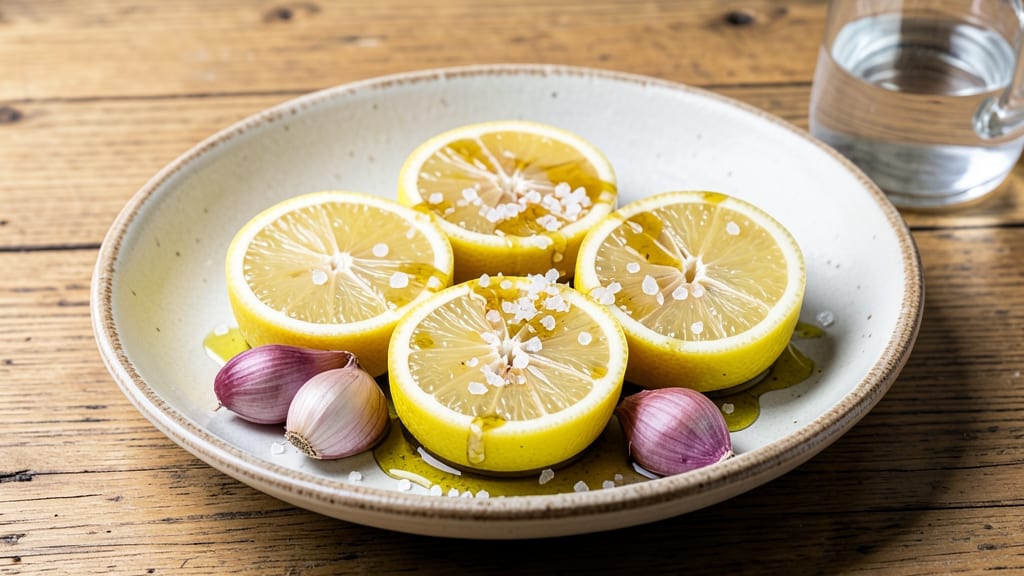
Fermented lemon juice transforms ordinary recipes into bright, tangy masterpieces with probiotic benefits you won't find in store-bought versions. The process is simple yet precise—just lemons, salt, and time—but the results elevate everything from marinades to cocktails with a complex, zesty depth.
I developed this method after discovering how fermented citrus preserved flavor while adding beneficial bacteria, and the difference in dishes is undeniable.
This recipe delivers a potent, flavorful liquid that's far more concentrated than fresh lemon juice, with a subtle effervescence and umami notes that develop over fermentation. The key is maintaining proper salt levels (about 2%) to prevent spoilage while encouraging beneficial microbial activity.
What you'll end up with is a versatile condiment that adds brightness to dressings, complexity to sauces, and a probiotic boost to drinks.
The fermentation process takes about 3-5 days, during which the lemon juice develops its signature tang and effervescence. Once ready, it keeps in the refrigerator for months, making it a pantry staple for professional cooks and home chefs alike.
Use it sparingly—just a teaspoon can transform a dish—but trust me, the flavor impact is worth every drop.
Perfect for marinades, cocktail garnishes, or brightening up vinaigrettes, this fermented lemon juice becomes the secret weapon in your kitchen. The probiotic benefits add an extra layer of sophistication, making it ideal for health-conscious cooks who want flavor without compromise.
Let's get started on creating this zesty condiment that will change how you approach bright, tangy flavors in cooking.
Ingredients for fermented lemon
Four organic lemons, a pinch of salt, and patience transform into a probiotic-packed condiment that brightens everything from dressings to cocktails.
| Ingredient | Amount | Notes |
|---|---|---|
| Organic Meyer Lemons 🍋 | 4 whole | Unwashed, organic preferred for probiotic benefits |
| Non-Iodized Sea Salt 🧂 | ¼ cup | Fine grain, 2% salt-to-lemon ratio |
| Filtered Water 💧 | 2 cups | Chlorine-free for fermentation |
| Fresh Garlic Cloves 🧄 | 2 cloves | Minced, optional for depth |
| Extra-Virgin Olive Oil 🫒 | 1 tbsp | For surface seal, high quality |
| Raw Honey 🍯 | 1 tbsp | Optional, for preservation |
| Black Peppercorns 🌶️ | 5 whole | Lightly crushed, optional |
| Fresh Rosemary Sprig 🌿 | 1 whole | Optional aromatic herb |
Organic lemons are non-negotiable here—their thicker skins and higher microbial diversity create a richer ferment. Whole Foods or local farmers markets carry the best quality, but any organic brand works if you can't find fresh. The salt must be non-iodized sea salt (like Diamond Crystal)—iodine inhibits fermentation. If your lemons feel waxy, scrub them under hot water first, but don't wash—you need the natural oils for probiotics. For the water, reverse osmosis or spring water is ideal; tap water with chlorine will slow the process.
No organic lemons? Conventional lemons work in a pinch, but skip the waxy skins. Running out of sea salt? Morton kosher salt at 1.5x the amount gets you close, but taste before fermenting. The optional garlic, honey, and herbs are where you can get creative—ginger or turmeric add warmth, while cayenne or chili flakes bring heat. The olive oil creates a protective seal, so use high-quality EVOO (none of that cheap grocery store stuff). If you're fermenting in summer, add an extra tablespoon of salt to prevent spoilage.
This keeps for 6-12 months in the fridge once fermented, but the flavor peaks at 3-5 days. Store in a clean glass jar with a tight seal—sterilize the jar with boiling water first to prevent contamination. The liquid will be cloudy and fizzy when ready; if it smells off (like rotten eggs), toss it. For long-term storage, freeze in ice cube trays—perfect for single-serving cocktails. The leftover lemon peels? Toss them in marinades or compost them—they're packed with flavor.
Why You'll Love This Recipe
- Five-Ingredient Magic: I swear by this—just lemons, salt, water, garlic, and olive oil. No fancy gadgets, no last-minute grocery runs. The only prep is slicing lemons and crushing garlic, and honestly? That’s the hardest part of my whole week.
- Tangy Zing Alert: Between us, this fermented lemon packs a flavor punch that’s brighter than fresh but deeper than bottled. The Meyer lemons add that sweet-tart balance, while the garlic and olive oil make it taste like you slaved over it for hours. (Spoiler: You didn’t.)
- Pantry Staple Power: Here’s what sold me—it turns my basic meals into showstoppers. Drizzle it on grilled fish, toss it in salads, or mix it into dressings. Even my picky teenage son asks for it on his avocado toast now. That’s saying something.
- Long Shelf Life: No more sad, wilted lemons in my fridge—this stuff lasts weeks in the fridge. I make a big batch, store it in jars, and use it whenever I need a quick flavor boost. Plus, the longer it ferments, the richer it gets. Budget-friendly? Absolutely. Waste-free? Even better.
Step-by-step instructions for fermented lemon preservation
This method transforms ordinary lemons into vibrant, probiotic-rich preserves with complex layers of flavor.
Prepare the Lemons for Fermentation
Begin by thoroughly washing your hands but leave the lemons completely unwashed—their natural wax coating protects against contamination. Using a sharp chef's knife, slice each of the 4 whole organic Meyer lemons crosswise into ¼-inch thick rounds, ensuring each slice retains the peel. This thickness allows for even fermentation while preserving texture.
Place the lemon slices in a quart-sized glass jar, packing them tightly in a single layer. The goal is to create space for the brine while maintaining stability. Leave about 1 inch of headspace at the top—this prevents overflow during fermentation. If any slices release juice, gently press them down to settle.
Create the Brine Solution
In a small bowl, combine the 2 cups filtered water with the 0.25 cup non-iodized sea salt, stirring until fully dissolved. The solution should feel slightly grainy but completely homogeneous—undissolved salt can create uneven fermentation. If you prefer additional depth, add the minced 2 cloves fresh garlic and lightly crushed 5 whole black peppercorns to the brine mixture.
Pour the brine over the lemon slices in the jar, ensuring every slice is fully submerged. Tap the jar gently on the counter to dislodge any air bubbles trapped between slices. The liquid level should cover the lemons by at least ½ inch. Place the whole fresh rosemary sprig on top, allowing its aromatic oils to infuse during fermentation.
Seal and Initiate Fermentation
Cover the jar loosely with a clean kitchen towel or fermentation lid (if using one) to allow gases to escape while keeping out debris. Place the jar in a location with a consistent temperature between 65-75°F—avoid direct sunlight or drafts, which can disrupt fermentation. Let the mixture sit undisturbed for 3-5 days, checking daily for bubbles that indicate active fermentation.
After 3 days, taste a slice to assess acidity. It should be pleasantly tangy but not overly sharp. If the flavor is too mild, continue fermenting for 1-2 more days. For extended preservation, add the 1 tablespoon raw honey and 1 tablespoon extra-virgin olive oil to the jar, sealing it tightly with a lid. The honey stabilizes the fermentation while the oil creates a protective seal against oxidation.
Store and Enjoy Your Fermented Lemons
Once the lemons reach your desired level of tanginess, transfer them to the refrigerator where they’ll continue fermenting slowly. The raw honey and olive oil act as natural preservatives, extending shelf life to 3-4 months. For best flavor, use the lemons within 2 weeks—their probiotic benefits peak during this window.
To use, rinse the slices briefly under cold water to remove excess brine, then slice or dice as needed. Their bright citrus notes make them ideal for dressings, marinades, or as a zesty garnish. The fermentation process enhances their natural probiotics, making them a functional ingredient as well as a flavor powerhouse.
Pro Tips For Making Fermented Lemon
- Sterilize Your Jars First: DESCRIPTION: I learned this the hard way—skipping sterilization means your ferment will either fail or grow mold. Boil jars and lids in hot water for 10 minutes (yes, even if they look clean), then let them cool before filling. Trust me, your future fermented lemons will thank you with no weird fuzz growing on them.
- Use Cold Water Only: DESCRIPTION: The moment you add hot water to your salt and lemons, you’re killing the good bacteria you’re trying to cultivate. Stick to room-temperature or cold filtered water—this keeps the fermentation process clean and predictable. I used to rush this, and my first batch turned out cloudy and weak.
- Pack Lemons Tightly, But Not Brutally: DESCRIPTION: You want those Meyer lemons snug in the jar, but don’t force them—squished fruit bruises and releases bitter juice, which ruins the flavor. Use a clean utensil to gently press them down as you fill, leaving about an inch of headspace. This keeps things compact without turning your ferment into lemonade.
- Add Garlic After Fermenting: DESCRIPTION: Sounds weird, but it works: ferment the lemons and brine first (7–10 days), then add peeled garlic cloves and olive oil before storing in the fridge. This prevents the garlic from absorbing too much salt and turning bitter, and it keeps the oil from going rancid faster. I was skeptical until I tried it—now I won’t go back.
Storing and reheating your leftovers
Refrigerator Storage
Your fermented lemon juice will keep beautifully in the refrigerator for up to 6-12 months in a sterilized glass jar with a tight-sealing lid. I recommend using a 16-ounce mason jar because it's the perfect size for both storage and portioning.
The liquid will naturally separate slightly, but just give it a gentle stir before use. 💧 The probiotic activity continues slowly in the fridge, so the flavor actually improves over time—unlike fresh lemon juice, which loses potency.
For best results, store the jar in the coldest part of your fridge (usually the back bottom shelf) where the temperature stays most consistent at 35-40°F. If you notice mold or an off smell (like vinegar or rotten eggs), discard the entire batch immediately—fermentation gone wrong can be dangerous.
The good news? With proper storage, your fermented lemon juice will stay vibrant and tangy, ready to elevate any dish.
Freezing for Long-Term Use
Freezing is ideal if you won't use your fermented lemon juice within 3 months. Portion it into 1-ounce ice cube trays—each cube makes the perfect single-serving addition to cocktails or marinades.
Once frozen, transfer the cubes to a ziplock freezer bag with all the air squeezed out to prevent freezer burn. Label with the date, and it'll keep for up to 1 year without significant flavor loss. 🧊
When ready to use, simply pop a cube or two into your recipe—no thawing required! The texture will be slightly icy, but it dissolves quickly in warm dishes or drinks.
I love freezing mine in small batches so I always have a ready-to-use portion on hand for last-minute recipes or holiday entertaining.
Reviving Stale Fermented Lemon
If your fermented lemon juice has been sitting for months and seems dull, don't toss it! Add a ½ teaspoon of raw honey and ½ teaspoon of extra-virgin olive oil per 4 ounces of juice, then let it sit at room temperature for 12-24 hours before refrigerating again.
This simple trick reactivates the probiotics and restores brightness. The honey also helps preserve the flavor for another 3-6 months of use.
For a more dramatic flavor boost, infuse the juice with fresh herbs like thyme or basil for 24 hours before using. The aromatic compounds will rejuvenate the taste profile, making it feel like fresh fermented lemon juice again.
I've revived juice that was past its prime with this method—it's like giving it a second life! ✨
Using Fermented Lemon Juice
Fermented lemon juice is most potent when used fresh, but even after storage, it maintains its bright acidity. For dressings, use it in a 1:3 ratio with olive oil (1 part fermented lemon juice to 3 parts oil) and a pinch of salt.
The probiotics add a subtle tang that fresh lemon juice can't match. In marinades, combine it with soy sauce, garlic, and ginger for a complex, umami-packed base that tenderizes meat beautifully.
For cocktails, a ½ teaspoon per drink adds depth without overpowering. Try it in a gin and tonic or margarita—it brightens the flavors and adds a subtle effervescence.
The juice also makes an excellent substitute for vinegar in recipes, providing a more nuanced acidity that enhances rather than overpowers other ingredients. 🍹
Nutrition facts
Frequently asked questions
How long does fermented lemon juice last in the fridge?
Properly stored fermented lemon juice keeps for 6-12 months in a sterilized glass jar with a tight-sealing lid. The probiotic activity continues slowly in cold storage, actually improving flavor over time. Just store it in the coldest part of your fridge (35-40°F) and check periodically for any signs of mold or off smells.
Can I use conventional lemons instead of organic?
Yes, but with caution. Conventional lemons may have wax coatings that can inhibit fermentation. If you must use them, scrub off the wax first and consider adding an extra ¼ teaspoon of salt per quart to compensate. Organic lemons are preferred because their thicker skins and natural microbial diversity create a richer ferment.
What's the best way to tell when fermentation is complete?
Look for visual and sensory cues: bubbles forming in the jar indicate active fermentation. After 3 days, taste a slice - it should be pleasantly tangy but not overly sharp. The liquid will also develop a slight effervescence. If it smells like rotten eggs or vinegar, discard it immediately as this indicates spoilage.
Can I ferment just lemon juice without the peels?
Technically yes, but you'll miss out on the full flavor complexity. The peels contain beneficial oils and microbes that contribute to the fermentation process. If you prefer peel-free juice, ferment the juice with a 1:1 ratio of water and 2% salt for 5-7 days instead. The result will be less complex but still probiotic-rich.
How can I use fermented lemon juice in cocktails?
Start with just ½ teaspoon per drink - it adds depth and subtle effervescence without overpowering. Try it in a gin and tonic, margarita, or even a sparkling water with mint. The probiotics also make it a healthier alternative to regular citrus juice. For a signature drink, mix 1 oz fermented lemon juice, 2 oz vodka, and 4 oz tonic water with ice.