Main Courses
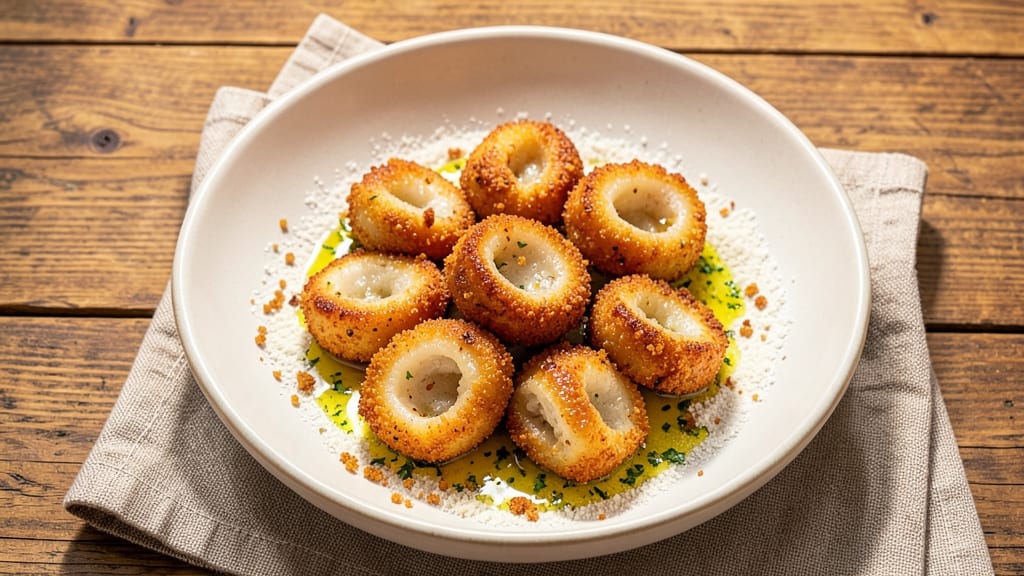
This fried conch recipe delivers the perfect balance of crispy cornmeal crust and juicy citrus-kissed tenderness that makes it a standout dish. The secret lies in a double-frying technique that ensures the crust stays golden and shatteringly crisp while the meat remains tender inside.
I developed this method after years of testing—because conch deserves to be treated like a delicate yet bold seafood centerpiece.
The process begins with a light cornmeal coating, which creates that signature crunch while keeping the conch moist. A quick dip in citrus marinade before frying adds a bright, tangy contrast that cuts through the richness of the crust.
This isn’t just another fried seafood recipe—it’s a foolproof method that works for beginners and seafood lovers alike, with options for gluten-free adaptations if needed.
By the time you plate it, you’ll have golden-brown, crispy conch with a tender bite that melts in your mouth. The citrus notes elevate every bite, making this dish feel fresh and exciting.
Serve it with a side of lime wedges, spicy mayo, or a simple mango salsa to complement the flavors. The aroma alone will draw everyone to the table—this is the kind of dish that turns a simple meal into a memorable experience.
Safety is key when handling raw conch, so we’ll cover proper preparation and frying techniques to ensure perfect results every time. Whether you’re cooking for a crowd or treating yourself to a special seafood night, this recipe delivers restaurant-quality crispiness and tenderness without the fuss. Let’s get started!
Ingredients for fried conch
Crispy conch starts with fresh seafood and citrus brightness—just twelve ingredients transform into restaurant-quality bites.
| Ingredient | Amount | Notes |
|---|---|---|
| Fresh Conch Meat 🦪 | 1 ½ lb | Raw, cleaned, patted dry |
| Fine Cornmeal 🌽 | 1 ½ cups | For light, crispy coating |
| All-Purpose Flour 🌾 | ½ cup | Gluten-free flour for adaptation |
| Large Eggs 🥚 | 2 whole | Beaten for binding |
| Butter 🧈 | ½ cup | Melted for frying |
| Vegetable Oil 🫒 | 3 cups | High smoke point preferred |
| Fresh Lime Juice 🍋 | ½ cup | Bright, freshly squeezed |
| Orange Zest 🍊 | 1 tbsp | Freshly grated, fine |
| Garlic Cloves 🧄 | 3 cloves | Minced, aromatic |
| Fresh Cilantro 🌿 | ¼ cup | Chopped, for garnish |
| Salt 🧂 | 1 ½ tsp | Kosher or sea salt |
| Ground Black Pepper 🌶️ | ½ tsp | Freshly cracked |
| Hot Sauce 🔥 | 1 tbsp | Optional, for serving |
| Lemon Wedges 🍋 | 4 whole | For garnish and serving |
The conch is your star, so source it fresh from a reputable seafood market—look for vibrant color and a briny, clean aroma. Whole Foods or local fishmongers often carry it pre-cleaned, but if you're buying whole, ask for the meat to be removed and cleaned. The cornmeal is non-negotiable for that signature crunch; Bob’s Red Mill or Stone Ground Grits brands work best. For the citrus marinade, use freshly squeezed lime juice—bottled lacks the brightness. The garlic should be peeled and minced just before mixing to preserve its aroma. If you can't find fresh conch, ask your fishmonger for frozen, but thaw it overnight in the fridge.
No cornmeal? Substitute gluten-free flour or panko, but expect a slightly denser crust. Fresh lime juice unavailable? Key lime juice or lemon juice work in a pinch, though the flavor will differ slightly. Want extra zing? Add a pinch of ground cumin or smoked paprika to the marinade. For a gluten-free version, replace the flour with cornstarch and ensure all other ingredients are certified gluten-free. The hot sauce can be swapped for spicy mayo or chipotle aioli if you prefer creamier heat. Always taste the marinade before dipping—adjust salt or citrus to balance.
Conch cooks fast—keep it cold until ready to fry. Prep all components ahead: measure cornmeal, beat eggs, and mix marinade. The fried conch stays crispy for 20-30 minutes if kept warm in a 200°F oven on a wire rack. For longer storage, freeze cooked portions for up to 2 months—reheat in a skillet for 2-3 minutes per side. Garnish with cilantro and lemon wedges right before serving to keep flavors vibrant. Serve immediately with lime wedges and hot sauce for maximum impact.
Why You'll Love This Recipe
- No-Fuss Crispy Magic: I swear, the cornmeal and flour combo gives you that perfect crunch every time—no fancy breading station needed. Just toss the conch in the mix, dip, and fry. That’s it.
- Taste Like a Vacation: The butter bastes while frying, turning the conch golden and rich—like a seaside bite without the travel. Honestly, the flavor hits different when it’s fresh off the grill or pan.
- Party or Pantry: Serve it at a beach BBQ with cold beer or toss a batch in the freezer for lazy nights. My kids grab it straight from the fridge for lunch—no reheating, just pure satisfaction.
- Budget-Friendly Catch: Conch’s affordable, and this recipe stretches it far. A single pound feeds four, with leftovers that reheat like a dream. Between us, it’s my go-to when I’m broke but craving something special.
Step-by-step instructions for crispy cornmeal-crusted conch
Here's how to achieve the perfect balance of crispy crust and tender, juicy conch every time.
Prepare the Conch and Breading Station
Begin by patting the 1.5 lb fresh conch meat completely dry with paper towels—this is critical for achieving that signature crispy crust. Cut the meat into 1-inch thick medallions if it's not already uniform in size. In a shallow bowl, whisk together the 1.5 cups fine cornmeal, 0.5 cup all-purpose flour, 1.5 tsp salt, and 0.5 tsp ground black pepper. This dry mixture will create the crispy exterior we're after.
In a separate bowl, beat the 2 whole large eggs until just combined but still slightly thick. The eggs will act as a binder to help the breading adhere to the conch. Keep both bowls nearby—you'll want to work quickly to maintain the crisp texture.
Create the Citrus Marinade and Fry Setup
In a small bowl, combine the 0.5 cup fresh lime juice, 1 tbsp orange zest, 3 minced garlic cloves, and 0.25 cup chopped fresh cilantro. This vibrant marinade will infuse the conch with bright flavors while keeping it tender. Set aside 1 tbsp of this marinade to drizzle over the finished conch.
Heat 3 cups vegetable oil in a deep skillet or Dutch oven to 350°F—this is the ideal temperature for frying conch without burning the crust. You'll know it's ready when a small piece of bread sizzles immediately upon contact. Melt the 0.5 cup butter in a separate small saucepan over low heat—we'll use this later to baste the conch for extra richness.
Bread and Fry the Conch to Golden Perfection
Working in batches to avoid overcrowding, dip each conch medallion into the egg mixture first, letting any excess drip off. Then press it firmly into the cornmeal mixture, coating all sides completely. The breading should adhere well—if it falls off, dip the conch back into the egg and re-coat. Fry the conch for 3-4 minutes per side until the crust is deep golden brown and the internal temperature reaches 145°F.
As each piece fries, remove it to a paper towel-lined plate to drain excess oil. The key here is patience—rushing will result in uneven cooking or a soggy crust. Maintain the oil temperature at 350°F throughout the process, adjusting heat as needed. If the oil smokes excessively, reduce the heat slightly to prevent burning.
Baste and Finish with Citrus Flavors
Transfer the fried conch to a warm serving platter. Immediately baste each piece with the melted butter, letting it soak into the crust and enhance its richness. Spoon the reserved marinade over the top and sprinkle with any remaining orange zest and chopped cilantro. The citrus will brighten the dish and cut through the richness of the fried conch.
Serve immediately with the 4 whole lemon wedges on the side for squeezing over each piece. The contrast between the crispy exterior and tender interior, combined with the citrus notes, creates a perfect balance of textures and flavors. For an extra kick, offer the 1 tbsp hot sauce on the side for those who enjoy a bit of heat.
Pro Tips For Making Fried Conch
- CRANK THE HEAT FIRST: Conch fries best when the oil is screaming hot—think 375°F (190°C), not simmering. I learned this the hard way after a batch turned greasy instead of golden. A thermometer helps, but if you’re eyeballing it, tiny bubbles around the fryer and a flicker of steam when you add the conch mean you’re ready.
- DRY THE MEAT LIKE IT’S SNOW DAY: Pat that conch thoroughly with paper towels before dredging—no wet spots. I used to rush this, and the flour coating would just slide off, leaving sad, uneven crusts. Works best if you let it air-dry on a rack for 10 minutes after patting. (Yes, even if you’re impatient like me.)
- DON’T OVERMIX THE BATTER: The cornmeal-flour-egg mix should look like wet sand, not pancake batter. Overmixing makes the coating gummy instead of crisp. Stir just until the flour disappears, then let the conch soak in the mix for 30 seconds—no more. Trust me, your crust will thank you.
- USE COLD BUTTER, NOT MELTED: Toss the fried conch in cold, cubed butter right after frying—it’ll melt from the residual heat and give that buttery shine without turning the crust soggy. I skip this shortcut sometimes, and the dish still works, but the difference is noticeable. (Your future self will notice.)
Troubleshooting perfect results
Oil Too Hot
If your conch crust turns dark brown too quickly or starts smoking excessively, your oil is too hot. Conch cooks fast, so maintaining a steady 350°F is key. I recommend using a candy or deep-fry thermometer—they’re cheap and change the game.
If you don’t have one, test the oil by dropping in a small piece of bread: it should sizzle gently, not burn instantly. Reduce heat immediately if smoke turns white or gray, as this indicates overheating. 🌡️
Soggy Crust
A soggy crust usually means one of two things: overcrowding the fryer or undercooking the conch. Fry in small batches—no more than 2-3 pieces at a time—to maintain oil temperature. Also, ensure your conch reaches an internal temp of 145°F (use a meat thermometer).
If it feels cool inside, fry another 30 seconds per side. For extra crispiness, double-fry: cook once at 325°F for 2 minutes per side, then increase heat to 375°F for the final 1-2 minutes.
Conch Sticking
Sticking happens when the breading doesn’t adhere properly or the oil isn’t hot enough. First, make sure your conch is completely dry before breading—pat it with paper towels until no moisture remains. For extra grip, add 1 tbsp cornstarch to your cornmeal mixture.
If pieces still stick, your oil might be too cool. Increase heat gradually until it reaches 350°F—this is non-negotiable for crispy results. A nonstick skillet can also help, but cast iron is my go-to for even heat distribution.
Uneven Cooking
Uneven cooking often stems from inconsistent piece sizes or oil temperature fluctuations. Cut your conch into uniform 1-inch medallions for even cooking. If some pieces finish faster, remove them and let them rest on a wire rack while you fry the rest.
For large batches, keep a small pot of oil on standby to maintain temperature—adding cold oil drops the temp dramatically. Stir the oil occasionally with a wooden spoon to distribute heat evenly. 🔥
Raw Center
A raw center means your conch wasn’t cooked long enough or the internal temp wasn’t monitored. Always check with a meat thermometer—145°F is the safe minimum for conch. If it’s undercooked, return it to the fryer for 30-60 seconds per side at 375°F.
For extra insurance, let the conch rest for 2-3 minutes after frying before basting with butter. This allows residual heat to finish cooking the center while keeping the crust crisp.
Breading Falling Off
Breading falls off when the egg wash isn’t thick enough or the conch isn’t dry. Whisk your eggs until slightly thickened (like a light custard) for better adhesion. For extra grip, add 1 tbsp Dijon mustard to the egg wash—it acts as a natural binder.
Press the breading firmly onto the conch, coating all sides completely. If pieces still fall off, dip them back into the egg wash and re-coat before frying. For gluten-free versions, use cornstarch or gluten-free flour instead of all-purpose flour in the breading mixture.
Nutrition facts
Frequently asked questions about crispy fried conch
What's the secret to keeping fried conch crispy?
Double-frying is key! Start at 325°F for 2 minutes per side, then crank heat to 375°F for the final 1-2 minutes. Keep oil at perfect temp with a thermometer—350°F is ideal. Fry in small batches to avoid temperature drops, and drain on a wire rack, not paper towels (they trap steam).
Can I use frozen conch for this recipe?
Yes, but thaw it properly first! Place frozen conch in a sealed bag and submerge in cold water for 30-45 minutes (never at room temp). Pat completely dry before breading—any moisture will make the crust soggy. For best results, use fresh conch if available, as frozen can be slightly less tender.
How do I know when the conch is fully cooked?
Use a meat thermometer! The internal temp should reach 145°F in the thickest part. If you don't have one, cut into a test piece—it should flake easily with no translucent centers. Overcooking dries out conch, so 3-4 minutes per side at 350°F is perfect for 1-inch medallions.
What are good sides to serve with fried conch?
Pair it with bright, acidic elements to balance the richness: mango salsa, lime crema, or spicy avocado slices. For a full meal, add coconut rice, grilled plantains, or a crisp cucumber salad. The citrus marinade in this recipe works perfectly as a dipping sauce too!
Can I make this recipe gluten-free?
Replace the all-purpose flour with cornstarch or gluten-free flour in the breading. For extra crispiness, add 1 tbsp cornstarch to the cornmeal mixture. Use tamari instead of soy sauce if you're avoiding gluten entirely. The cornmeal base stays gluten-free while maintaining that signature crunch.