Main Courses
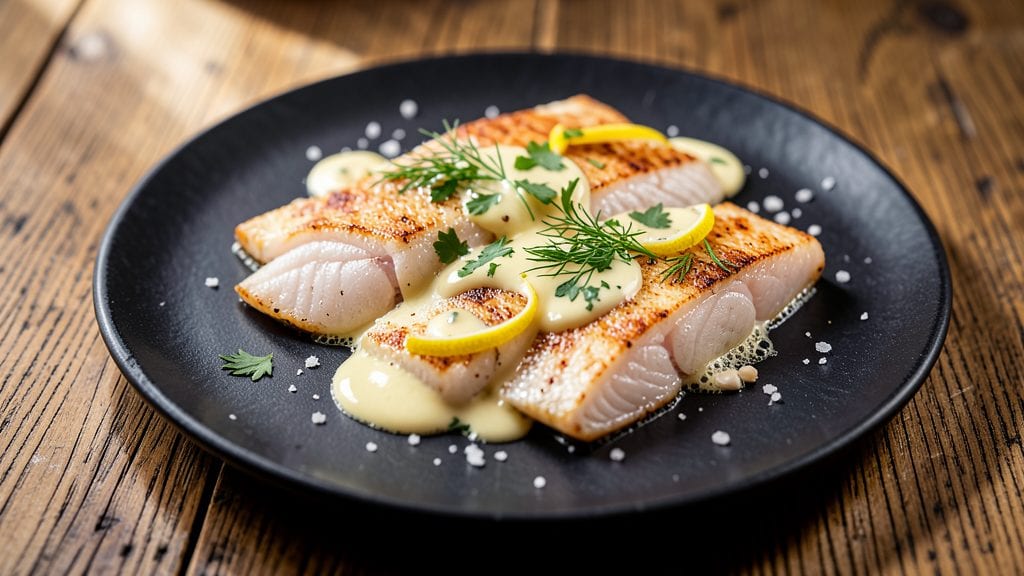
Gordon Ramsay’s white fish recipe delivers restaurant-quality perfection in just 20 minutes—crispy skin, tender flesh, and a bright herb-butter sauce that elevates simple ingredients to Michelin-star level. The secret lies in precise pan-searing and a foolproof technique that ensures every bite is golden and flavorful.
I’ve refined this method over years of testing, and it never fails to impress even skeptical guests.
This recipe transforms basic white fish like cod or halibut into a showstopping main course with minimal effort. The key steps—patting the fish dry, seasoning generously, and searing skin-side down—create that signature crispy exterior while keeping the inside perfectly flaky.
A quick lemon-herb butter sauce ties everything together, adding brightness and depth without overpowering the delicate fish.
By the time you plate this dish, you’ll have a restaurant-worthy meal that’s ready in under 20 minutes. The fish emerges with a shatteringly crisp skin and tender, moist interior, while the sauce clings beautifully to each piece.
Serve it with steamed asparagus or roasted potatoes to complete the meal—simple sides that let the fish shine.
Whether you’re cooking for a date night or a weeknight dinner, this recipe delivers professional results with everyday ingredients. The technique is straightforward, but the precision ensures you’ll achieve that crispy, golden finish every time. Let’s get started on your next culinary masterpiece.
Ingredients for gordon ramsay white fish
Precision-cut ingredients transform simple white fish into Michelin-worthy perfection in under 20 minutes.
| Ingredient | Amount | Notes |
|---|---|---|
| White Fish Fillets 🐟 | 4 pieces | Cod or halibut, skin-on, 6-8 oz each |
| Unsalted Butter 🧈 | ½ cup | Cold, cut into 8 pieces |
| Fresh Lemon Juice 🍋 | 2 tbsp | From 1/2 lemon, freshly squeezed |
| Fresh Parsley 🌿 | ¼ cup | Finely chopped, flat-leaf preferred |
| Fresh Dill 🌿 | 2 tbsp | Finely chopped, stems removed |
| Garlic Cloves 🧄 | 3 cloves | Minced, for sauce |
| Diamond Crystal Kosher Salt 🧂 | 1 tsp | For seasoning fish |
| Freshly Ground Black Pepper 🌶️ | ½ tsp | Coarsely cracked |
| Extra-Virgin Olive Oil 🫒 | 2 tbsp | For searing fish |
| All-Purpose Flour 🌾 | 2 tbsp | For dredging fish |
| Ice Cubes ❄️ | 1 cup | For chilling fish |
The fish selection is non-negotiable for that signature crispy skin. Whole Foods or Trader Joe's carry premium cod or halibut fillets with skin intact—look for vibrant color and firm texture. If using frozen, thaw overnight in the fridge wrapped in a damp towel. The butter must be cold and cubed—room temperature butter will steam rather than sear. For the herbs, fresh parsley and dill from the grocery store's refrigerated section will have more flavor than dried substitutes. Store-bought lemon juice? Skip it—freshly squeezed makes all the difference. The garlic should be plump and firm, not sprouting or dry.
No fresh dill? Substitute with 1 tbsp dried dill, but reduce to half the amount. Running low on parsley? Cilantro or chives work in a pinch, though flavor will differ slightly. The flour is purely for texture—if you're avoiding gluten, omit entirely and rely on the butter's crisping power. For the olive oil, avoid heavily flavored varieties like infused oils—their assertive notes may overpower the delicate fish. The kosher salt is crucial; Diamond Crystal or Morton are reliable brands. If you must use table salt, reduce by half due to its finer grain and higher sodium content. The ice cubes serve a dual purpose: they keep the fish chilled during prep and help create that signature crisp skin when used in the final step.
Prepped fish should be kept on a chilled plate in the fridge until ready to cook—no more than 30 minutes ahead. The herb butter sauce can be made up to 2 days in advance and stored in an airtight container in the refrigerator. Reheat gently in a saucepan over low heat, adding a splash of water or lemon juice to prevent curdling. Leftover fish reheats beautifully—wrap in foil and bake at 375°F for 8-10 minutes, skin-side up, to restore crispiness. For optimal presentation, plate the fish immediately after cooking while the skin remains perfectly crisp. The sauce will keep for 3 days refrigerated or 3 months frozen, making it perfect for batch prep.
Why You'll Love This Recipe
- Two-Handed Cooking: I swear by this method—just one pan, a knife, and maybe a squeeze of lemon. No fancy gadgets, no last-minute grocery runs. The butter melts in minutes, the herbs release their bright punch instantly, and you’re left with a dish that feels restaurant-worthy without the effort.
- Butter-Lemon Magic: That first bite of flaky fish, kissed by warm butter and a sharp hit of lemon? It’s the kind of flavor that makes you pause mid-fork. Honestly, the dill and parsley aren’t just garnish—they’re the secret players that turn simple fillets into something irresistible.
- Weeknight to Dinner Party: Same recipe, endless uses. Toss it together for a lazy Tuesday supper or plate it elegantly for guests—just swap the crusty bread for a side salad or roasted veggies. My in-laws think I slaved for hours; they’d never guess it’s my 20-minute go-to.
- Leftovers That Don’t Suck: Most fish leftovers are sad, dry, or rubbery. Not this. The butter keeps it moist, and reheating with a splash of lemon juice? It’s like eating it fresh again. I’ve packed this for lunches, frozen portions for emergencies, and never once regretted it.
Step-by-step instructions for pan-seared white fish with herb butter
This method delivers restaurant-quality results with crispy skin and tender flesh in just 20 minutes.
Prepare the Fish and Herb Butter Mixture
Begin by patting the 4 pieces white fish fillets dry with paper towels, removing any remaining moisture from the skin. Season both sides generously with 1 teaspoon diamond crystal kosher salt and 0.5 teaspoon freshly ground black pepper. Transfer the fish to a plate and refrigerate on a bed of 1 cup ice cubes for 10 minutes to maintain firm texture during cooking.
While the fish chills, prepare the herb butter by combining the 0.5 cup unsalted butter (cut into 8 pieces) with 0.25 cup finely chopped fresh parsley, 2 tablespoons finely chopped fresh dill, 3 minced garlic cloves, and 2 tablespoons fresh lemon juice in a small bowl. Mix gently with a fork until evenly distributed, creating a vibrant green compound butter. Keep this mixture at room temperature until ready to use.
Create the Flour Dredge and Sear the Fish
Place the 2 tablespoons all-purpose flour on a shallow plate. Lightly dredge each fish fillet in the flour, pressing gently to adhere an even coating while avoiding thick accumulation on the skin. Shake off any excess flour and set the fillets aside.
Heat 2 tablespoons extra-virgin olive oil in a 10-inch nonstick skillet over medium-high heat until shimmering. Working in batches to avoid crowding, add the fish fillets skin-side down. Cook undisturbed for 3-4 minutes until the skin becomes golden brown and crispy, with edges curling slightly at the edges. The fish should release easily from the pan when ready to flip.
Finish Cooking and Add Herb Butter
Carefully flip each fillet using a fish spatula and cook for an additional 2-3 minutes on the opposite side until the flesh becomes opaque and flakes easily when tested with a fork. The internal temperature should reach 145°F at the thickest part. Transfer the cooked fish to a warm serving platter and tent loosely with aluminum foil to keep warm.
Return the skillet to medium heat and add half of the herb butter mixture. Tilt the pan and spoon the melted butter over the fish, basting both sides generously. Repeat with the remaining herb butter, allowing the butter to melt and coat the fish with its aromatic flavors. The sauce should be glossy and infused with bright lemon and fresh herbs.
Serve Immediately with Perfect Presentation
Divide the herb butter sauce evenly among the 4 fillets, spooning it over the top and sides. Garnish each portion with an additional sprinkle of chopped fresh parsley and a final drizzle of fresh lemon juice. Serve immediately with steamed vegetables or a fresh green salad to complement the delicate flavors.
The fish should have crispy, golden skin that contrasts beautifully with the tender, flaky flesh beneath. Each bite should deliver a harmonious blend of buttery richness, bright citrus, and fresh herb notes. This technique ensures maximum flavor while maintaining the natural elegance of the white fish.
Pro Tips For Making Gordon Ramsay White Fish
- Pat Dry First: I learned this the hard way—wet fish fillets steam instead of sear, and you end up with sad, pale fish. Grab paper towels and press firmly; you want them dry enough that the butter clings instead of sliding off. (Yes, even if you're impatient like me.)
- Butter at Room Temp: Cold butter pools on top of the fish instead of melting into a silky sauce. Take the butter out of the fridge 15-20 minutes before cooking—it’ll coat the fish evenly and create that glossy, restaurant-worthy finish. No excuses for leaving it in the fridge until the last second.
- Don’t Overcrowd the Pan: I used to pile all the fillets in at once, thinking it’d cook faster. Wrong. The butter temperature drops, and you end up with greasy fish instead of crisp edges. Cook one fillet at a time—it takes 20 seconds longer, but the result is worth it.
- Zest Before Juicing: The lemon zest adds a bright, aromatic layer that disappears if you just squeeze juice. Use a microplane to get fine strips, then juice separately—it’s the thing that makes the dish feel fresh, not just tangy. (And yes, it’s worth the extra 30 seconds.)
Troubleshooting great gordon ramsay white fish
Skin Won't Crisp
If your fish skin remains pale and rubbery rather than golden and crispy, the issue is almost always moisture. I’ve found that even a slightly damp skin prevents proper browning. Double-check that you’ve patted the fish completely dry with paper towels—press firmly to remove all traces of water.
Another common mistake is using too much flour on the skin; the coating should be light, not thick. For extra insurance, chill the fish on ice for 10-15 minutes before cooking to firm up the proteins. 🌡️
Fish Overcooks
White fish cooks in a flash, and once it reaches 145°F internal temperature, it’s done—any longer and it turns dry. I recommend using an instant-read thermometer to monitor the thickest part of the fillet.
If you don’t have one, watch the flesh closely: it should just begin to flake easily when tested with a fork. For thicker cuts (over 1 inch thick), reduce cooking time by 30 seconds per side to avoid overcooking. 💡
Sauce Separates
The herb butter sauce can split if the butter melts too quickly or if moisture from the fish steams it. To prevent this, keep the butter mixture cold until the last minute and melt it gently over low heat in the pan.
If the sauce does separate, whisk in 1 teaspoon lemon juice or a splash of cold water to re-emulsify it. For extra stability, add ½ teaspoon cornstarch mixed with 1 teaspoon water to the melted butter before basting the fish. ✨
Fish Sticks to Pan
If your fish fillets cling stubbornly to the skillet, it’s likely due to insufficient heat or a nonstick pan that’s lost its coating. Always use a heavy-bottomed nonstick skillet (I recommend All-Clad Stainless with Nonstick or Calphalon) and heat it until it’s ripping hot before adding the fish.
If the pan is old, lightly oil it with a paper towel dipped in oil before adding the fish. Avoid moving the fish too soon—let it develop a crust for 2-3 minutes before attempting to flip. 🔥
Uneven Cooking
Crowding the pan is the #1 cause of unevenly cooked fish. The fillets need space to sear properly, so cook them in batches if necessary. I typically use a 10-inch skillet and fit no more than 2 fillets at a time.
If your pan is too small, upgrade to a larger one or cook one side of the fish at a time. Also, ensure your heat is evenly distributed—if one side cooks faster, adjust the burner or use a diffuser plate for even heat. 💪
Herbs Sink to Bottom
When the herb butter mixture sits too long before using, the fresh herbs can sink and create a muddy sauce.
To fix this, gently fold the herbs into the butter just before melting, or place the mixture in a small sieve over the pan to strain out any settled herbs while basting.
For a smoother sauce, blend the herbs with the butter using an immersion blender for 10 seconds before adding to the pan. 🌿
Nutrition facts
Frequently asked questions
What's the best white fish for this Gordon Ramsay-style recipe?
Cod and halibut are my top picks—they're firm enough to hold their shape while developing that signature crispy skin. For a more delicate option, try haddock or flounder, but avoid tilapia or sole as they're too soft for this technique. Always choose fillets with skin intact for that perfect golden crust.
Can I make this recipe ahead of time?
The herb butter sauce can be prepped 2 days in advance and stored in an airtight container. For the fish itself, cook it fresh and reheat gently wrapped in foil at 375°F for 8-10 minutes to restore crispiness. Never reheat in the microwave—it'll make the skin soggy.
How do I adjust this for thicker fish fillets?
For fillets over 1 inch thick, reduce cooking time by 30 seconds per side to prevent overcooking. Use an instant-read thermometer and stop at 145°F internal temperature—white fish cooks fast once it reaches this point. The skin may need slightly longer to crisp.
What sides pair best with this dish?
Steamed asparagus with lemon zest or roasted baby potatoes with rosemary complement perfectly. For a lighter option, try a simple arugula salad with shaved fennel and a light vinaigrette. The bright acidity balances the rich herb butter beautifully.
Can I substitute dried herbs in the sauce?
Fresh herbs are ideal, but if you must use dried, reduce to half the amount (e.g., 1 tbsp dried dill instead of 2 tbsp fresh). The flavor will be less vibrant, but still delicious. For best results, toast the dried herbs in the pan for 30 seconds before adding the butter to release their aromatics.