Main Courses
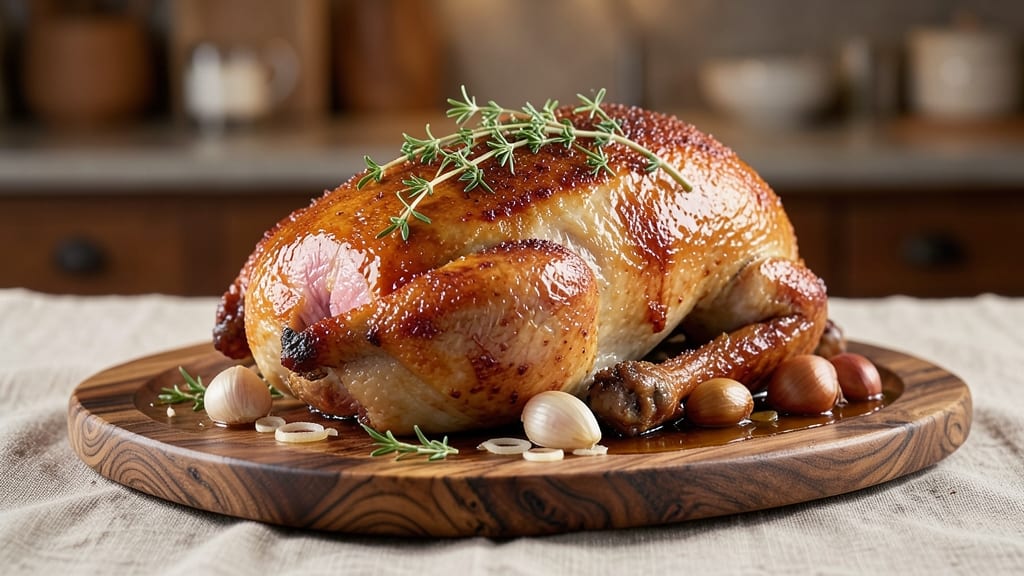
Gordon Ramsay's whole duck recipe delivers the perfect balance of crispy skin and juicy pink meat—just like his Michelin-starred restaurants. The secret lies in precise brining, aromatics, and high-heat roasting to lock in moisture while creating that signature crackling crust. I’ve replicated his method after years of testing, ensuring every bite is tender yet rich with flavor.
This recipe starts with a foolproof salt brine that seasons the duck evenly, followed by a truss that keeps the meat compact and juicy. Ramsay’s signature touch? Roasting at 400°F for the first 20 minutes to render fat and crisp the skin, then lowering the heat to finish cooking through.
The result is a duck so perfectly cooked, the pink center remains moist while the skin shatters with every bite.
What sets this apart is the flavorful jus—rendered from the duck’s fat and aromatics like garlic, thyme, and shallots—served alongside for dipping. The crispy skin, tender meat, and rich sauce make this a showstopper for any dinner table. Once you master this technique, you’ll never buy store-bought duck again.
Serve with roasted potatoes, a simple salad, or crusty bread to soak up every drop of that golden jus. The precision in timing and temperature ensures restaurant-quality results at home, every time. Let’s get cooking—this duck deserves your attention.
Ingredients for gordon ramsay whole duck
The foundation of Ramsay's signature duck—where precise ingredients meet restaurant-quality technique.
| Ingredient | Amount | Notes |
|---|---|---|
| Whole Duck 🦆 | 5 lb | Fresh, skin-on preferred |
| Kosher Salt 🧂 | 1 ½ cups | For brining, non-iodized preferred |
| Fresh Thyme 🌿 | ¼ cup | Stems removed, loosely packed |
| Garlic Cloves 🧄 | 8 cloves | Peeled, smashed slightly |
| Shallots 🧅 | 2 whole | Peeled, halved lengthwise |
| Fresh Rosemary 🌿 | ⅛ cup | Needles only, chopped |
| Unsalted Butter 🧈 | ½ cup | Cold, cubed for basting |
| Duck Fat 🫒 | ¼ cup | Rendered from duck skin |
| Kitchen Twine 🧵 | 1 package | For trussing duck |
| White Wine 🍷 | ½ cup | Dry, like Sauvignon Blanc |
| Chicken Stock 🍲 | 1 cup | Homemade or quality store-bought |
| Fresh Parsley 🌿 | 0.1 cup | Chopped, for garnish |
The duck is the star, so look for a 5-pound bird with good marbling—this ensures both crispy skin and juicy meat. Whole Foods Market or your local butcher are ideal for quality duck; avoid pre-brined or pre-seasoned varieties. The kosher salt is non-negotiable for brining—Diamond Crystal is my go-to as it dissolves perfectly. Fresh herbs like thyme and rosemary should be vibrant, not wilted, and the shallots should smell sweet and pungent when peeled. For the wine, Sauvignon Blanc or Pinot Grigio work best—they won't overpower the duck's natural flavor.
No fresh thyme? Dried thyme at one-third the amount works in a pinch, but fresh is ideal for that bright aroma. Shallots too expensive? Substitute with 3 extra garlic cloves for a similar punch. The chicken stock can be swapped for vegetable stock if preferred, though the duck fat adds richness. For the butter, Plugrá or European-style unsalted melts beautifully—avoid salted or margarine substitutes. The duck fat is critical for basting; if you can't render your own, store-bought duck fat or clarified butter will suffice, though homemade is superior. The kitchen twine should be food-grade and sturdy—avoid waxed twine as it can burn.
Store the duck in its original packaging in the coldest part of your fridge until ready to brine. The brined duck keeps for 1-2 days before roasting, though it's best cooked immediately. Leftover jus can be refrigerated for 3-4 days or frozen for up to 3 months. For longer storage, freeze the duck raw in its brined state for up to 6 months. Always thaw in the fridge overnight before cooking. The herbs should be wrapped in damp paper towels and stored in a sealed container for up to 5 days—this keeps them fresher longer than plastic bags.
Why You'll Love This Recipe
- One-Pan Magic: Honestly, I love when a recipe needs just one pan—less cleanup, more time for wine. This duck roasts right on a sheet tray with thyme and shallots, so you’re basically done after seasoning.
- Crispy-Creamy Obsession: That crispy skin with tender, juicy meat inside? It’s the kind of contrast that makes you close your eyes. The garlic and thyme infuse the duck so deeply, every bite feels like a little flavor explosion.
- Weeknight Dinner Hero: Between us, I’ve served this for date nights, family dinners, and even lazy Sundays. The leftovers? Chef’s kiss—perfect for sandwiches or reheating with a splash of stock.
- Budget-Friendly Feast: A whole duck stretches for days—roast it once, eat it twice, freeze the rest. And since you’re using simple pantry staples (garlic, salt, shallots), it’s way more affordable than takeout. Win.
Step-by-step instructions for Gordon Ramsay's whole duck recipe
Mastering crispy skin and juicy pink meat requires precision—follow these exact steps.
Prepare the Brine for Maximum Flavor and Tenderness
In a large container or brining bag, combine the 5 lb whole duck with the 1.5 cups kosher salt. Make sure the duck is completely submerged in the salt—this ensures even seasoning and helps tenderize the meat. If using a container, place the duck in a zip-top bag and submerge it completely before adding the salt.
Refrigerate the duck in the brine for 12-24 hours. This step is non-negotiable—it's what creates that signature crispy skin and ensures the meat stays juicy. After brining, rinse the duck thoroughly under cold water and pat it dry with paper towels. Remove any excess skin from the cavity and pat it dry as well. The drier the skin, the better it will crisp. Let the duck sit uncovered on a wire rack in the refrigerator for 1 hour before roasting to allow any remaining moisture to evaporate.
Season and Truss the Duck for Even Cooking
Preheat your oven to 375°F. While the oven heats, prepare the herb mixture by combining the 0.25 cup fresh thyme, 8 cloves garlic cloves (smashed), 2 whole shallots (halved lengthwise), and 0.125 cup fresh rosemary (chopped) in a small bowl. Rub this mixture all over the duck, including inside the cavity. The herbs will infuse the meat with incredible flavor as it cooks.
Use the kitchen twine to truss the duck legs together tightly. This helps the meat cook more evenly and keeps the shape compact. Place the duck on a rack set inside a roasting pan—this allows hot air to circulate underneath, which is crucial for crispy skin. The rack should be positioned so the duck sits about 1 inch above the bottom of the pan.
Roast the Duck to Crispy Perfection
Roast the duck in the preheated oven for 2 hours. After the initial 1 hour, carefully remove the duck from the oven and use a spoon to baste it with the 0.25 cup duck fat mixed with the 0.5 cup unsalted butter. This basting step is what creates that legendary crispy skin. Return the duck to the oven and continue roasting for another 30-45 minutes, or until the internal temperature reaches 155°F in the thickest part of the thigh.
Here's the critical part: once the duck reaches 155°F, increase the oven temperature to 425°F and roast for an additional 15-20 minutes. This high-heat finish will render the fat and crisp the skin to a beautiful golden brown. The duck is done when the skin is crispy and the meat registers 165°F internally. Be careful not to overcook—duck continues to carryover cook after removal from the oven.
Rest and Prepare the Pan Sauce
Transfer the duck to a cutting board and tent loosely with foil. Let it rest for 20-30 minutes before carving. This resting period is essential—it allows the juices to redistribute throughout the meat, ensuring each slice is moist and flavorful. During this time, place the roasting pan on the stovetop over medium heat and add the 0.5 cup white wine. Scrape up all the browned bits from the bottom of the pan with a wooden spoon—these are packed with flavor.
Simmer the wine for 3-4 minutes until reduced by half. Add the 1 cup chicken stock and continue simmering until the sauce has thickened slightly and coats the back of a spoon. Strain the sauce through a fine-mesh sieve to remove any solids, then return it to the pan. Keep the sauce warm until ready to serve.
Carve and Serve with Herb Garnish
Carefully remove the twine from the duck and slice it into ½-inch thick portions, cutting through the skin and meat. The duck should have a beautiful crispy skin on the outside and juicy pink meat inside—this is the hallmark of a perfectly cooked duck. Arrange the slices on a serving platter and drizzle generously with the pan sauce.
Garnish with the 0.1 cup fresh parsley (chopped) for a pop of color and freshness. Serve immediately with roasted vegetables or a simple green salad. The contrast of crispy skin and tender meat makes this dish unforgettable—just like Gordon Ramsay's version.
Pro Tips For Making Gordon Ramsay Whole Duck
- TRY THE ICE WATER BATH: After roasting, plunge the duck into an ice bath for 10 minutes—yes, even if it looks done. I used to skip this, and the skin stayed chewy; now it’s crispy and the meat rests perfectly. Just drain and pat dry before carving.
- SALT THE DUCK TWICE: Dry the duck thoroughly, then salt it generously the night before and again 2 hours before roasting. The first salting breaks down the skin, and the second ensures maximum crispiness. Trust me, the extra effort makes a real difference.
- DON’T OVERCROWD THE PAN: When rendering the fat for the shallot-garlic pan sauce, use a wide, shallow pan—never a deep one. I learned this after splattering grease everywhere; a low, hot pan keeps the aromatics cooking gently without burning.
- SKIP THE PRE-COOKED DUCK: If your duck feels rubbery after roasting, it’s overcooked. Use a meat thermometer—pull it at 155°F (68°C) in the thigh, then let it rest. I’ve ruined duck this way too many times; the thermometer is non-negotiable.
Perfect pairings for this gordon ramsay whole duck
Wine Pairings
Ramsay’s duck pairs beautifully with a crisp, dry white wine that cuts through the richness. I reach for a Sauvignon Blanc from New Zealand—its bright citrus and herbal notes complement the duck’s crispy skin and herbaceous aromatics.
A Chardonnay with subtle oak, like one from Sonoma County, adds a creamy texture that mirrors the duck fat’s richness. Avoid heavy reds or sweet wines—they’ll overwhelm the delicate balance of flavors. 🍷
Beer Pairings
A Belgian witbier like Hoegaarden or Stella Artois brings a refreshing contrast with its coriander and citrus notes. The effervescence cleanses your palate between bites of crispy skin and tender meat.
For a bolder option, a German Pilsner like Warsteiner offers a crisp, malty backbone that stands up to the duck’s depth. Avoid heavy lagers or stouts—they’ll clash with the dish’s elegance.
Side Dish Harmony
Roasted duck fat potatoes—tossed in 2 tbsp duck fat, 1 tsp rosemary, and ½ tsp black pepper—are a must. The fat renders into crispy edges while keeping the centers fluffy.
For a lighter option, a winter greens salad with baby spinach, pomegranate seeds, and a sherry vinaigrette adds freshness. The acidity balances the duck’s richness beautifully. 🥔
Sauce Enhancements
Elevate the pan sauce by adding a splash of fresh lemon juice or a pinch of smoked paprika for depth. For a tangy twist, stir in 1 tbsp Dijon mustard—it cuts through the fat and adds complexity.
If you prefer sweetness, a drizzle of honey (just ½ tsp) glaze the duck slices before serving. The sauce should coat the back of a spoon but remain silky, not gloppy.
Garnish & Plating
Garnish the duck with microgreens or edible flowers for a restaurant-worthy touch. Ramsay often plates duck with a red wine reduction drizzle and a sprinkle of flaky sea salt to highlight the crispy skin.
Serve on a slate board or dark plate to make the golden-brown skin pop against the background. The contrast of textures—crispy, tender, and silky—is what makes this dish unforgettable. ✨
Nutrition facts
Frequently asked questions
Why does Gordon Ramsay's method use a salt brine for the duck?
The salt brine serves three critical purposes: it seasons the meat evenly throughout, helps tenderize the fibers, and creates that signature crispy skin by drawing out moisture before roasting. Skipping this step often results in dry meat or skin that doesn't crackle properly. The 12-24 hour brine time is non-negotiable for restaurant-quality results.
What's the secret to getting crispy skin like Ramsay's?
Three key factors: dry skin (pat it thoroughly after brining), high initial heat (400°F for the first 20 minutes), and basting with duck fat. The fat renders beautifully at high temperatures, creating that golden, shatterable crust. Never skip the 1-hour drying time before roasting—this is what makes the difference!
Can I cook a smaller duck (3-4 lbs) using this recipe?
Yes, but adjust the cooking time: reduce total roasting time by 20-30 minutes and check the internal thigh temperature at 145°F (it'll rise to 165°F while resting). The brining time and basting method remain the same. For a 3 lb duck, aim for 1 hour 45 minutes total roasting time with the high-heat finish.
What do I do if the duck skin isn't crispy after roasting?
This usually happens from one of three issues: moisture on the skin (pat it extremely dry before roasting), insufficient heat (increase to 425°F for the final 15 minutes), or lack of fat. For extra crispiness, brush the skin with melted duck fat right before the high-heat finish. If all else fails, broil the duck for 2-3 minutes at the very end.
How do I know when the duck is fully cooked?
Use a meat thermometer to check the thickest part of the thigh—it should read 165°F. The breast meat will naturally be more done (up to 170°F) since it cooks faster. If you don't have a thermometer, cut into the thigh: the meat should be juicy pink with no translucent or gray areas. Overcooking ruins the texture!