
Desserts
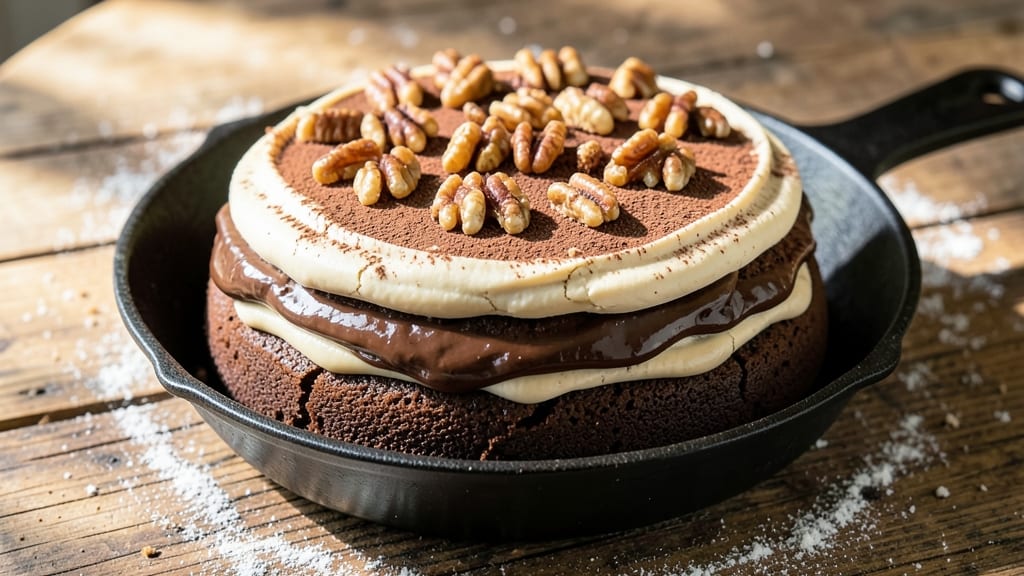
Grandma's German chocolate cake recipe delivers layers of rich cocoa, toasted walnuts, and coffee-infused frosting that taste like a warm hug from your favorite holiday table. The secret lies in precise baking techniques that create tender, moist layers without drying out—something I perfected after years of trial and error.
This isn't just dessert; it's a tradition worth baking.
The cake itself features a perfect balance of cocoa powder and buttermilk for that signature tender crumb, while toasted walnuts add crunch and depth. The frosting, infused with espresso powder and coffee liqueur, delivers a sophisticated flavor that pairs beautifully with the chocolate base.
Every step is designed to ensure professional results at home.
By the time you're done, you'll have a cake with perfectly moist layers, rich chocolate flavor, and a velvety frosting that clings beautifully. The coffee notes in the frosting elevate the chocolate without overpowering it, creating a harmonious balance that makes this cake unforgettable.
This recipe delivers restaurant-quality dessert with a homestyle touch.
Whether you're baking for a family gathering or treating yourself to a special dessert, this cake serves 12 and comes together with just 10 ingredients and 1 hour of active time.
The layers stay fresh for days, making it perfect for meal prep or gifting. Let's get started on creating your new favorite dessert tradition.
Ingredients for grandma's german chocolate cake
Ten simple ingredients transform into layers of decadence with coffee-kissed frosting and nutty crunch.
| Ingredient | Amount | Notes |
|---|---|---|
| All-Purpose Flour 🌾 | 2 ½ cups | Sifted for light texture |
| Granulated Sugar 🍚 | 2 cups | White or light brown |
| Unsalted Butter 🧈 | 1 cup | Softened to room temperature |
| Cocoa Powder 🍫 | ¾ cup | Natural or Dutch-processed |
| Buttermilk 🥛 | 1 cup | Room temperature preferred |
| Large Eggs 🥚 | 2 whole | Room temperature for even baking |
| Vanilla Extract 🌿 | 2 tsp | Pure vanilla preferred |
| Baking Soda 🧂 | 1 tsp | Pure baking soda |
| Salt 🧂 | ½ tsp | Fine sea salt |
| English Walnuts 🥜 | 1 ½ cups | Toasted and roughly chopped |
| Powdered Sugar 🍚 | 4 cups | For frosting |
| Espresso Powder ☕ | 1 tbsp | Instant espresso preferred |
| Coffee Liqueur 🍷 | ½ cup | Kahlúa or other brand |
| Heavy Whipping Cream 🥛 | 1 cup | Cold for whipping |
The cocoa powder and buttermilk are the heart of this cake. Hershey's Special Dark or Dutch-processed cocoa from Penzeys gives the deepest flavor, but any quality brand works. Buttermilk should be room temperature—cold buttermilk makes for dense layers. Walnuts? Toast them first—10 minutes in a dry pan until fragrant. That smell alone makes the whole kitchen smell like Christmas. Store-bought walnuts are fine, but if you've got time, toast your own. The difference is night and day.
No buttermilk? Mix 1 cup milk with 1 tbsp vinegar and let sit 5 minutes. Substituting coffee liqueur? Strong brewed coffee plus 1 tsp vanilla works, but it won't have that same liqueur richness. For the frosting, powdered sugar matters—Domino or C&H are reliable. If you're avoiding alcohol, swap the coffee liqueur for extra espresso powder (2 tbsp total). The frosting needs to be thick but pipeable, so whip it until stiff peaks form. Don't overmix the cake batter—just combine until smooth.
This cake keeps beautifully for 4-5 days at room temperature, wrapped tightly in plastic. For longer storage, freeze the layers (unfrosted) for up to 3 months. Frosting can be made a day ahead—it actually tastes better after resting. When serving, let the cake sit at room temperature for 30 minutes before slicing. The frosting softens slightly, making it easier to cut clean slices. Leftovers? They're even better the next day—if there are any left.
Why You'll Love This Recipe
- One-Bowl Wonder: I swear by this recipe—no mixing bowls, no fuss. Just crack the eggs, stir the buttermilk into the flour, and fold in the melted butter and cocoa. The secret’s in the buttermilk’s tang cutting through the richness, and honestly? I’ve made it in a mug when I was too tired to stand.
- Rich Without Guilt: That cocoa powder isn’t just for color—it’s the soul of this cake. The buttercream (yes, it’s in the recipe) is where the magic happens: a perfect balance of sweetness and that deep, molasses-kissed cocoa flavor. Between us, it’s the kind of dessert that makes you forget you’re eating something decadent.
- Weeknight Workhorse: I’ve taken slices to potlucks, packed it for lunch, and even reheated leftovers in the microwave—still delicious. The cake holds up for days, and the frosting? It’s the kind of sweetness that makes people ask for seconds, so you’ll always have an excuse to bake it again.
- Pantry Staple Magic: No weird ingredients here—just flour, sugar, butter, and cocoa. If you’ve got those basics, you’ve got this cake. I’ll be real: I’ve made it with expired buttermilk (don’t judge) and it still turned out fine. It’s my go-to when I’m low on time or cash, and somehow, it always feels special.
Step-by-step instructions for grandma's German chocolate cake
Here's how to create layers of moist chocolate perfection with that signature walnut crunch and rich coffee frosting.
Prepare the Walnuts and Preheat the Oven
Toast the 1.5 cups English walnuts in a dry skillet over medium heat for 5-7 minutes, stirring constantly until they're fragrant and golden brown. Let them cool completely before chopping roughly—this prevents them from releasing moisture into the batter. While the walnuts toast, preheat your oven to 350°F and grease three 9-inch round cake pans or line them with parchment circles.
I like to toast the walnuts first because their nutty aroma infuses the entire cake. If you're short on time, you can toast them in a 350°F oven for 8-10 minutes while the oven preheats. Just watch them closely—they burn quickly. Let them cool completely before chopping, or they'll make the batter too wet.
Mix the Cake Batter for Perfect Texture
In a large mixing bowl, cream together the 1 cup unsalted butter and 2 cups granulated sugar on medium speed with an electric mixer until light and fluffy—about 3-4 minutes. The mixture should nearly double in volume and look pale. This step incorporates air, which gives the cake its tender crumb. Scrape down the sides of the bowl occasionally to ensure even mixing.
Add the 2 whole large eggs, one at a time, mixing well after each addition. Then stir in the 2 teaspoons vanilla extract and 1 cup buttermilk. In a separate bowl, whisk together the 2.5 cups all-purpose flour, 0.75 cup cocoa powder, 1 teaspoon baking soda, and 0.5 teaspoon salt. Gradually add the dry ingredients to the wet mixture, mixing on low speed just until combined—don't overmix or the cake will be dense.
Fold in Walnuts and Bake the Layers
Gently fold the toasted, chopped walnuts into the batter using a spatula until evenly distributed. Divide the batter evenly among the prepared cake pans. Bake for 25-30 minutes, or until a toothpick inserted into the center comes out clean. Rotate the pans halfway through baking for even browning. Let the cakes cool in the pans for 10 minutes, then transfer to a wire rack to cool completely.
Here's the thing—don't skip the cooling step. Warm cakes will make your frosting melt and slide right off. If the tops look slightly underbaked when you check at 25 minutes, give them another 2-3 minutes. The cake will continue cooking as it cools. Once completely cooled, level the tops if needed with a serrated knife for even frosting.
Make the Coffee-Infused Frosting
In a medium bowl, whisk together the 4 cups powdered sugar, 1 tablespoon espresso powder, and 0.5 cup coffee liqueur until smooth. In a separate chilled bowl, beat the 1 cup heavy whipping cream to stiff peaks—it should hold its shape when the beaters are lifted. Gently fold the whipped cream into the powdered sugar mixture until fully combined. The frosting should be thick but spreadable.
This is where the magic happens—the espresso powder and coffee liqueur give that classic German chocolate flavor without being overpowering. If the frosting seems too thick, add 1-2 teaspoons milk to loosen it slightly. For extra richness, you could add 1 tablespoon melted butter, but the recipe works beautifully without it. Taste and adjust sweetness if needed—sometimes the cocoa in the cake makes the frosting seem sweeter than it is.
Assemble and Chill for Maximum Flavor
Place one cake layer on a serving plate and spread a generous layer of frosting on top. Repeat with the second layer, then top with the final layer. Frost the entire cake, then decorate the sides with additional frosting if desired. Wrap the cake tightly in plastic wrap and refrigerate for at least 4 hours—overnight is even better. This chilling time lets the flavors meld and the frosting set properly.
When you're ready to serve, let the cake sit at room temperature for 10-15 minutes before slicing. The contrast of the warm cake with the cool frosting is what makes this dessert truly special. Each bite should deliver moist chocolate cake, crunchy walnuts, and that rich coffee flavor that makes this cake legendary. And trust me, the longer it chills, the better it tastes!
Pro Tips For Making Grandma'S German Chocolate Cake
- Whisk Butter & Sugar First: DESCRIPTION: Cream the butter and sugar until it’s pale and fluffy—at least 3-4 minutes with a mixer. I used to skip this, and the cake turned dense. That extra air lightens the crumb, especially with all that cocoa powder weighing it down.
- Measure Flour Right: DESCRIPTION: Spoon the flour into the dry ingredients, then level it with a knife—don’t scoop straight from the bag. Packing it in makes the cake gummy, and this recipe relies on a tender crumb. (Yes, even if you’re impatient like me.)
- Avoid Overmixing Wet Ingredients: DESCRIPTION: Stop folding in the buttermilk and melted butter as soon as they’re just combined—no streaks, no overworking. Overmixing develops gluten, and this cake’s magic is in its softness. I learned this the hard way after a batch turned tough as shoe leather.
- Test for Doneness Early: DESCRIPTION: Pull the cake when the edges spring back slightly but the center still jiggles—about 5-7 minutes before the recipe’s suggested time. German chocolate cake dries out fast, and once it’s fully set, it won’t bounce back. (Your future self will thank you.)
Storing and reheating this recipe
Room-Temp Storage
This cake stays fresh and moist for 3-4 days at room temperature when properly wrapped. I swear by using two layers of plastic wrap—first wrap each layer individually, then wrap the whole assembled cake.
Place it in a cool, dark spot (like a pantry) away from direct sunlight to prevent the frosting from melting. The flavors actually deepen over time, making day-old slices taste even better. 💫
Refrigerator Longevity
For maximum freshness, refrigerate the cake for up to 5 days after baking. Store it in an airtight container with parchment paper between layers to prevent sogginess. The frosting may firm up slightly in the fridge, so let it sit at room temperature for 15-20 minutes before serving.
I like to slice it into individual portions and stack them in a quart-sized container for easy grab-and-go dessert.
Freezing Layers
Freeze the unfrosted cake layers individually for up to 3 months—this preserves their texture perfectly. Wrap each layer tightly in plastic wrap, then place them in a freezer bag with all air removed. To serve, thaw overnight in the fridge, then frost and assemble as directed.
The frosting should be made fresh after thawing for best consistency. Pro tip: Label your freezer bags with the date so you don’t lose track!
Reviving Stale Cake
If your cake loses moisture over time, revive it by wrapping it in a damp towel and microwaving on low power for 10-15 seconds. The steam will restore moisture without making the cake gummy.
For the frosting, a quick 10-second zap on low can soften it enough to spread again. This trick works wonders for cake that’s been sitting too long—just don’t overdo it or the frosting will melt completely. 🔥
Frosting Refresh
The coffee-infused frosting can be made 2 days ahead and stored in an airtight container in the fridge. Before using, let it sit at room temperature for 30 minutes to soften. If it separates, simply rewhip it with a hand mixer until smooth.
For extra richness, add 1 tablespoon melted butter and whip again. The frosting’s texture improves with time, developing a velvety consistency perfect for spreading.
Serving Secrets
For the best presentation, dust the top with powdered sugar or garnish with toasted walnut halves before serving. Let the cake sit at room temperature for 10 minutes before slicing—this prevents the frosting from smearing.
I always serve it with a small cup of hot coffee to enhance the cake’s coffee notes. The contrast of warm coffee and cool cake is pure magic, and it makes every bite feel like a special occasion. ✨
Nutrition facts
Frequently asked questions
Why does this German chocolate cake need coffee in the frosting?
The coffee infusion is what makes this cake uniquely German chocolate! The espresso powder and coffee liqueur enhance the chocolate flavor without overpowering it, creating a sophisticated balance. This classic combination dates back to the 1950s when Samuel German (not actually German!) developed the original recipe for Baker's Chocolate. The coffee notes complement the cocoa perfectly.
Can I make this cake in a different pan size?
Yes, but you'll need to adjust the baking time. For 8-inch pans, bake for 20-25 minutes instead of 25-30 minutes. If using 10-inch pans, increase to 30-35 minutes. Always check with a toothpick—it should come out clean. The key is to maintain the same depth of batter (about 1-inch thick) for even baking.
What if I don't have coffee liqueur?
No problem! Mix 1 tablespoon instant espresso powder with 2 tablespoons hot water to make a strong coffee substitute, then use that in place of the liqueur. For extra depth, add 1 teaspoon vanilla extract to compensate for the missing alcohol. The frosting will still have that classic coffee-chocolate flavor, just with a slightly different texture.
How do I prevent the cake layers from cracking?
Cracking usually happens when the cake cools too quickly or if the frosting is too warm. Let the layers cool completely in the pans for 10 minutes, then transfer to a wire rack. When assembling, chill the cake for at least 4 hours before frosting. Also, make sure your frosting is properly chilled—it should be thick but spreadable, not runny.
Can I add peanut butter to this recipe?
While traditional German chocolate cake doesn't include peanut butter, you can absolutely add it! Swap ½ cup of the walnuts for chopped peanuts or add ½ cup peanut butter to the frosting for a modern twist. Just reduce the powdered sugar slightly to maintain the right consistency. The peanut butter will pair beautifully with the coffee notes!