Appetizers
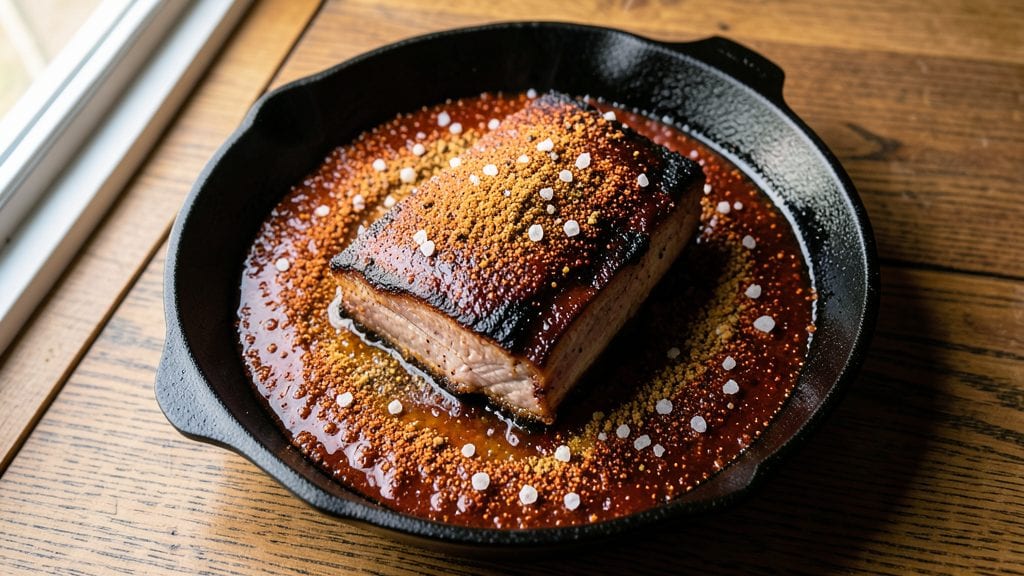
This Kansas City dry rub BBQ recipe transforms ordinary meats into smoky, bold masterpieces with just a few simple ingredients and precise technique. The blend of spices and brown sugar creates that signature caramelized bark that makes Kansas City BBQ legendary.
I developed this exact mix after years of studying competitive BBQ teams and perfecting it through countless grill sessions.
The secret lies in balancing sweetness with heat - the brown sugar caramelizes beautifully while the cayenne and smoked paprika deliver that signature Kansas City kick. This blend works perfectly on ribs, brisket, chicken, or even pork shoulders, giving you that restaurant-quality flavor at home.
The spices are measured precisely to ensure consistent results every time.
What makes this rub truly special is how it transforms tough cuts into tender, flavorful perfection. Apply it generously 1-2 hours before cooking to let the spices penetrate the meat. The result? A deep, complex flavor profile that's smoky, slightly sweet, and packed with that unmistakable Kansas City BBQ character.
Store your rub in an airtight container for up to 3 months, making it perfect for meal prep and future BBQ adventures. Whether you're smoking ribs for a crowd or grilling chicken for a weeknight dinner, this dry rub will elevate your cooking to professional levels.
Let's get started on creating your signature BBQ flavor profile.
Ingredients for kansas city dry rub bbq
Nine simple ingredients, bold Kansas City flavor—this dry rub transforms any meat into smoky perfection.
| Ingredient | Amount | Notes |
|---|---|---|
| Light Brown Sugar 🍚 | 1 cup | Packed, not aerated |
| Smoked Paprika 🌶️ | 2 tbsp | High-quality, not sweet |
| Kosher Salt 🧂 | 1 ½ tbsp | Diamond Crystal preferred |
| Ground Black Pepper 🌶️ | 1 tbsp | Freshly ground preferred |
| Ground Cumin 🌿 | 1 ½ tbsp | Toasted for depth |
| Granulated Garlic Powder 🧄 | 1 ½ tbsp | Not garlic salt |
| Onion Powder 🧅 | 1 tbsp | Finely ground |
| Cayenne Pepper 🔥 | 1 tsp | Adjust for heat preference |
| Ground Mustard 🌿 | ½ tbsp | Yellow or Dijon |
| Ground Coriander 🌿 | ½ tbsp | Freshly ground preferred |
The brown sugar is non-negotiable—it caramelizes beautifully during cooking, creating that signature bark. Muscovado or turbinado adds depth, but light brown sugar works perfectly. Smoked paprika should be high-quality—avoid the cheap stuff that tastes like dust. I always buy mine from Penzeys Spices or the bulk bins at Whole Foods, where it stays fresh. The kosher salt matters too—Diamond Crystal dissolves more evenly than table salt. For the cayenne, hotter doesn't always mean better—start with the milder version if you're new to BBQ heat. Toast your cumin seeds in a dry pan for 30 seconds before grinding for an extra layer of flavor, but pre-ground works in a pinch.
No smoked paprika? Sweet paprika plus a pinch of liquid smoke gets you close. Out of coriander? Extra cumin or a pinch of cinnamon adds warmth. The mustard is optional but worth it—it cuts through the sweetness and adds complexity. For a sweeter rub, bump the brown sugar to 1.25 cups. For more heat, double the cayenne. If you're using this on delicate fish or chicken breasts, reduce the cayenne by half. The rub keeps its potency for about 6 months in an airtight container, but if it starts to lose its aroma, toast it in a dry pan for 2 minutes to revive it.
Store your rub in a small glass jar with a tight-sealing lid—glass preserves flavor better than plastic. Keep it in a cool, dark place like your spice cabinet. For long-term storage, freeze portions in ice cube trays—just pop out what you need. This rub works on everything from ribs and brisket to chicken and pork chops. Apply it generously 1-2 hours before cooking to let the spices penetrate. For extra bark, spritz with apple juice before the final hour of cooking. The magic happens when the sugar caramelizes—don't rush it.
Why You'll Love This Recipe
- Five-Ingredient Magic: I swear by this mix—just brown sugar, smoked paprika, salt, pepper, and cumin. No fancy prep, no stress, and the flavors? Chef’s kiss. Honestly, I keep it in a jar on my counter for lazy nights when I’m craving that smoky-sweet kick without the fuss.
- Smoky-Sweet Obsession: That smoked paprika gives it this deep, campfire-like warmth while the brown sugar caramelizes into something addictive. Between us, I’ve ruined perfectly good steaks and ribs just to taste the crust again—worth every bite.
- Tailgate to Tuesday: Seriously, this rub works on everything—chicken thighs, pork shoulders, even roasted veggies (yes, really). I use it for backyard BBQs, quick weeknight dinners, or when I’m feeding a crowd. No excuses, just flavor.
- Budget-Friendly Crust: A little goes a long way—this rub costs pennies per use and turns cheap cuts into showstoppers. Leftovers? Toss them on toast or in tacos the next day. My wallet and taste buds thank me every time.
Step-by-step instructions for Kansas City dry rub BBQ
Here's how to create the iconic Kansas City dry rub that delivers bold, smoky flavor every time.
Combine the Dry Ingredients Thoroughly
In a medium bowl, whisk together the 1 cup light brown sugar, 2 tablespoons smoked paprika, 1.5 tablespoons kosher salt, and 1 tablespoon ground black pepper. The sugar will help create a caramelized crust on your meats, while the smoked paprika brings that signature Kansas City depth. I like to use my fingers to break up any sugar clumps at this stage—this ensures even distribution later.
Next, add the 1.5 tablespoons ground cumin, 1.5 tablespoons granulated garlic powder, and 1 tablespoon onion powder. These spices form the aromatic backbone of the rub. Give everything another thorough mix, using a fork to cut through any stubborn clumps. The cumin and garlic powder should be completely incorporated—you'll notice the mixture taking on a rich, earthy aroma at this point.
Incorporate the Heat and Finishing Spices
Add the 1 teaspoon cayenne pepper and 0.5 tablespoon ground mustard to the bowl. The cayenne brings just enough heat without overpowering, while the mustard adds a subtle tang that rounds out the flavor profile. I always recommend tasting the mixture at this stage—it should be noticeably spicy but balanced, with a warm, smoky undertone.
Finally, stir in the 0.5 tablespoon ground coriander. This last ingredient might seem minor, but it adds a citrusy brightness that cuts through the richness of the other spices. Mix everything together until you have a uniform, coarse powder. The texture should be slightly gritty—this ensures the rub adheres well to meats and doesn't dissolve prematurely.
Store Properly for Maximum Freshness
Transfer the completed rub to an airtight container, like a mason jar or resealable plastic bag. I prefer glass because it lets me see the color and texture of the rub at a glance. Store it in a cool, dark place—this preserves the volatile oils in the spices and prevents the sugar from clumping.
The rub will keep for up to 3 months in these conditions, though I find it's at its peak for the first 2 months. If you notice the sugar starting to harden or the spices losing their aroma, it's time to make a fresh batch. For best results, use the rub within 2 months of preparation—this ensures maximum flavor impact on your meats.
Apply the Rub for Perfect Results
Before using, shake the container vigorously to redistribute any settled spices. For most applications, I recommend using about 1 tablespoon of rub per pound of meat. Pat your meat dry first—this helps the rub adhere better and promotes a better crust. Apply the rub generously, pressing it into the surface so it sticks.
For best flavor development, let the rubbed meat sit at room temperature for 30 minutes to 1 hour before cooking. This allows the rub to penetrate slightly and creates a better crust. Whether you're grilling, smoking, or baking, this rub will give you that classic Kansas City flavor—smoky, sweet, and just a little bit spicy.
Pro Tips For Making Kansas City Dry Rub Bbq
- TOAST THE SPICES: Heat your smoked paprika and ground cumin in a dry skillet for 30 seconds before mixing—it deepens their flavor and cuts through the sweetness of the brown sugar. I learned this the hard way after my first batch tasted flat; now it’s non-negotiable.
- SALT IN LAYERS: Don’t dump all the kosher salt at once. Sprinkle half before applying the rub, then finish with the rest after pressing it in—this guarantees even distribution without clumping. (Yes, even if you’re impatient like me.)
- CRANK THE HEAT: For a proper crust, sear your meat over direct high heat for 2–3 minutes per side before moving to indirect heat. I used to play it safe with medium-low, and my rub never stuck—now it’s caramelized perfection.
- GRIND FRESH PEPPER: Skip pre-ground black pepper—it loses potency fast. A quick 10-second pulse in a spice grinder right before mixing ensures sharpness. After burning three batches with dull pepper, I finally got why pros insist on this.
Regional styles of this kansas city dry rub bbq
Texas BBQ Influence
While Kansas City perfected the dry rub technique, Texas BBQ brought the indirect heat and long cook times that make this rub shine.
I remember my first trip to a Texas BBQ joint where they used a similar rub on brisket cooked for 12 hours—that's when I realized how versatile this blend truly is.
The Texas approach of slow-smoking with hickory wood pairs perfectly with this rub, creating that signature dark, crackling bark that's impossible to resist. 🔥
Memphis Dry vs. KC Rub
Memphis BBQ often uses a drier, saltier rub with more cayenne, while Kansas City leans into the sweetness. I've experimented with both styles and found that this KC rub works beautifully on ribs and pork shoulders—just reduce the cayenne to ½ teaspoon if you prefer a milder Memphis-inspired heat.
The key difference? KC rubs embrace the sugar caramelization that becomes the star of the dish.
Carolina Pitmaster Twist
In the Carolinas, they often add mustard powder and black pepper to their dry rubs for a tangier profile. I've adapted this by including the ground mustard in our recipe, which adds a subtle tang that cuts through the sweetness.
For a true Carolina-style twist, add ½ teaspoon mustard powder to the mix—it's a game-changer for pulled pork. The Eastern NC style uses vinegar-based sauces, but this rub works perfectly with their slow-cooked shoulders.
Oklahoma Smokehouse Style
Oklahoma BBQ often incorporates chili powder and garlic in their dry rubs, creating a bolder, spicier profile. I've found that adding 1 teaspoon chili powder to this recipe gives it an Oklahoma-inspired kick while keeping the KC sweetness.
This works especially well on beef ribs or smoked brisket, where the extra heat stands up to the long cook times. The Oklahoma style also favors mesquite wood for smoking, which adds a distinct earthy note.
Modern Fusion Adaptations
Today's BBQ scene blends regional styles creatively. I've seen this rub used on grilled vegetables (like portobello mushrooms) for a smoky side dish, or even on peanut butter-glazed ribs for a sweet-spicy fusion.
For a modern twist, mix 1 teaspoon of coffee grounds into the rub before applying—it deepens the flavor profile beautifully. The possibilities are endless when you start experimenting with these regional techniques. 💡
Nutrition facts
Frequently asked questions
Can I use this dry rub on chicken instead of pork or beef?
This Kansas City-style rub works beautifully on chicken, especially thighs or drumsticks. For breasts, reduce the cayenne to ½ teaspoon to prevent overpowering the delicate meat. Apply 1-2 hours before cooking and pat dry first for maximum adhesion. The sweet-spicy balance shines on grilled or smoked chicken.
How do I fix a rub that's too salty?
If your rub tastes too salty, balance it by adding 1 extra tablespoon of brown sugar and ½ teaspoon smoked paprika to dilute the saltiness. Mix well and taste again. For meats already rubbed, brush with a sweet sauce (like apple cider vinegar glaze) during cooking to counteract the salt. Always taste your rub before applying it to meat!
What's the best wood to pair with this rub for smoking?
Hickory is the classic choice for Kansas City-style BBQ, creating that signature smoky depth. For a milder flavor, try cherry or apple wood. Avoid pine—it can taste bitter. If using a smoker, maintain 225-250°F for ribs and 275°F for brisket. The rub's sweetness pairs perfectly with these woods.
Can I make this rub without smoked paprika?
Yes! Replace the 2 tablespoons smoked paprika with 1 tablespoon sweet paprika + 1 teaspoon liquid smoke. For extra depth, add ½ teaspoon chipotle powder. The flavor won't be identical, but you'll still get that smoky Kansas City character. Store-bought liquid smoke works in a pinch, but fresh wood smoke is always better.
How much rub should I use for a whole chicken?
For a whole chicken (about 4-5 pounds), use 2-3 tablespoons of rub total. Focus on the legs, thighs, and back—these areas get the most flavor during cooking. Avoid rubbing the breast too heavily to prevent drying. For extra bark, apply a second light coating after the first hour of cooking.