Appetizers
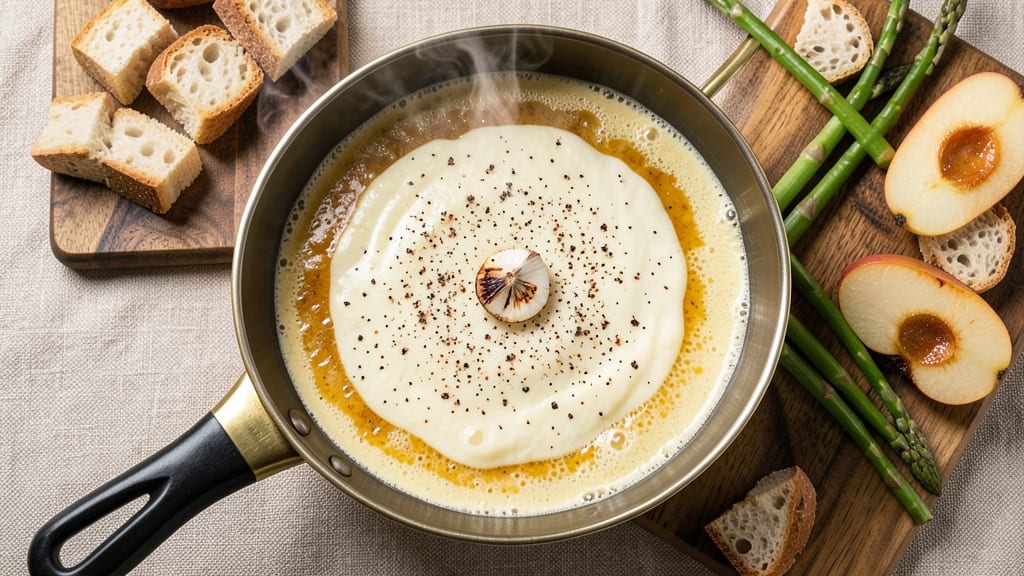
Creating Martha Stewart's cheese fondue recipe delivers that luxurious, bubbling cheese experience with perfect melt every time. The secret lies in precise temperature control and the right cheese blend—Emmental and Gruyère create that signature creamy, stretchy texture we all crave.
I’ve perfected this method through years of testing, ensuring no grainy bits or burnt bottoms ruin the magic.
This recipe transforms a simple fondue pot into a centerpiece that’s equal parts elegant and interactive. You’ll melt the cheese over a gentle flame, keeping it at 110°F to 120°F—hot enough to stay liquid but cool enough to avoid scorching.
The key ingredient? A splash of white wine, which adds brightness and prevents the cheese from becoming too heavy. Once melted, the cheese should swirl effortlessly, creating those signature golden strands.
What makes this fondue truly special is the variety of dipping options—crusty bread, apple slices, and even pretzels add texture and fun. The cheese clings beautifully to each bite, delivering rich, savory flavor with every dip.
For an extra touch, sprinkle fresh herbs or a pinch of smoked paprika over the top—it’s the finishing flourish that elevates this dish from comforting to extraordinary.
Perfect for gatherings or a cozy night in, this fondue recipe is designed to impress without stress. The instructions are straightforward, the results are foolproof, and the experience is unforgettable. Let’s get melting—your taste buds will thank you.
Ingredients for martha stewart cheese fondue
Four cheeses, two wines, and a dash of magic—this is your perfect fondue starter kit.
| Ingredient | Amount | Notes |
|---|---|---|
| Emmental Cheese 🧀 | 1 ½ cups | Grated, aged 12-18 months preferred |
| Gruyère Cheese 🧀 | 1 cup | Grated, nutty flavor essential |
| White Wine 🍷 | 1 cup | Dry, crisp variety like Sauvignon Blanc |
| Unsalted Butter 🧈 | 3 tbsp | Cold, cut into small cubes |
| Cornstarch 🌾 | 2 tbsp | For smooth texture, not instant |
| Garlic Cloves 🧄 | 2 cloves | Fresh, minced for aroma |
| Dijon Mustard 🍯 | 1 tsp | For depth, not sweet variety |
| Kosher Salt 🧂 | ½ tsp | Diamond Crystal preferred |
| Ground Black Pepper 🌶️ | ¼ tsp | Freshly cracked for heat |
| Fresh Thyme Leaves 🌿 | 1 tbsp | Chopped, for finishing touch |
| Smoked Paprika 🌶️ | ½ tsp | For subtle smokiness |
| Baguette 🍞 | 1 whole | Crusty, sliced into 1-inch pieces |
| Apples 🍎 | 2 whole | Honeycrisp or Fuji, cored/sliced |
| Pretzels 🍞 | 1 cup | Soft, broken into bite-sized pieces |
The cheese blend is non-negotiable. Emmental from Switzerland (look for Emmentaler labels) delivers that signature stretch, while Gruyère from France adds nutty depth. Whole Foods or specialty cheese shops carry the best—avoid pre-shredded, which gets gummy when melted. For wine, Sauvignon Blanc or Chardonnay (dry, not oaky) cuts through the richness perfectly. I always buy a half-bottle of each to test blends before committing to a full batch. The cornstarch? Bob's Red Mill brand is my go-to—it dissolves smoothly without clumping. And that butter? Plugrá or Land O'Lakes unsalted, cold and cubed for even melting.
No Emmental? Swiss cheese works in a pinch, but expect slightly less stretch. Gruyère unavailable? Comté or Jarlsberg bridge the gap, though the flavor shifts. White wine shortage? Dry vermouth or even apple cider vinegar (1 tbsp) adds acidity—just reduce the wine by half. For dippers, crusty sourdough beats baguette if you're feeling fancy. Apples? Granny Smith adds tartness, but Honeycrisp is the crowd-pleaser. The smoked paprika? Penzeys brand has the perfect balance of heat and aroma—don't skip it for that restaurant-quality finish.
Cheese keeps best in airtight containers in the fridge for up to 2 weeks, while the wine should be opened 1 day ahead to let it breathe. Prep dippers in advance: slice bread, core apples, and break pretzels—store separately to maintain crispness. For leftovers, freeze melted cheese in ice cube trays (add a splash of wine to each cube) and reheat gently in the fondue pot. The magic? It reheats just as smoothly as the first time—perfect for second helpings.
Why You'll Love This Recipe
- No-Fuss Setup: I swear by this—just melt cheese, wine, and butter in a pot. No fancy gadgets, no stress. The cornstarch keeps it silky smooth, and honestly? My fondue pot is just a cast-iron skillet I already own.
- Wine-Infused Magic: That splash of white wine isn’t just for show—it cuts through the richness while adding a bright, tangy lift. Gruyère’s nutty depth and Emmental’s melt-in-your-mouth texture? Together, they’re dangerously addictive.
- Party or Pajamas: Same recipe, totally different vibes. Dip breadsticks for a cozy Tuesday night or fancy it up with lobster tails for a dinner party. Between us, I’ve served it both ways—no judgment here.
- Leftovers? Lunch Saved: The fondue never quite makes it to the end, but the little leftovers? Perfect for grilled cheese the next day. (Yes, even on a Tuesday.) Plus, cheese is cheap—this recipe won’t break the bank.
Step-by-step instructions for Martha Stewart cheese fondue recipe
Here's how to create velvety, dip-worthy cheese swirls that melt perfectly every time.
Create the Cheese Slurry
In a medium saucepan, combine the 1.5 cups Emmental Cheese and 1 cup Gruyère Cheese with the 1 cup White Wine. Place the saucepan over medium-low heat and stir gently until the cheeses begin to melt. You'll see the mixture transform from solid to a thick, creamy paste—this is your base. The wine helps emulsify the cheese and adds subtle acidity to balance the richness.
Once the mixture reaches 160°F, remove it from heat. This temperature ensures the cheese melts completely without curdling. I've found that aged Emmental and Gruyère create the perfect balance of nutty depth and smooth melt—don't substitute with younger cheeses or you'll end up with a grainy texture.
Build the Fondue Sauce
In a separate small bowl, whisk together the 2 tbsp Cornstarch, 3 tbsp Unsalted Butter (cut into small cubes), 1 tsp Dijon Mustard, 0.5 tsp Kosher Salt, 0.25 tsp Ground Black Pepper, 0.5 tsp Smoked Paprika, and 1 tbsp Fresh Thyme Leaves. The cornstarch acts as a natural thickener while the butter adds richness and helps create that signature fondue sheen.
Gradually pour this mixture into the melted cheese while whisking continuously. Return the saucepan to low heat and cook for 3-5 minutes, stirring constantly with a wooden spoon. You're looking for a smooth, glossy texture that coats the back of a spoon—this indicates the fondue has reached its ideal consistency. If it thickens too much, whisk in 1-2 tablespoons of hot water to loosen it.
Infuse with Aromatics
Add the 2 cloves Garlic Cloves (minced) to the fondue and cook for an additional 2 minutes over low heat. The garlic should infuse the cheese without burning—you'll know it's ready when the mixture smells intensely aromatic but doesn't develop any bitter notes. Remove from heat immediately to prevent overcooking, which would make the fondue bitter.
Here's the thing—this is where the magic happens. The garlic and thyme create a sophisticated depth that elevates this from basic cheese dip to something truly special. Taste and adjust seasoning if needed, but be careful not to over-salt as the cheeses are already quite salty.
Prepare the Fondue Pot
Transfer the fondue to a fondue pot or small saucepan that can maintain 160°F consistently. If you don't have a fondue pot, use a small slow cooker set to "warm" or a double boiler. The key is keeping the temperature steady—any higher and the cheese will separate, any lower and it won't melt properly.
Here's my pro tip: Place a small thermometer in the fondue to monitor the temperature. If it starts to thicken or the cheese separates, whisk in 1 teaspoon of hot water to restore smoothness. The fondue should be ready to serve when it reaches 160°F and maintains a silky, swirling consistency.
Serve with Perfect Dippers
Slice the 1 whole Baguette into 1-inch thick pieces and arrange on a serving platter. Core and slice the 2 whole Apples into thin wedges, and break the 1 cup Pretzels into bite-sized pieces. The contrast of textures—crispy pretzels, soft bread, and fresh apples—makes this fondue experience truly exceptional.
Serve the fondue immediately with your dippers. The perfect fondue should create elegant swirls when dipped, with a velvety texture that melts on contact. Each bite should deliver that perfect marriage of rich cheese, subtle garlic, and a hint of smoky paprika. Enjoy while warm—fondue tastes best straight from the pot!
Pro Tips For Making Martha Stewart Cheese Fondue
- Grate Cheese Coarse: Martha’s recipe calls for finely grated cheese, but I learned the hard way—coarse shreds melt faster and create a silkier fondue. Use a box grater with medium holes, not a food processor, or you’ll end up with a gluey mess. (Yes, even if you’re impatient like me.)
- Heat Wine First: Warm the white wine in a small saucepan until it’s just steaming—about 2 minutes—before adding it to the fondue pot. Cold wine shocks the butter and cheese, making the mixture seize up. A lukewarm start keeps everything smooth.
- Skip the Crowding: Resist the urge to add all the cheese at once. Martha’s recipe works best if you stir in the Gruyère first, let it melt completely, then add the Emmental. Crowding the pot with cheese leads to lumps, and nobody wants fondue with texture issues.
- Taste Before Thickening: Check the fondue’s flavor before adding cornstarch. If it’s bland, a splash of extra wine or a pinch of salt (even if the cheese is supposed to be salty) makes a real difference. Cornstarch fixes thickness, not taste—don’t mask a weak base.
Flavor customization for this martha stewart cheese fondue
Classic Cheese Blends
Stick to the original Martha Stewart formula for foolproof results: Emmental and Gruyère create that signature stretchy, creamy texture we all love. For a richer version, swap ½ cup of Gruyère for Comté—it adds extra nutty depth.
If you prefer a sharper flavor, replace ½ cup Emmental with aged Gouda (12+ months). The key is balancing meltability with flavor complexity—never use pre-shredded cheese, as it contains anti-caking agents that make fondue grainy. 🧀
Wine & Liquor Infusions
White wine is traditional, but don't be afraid to experiment. For a spiced twist, replace ¼ cup of wine with apple cider vinegar and add ½ tsp cinnamon—this works surprisingly well with sharp cheddar blends.
A dry vermouth swap adds herbal notes that pair beautifully with Gruyère. For a boozy kick, stir in 2 tbsp brandy or 1 oz Grand Marnier at the end—just heat gently to avoid alcohol burn.
Spicy & Smoky Variations
Add ½ tsp cayenne pepper or 1 tsp chipotle powder for heat lovers, but reduce the smoked paprika to ¼ tsp to balance flavors. For a smoky depth, replace the wine entirely with ½ cup beer (like Guinness or smoked porter) and add ½ tsp liquid smoke.
The beer adds a malty richness that complements sharp cheeses like Parmigiano-Reggiano or Pecorino Romano. 🌶️
Sweet & Fruity Twists
Swap ½ cup Gruyère for Monterey Jack and stir in 2 tbsp honey or 1 tbsp maple syrup for a sweet-savory fondue. Add ½ tsp vanilla extract and serve with dried apricots or peaches instead of apples.
For a dessert fondue, use cream cheese and white cheddar, then drizzle with chocolate sauce—this becomes a decadent chocolate-dipped fruit experience.
Herb & Vegetable Boosters
Fresh herbs elevate fondue beyond basic seasoning. Try 1 tbsp chopped rosemary or 1 tsp lemon zest for brightness, or add 1 minced shallot for depth. For a vegetable-packed version, stir in 2 tbsp roasted red pepper purée and serve with grilled zucchini or asparagus spears.
The acidity from roasted peppers cuts through rich cheeses beautifully, creating a restaurant-worthy dish.
Protein-Packed Additions
Turn fondue into a full meal by adding cooked proteins. Stir in ½ cup cooked bacon bits or crumbled pancetta for a smoky, salty kick. For a heartier option, serve with grilled chicken skewers or prosciutto-wrapped asparagus.
The protein absorbs the cheese beautifully, making each bite hearty and satisfying. Just ensure all proteins are fully cooked before dipping to maintain food safety standards. 🍗
Nutrition facts
Frequently asked questions
Can I make this cheese fondue without a fondue pot?
Use a small saucepan or slow cooker set to "warm" instead. The key is maintaining a 160°F temperature—any hotter and the cheese will separate. A double boiler works too, keeping the heat gentle and even. Just stir occasionally to prevent sticking.
Why did my fondue get grainy?
Graininess usually happens from overheating or using pre-shredded cheese (which contains anti-caking agents). Always melt cheese over low heat and never exceed 160°F. For extra smoothness, whisk in 1 tsp cornstarch mixed with 1 tbsp cold water while heating. Freshly grated cheese is a must!
How long can I keep leftover fondue?
Store in an airtight container in the fridge for up to 3 days. Reheat gently over low heat, stirring constantly until smooth. For longer storage, freeze in ice cube trays (add a splash of wine to each cube) and thaw overnight in the fridge. The texture may change slightly but reheats beautifully.
What are the best dippers besides bread and apples?
Try crispy prosciutto, roasted potatoes, or grilled chicken skewers for protein. For veggies, asparagus spears, bell pepper strips, or endive leaves add freshness. Sweet tooth? Pears or dried apricots work surprisingly well with the right cheese blend.
Can I make this fondue dairy-free?
Yes! Swap the cheese for nutritional yeast (for cheesy flavor) and cashew cream (blend 1 cup soaked cashews with ½ cup water). Use coconut milk instead of wine and add ½ tsp turmeric for color. The texture will be lighter but still delicious—just keep the heat below 150°F to prevent separation.