Main Courses
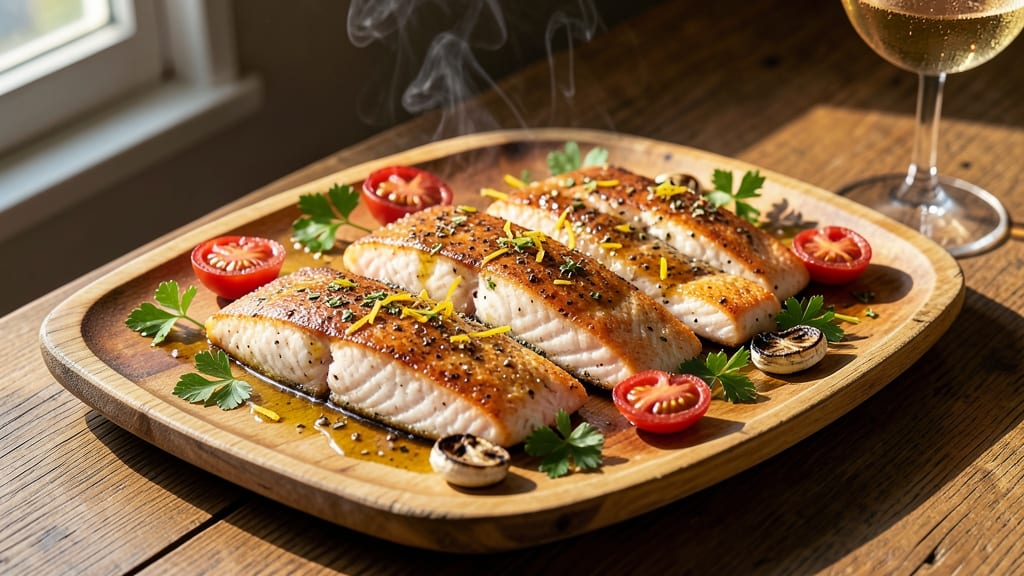
This Mediterranean salmon bake recipe transforms simple ingredients into a restaurant-worthy dish that highlights crispy, golden salmon with herbed lemon and olive oil magic. The secret lies in the aromatic blend of olive oil, fresh herbs, and bright citrus that infuses every bite while keeping the salmon tender and flaky.
After years of testing, this method consistently delivers perfectly seasoned salmon with a crisp top that holds up beautifully when served.
The recipe combines classic Mediterranean flavors—fresh lemon, fragrant oregano, and high-quality olive oil—with a foolproof baking technique that ensures even cooking. You’ll bake the salmon at a precise temperature for just the right amount of time, resulting in a dish that’s elegant yet effortless to prepare.
The accompanying roasted vegetables or couscous complement the salmon beautifully, creating a balanced meal that feels both comforting and sophisticated.
What you’ll end up with is a dish that’s rich in flavor and texture, with salmon that’s tender yet firm, topped with a crispy, golden crust from the olive oil and herbs.
The bright lemon and aromatic herbs cut through the richness, creating a harmonious balance that’s perfect for a weeknight dinner or a special occasion. This recipe delivers professional-quality results with minimal effort, making it ideal for both beginners and experienced cooks.
Serve this Mediterranean salmon bake with a side of roasted vegetables or a bed of fluffy couscous, and garnish with fresh parsley or olives for an extra touch of elegance.
The dish pairs beautifully with a crisp white wine or a refreshing lemon-infused water, completing the meal with a burst of freshness. Let’s bring this Mediterranean-inspired dish to your table with confidence and ease.
Ingredients for mediterranean salmon bake
Twelve ingredients, Mediterranean magic—where crispy salmon meets herbed lemon brilliance.
| Ingredient | Amount | Notes |
|---|---|---|
| Fresh Atlantic Salmon Fillets 🐟 | 4 pieces | Skin-on, even thickness, 6-8 oz each |
| Extra-Virgin Olive Oil 🫒 | ⅓ cup | Lightly fruity, cold-pressed preferred |
| Fresh Lemon Zest 🍋 | 1 tbsp | From 1 medium organic lemon |
| Fresh Lemon Juice 🍋 | ¼ cup | From 1 medium organic lemon |
| Dried Oregano 🌿 | 1 ½ tsp | Mediterranean blend preferred |
| Fresh Parsley Leaves 🌿 | ¼ cup | Chopped, Italian flat-leaf preferred |
| Garlic Cloves 🧄 | 3 cloves | Minced, fresh preferred |
| Diamond Crystal Kosher Salt 🧂 | 1 tsp | Fine grain, for seasoning |
| Freshly Ground Black Pepper 🌶️ | ½ tsp | Coarsely cracked |
| Unsalted Butter 🧈 | 2 tbsp | Cold, cubed, for crisp finish |
| Couscous 🍚 | 1 cup | Fine grain, for serving |
| Vegetable Oil 🫒 | 1 tbsp | For greasing baking dish |
The salmon is the star, so prioritize quality. Wild-caught Atlantic fillets with even thickness ensure consistent cooking. Look for bright pink flesh and minimal bruising at Whole Foods or your local seafood counter—they often have pre-portioned pieces for convenience. The olive oil should be lightly fruity and cold-pressed; California Olive Ranch or Colavita are excellent choices. Fresh herbs elevate the dish, so grab Italian flat-leaf parsley and Mediterranean oregano (not regular oregano) for authentic flavor. The lemon should be organic to avoid wax residue, and the zest should be vibrant yellow—not bitter or dull.
No extra-virgin olive oil? Light olive oil works in a pinch, though it lacks the fruity depth. Substitute dried parsley at half the amount, but fresh is ideal for that bright pop. The butter can be swapped for olive oil spread if avoiding dairy, though it won’t crisp as dramatically. For the couscous, quinoa or farro adds protein but alters texture. The garlic can be roasted ahead for a mellow sweetness—simply toss minced cloves with a drizzle of olive oil and bake at 400°F for 10 minutes. Prefer a tangier profile? Add 1 teaspoon of red wine vinegar to the lemon juice.
Store fresh herbs wrapped in damp paper towels in a sealed container for up to 5 days. The salmon should be used immediately or stored airtight on ice for 1 day. For make-ahead prep, marinate the salmon in the olive oil, lemon, and herbs for up to 4 hours in the fridge. The couscous keeps for 1 week in an airtight container, though it’s best used within 3 days for optimal texture. This dish reheats beautifully—cover with foil and warm at 350°F for 8-10 minutes to maintain moisture.
Why You'll Love This Recipe
- One-Pan Magic: I swear by this for nights when I’d rather not scrub a sink full of dishes. Just toss the salmon, lemon zest, and oregano on a sheet pan, drizzle with olive oil, and bake—no extra bowls, no fuss.
- Zesty Brightness: That lemon zest and juice cut through the richness of the salmon like a summer breeze. It’s not just flavor—it’s the kind of tang that makes you reach for seconds without even thinking.
- Weeknight or Dinner Party: Honestly, it works for both. Serve it with crusty bread for a lazy Tuesday or fancy it up with roasted veggies for guests. The same simple prep just feels different depending on the company.
- Budget-Friendly Luxury: Salmon feels special, but this recipe stretches it without sacrificing taste. Leftovers reheat beautifully, and the olive oil and herbs cost pennies compared to store-bought sauces. Fancy dinner, zero guilt.
Step-by-step instructions for Mediterranean salmon bake
Aromatic herbs, bright citrus, and a crisp golden top—this method delivers restaurant-quality salmon every time.
Prepare the Salmon and Herb Mixture
Preheat your oven to 400°F with the rack positioned in the lower-middle position. Pat the 4 pieces fresh atlantic salmon fillets dry with paper towels, removing any moisture from the skin. This ensures maximum crispness when baking.
In a small bowl, combine the 0.33 cup extra-virgin olive oil, 1 tbsp fresh lemon zest, 0.25 cup fresh lemon juice, 1.5 tsp dried oregano, 0.5 tsp freshly ground black pepper, and 1 tsp diamond crystal kosher salt. Whisk until fully emulsified—this creates a cohesive marinade that clings to the salmon. Place the salmon fillets skin-side down in a greased baking dish (use the 1 tbsp vegetable oil to coat the dish thoroughly).
Marinate and Top with Butter
Pour half of the herb mixture evenly over the salmon fillets, ensuring each piece is coated. Let them marinate for 10 minutes at room temperature while the oven finishes preheating. This brief marinating period allows the flavors to penetrate the salmon without overcooking it.
After marinating, remove the salmon from the dish and arrange the 2 tbsp unsalted butter cubes evenly on top of each fillet. The butter will melt and create that signature crispy, golden crust. Return the salmon to the baking dish and drizzle the remaining herb mixture evenly over the top.
Bake to Perfect Doneness
Bake the salmon for 12-15 minutes, depending on thickness, until the edges are golden brown and the internal temperature reaches 145°F when measured with an instant-read thermometer. The butter should be bubbling and forming a crispy top—this is your visual cue that the salmon is ready.
Real talk: Don't overbake. Salmon continues cooking slightly after removal from the oven, and overcooking leads to dryness. You'll know it's perfect when the flesh flakes easily with a fork but still holds together.
Prepare the Couscous Side
While the salmon bakes, bring 2 cups water to a boil in a separate pot. Add the 1 cup couscous and remove from heat, covering tightly with a lid. Let it steam for 5 minutes, then fluff with a fork and stir in the 0.25 cup fresh parsley leaves and 3 cloves minced garlic cloves. The parsley adds freshness that complements the rich salmon.
This couscous preparation is intentionally simple—it should be light and fluffy, not mushy. The garlic and parsley infuse quickly during the steaming process, so no need for additional cooking time.
Garnish and Serve Immediately
Transfer the salmon to serving plates and garnish with additional fresh parsley leaves and a final sprinkle of fresh lemon zest. Serve immediately alongside the prepared couscous. The contrast between the crispy salmon top and tender flesh, paired with the bright citrus and herbed couscous, creates a harmonious Mediterranean-inspired meal.
Each bite should deliver a perfect balance of flavors—salty, tangy, and aromatic—with the salmon's natural richness complemented by the bright acidity of the lemon and the earthy notes of the oregano. This dish shines as both a weeknight dinner and an elegant meal for guests.
Pro Tips For Making Mediterranean Salmon Bake
- Preheat Pan Properly: Slap that salmon fillet into a cold pan and it’ll steam instead of sear. Crank your oven to 400°F (200°C) for the bake, but let the pan sit for 5 minutes first—hot enough to sizzle when you add the oil. I learned this the hard way after ending up with sad, soggy salmon that tasted more like boiled fish than anything Mediterranean.
- Dry the Salmon First: Pat those fillets thoroughly with paper towels before seasoning—wet skin means uneven cooking and a dull crust. The lemon zest and olive oil will cling better, and you’ll get that golden, crispy edge everyone’s after. (Yes, even if you’re impatient like me.)
- Don’t Overmix the Oil: Stir the olive oil, lemon juice, and oregano together just until combined—no need to make it into a glaze. Lumps of zest and herbs stay behind when you spoon the mixture over the salmon, giving you pockets of flavor instead of a watery sauce. I skip blending it smooth, and the dish tastes richer for it.
- Bake Just Until Flaky: Pull the salmon out when the center hits 125°F (52°C)—it’ll keep cooking off the heat. Overbake it, and you’ll end up with dry, stringy fish that’s lost its buttery texture. A quick check with a fork (should slide in like butter) beats guessing. (Your future self will thank you.)
Storing and reheating this dish
Refrigerator Storage
Store leftover Mediterranean salmon bake in an airtight container for up to 3 days in the refrigerator. The crispy butter crust stays intact best when covered with a paper towel to absorb excess moisture. I always let it cool for 15-20 minutes before storing to prevent condensation buildup. 🌡️
Freezer Preparation
For longer storage, freeze the salmon in a single layer before transferring to a freezer bag with all air removed. Label with the date—it keeps for 2 months without significant texture loss. Thaw overnight in the fridge before reheating. The couscous freezes poorly, so prepare it fresh when serving.
Reheating for Best Texture
Warm salmon from the fridge by covering with foil and baking at 350°F for 8-10 minutes. This gentle method preserves the crispy top while gently reheating the center. For microwave reheating, use 50% power for 1-2 minutes covered with a damp paper towel to maintain moisture. 🔥
Couscous Refresh
Reheated couscous loses its fluffy texture, so I recommend making a fresh batch when serving leftovers. Simply steam 1 cup couscous in 2 cups boiling water for 5 minutes, then stir in fresh parsley and garlic. The bright flavors mask any reheating compromise beautifully.
Butter Crust Revival
To restore the crispy butter crust, broil the salmon for 1-2 minutes at the end of reheating. Place it on a baking sheet and watch closely—this step requires attention to prevent burning. A quick broil brings back that golden, buttery finish that makes the dish special.
Portioning Tips
Divide the salmon into individual portions before storing to make reheating easier. I use parchment-lined containers for single servings—they're microwave-safe and prevent sticking. Label each portion with the reheating method (oven/microwave) to streamline your weeknight dinners. ✨
Nutrition facts
Frequently asked questions
Can I use skinless salmon fillets for this recipe?
While skinless fillets will work, the skin helps create that signature crispy top when baked. If using skinless, press a thin slice of butter or olive oil on top before baking to mimic the texture. The flavor will still be excellent—just slightly less dramatic in presentation.
How do I adjust this recipe for a larger group?
Double the ingredients for 8 servings, but increase baking time by 2-3 minutes to ensure even cooking. Use two baking sheets if needed, and adjust the couscous proportion to 2 cups (steamed in 4 cups water). The key is maintaining the same thickness of salmon fillets for consistent doneness.
What if I don't have fresh parsley or oregano?
Use 1 tsp dried parsley (half the fresh amount) or substitute with 1 tsp dried thyme for oregano. For parsley, cilantro or basil work in a pinch, though they alter the flavor profile slightly. The dish will still taste delicious—just less authentically Mediterranean.
Can I bake the salmon at a lower temperature for a slower cook?
Yes, reduce the oven temperature to 375°F and bake for 18-20 minutes. This gentle approach prevents overcooking while still developing the crispy butter crust. The salmon will be slightly more tender, but the flavors will meld more deeply. Perfect for those who prefer a more delicate texture.
What's the best way to store leftovers without drying out the salmon?
Store in an airtight container with a paper towel pressed on top to absorb moisture. Reheat gently at 350°F for 8-10 minutes covered with foil, then broil for 1-2 minutes to restore the crispy crust. Avoid microwaving—it ruins the texture. The couscous should be made fresh when reheating.