
Main Courses
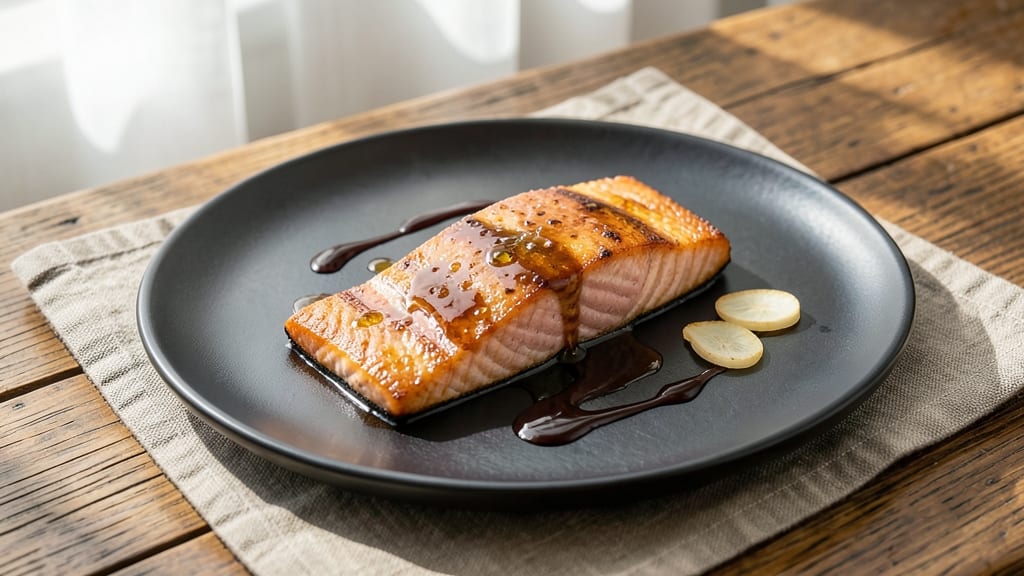
This miso paste salmon recipe delivers restaurant-quality results with a crispy, umami-rich crust and perfectly tender centers—no fancy techniques required. The miso marinade transforms simple salmon into a dish that’s bold, savory, and packed with depth, making it a standout for weeknight dinners or special occasions.
I’ve perfected this method over years of testing, ensuring every bite is balanced between sweet, salty, and smoky notes.
The beauty of this recipe lies in its simplicity: just five key ingredients—salmon, miso paste, honey, soy sauce, and a touch of garlic—come together to create a flavor profile that rivals expensive restaurant plates.
The marinade not only infuses the fish with umami but also forms a glossy, caramelized crust when cooked, while keeping the inside silky and moist. It’s a technique I’ve refined to work equally well on the grill, in the oven, or in a skillet.
What you’ll end up with is salmon that’s visually stunning—golden and glistening—and irresistibly flavorful, with a crust that shatters at the first bite. The miso’s natural sweetness pairs beautifully with the fish’s richness, creating a harmony that’s both comforting and sophisticated.
This dish is versatile enough for a light lunch or an elegant dinner, and it pairs perfectly with steamed vegetables or a simple rice pilaf.
Ready in under 30 minutes, this recipe is designed for home cooks who want restaurant-quality results without the fuss. The miso paste does most of the work, while the cooking method ensures foolproof success. Let’s get started—your taste buds will thank you.
Ingredients for miso paste salmon
Five essential ingredients transform simple salmon into restaurant-quality umami perfection.
| Ingredient | Amount | Notes |
|---|---|---|
| Center-Cut Salmon Fillets 🐟 | 4 pieces | Skin-on, 6-8 oz each, even thickness |
| White Miso Paste 🧈 | ¼ cup | High-quality, non-fermented preferred |
| Raw Honey 🍯 | ¼ cup | Wildflower or clover variety |
| Light Soy Sauce 🥢 | ¼ cup | Kikkoman or similar preferred |
| Garlic Cloves 🧄 | 4 cloves | Fresh, peeled, minced |
| Extra-Virgin Olive Oil 🫒 | 1 tbsp | For crust formation |
| Toasted Sesame Oil 🫒 | 1 tsp | For finishing aroma |
| Diamond Crystal Kosher Salt 🧂 | 1 ½ tsp | For seasoning crust |
| Fresh Ginger 🌿 | 1 tsp | Finely grated, fresh preferred |
| Avocado Oil 🫒 | 1 tbsp | High smoke point for cooking |
| Lemon Zest 🍋 | 1 tsp | Brightens final flavor |
| Black Sesame Seeds 🥜 | 1 tsp | For garnish, optional |
| Fresh Cilantro 🌿 | ¼ cup | Chopped, for garnish |
The quality of your miso paste is non-negotiable here—Miso Master or Hokkaido brands deliver the deepest umami. Look for white miso (shiro miso) in the refrigerated section of well-stocked markets like Whole Foods or Trader Joe's—the texture should be smooth and slightly sticky, not grainy. For the salmon, center-cut fillets with skin-on ensure even cooking and that coveted crispy crust. I always source mine from local fishmongers or the seafood counter at Costco when available, as their cuts are consistently even and high-quality. The skin acts as a natural barrier, preventing the fish from curling during cooking—don't remove it unless you're experienced with salmon preparation.
No white miso? Red miso at half the amount adds depth but intensifies color—reduce soy sauce by 1 tbsp to balance. Running short on honey? Maple syrup works identically, though it lacks the floral notes. The garlic can be roasted for a sweeter profile—toss whole cloves with olive oil, roast at 400°F for 10 minutes, then mash. For a vegetarian adaptation, swap salmon for firm tofu pressed for 30 minutes—the marinade works beautifully. The sesame oil is purely aromatic here; if you're sensitive to its flavor, neutral oil like avocado oil for finishing will suffice. Always toast your sesame seeds separately to preserve their nutty aroma—just 30 seconds in a dry pan does the trick.
Marinated salmon keeps 24 hours in the fridge, though flavor peaks at 4-6 hours. The miso marinade is acidic enough to be safe for up to 12 hours if stored properly in an airtight container. For make-ahead convenience, prep the marinade 2 days ahead—it actually improves with time as flavors meld. Cooked salmon reheats best in a skillet over medium-low heat for 2-3 minutes per side—never microwave, as it turns rubbery. Portion leftovers into single servings for easy reheating. The crust loses crispness when reheated, so enjoy it fresh or store without the garnishes, adding them just before serving.
Why You'll Love This Recipe
- Five-Ingredient Magic: I swear, this recipe is one of those rare dishes where the fewer ingredients, the better. Just miso, honey, soy, garlic, and salmon—no overcomplicated sauces or last-minute trips to the store. The miso brings that deep, savory punch while the honey keeps it from being too heavy, and honestly? That garlic-salmon combo is a match made in flavor heaven.
- Glazed Perfection: Between us, the moment that crispy, caramelized edge meets the tender salmon? Chef’s kiss. The miso and honey create this sticky, slightly sweet glaze that clings to every bite, and the soy sauce ties it all together with just enough saltiness. It’s the kind of dish where the first bite makes you go, “Wait, I made this?”
- Weeknight to Dinner Party: This recipe works whether I’m throwing together dinner in 20 minutes or impressing guests. For weeknights, I serve it with rice and steamed greens—zero fuss. For company, I add a sprinkle of sesame seeds and a side of roasted asparagus, and suddenly, it’s fancy. The best part? The leftovers reheat like a dream, so I can make a big batch and not stress.
- Budget-Friendly Luxury: Salmon can feel indulgent, but this recipe stretches it. A single fillet feels special, but you can also cut it into strips for a quick stir-fry or even use it in grain bowls later in the week. The miso and honey are pantry staples that add richness without breaking the bank. I’ll be real: it’s my go-to for making fish feel like a treat without the restaurant price tag.
Step-by-step instructions for miso paste salmon with umami crust
This method delivers perfectly balanced texture—crispy crust, silky interior—every time.
Create the Miso Glaze and Prepare the Salmon
In a small saucepan, combine the 0.25 cup white miso paste, 0.25 cup raw honey, 0.25 cup light soy sauce, and 1 tbsp extra-virgin olive oil. Place over medium-low heat and whisk continuously for 3-4 minutes until the mixture reaches a smooth, glossy consistency—it should coat the back of a spoon without being overly runny. The aroma will deepen as it warms, signaling the umami compounds are activating.
While the glaze simmers, place the 4 center-cut salmon fillets on a wire rack set over a baking sheet. Pat each fillet dry with paper towels, then season both sides generously with the 1.5 tsp diamond crystal kosher salt. Let them rest at room temperature for 15 minutes—this ensures even cooking and prevents curling during the sear. The skin should remain dry to maximize crispiness.
Build the Crust with Avocado Oil and Garlic
Heat a large skillet over medium-high heat until it's just smoking. Add the 1 tbsp avocado oil and swirl to coat the entire surface. Immediately add the 4 minced garlic cloves and 1 tsp finely grated fresh ginger, stirring for 30 seconds until fragrant but not browned—this prevents bitterness while infusing the oil with aromatic depth.
Working quickly, place the salmon fillets skin-side down in the skillet. Press down gently with a fish spatula for 10 seconds to ensure full contact with the hot surface. This creates an immediate crust while rendering the skin crisp. Cook undisturbed for 3-4 minutes until the skin turns a deep golden brown and releases easily from the pan. Flip carefully and cook the other side for 2-3 minutes until opaque throughout.
Glaze and Finish with Sesame and Citrus
Remove the salmon from the skillet and reduce heat to low. Pour the prepared miso glaze into the pan, immediately scraping up any browned bits with a wooden spoon. Let it simmer for 1-2 minutes until slightly thickened—it should coat the back of a spoon but remain pourable. The glaze should reduce just enough to cling to the salmon without pooling.
Return the salmon to the skillet, spooning the glaze evenly over each fillet. Drizzle with 1 tsp toasted sesame oil and sprinkle with 1 tsp lemon zest. The citrus brightens the deep umami flavors while the sesame oil adds a nutty aroma. Let the salmon rest in the skillet for 1 minute to allow the glaze to set and the flavors to meld.
Garnish and Serve Immediately
Transfer the salmon to a serving platter and immediately sprinkle with 1 tsp black sesame seeds and 0.25 cup chopped fresh cilantro. The seeds add texture contrast while the cilantro provides a fresh finish. Serve while the crust remains crisp and the interior stays silky—this dish doesn't wait. Pair with steamed jasmine rice or a simple cucumber salad to balance the richness.
The perfect fillet should have a crackly crust that gives way to tender, moist flesh. Each bite should deliver layers of sweetness from the honey, savory depth from the miso, and a bright finish from the citrus. The glaze should cling without overwhelming the natural salmon flavor—this is the hallmark of a well-balanced preparation.
Pro Tips For Making Miso Paste Salmon
- Bloom the Miso First: Stir the white miso paste into the warm soy sauce (not boiling) for 2-3 minutes—this softens the salt crystals and makes the sauce silky. I used to just toss it in cold, and the texture always felt gritty, no matter how much I stirred later.
- Pat Dry, Then Rest: After patting the salmon fillets bone-dry with paper towels, let them sit uncovered on a wire rack for 10 minutes. The miso glaze sticks better to dry skin, and the honey won’t pool like it does when you slap it on wet fish.
- Skip the Raw Garlic Mash: Minced garlic burns faster than you’d think in miso’s high heat. Instead, finely chop it and let it sit in the miso-soy mix for 10 minutes before adding the salmon—it mellows the sharpness and keeps the flavor even.
- Use a Mixing Bowl, Not the Pan: Whisk the miso, honey, and soy sauce in a small bowl first, then brush it on. Trying to stir this in the pan while the salmon cooks leads to clumps and uneven coating—trust me, I’ve made that mess twice.
Dietary considerations for miso paste salmon
Gluten-Free Adaptation
This recipe is naturally gluten-free as written, thanks to the miso paste and soy sauce being the only potential concerns. Always check labels—opt for certified gluten-free tamari instead of regular soy sauce if you're highly sensitive.
I recommend San-J brand tamari, which is soy-based but gluten-free and delivers the same umami depth. The miso itself is typically gluten-free, but red miso (fermented with barley) contains gluten, so stick with white miso for this adaptation. 🌱
Low-Sodium Options
If you're watching your sodium intake, reduce the soy sauce to 2 tablespoons and replace the remaining 1 tablespoon with low-sodium coconut aminos—it mimics soy's flavor without the salt overload.
For the miso, choose a low-sodium variety like Miso Master Low-Sodium White Miso, which cuts the sodium by nearly half while keeping the umami intact. The honey and citrus will still provide enough brightness to balance the reduced saltiness.
Vegetarian Swap
For a vegetarian version, replace the salmon with extra-firm tofu pressed for 30 minutes to remove excess moisture. Cut into ½-inch thick slices and marinate in the same miso glaze for 20-30 minutes before cooking.
Pan-sear the tofu in avocado oil until golden on both sides, then finish with the glaze and garnishes. The texture will be slightly different—more substantial than salmon—but the umami profile remains rich and satisfying. 🥜
Allergen Awareness
This recipe contains sesame (in the oil and seeds) and soy (soy sauce and miso), two of the top allergens. For sesame-free versions, omit the toasted sesame oil and seeds, and use neutral oil like avocado oil for finishing.
For soy-free adaptations, substitute the soy sauce with coconut aminos and ensure your miso is 100% soybean-based (some brands include wheat). Always double-check labels, as cross-contamination is common in shared facilities.
Keto-Friendly Adjustments
This recipe is already keto-friendly with its focus on healthy fats and low-carb ingredients. The honey can be swapped for sugar-free maple syrup or monk fruit sweetener to keep it strict low-carb. Ensure your miso is fermented without added sugars—most white miso brands are safe, but always verify.
The avocado oil and sesame oil add healthy fats, making this dish perfectly aligned with ketogenic principles while delivering bold umami flavors. 💪
Quick Prep for Busy Nights
For faster assembly, prep the miso glaze 1 day ahead and store it in an airtight container in the fridge. The salmon can be marinated for up to 6 hours (no longer, as the acidity can break down the fish).
Use pre-cut salmon fillets from the seafood counter to save 10 minutes of prep time. For even faster cooking, use a non-stick skillet like Cuisinart MultiClad—it reduces sticking and ensures a crispy crust with minimal effort. 🏃♂️
Nutrition facts
Frequently asked questions
Can I use red miso instead of white miso for this salmon?
Red miso will work, but use only half the amount (about 2 tablespoons) since it's more concentrated. Red miso has a deeper, earthier flavor and may darken the crust slightly. For balance, reduce the soy sauce by 1 tablespoon to prevent overpowering the dish. The umami impact will be stronger, so adjust to taste.
How do I prevent the salmon from sticking to the pan?
Pat the salmon fillets very dry with paper towels before cooking—moisture causes sticking. Use a high-smoke-point oil like avocado oil and heat the pan until it's smoking hot before adding the fish. A non-stick skillet also helps, but pressing the fish down for 10 seconds at the start ensures maximum contact for that crispy crust.
What’s the best way to reheat leftover miso salmon?
Reheat gently in a skillet over medium-low heat for 2-3 minutes per side—never microwave, as it makes the crust soggy. Add a splash of water or broth to the pan to keep it moist. The crust won’t be as crispy, but the flavors remain rich. Store leftovers in an airtight container for up to 2 days.
Can I grill this miso salmon instead of pan-searing?
Brush the grill grates with oil and preheat to medium-high heat. Place the salmon skin-side down and cook for 4-5 minutes until the skin crisps. Flip and baste with the miso glaze for 2-3 minutes until fully cooked. For extra flavor, add 1 tsp grated ginger to the glaze before grilling. The smoky notes complement the umami beautifully!
Why did my salmon turn out too salty?
This usually happens if the miso glaze wasn’t balanced properly. The honey and citrus in the recipe naturally offset saltiness—if your glaze was too concentrated, thin it with 1 tsp water and adjust seasoning. For future batches, taste the glaze before applying it to the salmon. If you’re using low-sodium miso, add ½ tsp extra honey to enhance sweetness and balance flavors.