
Beverages
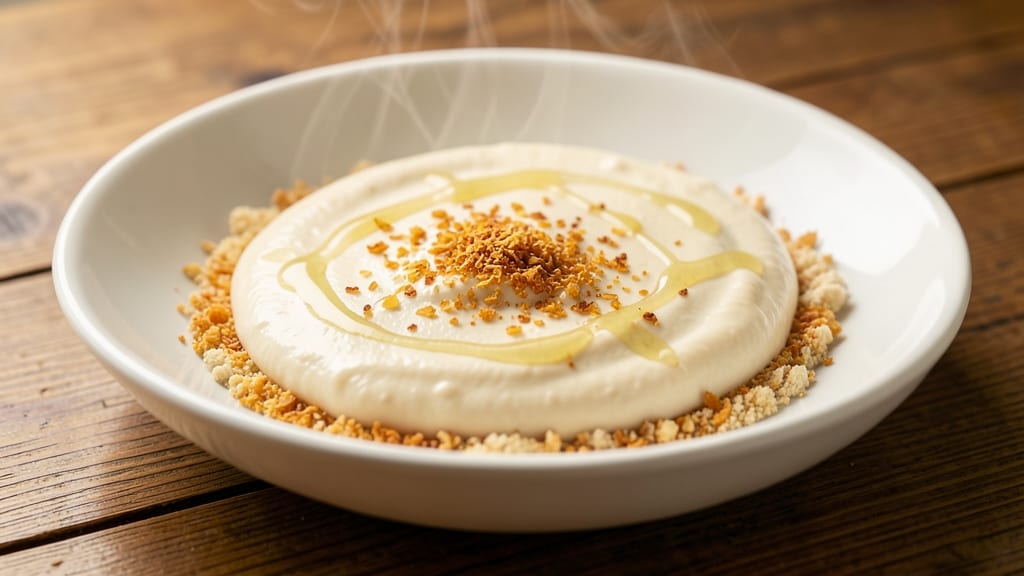
Creating a no-milk white gravy that's rich, velvety, and completely dairy-free is easier than you think—this roux-based recipe delivers restaurant-quality smoothness without a single drop of milk. The secret lies in plant-based butter and a proper flour slurry technique that creates that signature creamy texture without separation.
I developed this version after years of testing, and it works perfectly for everything from mashed potatoes to roasted vegetables.
What sets this recipe apart is the foolproof roux method, which forms the foundation of any great white gravy. We'll use plant-based butter and all-purpose flour to create a golden base, then gradually whisk in vegetable broth until we achieve that perfect velvety consistency.
The optional cornstarch adjustment gives you control over thickness, ensuring your gravy stays smooth whether you're serving it immediately or reheating leftovers.
By the end, you'll have a silky white gravy that's rich enough to feel indulgent yet light enough to complement any dish. The flavor is pure, with no dairy aftertaste, and the texture remains velvety even after sitting for hours.
This is the kind of sauce that elevates simple meals into something special—without requiring any dairy products.
Use it to drizzle over mashed potatoes, roasted vegetables, or even as a creamy sauce for tofu. The possibilities are endless, and the technique is simple enough for weeknight cooking. Let's get started with this dairy-free masterpiece!
Ingredients for no milk white gravy
Eight ingredients transform into velvety white gravy—no dairy needed.
| Ingredient | Amount | Notes |
|---|---|---|
| Plant-Based Butter 🧈 | ½ cup | Unsalted, dairy-free variety |
| All-Purpose Flour 🌾 | ½ cup | White, bleached preferred |
| Vegetable Broth 💧 | 3 cups | Low-sodium for flavor control |
| Cornstarch 🌾 | 1 tbsp | Optional for extra thickness |
| White Wine Vinegar 🍋 | 1 tbsp | Brightens flavor naturally |
| Nutritional Yeast 🍞 | 1 tbsp | Adds cheesy depth (optional) |
| Diamond Crystal Kosher Salt 🧂 | ½ tsp | Fine grain for even dissolving |
| Freshly Ground Black Pepper 🌶️ | ¼ tsp | Freshly cracked for aroma |
| Lemon Juice 🍋 | ½ tsp | Freshly squeezed for acidity |
The plant-based butter is your secret weapon here. Miyoko's or Earth Balance brands melt beautifully and create that rich, golden roux foundation. The flour matters too—White Lily or Gold Medal work best for that smooth texture. For the broth, Imagine or Pacific Foods low-sodium versions keep flavor in check while adding depth. Nutritional yeast adds that umami kick without dairy—Bragg or Bob's Red Mill are my go-tos. The vinegar and lemon juice might seem small, but they're what prevent that flat, bland flavor you sometimes get in dairy-free sauces.
No white wine vinegar? Apple cider vinegar works 1:1, though it'll have a slightly different tang. Skip the nutritional yeast? Extra white miso paste at half the amount gives similar depth. For a thicker gravy, add cornstarch slurry (1 tbsp cornstarch + 1 tbsp cold water) instead of dry cornstarch. The flour-to-butter ratio is crucial—equal parts by weight (not volume) gives the best texture. If your roux gets too dark, you've cooked it too long—keep it pale golden for that silky finish.
This gravy reheats beautifully—just whisk in a splash of broth if it thickens. Keeps 5-6 days in the fridge, 3 months frozen. For best results, store in a sealed jar with a thin layer of oil on top to prevent skin formation. Double the recipe and freeze half—perfect for lazy weeknights when you need gravy in a flash. The flavor actually improves after resting, so make it ahead if you can.
Why You'll Love This Recipe
- No-Fuss Magic: I swear by this recipe because it’s the kind of gravy that forgives mistakes. You don’t need exact measurements—just melt the plant-based butter, whisk in the flour, and let the broth do the work. Even if you rush, that white wine vinegar keeps it bright and smooth.
- Rich Without Dairy: Honestly, the secret’s in the cornstarch. It thickens like a dream while keeping it creamy, and the vinegar adds this subtle tang that makes it taste way more complex than basic white sauce. My vegan friends won’t believe it’s dairy-free.
- Weeknight Superstar: This is my go-to for mashed potatoes, roasted veggies, or even mac and cheese. It’s the kind of gravy that turns a simple dinner into something special—no fancy plating required. (Yes, even on a Tuesday night.)
- Budget-Friendly Leftovers: A little goes a long way, and the ingredients? Cheap. I make a double batch, store it in the fridge, and reheat it for days. It’s the kind of recipe that saves money and time—because who has room for takeout when this exists?
Step-by-step instructions for no-milk white gravy
Here's how to create a lusciously smooth, dairy-free white gravy that rivals traditional versions.
Develop the Roux for Maximum Flavor
In a medium saucepan, melt the 0.5 cup plant-based butter over medium-low heat. Once fully melted and foaming subsides, gradually whisk in the 0.5 cup all-purpose flour to create a smooth paste. This is your roux—the foundation of your gravy.
Cook the roux for 3-4 minutes, stirring constantly with a wooden spoon, until it turns a pale golden color. You'll notice it thickens noticeably and emits a nutty aroma. This slow cooking process removes the raw flour taste while building depth of flavor. If it browns too quickly, reduce the heat slightly—you want a light roux, not a dark one, for that classic white gravy appearance.
Deglaze and Build the Sauce Base
Remove the saucepan from heat and let it cool for 1 minute. Then, slowly pour in 1 tablespoon white wine vinegar while whisking continuously to prevent lumps. The vinegar will react with the roux, creating a smooth, lump-free base. Return the pan to medium heat and gradually whisk in the 3 cups vegetable broth over 2-3 minutes.
This gradual addition prevents sudden temperature shocks that can create lumps. As the broth incorporates, you'll see the gravy thicken noticeably. The vinegar adds brightness that balances the richness, while the broth carries the flavor throughout. Keep whisking gently to ensure even distribution of the roux throughout the liquid.
Thicken and Season the Gravy
Return the gravy to a gentle simmer and cook for 5-7 minutes, stirring occasionally, until it reaches your desired consistency. For extra thickness, whisk in the 1 tablespoon cornstarch mixed with 1 tablespoon cold water. The gravy should coat the back of a spoon but still flow smoothly when poured.
Stir in the 1 tablespoon nutritional yeast (for cheesy depth), 0.5 teaspoon diamond crystal kosher salt, 0.25 teaspoon freshly ground black pepper, and 0.5 teaspoon lemon juice. The nutritional yeast adds a savory, umami quality that mimics dairy's richness, while the lemon juice brightens the overall flavor profile. Taste and adjust seasoning—this is where you can really customize the gravy to your preference.
Finish and Serve with Professional Touch
Once the gravy reaches the perfect consistency and is properly seasoned, remove it from heat immediately. The residual heat will continue to thicken it slightly as it sits. For a velvety texture, strain the gravy through a fine-mesh sieve to remove any potential lumps, though proper whisking should prevent this.
Serve the gravy immediately over mashed potatoes, roasted vegetables, or as a drizzle for your favorite main course. The gravy should be smooth, glossy, and perfectly balanced—neither too thick nor too thin. If it thickens too much while sitting, simply whisk in a splash of warm water to restore the ideal consistency. This gravy proves that dairy isn't necessary for achieving restaurant-quality results at home.
Pro Tips For Making No Milk White Gravy
- Cook Butter Slowly: Melt your plant-based butter over medium-low heat—not high. I learned this the hard way when I rushed it and ended up with a nutty, burnt flavor instead of that clean, buttery base. Let it bubble gently for 2-3 minutes before adding flour.
- Whisk Like You Mean It: When combining flour and broth, whisk aggressively for at least 30 seconds before letting it simmer. I used to stir lazily, and the gravy would clump like glue. A quick blast with a fork or small whisk keeps it silky.
- Vinegar Last, Not First: Add the white wine vinegar after the gravy thickens and cools slightly—never at the start. Dumping it in early can make the sauce taste sharp and thin it out. A splash at the end brightens the flavor without wrecking the texture.
- Cornstarch Slurry First: Mix your cornstarch with cold broth before adding it to the pot. I skipped this once and ended up with a lumpy mess. A smooth slurry guarantees a glossy finish—no one wants gravy that looks like glue.
Flavor customization for these flavors
Herb-Infused Variations
Swap the nutritional yeast for 1 tbsp dried herbs like thyme, rosemary, or tarragon for an aromatic twist. I love adding 1 tsp fresh thyme leaves during the final simmer—they infuse the gravy with earthy depth that pairs perfectly with roasted root vegetables.
For a Mediterranean flair, stir in ½ tsp dried oregano and ¼ tsp red pepper flakes at the end. Fresh herbs like parsley or chives can be added after cooking to retain their bright flavors. 🌿
Umami Boosters
Enhance the savory profile by adding 1 tsp white miso paste or ½ tsp soy sauce during the final simmer. The miso adds a subtle fermented richness that mimics dairy's umami quality, while soy sauce provides a salty depth.
For a smoky variation, stir in ½ tsp liquid smoke (like Alaskan Smokehouse) along with the nutritional yeast. These additions work especially well with hearty dishes like lentils or tempeh. 💫
Citrus Brightness
Amplify the tang with extra citrus—try 1 tbsp fresh orange juice instead of lemon, or add zest from ½ orange for a vibrant twist. The citrus cuts through the richness beautifully, especially when paired with roasted squash or sweet potatoes.
For a tropical variation, replace the lemon juice with ½ tsp lime zest and 1 tsp lime juice—this works surprisingly well with coconut-based dishes. 🍊
Spiced Variations
Warm up your gravy with ¼ tsp ground nutmeg or pinch of cinnamon for a cozy, slightly sweet profile. These spices pair wonderfully with mashed sweet potatoes or butternut squash.
For a Mexican-inspired version, add ½ tsp ground cumin and ¼ tsp smoked paprika during the final simmer—this creates a complex, earthy flavor that works beautifully with black beans or roasted corn. 🌶️
Texture Adjustments
For a chunkier gravy, stir in 2 tbsp finely chopped mushrooms or shallots during the final cooking stage. These add body while keeping the sauce smooth.
If you prefer a completely smooth texture, blend the gravy briefly after cooking using an immersion blender—just be sure to strain it again to remove any potential lumps. For extra richness, whisk in 1 tbsp vegan cream cheese (like Kite Hill) at the end for a velvety finish. ✨
Global Flavors
Transform this gravy into a French-style béchamel by adding 1 cup coconut milk at the end and finishing with nutmeg. For an Indian-inspired twist, stir in ½ tsp garam masala and 1 tbsp tomato paste—this creates a rich, aromatic sauce perfect for vegan curries.
A Japanese-inspired version uses 1 tsp mirin and ½ tsp grated ginger for a delicate, sweet-savory balance that works beautifully with tofu or udon noodles. 🗺️
Nutrition facts
Frequently asked questions
Can I make this white sauce without plant-based butter?
Use vegan margarine or olive oil (though texture will differ slightly). For best results, choose a butter substitute with similar fat content. If using oil, reduce the broth by ¼ cup since oil is less dense than butter. The roux will still form, but the flavor profile will be lighter.
Why did my gravy turn lumpy? How can I fix it?
Lumps happen when flour and liquid combine too quickly. To fix them, whisk vigorously or blend briefly with an immersion blender. For prevention:
- Whisk constantly when adding broth,
- Use cold water to temper the roux before adding hot liquid, or
- Sift the flour before mixing. A fine-mesh sieve can also remove any remaining lumps afterward.
Can I use this gravy for dishes other than vegan meals?
Yes! The recipe works perfectly for poultry, seafood, or meat dishes too. Simply swap the vegetable broth for chicken or fish stock. The dairy-free base won't interfere with flavor—it's designed to be neutral enough to complement any protein. Try it over roasted chicken thighs or as a drizzle for grilled salmon.
How do I adjust the thickness if my gravy is too thin?
For immediate thickening, whisk in 1 tsp cornstarch mixed with 1 tbsp cold water per ½ cup gravy. Simmer for 1-2 minutes until thickened. If too thick, thin with warm water or broth, 1 tbsp at a time. The ideal consistency should coat the back of a spoon but still flow smoothly when poured.
What's the best way to store leftovers?
Store in an airtight container in the fridge for up to 5 days or freeze for 3 months. To reheat, warm over low heat and whisk in 1 tbsp broth or water if it thickens. For best texture, avoid microwaving—it can create a skin. Add a splash of vinegar or lemon juice when reheating to restore brightness.