
Desserts
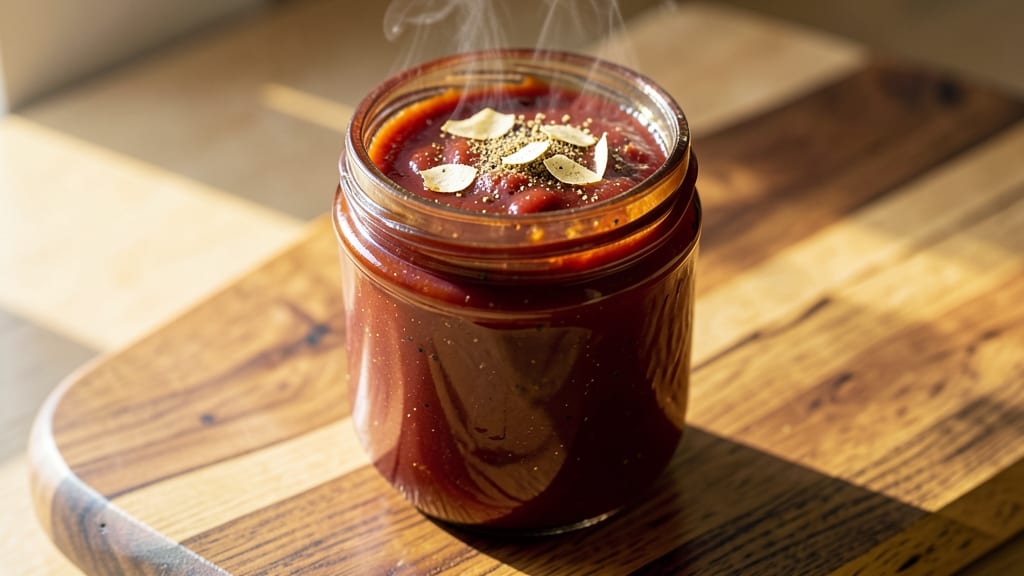
Creating no sugar added ketchup that still delivers that perfect tangy-sweet balance is simpler than you might think—and it’s a game-changer for health-conscious families. This homemade version uses ripe tomatoes, vinegar, and natural sweeteners like stevia or monk fruit to mimic classic ketchup’s flavor without the sugar crash.
I perfected this recipe after realizing store-bought sugar-free options often taste flat or overly acidic.
The secret lies in balancing acidity and sweetness through precise measurements and slow cooking. You’ll start with fresh tomatoes, simmer them with vinegar and spices to develop depth, then blend until smooth. A touch of natural sweetener (like unsweetened applesauce or stevia) rounds out the flavor without spiking blood sugar.
The result? A rich, tangy condiment that pairs perfectly with burgers, fries, or even glazed meats.
This recipe delivers restaurant-quality flavor with just 5 key ingredients and 30 minutes of active time. The slow reduction process concentrates the tomato flavor, while the natural sweeteners ensure it’s just as satisfying as traditional ketchup. Plus, you’ll avoid artificial additives and preservatives—just pure, homemade goodness in every jar.
Store it in the fridge for up to 2 weeks, or freeze for longer shelf life. Perfect for meal prep, gifting, or simply enjoying guilt-free dipping. Let’s make ketchup that tastes as good as it is for you!
Ingredients for no sugar added ketchup
Five simple ingredients transform into rich, tangy ketchup without the sugar crash.
| Ingredient | Amount | Notes |
|---|---|---|
| Fresh Ripe Tomatoes 🍅 | 2 lbs | Roma or vine-ripened preferred |
| Apple Cider Vinegar 🍶 | ½ cup | Unfiltered for tanginess |
| Stevia Powder 🌿 | 1 tbsp | Adjust to taste (or monk fruit) |
| Onion Powder 🧅 | 1 tsp | Freshly ground preferred |
| Ground Allspice 🌶️ | ½ tsp | For depth (or cinnamon) |
| Salt 🧂 | 1 tsp | Diamond Crystal kosher |
| Unsweetened Applesauce 🍎 | ¼ cup | For natural sweetness |
| Garlic Cloves 🧄 | 2 cloves | Peeled, rough chopped |
The tomatoes are the foundation—Roma or vine-ripened deliver the best texture and flavor. Local farmers markets often have perfect specimens in summer, but grocery store Roma tomatoes work year-round. If you can't find fresh, canned San Marzano tomatoes (drained) are a solid backup. The vinegar matters too—unfiltered apple cider vinegar adds complexity, while white vinegar keeps it classic. For the sweetener, I default to stevia because it’s zero-calorie and doesn’t alter the ketchup’s tang, but monk fruit works just as well. Just remember: stevia is 200x sweeter than sugar, so start with half the amount and adjust.
No stevia? Monk fruit or erythritol are great swaps—both mimic sugar’s texture without the crash. Want more sweetness? Unsweetened applesauce or mashed banana adds natural bulk and flavor (trust me, it works). The spices are non-negotiable for depth—onion powder and allspice create that classic ketchup warmth. If you’re feeling fancy, a pinch of smoked paprika adds smokiness. For the garlic, fresh is ideal, but garlic powder at half the amount works in a pinch. The key is balancing the acidity from vinegar with the sweetness—taste as you go, and adjust gradually.
This ketchup thickens as it cools, so blend it smooth first, then simmer to reduce. Store in a clean glass jar in the fridge for up to 2 weeks—the flavor actually improves over time. For longer storage, freeze in ice cube trays for perfect single-use portions. The applesauce keeps it naturally thick, but if it gets too runny, simmer uncovered for 5-10 minutes. Leftovers? Perfect for meal prep—just reheat gently before serving.
Why You'll Love This Recipe
- Fewer Ingredients, Bigger Payoff: I swear by this recipe because it’s actually just five things—no weird blends or hard-to-find spices. Ripe tomatoes, vinegar, a pinch of stevia, and those two spices? That’s it. No overcomplicating, no hunting for specialty jars.
- Tangy-Sweet Without Guilt: Here’s what sold me—the vinegar cuts through the tomato’s natural sweetness, but the stevia keeps it from tasting like a sad, watered-down version. That allspice? Tiny but mighty—it adds this warm, cozy depth that store-bought ketchup never hits. (Yes, even on a Tuesday night.)
- Pantry Staple Flex: This stuff works everywhere. Slather it on burgers, mix it into meatloaf, or drizzle it over roasted veggies. I’ve even used it as a marinade for chicken wings—saves me from buying two different sauces. And it keeps for months in the fridge, so no more last-minute grocery runs.
- Budget Hack That Works: Between us, I go through ketchup fast. This recipe costs pennies per batch—ripe tomatoes are cheap in season, and the rest? Spices I already had. Plus, no artificial junk means I’m not buying it twice as often. Win-win for my wallet and my taste buds.
Step-by-step instructions for no sugar added ketchup
Here's how to craft a rich, tangy ketchup without refined sugar—just natural sweetness and bold flavor.
Roast the Tomatoes for Deep Flavor
Preheat your oven to 425°F. Cut the 2 lbs fresh ripe tomatoes into quarters, removing any stems. Spread them on a rimmed baking sheet cut-side up, leaving space between each piece. Roast for 25-30 minutes until the skins blister and darken slightly—this intensifies their natural sweetness and caramelizes their edges.
Watch closely after 20 minutes; the tomatoes should be soft enough to crush easily between your fingers. Roasting develops their umami depth, which balances the tangy vinegar later. Let them cool slightly before handling—they'll release juices as they cool.
Blend the Roasted Tomatoes
Transfer the roasted tomatoes to a food processor or blender. Add the 2 cloves peeled, rough chopped garlic cloves and pulse until the mixture is completely smooth. You should have about 1½ cups of tomato purée. Taste it now—it should be rich and slightly sweet with a hint of smokiness from roasting.
If the purée is too thick, add 1-2 tablespoons of water to help with blending. The texture should be silky, not grainy. This is your flavor foundation, so don't rush this step. The smoother the purée, the more professional your ketchup will taste.
Simmer the Base Ingredients
Pour the tomato purée into a medium saucepan and stir in the 0.5 cup apple cider vinegar, 1 tbsp stevia powder, 1 tsp onion powder, 0.5 tsp ground allspice, and 1 tsp salt. Bring to a gentle boil over medium-high heat, then reduce to a simmer. Let it cook uncovered for 15-20 minutes, stirring occasionally, until the mixture thickens slightly and the flavors meld.
You'll notice the stevia dissolves completely and the spices bloom, filling your kitchen with a warm, aromatic scent. The mixture should reduce by about ¼—this concentrates the flavors. If it thickens too quickly, add 1-2 tablespoons of water to maintain balance.
Incorporate the Applesauce for Sweetness
Remove the pan from heat and stir in the 0.25 cup unsweetened applesauce. The applesauce adds natural sweetness and body without refined sugar. Return the pan to low heat and simmer gently for another 5-7 minutes, stirring constantly, until the mixture reaches your desired consistency—it should coat the back of a spoon but still be pourable.
Taste and adjust the seasoning if needed. You might want to add a pinch more stevia for sweetness or vinegar for tang. The applesauce also helps balance the acidity from the vinegar, creating a smoother, more balanced flavor profile.
Process and Store for Maximum Freshness
Transfer the ketchup to a clean jar or airtight container. Let it cool completely before sealing—this prevents condensation from forming inside. Store in the refrigerator for up to 2 weeks, or process in a water bath for 15 minutes to extend shelf life to 6 months.
This homemade ketchup delivers a vibrant, tangy-sweet balance with none of the artificial additives found in store-bought versions. The natural sweetness from the tomatoes and applesauce shines through, while the spices add depth. Use it on burgers, hot dogs, or as a glaze for roasted meats—it's far more complex than traditional ketchup.
Pro Tips For Making No Sugar Added Ketchup
- Simmer Slow and Steady: I learned this the hard way—boiling tomatoes for ketchup turns them into mush. Instead, keep the heat at a gentle simmer (just bubbles breaking the surface, not rolling over) for 30-45 minutes. This breaks down the texture without losing that fresh tomato flavor you’re working so hard to preserve.
- Peel and Seed Like a Pro: Skip the messy peeling with a knife. Drop halved tomatoes into boiling water for 30 seconds, then ice bath, and the skins slip right off. For seeds, crush tomatoes by hand in a colander—no blender needed—and let the pulp drain while you work. Less waste, less cleanup.
- Measure Stevia Precisely: That powder is potent. Start with half the recipe’s stevia amount, taste, then add the rest gradually. If you dump it all in first, you’ll end up with a bitter, artificial aftertaste that no amount of vinegar can fix. A pinch at a time is your friend here.
- Save Time with Vinegar First: Add the apple cider vinegar to the raw tomatoes before cooking. It jumpstarts the flavor extraction and cuts cooking time by 10 minutes—no waiting for the acid to work its magic later. Just stir it in early and let the heat do the rest.
Wine and beer pairings for this dish
Crisp Lager Pairings
A crisp, dry lager like Peroni or Heineken cuts through the tangy acidity of this ketchup beautifully. The effervescence cleanses your palate between bites of burgers or fries, while the subtle malt sweetness balances the vinegar's sharpness.
I love pairing it with Peroni—its light bitterness and citrus notes complement the allspice warmth in the ketchup. 🍺
Light Red Wine Options
For a wine pairing, opt for a dry, low-tannin red like Pinot Noir or Beaujolais. The Pinot Noir from Oregon or Burgundy has bright acidity that mirrors the vinegar in the ketchup, while Beaujolais adds a juicy fruitiness that rounds out the natural sweetness.
Avoid heavy Cabernets—they’ll overpower the delicate flavors. 🍷
Hoppy IPA Balance
If you prefer beer, a citrusy IPA like New Belgium Fat Tire or Sierra Nevada Pale Ale works surprisingly well. The hoppy bitterness contrasts the ketchup’s sweetness, while the citrus notes (like orange or grapefruit) echo the tomatoes’ natural brightness. Serve it slightly chilled for the best experience. 🌶️
Non-Alcoholic Alternatives
For a refreshing non-alcoholic match, try sparkling water with a lime wedge—the fizz and citrus enhance the ketchup’s tang. Alternatively, a ginger beer like BrewDog Punk IPA (non-alcoholic) adds a spicy kick that pairs perfectly with the allspice in the ketchup.
It’s a great choice for kids or those avoiding alcohol. 💫
Sweet White Wine Twist
A dry Riesling or Sauvignon Blanc adds a floral, crisp contrast to the ketchup’s depth. The Riesling from Germany or the Sauvignon Blanc from New Zealand brings bright acidity and mineral notes that refresh the palate. Skip the oaky Chardonnays—they’ll clash with the vinegar’s sharpness. 🍇
Craft Beer Experiment
For adventurous drinkers, a wheat beer like Blue Moon or Allagash White offers a creamy, slightly sweet profile that complements the ketchup’s natural sweetness. The banana and clove notes in wheat beers mirror the allspice and applesauce in the condiment. Serve it ice-cold for the best harmony. ⚡
Nutrition facts
Frequently asked questions
Can I substitute stevia with another natural sweetener?
For a 1:1 swap, use monk fruit sweetener or erythritol—both mimic sugar's texture without the crash. Need more sweetness? Try unsweetened applesauce (¼ cup) or mashed banana (2 tbsp) for bulk and natural flavor. Adjust gradually, as natural sweeteners vary in potency.
Why does my homemade ketchup taste too acidic?
Overdoing the vinegar or under-sweetening causes this. Balance it by adding 1-2 tbsp applesauce or a pinch more stevia. Simmer uncovered for 5 minutes to let excess moisture evaporate. For future batches, reduce vinegar to ¼ cup and taste before adding all spices.
How do I make this ketchup thicker?
Simmer uncovered for 5-10 minutes on low heat to reduce liquid. If it's still too thin, mix 1 tsp cornstarch with 1 tbsp water, stir into the ketchup, and simmer 2 more minutes. For long-term storage, refrigerate—it thickens as it cools. Never thicken with flour (it tastes off).
Can I use canned tomatoes instead of fresh?
Yes! Opt for San Marzano tomatoes (drained) for the best flavor. Skip the roasting step—just blend the tomatoes with garlic until smooth. You may need 1 extra tbsp vinegar to compensate for lower natural sweetness. For extra depth, add ½ tsp smoked paprika during simmering.
Is this ketchup safe for diabetics?
This recipe is low-glycemic and diabetic-friendly, but always check your specific sweetener's glycemic index. Stevia and monk fruit have zero impact, while applesauce has minimal carbs (6g per ¼ cup). Portion control matters—use 1 tbsp per serving to monitor intake. For strict tracking, measure sweeteners precisely.