
Main Courses
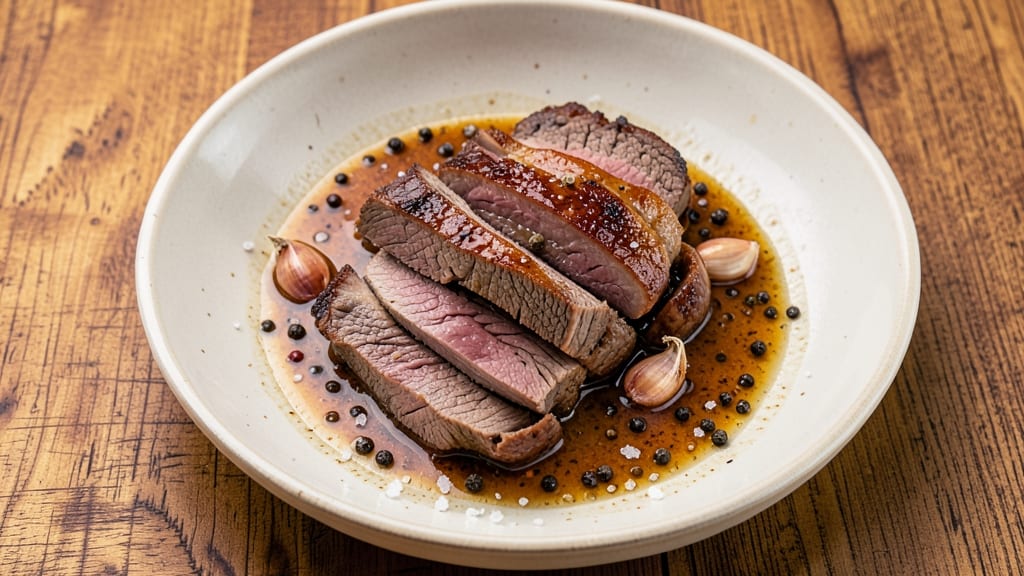
This old-fashioned Swiss steak recipe starts with a simple vinegar marinade that tenderizes even the toughest beef cuts into melt-in-your-mouth perfection. This classic recipe delivers restaurant-quality results using just a few pantry staples and a slow-cooking approach that transforms inexpensive cuts into something extraordinary.
The key lies in patience—letting the acid work its magic before searing to develop that signature caramelized crust.
What sets this old-fashioned Swiss steak apart is its ability to convert inexpensive beef into a dish that feels like a special occasion. The vinegar marinade not only tenderizes but also adds depth of flavor, while the slow cooking ensures the meat remains juicy and flavorful.
This method is perfect for feeding a family or preparing a hearty meal that will leave everyone asking for seconds.
By the time you serve this dish, you'll have perfectly tender beef with a rich, caramelized exterior that pairs beautifully with classic sides like creamy mashed potatoes or a thick, savory gravy.
The process is straightforward, but the results are anything but ordinary—this is comfort food at its finest, made even better by the satisfaction of transforming tough cuts into something truly delicious.
Whether you're cooking for a crowd or simply craving a satisfying weeknight dinner, this recipe delivers on both flavor and texture. The technique is time-tested, and the results are consistently impressive, making it a staple in any home cook's repertoire. Let's get started on creating this timeless classic.
Ingredients for old fashioned swiss steak
The secret to this classic dish lies in transforming tough beef cuts using just a few strategic ingredients.
| Ingredient | Amount | Notes |
|---|---|---|
| Top Round Steak 🥩 | 1 ½ lb | Thinly sliced against grain for even cooking |
| White Vinegar 💧 | ½ cup | Distilled white preferred for clarity |
| Water 💧 | ½ cup | Filtered preferred for neutral taste |
| Salt 🧂 | 1 ½ tbsp | Diamond Crystal kosher preferred |
| Black Peppercorns 🌶️ | 1 tbsp | Freshly cracked for robust flavor |
| Garlic Cloves 🧄 | 4 cloves | Peeled and lightly crushed |
| All-Purpose Flour 🌾 | ¼ cup | Sifted for even coating |
| Unsalted Butter 🧈 | 2 tbsp | European-style preferred for high smoke point |
| Vegetable Oil 🫒 | 2 tbsp | Light olive or canola preferred |
| Shallots 🧅 | 2 whole | Thinly sliced for aromatic base |
| Beef Broth 🍲 | 1 cup | Homemade or high-quality store-bought |
| Tomato Paste 🍅 | 1 tbsp | San Marzano preferred for sweetness |
| Dried Thyme 🌿 | 1 tsp | French preferred for earthy notes |
| Bay Leaves 🍃 | 2 whole | Fresh preferred for vibrant flavor |
The top round steak is the star ingredient—its lean yet flavorful profile benefits most from the vinegar marinade. Butcher shops often carry pre-sliced versions, but if cutting yourself, slice against the grain into ¼-inch thick strips for optimal tenderness. For the marinade, white vinegar should be high-quality; Heinz or Maier brands are reliable choices. The garlic should be freshly peeled to maximize its aromatic impact, and the kosher salt should be Diamond Crystal for proper dissolution in the marinade. This combination of acid and salt works synergistically to break down muscle fibers, ensuring melt-in-your-mouth results after slow cooking.
No white vinegar? Apple cider vinegar or lemon juice will work in a pinch, though the flavor profile shifts slightly. Swapping beef broth for red wine adds depth but requires adjusting cooking time. For the flour coating, cornstarch at half the amount creates a lighter crust, though traditionalists argue flour's binding properties are essential. The shallots can be substituted with yellow onion if unavailable, though shallots provide a more refined sweetness. Fresh thyme or rosemary can replace dried thyme, but reduce to half the amount—dried herbs are concentrated. The tomato paste should be San Marzano for its natural sweetness, though any quality paste will suffice.
Marinated steak keeps for up to 24 hours in the refrigerator, though it's best used within 12 hours for peak tenderness. The flour coating can be pre-mixed and stored in an airtight container for 1 week, though it's best used fresh. Leftover cooked steak reheats beautifully in a skillet with a splash of beef broth to restore moisture. For meal prep, portion the cooked steak into individual servings and freeze with parchment paper between layers to prevent sticking. This dish reheats best from frozen—simply thaw overnight in the fridge before reheating.
Why You'll Love This Recipe
- Five-Ingredient Magic: I swear, this recipe is a stealth genius—just steak, vinegar, water, salt, and pepper. That’s it. No fancy marinades or last-minute grocery runs. Honestly, I keep the ingredients on hand just for this.
- Tender Surprise: The vinegar-water soak transforms tough top round into something so fork-tender it’ll fool you. That crispy crust? Pure satisfaction. (Yes, even on a Tuesday night.)
- Leftovers That Win: This dish actually improves the next day—reheated with a splash of water, it’s just as good. Between us, I make double portions because it’s my go-to for lunches that don’t feel like leftovers.
- Budget Powerhouse: Top round is affordable, and this recipe stretches it far. I’ll be real: my grocery budget thanks me every time I pull this off. Plus, it’s the kind of meal that makes frugal eating feel like a victory.
Step-by-step instructions for old-fashioned Swiss steak
Transform tough top round steak into fork-tender perfection using this vinegar-braised technique.
Prepare the Vinegar Marinade and Slice the Steak
In a medium bowl, combine the 0.5 cup white vinegar, 0.5 cup water, 1.5 tbsp salt, and 1 tbsp black peppercorns. Stir until the salt and pepper fully dissolve, creating a briny marinade that will tenderize the meat. Meanwhile, slice the 1.5 lb top round steak thinly against the grain—about ¼-inch thick slices—for even cooking and maximum tenderness.
Place the sliced steak in a shallow dish just large enough to hold it in a single layer. Pour the marinade over the steak, ensuring each slice is fully coated. Cover and refrigerate for at least 4 hours, or preferably overnight. This acid bath breaks down tough muscle fibers, transforming the steak from chewy to melt-in-your-mouth tender. The longer it marinates, the more dramatic the texture improvement.
Sear the Steak for Depth of Flavor
Remove the steak from the marinade (reserve the liquid for later) and pat the slices dry with paper towels. Heat 2 tbsp vegetable oil in a large skillet over medium-high heat until shimmering. Working in batches to avoid crowding, add the steak slices and sear for 2-3 minutes per side until deeply browned but still slightly underdone in the center. This quick sear locks in juices and builds a flavorful crust.
Transfer the seared steak to a plate and set aside. If the pan appears dry, add 1 tbsp unsalted butter and let it melt, scraping up any browned bits from the bottom—these contain concentrated flavor. This step is non-negotiable; skipping it results in bland, one-dimensional Swiss steak.
Build the Aromatic Base
Reduce heat to medium and add the 2 whole shallots, sliced thinly, to the skillet. Cook for 3-4 minutes until softened and lightly golden. Add the 4 cloves garlic cloves, crushed, and cook for an additional 30 seconds until fragrant. Stir in the 1 tbsp tomato paste and cook for 1 minute, allowing it to deepen in color and release its sweet, umami notes.
Pour in the reserved marinade from the steak, scraping up any stuck bits. Add the 1 cup beef broth, 1 tsp dried thyme, and 2 whole bay leaves. Bring to a gentle simmer, then reduce heat to low to maintain a barely bubbling state. The liquid should coat the back of a spoon but not boil vigorously—this ensures even heat distribution and prevents the steak from overcooking.
Braise Until Fork-Tender
Return the seared steak to the skillet, arranging the slices in a single layer. The liquid should come about halfway up the sides of the steak. Cover the skillet tightly with a lid and simmer for 1.5 to 2 hours, depending on the thickness of your slices. The steak is done when it easily pulls apart with a fork and the sauce has reduced to a thick, glossy consistency.
Check the steak at the 1-hour mark—if it's still tough, continue cooking. The vinegar marinade and long braising time are what transform this inexpensive cut into something luxurious. Avoid lifting the lid during cooking; each time you do, you lose valuable heat and moisture. If the liquid reduces too quickly, add 2-3 tablespoons of water to maintain the proper braising level.
Finish with Butter and Rest
Once the steak is tender, remove the lid and increase heat to medium. Stir in the remaining 1 tbsp unsalted butter, letting it melt and coat the steak and sauce. This final touch adds richness and helps emulsify the sauce for a velvety texture. Remove the bay leaves and adjust seasoning if needed—Swiss steak should be boldly seasoned with a balance of vinegar's tang and the meat's savory depth.
Transfer the steak to a serving platter and let it rest for 5-10 minutes before serving. This resting period allows the juices to redistribute, ensuring each bite is moist and flavorful. Serve the steak with the reduced sauce spooned over the top, accompanied by crusty bread or mashed potatoes to soak up every last drop. The result is a restaurant-quality dish that proves even the toughest cuts can become extraordinary with the right technique.
Pro Tips For Making Old Fashioned Swiss Steak
- MARINATE THE STEAK: Toss the top round in equal parts water and white vinegar for at least 2 hours—overnight if you can. I used to skip this, thinking it was optional, but the vinegar tenderizes the tough cut and keeps the meat from drying out. Trust me, the flavor and texture improve dramatically.
- SEAR FIRST, THEN BRAISE: Get the steak blistering hot in a heavy pan before adding the vinegar-water mix. That crust locks in flavor and makes the braising step work better. After searing, reduce heat to medium-low—too high, and you’ll steam the meat instead of braise it.
- SKIP THE CROWDED PAN: Don’t overload the pan with too many steaks at once. I learned this after a batch turned out soggy—give each piece at least ½ inch of space so the vinegar can bubble away and the meat can brown properly.
- REST THE MEAT: Let the steak sit 5-10 minutes under foil after cooking. I know, it’s tempting to cut into it right away, but this lets the juices redistribute. If you skip it, you’ll end up with dry, stringy slices—no one wants that.
Regional styles of these flavors
German Roots
The classic Swiss steak we know today traces its origins to German immigrants who brought their love of vinegar-braised beef to America in the 19th century. The dish was originally called "Rindfleisch in Essig" (beef in vinegar), showcasing how German settlers adapted their cooking to local ingredients.
The vinegar marinade was a practical way to tenderize tough, inexpensive cuts of beef that were abundant in the Midwest. 🌍
In traditional German cuisine, this technique was used for top round or chuck roast, similar to our recipe. The key difference was the use of red wine vinegar instead of white, adding a deeper acidity.
German cooks often served it with potatoes au gratin and cabbage slaw, creating a hearty meal perfect for cold climates. The dish became a staple in German-American communities, especially in states like Ohio and Pennsylvania.
Midwestern American Twist
As Swiss steak migrated westward, American cooks began using white vinegar for its milder taste and more affordable price. The dish became a weeknight favorite in the Midwest, particularly in states like Indiana and Illinois, where beef was plentiful.
Local butchers would often pre-slice the steak against the grain, making it easier for home cooks to prepare. This adaptation turned Swiss steak into a budget-friendly centerpiece for family dinners. 🥩
Midwestern versions often included tomato paste and beef broth in the braising liquid, adding richness that balanced the vinegar's tang. Serving it with mashed potatoes and cornbread became a regional tradition, reflecting the agricultural abundance of the area.
The dish was so beloved that it became a symbol of Midwestern comfort food, often featured at church potlucks and community gatherings.
Appalachian Variations
In the Appalachian region, Swiss steak took on a slightly spicier profile, with cooks adding black pepper and garlic more generously to the marinade.
The mountainous terrain made vinegar a practical preservative, and the dish became a way to stretch tough cuts of beef into multiple meals. Apple cider vinegar was sometimes used instead of white vinegar, adding a subtle sweetness that complemented the region's love of apples. 🍎
Appalachian cooks often served Swiss steak with cornbread and collard greens, creating a meal that highlighted local ingredients.
The dish was particularly popular in Kentucky and Tennessee, where it was sometimes called "vinegar steak" or "sour steak." The slow-cooking method also made it an ideal cold-weather dish, as the long braising time kept the home warm while the meal cooked.
Modern Adaptations
Today, Swiss steak remains a nostalgic favorite, but modern cooks have put their own spin on the classic.
Some replace white vinegar with balsamic vinegar for a sweeter, fruitier flavor, while others add Worcestershire sauce to the braising liquid for depth. Slow cookers have also become a popular tool for this dish, allowing the vinegar marinade to work its magic hands-off. 🍷
Chefs in German-American restaurants often serve Swiss steak with red cabbage and spätzle, a nod to its European roots.
Meanwhile, home cooks continue to experiment with different cuts of beef, like flank steak or skirt steak, though traditionalists argue that top round remains the best choice for its lean yet tender texture.
The dish has also found a place in modern comfort food menus, proving that classic techniques can stand the test of time.
Nutrition facts
Frequently asked questions
Why does this recipe use vinegar to marinate the steak?
The vinegar marinade is the secret to transforming tough beef cuts into tender perfection. The acid breaks down muscle fibers, while the salt enhances flavor penetration. For best results, marinate for at least 4 hours—overnight yields even more dramatic tenderness. This classic technique dates back to German immigrants who adapted it for American beef cuts.
Can I use a slow cooker for this recipe?
After searing the steak, transfer everything to a slow cooker and cook on low for 6-8 hours or high for 3-4 hours. The vinegar marinade works beautifully in a slow cooker, and you'll still achieve that fork-tender texture. Just check occasionally and add water if needed to maintain liquid levels.
What's the best way to slice the steak for even cooking?
Slice the steak against the grain into ¼-inch thick strips. This ensures the meat cooks evenly and becomes more tender. If your butcher doesn't slice it for you, ask them to do it—it makes a huge difference! The grain runs lengthwise, so cutting perpendicular creates shorter muscle fibers that cook faster.
How do I know when the steak is fully tender?
The steak is done when it easily pulls apart with a fork and the sauce has thickened. Test at the 1-hour mark—if it's still tough, continue cooking. The vinegar marinade and long braising time are what make this dish work, so patience pays off. The sauce should coat the back of a spoon but not be watery.
What are the best sides to serve with Swiss steak?
Classic pairings include creamy mashed potatoes, buttery egg noodles, or crusty bread to soak up the sauce. For a Midwestern touch, try cornbread or roasted carrots. The vinegar-braised flavor balances well with rich, starchy sides that complement the beef's savory depth.