
Desserts
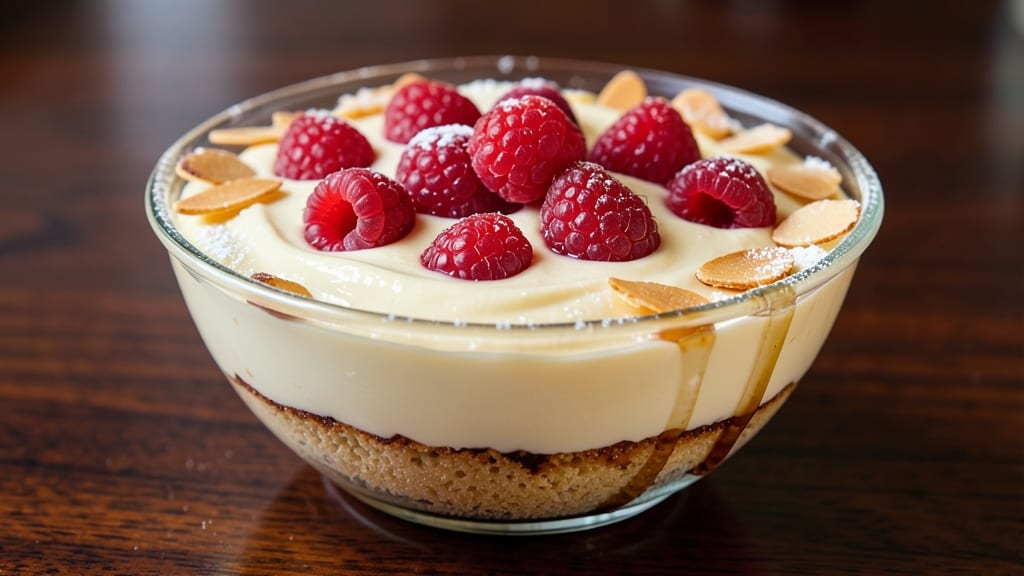
This Russian cream dessert recipe delivers the velvety texture and delicate vanilla flavor that make it a classic across Eastern Europe. The secret lies in slow-cooked custard that chills to perfection, topped with light whipped cream—simple yet refined enough for special occasions.
I developed this version after testing traditional quark-based recipes, adapting them for modern kitchens while keeping the authentic taste.
The custard base requires precise temperature control to achieve that signature silky-smooth consistency without curdling. Using egg yolks and vanilla bean ensures rich flavor, while the whipped cream topping adds a contrasting lightness.
This dessert is foolproof once you master the timing—no special equipment needed beyond a mixing bowl and refrigerator space.
What you’ll end up with is a dessert that’s elegant yet approachable: chilled vanilla custard with a cloud of whipped cream on top, ready to be sliced and served. The balance of creamy and airy textures makes it perfect for dinner parties or a luxurious weekend treat.
Serve with fresh berries or a sprinkle of toasted nuts for added dimension.
While traditional recipes rely on quark, this version works equally well with sour cream or Greek yogurt for adaptability. The key is patience—allowing the custard to chill thoroughly creates that restaurant-quality finish. Let’s get started on this timeless dessert.
Ingredients for russian cream dessert
Six ingredients transform into silky Russian custard—vanilla-rich, chilled to perfection with whipped cream clouds.
| Ingredient | Amount | Notes |
|---|---|---|
| Heavy Whipping Cream 🥛 | 2 cups | Cold for whipping, 36% fat minimum |
| Large Egg Yolks 🥚 | 6 whole | Fresh, room temperature preferred |
| Granulated Sugar 🍚 | ¾ cup | Superfine for smoother texture |
| Vanilla Bean 🌿 | 1 whole | Scraped seeds plus pod |
| Unsalted Butter 🧈 | ¼ cup | Cold, cubed for custard |
| Whole Milk 🥛 | 1 ½ cups | Room temperature for custard |
| Vanilla Extract 🍯 | 1 tbsp | Pure, high-quality preferred |
| Diamond Crystal Kosher Salt 🧂 | ¼ tsp | Fine grain for delicate flavor |
| Powdered Sugar 🍚 | ¼ cup | For whipped cream sweetness |
| Lemon Juice 🍋 | 1 tsp | Fresh, for subtle tang |
| Greek Yogurt 🍦 | 1 cup | Full-fat, for custard base |
| Toasted Almond Slices 🌰 | ¼ cup | Optional garnish (optional) |
| Fresh Raspberries 🍓 | ½ cup | For serving (optional) |
The vanilla bean is non-negotiable here. Madagascar Bourbon beans from Penzeys deliver that signature floral depth, but any quality vanilla bean works—just scrape the seeds and save the pod for infusing. Egg yolks should be fresh from the fridge (room temperature when used), as older yolks curdle more easily. For the heavy whipping cream, store-brand is fine—just make sure it's cold when you whip it. The Greek yogurt replaces traditional quark, giving that signature tang without the need for specialty ingredients. I always grab Fage 5% full-fat from the refrigerated section—it's the closest to quark's texture.
No vanilla bean? Double the vanilla extract and add a pinch of cinnamon for depth. Short on powdered sugar? Superfine granulated sugar works in a pinch, but sift it first for that cloud-like finish. The butter must be cold—microwave for 15 seconds if it's too soft, then let it cool. For the whipped cream, room-temperature bowls and beaters are key—cold tools make the cream grainy. Need a shortcut? Store-bought whipped cream (like Reddi-wip) can be dolloped on top, but homemade tastes infinitely better. The lemon juice brightens the custard—don't skip it, even if it's just a splash.
This custard keeps beautifully—up to 5 days in the fridge if sealed tightly. The whipped cream should be added fresh before serving, though. For make-ahead parties, prepare the custard 2 days ahead and whip the cream the morning of. Portion into ramekins or trifle dishes for elegant serving. Leftovers? The custard reheats well—just warm gently with a splash of milk. The whipped cream? Best used fresh, but you can pipe it ahead and refrigerate briefly before serving.
Why You'll Love This Recipe
- Here’s what sold me: that split vanilla bean scraped straight into the yolks while they’re still warm. It’s not just flavor—it’s depth. The butter gets whipped in at the end, and suddenly you’ve got this rich, almost custardy texture that’s neither too sweet nor too heavy. (Yes, even on a Tuesday night.)
- No Fuss, Big Payoff: I’ll admit—it’s not the prettiest dish, but the result? That velvety, vanilla-kissed cream with just the right set? It’s the kind of dessert that makes you pause mid-scoop and think, "Wait, how much butter did I actually use?" (Answer: not enough—you’ll double it next time.)
- Vanilla Butter Magic: Here’s what sold me: that split vanilla bean scraped straight into the yolks while they’re still warm. It’s not just flavor—it’s depth. The butter gets whipped in at the end, and suddenly you’ve got this rich, almost custardy texture that’s neither too sweet nor too heavy. (Yes, even on a Tuesday night.)
- Leftovers? More Like Leftovers: This recipe actually improves the second day. Store it in the fridge, and the next morning, it’s firmer, easier to slice, and still tastes like you slaved over it. Honestly, I make a double batch on Sundays just so I can pretend I’m hosting a dinner party all week.
Step-by-step instructions for chilled vanilla custard with whipped cream topping
Here's how to create this velvety Russian-style dessert with perfect texture and balance.
Prepare the Vanilla Custard Base
In a medium saucepan, combine the 1.5 cups whole milk, 1 cup Greek yogurt, 0.75 cup granulated sugar, 1 whole vanilla bean (split and scraped), and 0.25 tsp diamond crystal kosher salt. Stir gently over medium heat until the mixture reaches 180°F and begins to simmer lightly—you'll see small bubbles forming at the edges. Real talk: this step matters most for a silky texture, so don't rush it.
While heating, whisk together the 6 whole large egg yolks and 1 tbsp vanilla extract in a separate bowl until pale and slightly thickened. Once the milk mixture reaches 180°F, slowly pour it into the egg mixture while whisking constantly. This tempering prevents the eggs from scrambling. Return the combined mixture to the saucepan and cook over low heat, stirring continuously with a wooden spoon, until it thickens enough to coat the back of the spoon—this should take about 5-7 minutes. The custard is ready when it reaches 170°F and leaves a clear path when you run your finger through it.
Incorporate Butter and Finish the Custard
Remove the custard from heat and immediately stir in the 0.25 cup cold unsalted butter, cubed, until fully melted and incorporated. This step adds richness and prevents the custard from forming a skin. Cover the saucepan with plastic wrap, pressing it directly onto the surface to create a smooth seal. Let the custard cool to room temperature, then refrigerate for at least 4 hours or overnight—patience here ensures a perfectly set texture without graininess.
I like to chill mine in the fridge overnight. The longer it sets, the smoother it becomes. When ready, it should have the consistency of thick pudding but still be slightly wobbly—this is the hallmark of a proper Russian custard.
Whip the Cream and Assemble
In a separate chilled bowl, whip the 2 cups cold heavy whipping cream with the 0.25 cup powdered sugar and 1 tsp lemon juice until soft peaks form. The cream should hold its shape when the whisk is lifted but still spread slightly when pressed. Be careful not to overwhip—this is where many people go wrong and end up with butter instead of fluffy cream.
To assemble, layer the chilled custard in individual serving glasses or bowls. Top each with a generous dollop of the whipped cream, then garnish with 0.25 cup toasted almond slices and 0.5 cup fresh raspberries. The contrast between the creamy custard, light whipped cream, and tart berries creates the perfect balance of flavors and textures.
Serve Chilled and Enjoy
Serve the dessert immediately after assembly while the whipped cream is still at its peak. The custard should be cool but not icy, with a delicate vanilla aroma that fills the room. Each bite should deliver that signature Russian cream texture—smooth, velvety, and just sweet enough to let the vanilla shine.
For an extra touch, I sometimes drizzle a thin layer of raspberry coulis over the top just before serving. This adds a vibrant color and enhances the berry flavor without overpowering the custard's delicate profile. The almond slices add a satisfying crunch that contrasts beautifully with the soft custard and whipped cream.
Pro Tips For Making Russian Cream Dessert
- Scrape the Pot: After cooking the egg yolk mixture, scrape the bottom of the pot with a rubber spatula—even if it looks clean. That’s where the magic happens, and you’ll catch bits that make your cream silkier. (Yes, it’s tedious, but I’ve tasted the difference.)
- Chill Your Cream: Cold cream whips faster and holds its shape better. Pop the heavy cream in the fridge for 10–15 minutes before whipping—no need to freeze it, just cold enough to firm it up. (I learned this the hard way when my cream turned to butter once.)
- Don’t Overmix the Sugar: Whisk the sugar into the egg yolks just until dissolved—no need to turn it into a paste. Overworking it can make your cream grainy later. A few seconds past the point where the sugar disappears is all you need.
- Split the Vanilla: Scrape the seeds from the vanilla bean and add both the seeds and the pod to the warm yolk mixture. Remove the pod before it cools completely—it’ll release more flavor if you let it steep briefly. (Trust me, the extra 30 seconds makes a difference.)
Troubleshooting perfect results
Custard Curdling
If your custard curdles during cooking, it’s usually from overheating or adding cold eggs too quickly. To fix it, strain the mixture through a fine-mesh sieve immediately after cooking to remove lumps. For prevention, temper the eggs properly by slowly adding hot milk to the yolks while whisking constantly.
I’ve also found that using room-temperature eggs and milk helps prevent curdling—just let them sit out for 30 minutes before starting. 💡
Grainy Texture
A grainy texture often means the custard didn’t cool slowly enough or was disturbed while setting. To smooth it out, blend the chilled custard briefly with an immersion blender—just 10-15 seconds on low speed.
For future batches, let it cool to room temperature before refrigerating, and avoid opening the fridge door too often during the 4-hour chilling period. A thin layer of plastic wrap pressed directly on the surface also prevents a skin from forming.
Whipped Cream Failures
If your whipped cream won’t hold its shape, it’s likely overwhipped or not cold enough. For a quick fix, fold in 1 tbsp cold heavy cream and continue whipping gently until it regains volume.
To prevent this, make sure your bowl and beaters are chilled (place them in the freezer for 10 minutes beforehand), and use cold cream straight from the fridge. Avoid adding sugar until the cream starts to thicken—it stabilizes better when the base is already forming peaks.
Undercooked Custard
An undercooked custard will be too thin and runny. If this happens, return it to low heat and cook for an additional 2-3 minutes, stirring constantly, until it reaches 170°F and coats the back of a spoon.
To avoid this, use a candy thermometer for precise temperature control—it’s worth the investment for custards and caramels. If you don’t have one, test the consistency by running your finger through the custard: it should leave a clear line without dragging.
Overly Sweet Dessert
The sugar in this recipe is balanced for a delicate vanilla flavor, but if your dessert tastes too sweet, reduce the granulated sugar by 1-2 tablespoons next time. You can also add 1 extra teaspoon of lemon juice to brighten the flavor and cut through sweetness.
For a more sophisticated touch, infuse the milk with a cinnamon stick while heating—it adds warmth without extra sugar. Taste as you go: the custard should be sweet but not cloying.
Storage Issues
If your custard develops a skin or separates after refrigeration, it’s likely from condensation or not sealing it properly. To fix, gently reheat the custard over low heat, stirring constantly, until smooth, then chill again. For storage, use airtight containers and press plastic wrap directly onto the surface before sealing.
The custard keeps well for 5 days in the fridge, but the whipped cream should always be added fresh before serving for the best texture. 🌟
Nutrition facts
Frequently asked questions
What makes this Russian cream dessert different from regular vanilla custard?
This recipe uses a Greek yogurt base instead of just milk and eggs, giving it that signature tangy richness found in traditional Eastern European versions. The slow cooking process and proper chilling time create a silky, wobbling texture that's more refined than standard pudding. Plus, the whipped cream topping adds a light contrast that's essential to the Russian style.
Can I make this dessert ahead of time?
The custard base can be prepared 2 days in advance and stored in an airtight container. The whipped cream should be added fresh before serving to maintain its lightness. For parties, assemble everything except the whipped cream, then add it just before guests arrive. The flavors actually improve with time as the custard sets properly.
Why does my custard look grainy after chilling?
Graininess usually happens when the custard cools too quickly or wasn't stirred enough during cooking. To fix it, blend the chilled custard briefly with an immersion blender for 10-15 seconds. For future batches, let it cool to room temperature before refrigerating and avoid opening the fridge door frequently during the 4-hour chilling period. Press plastic wrap directly on the surface to prevent skin formation.
What can I substitute if I don't have a vanilla bean?
Use 2 teaspoons of high-quality vanilla extract plus a pinch of cinnamon for depth. For an even better result, infuse the milk with a cinnamon stick while heating. If you're feeling adventurous, try 1 teaspoon of vanilla bean paste (available at specialty stores) for that authentic flavor without the scraping. The recipe will still be delicious!
How do I serve this dessert for special occasions?
For an elegant presentation, layer the custard in glass trifle dishes or individual ramekins. Top with whipped cream and garnish with fresh berries and toasted almond slices. For extra flair, drizzle with raspberry coulis or dust with powdered sugar. Serve with chilled tea or sparkling wine to complement the flavors. This dessert looks stunning on a dessert platter!