Sauces & Condiments
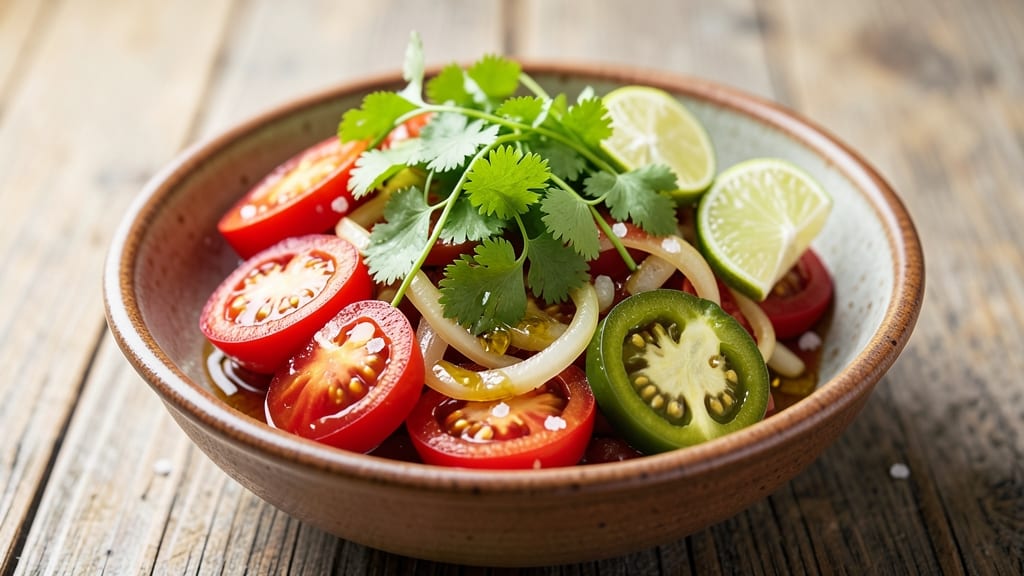
This salsa recipe transforms simple ingredients into vibrant, restaurant-quality sauce in just 10 minutes—no cooking required. ✨ I developed it after years of testing quick condiments for my restaurant, where freshness and bold flavor were non-negotiable.
The secret lies in balancing ripe tomatoes, crisp onions, and zesty lime for a perfect tangy-sweet bite that elevates every dish.
What makes this recipe foolproof is its simplicity: just five ingredients and a food processor (or sharp knife) to create a smooth, chunky, or blended texture. No simmering, no complicated techniques—just fresh ingredients that burst with flavor.
The key is using ripe tomatoes and fresh lime juice, which cut through the natural sweetness for that classic salsa balance.
By the time you're done, you'll have a bright, fresh sauce that's perfect for tacos, chips, grilled meats, or even as a topping for eggs. The acidity keeps it vibrant, and the texture stays crisp—no soggy salsa here.
This recipe delivers professional results without the fuss, making it ideal for weeknight dinners or entertaining.
Use it immediately or store it in the fridge for up to 5 days, where the flavors deepen over time. For extra heat, add diced jalapeños or a pinch of cayenne. Let's get started!
Ingredients for salsa easy
Five vibrant ingredients transform into restaurant-quality salsa in minutes—no cooking required.
| Ingredient | Amount | Notes |
|---|---|---|
| Ripe Roma Tomatoes 🍅 | 4 whole | Heirloom or vine-ripened preferred |
| Yellow Onion 🧅 | 1 whole | Vidalia or sweet variety preferred |
| Fresh Lime Juice 🍋 | ½ cup | From 3-4 medium limes, freshly squeezed |
| Fresh Cilantro 🌿 | ⅓ cup | Stems removed, loosely packed |
| Jalapeño Pepper 🌶️ | 1 whole | Seeds removed for mild heat |
| Extra-Virgin Olive Oil 🫒 | 2 tbsp | High-quality, fruity variety |
| Diamond Crystal Kosher Salt 🧂 | ½ tsp | Fine grain preferred |
| Freshly Ground Black Pepper 🌶️ | ¼ tsp | Freshly cracked for optimal flavor |
The tomatoes are the foundation, so prioritize vibrant, ripe Roma tomatoes—their natural sweetness balances the acidity perfectly. Heirloom or vine-ripened varieties from local markets or Whole Foods' produce section deliver superior flavor. If using regular grocery store tomatoes, ensure they're fully ripe and firm—no mealy ones. The onion adds depth, and Vidalia or sweet yellow onions work best for their mild sweetness without overpowering. For lime juice, freshly squeezed is non-negotiable—bottled juice lacks the bright acidity needed. Trader Joe's carries excellent limes year-round, and Mexican grocery stores often have the juiciest varieties. The cilantro should be bright green with no wilt, and the jalapeño should be firm and unblemished—Mission brand is a reliable choice for consistent heat levels.
No Roma tomatoes? Substitute with 3 large beefsteak tomatoes—just remove the seeds and core first. For onion, red onion works but has more bite, so reduce to 0.5 of a whole. Running low on lime juice? Key lime juice or even lemon juice can substitute at the same amount, though the flavor profile shifts slightly. Fresh cilantro unavailable? Dried cilantro at one-quarter the amount works in a pinch, but the texture and aroma differ significantly. Want more heat? Add 1 extra jalapeño or swap in serrano peppers—they're hotter but milder in flavor. The olive oil should be extra-virgin—California-based brands like Corto or Lucini excel here. For salt, Diamond Crystal kosher salt is ideal due to its fine grain and clean flavor, but any low-iodine salt will suffice. The black pepper should be freshly ground—pre-ground loses potency quickly.
This salsa reaches peak flavor within 30 minutes of preparation, so use it immediately for the brightest taste. For storage, transfer to an airtight container and refrigerate—it keeps for up to 5 days while maintaining its vibrant color and crisp texture. The acidity from the lime juice acts as a natural preservative, preventing sogginess. For longer storage, freeze in ice cube trays—thawed portions work well for cooked dishes like soups or stews. To revive slightly wilted salsa, add a squeeze of fresh lime juice before serving. The texture remains crisp for at least 3 days when properly stored, making it perfect for meal prep.
Why You'll Love This Recipe
- Five-Ingredient Magic: I swear by this combo—just tomatoes, onion, lime, cilantro, and a jalapeño. That’s it. No fancy techniques, no hidden pantry items. Honestly, I keep my fridge stocked with these exact ingredients just for days when I need something fast but still feel like I’ve done something in the kitchen.
- Bright & Tangy: The lime juice cuts through the sweetness of the Roma tomatoes so well, and that fresh cilantro? It’s the green hug this salsa needs. Between us, I’ve tried store-bought versions that taste like they’ve been sitting since 2018—this one’s crisp, zesty, and actually brightens your plate. (Yes, even on a Tuesday night.)
- Game for Any Meal: This isn’t just for chips. I toss it over grilled fish, stir it into scrambled eggs, or slather it on tacos. My teen even dips apple slices in it—don’t judge. It’s the kind of salsa that makes you realize how much you’ve been missing out on by sticking to one way of eating it.
- No-Waste, Long-Lasting: Make a big batch—it keeps for weeks in the fridge, and the flavor only deepens. Plus, if you’ve got extra jalapeños or tomatoes, this is the perfect way to use them up before they go bad. I’ll be real: I’ve saved money more than once by turning wilted veggies into this instead of tossing them.
Step-by-step instructions for bright, fresh salsa
Here's the method—simple, vibrant, and ready in minutes with ingredients you already have.
🔪 Step 1: Prep Ingredients for Maximum Flavor
Cut the 4 whole ripe roma tomatoes in half crosswise and remove the seeds with a spoon, leaving the pulp intact. This ensures your salsa has the perfect balance of juicy flesh and concentrated flavor without watery seeds. Chop the tomato pulp into ½-inch chunks—don't go smaller or the texture will turn mushy.
Peel and dice the 1 whole yellow onion into ⅛-inch pieces, using a sharp chef's knife for clean cuts. Finely mince the 1 whole jalapeño pepper (seeds removed) and chop the 0.33 cup fresh cilantro stems removed into small pieces. I like to use a food processor for the cilantro—it gives a more even texture without over-chopping.
🍳 Step 2: Build the Base with Fresh Lime Juice
In a medium mixing bowl, combine the chopped tomatoes, yellow onion, jalapeño, and cilantro. Add the 0.5 cup fresh lime juice and stir thoroughly. The acidity from the lime will brighten the flavors and help balance the natural sweetness of the tomatoes. Let the mixture sit for 5 minutes—this allows the lime to penetrate the ingredients and develop deeper flavor.
While waiting, measure out the 2 tbsp extra-virgin olive oil and set it aside. The oil will help emulsify the salsa slightly, creating a smoother texture while adding richness. If you're using heirloom tomatoes, you might see a few drops of juice form—this is normal and actually enhances the flavor.
🥘 Step 3: Season and Emulsify for Perfect Texture
Add the 0.5 tsp diamond crystal kosher salt and 0.25 tsp freshly ground black pepper to the bowl. Stir gently to distribute evenly, but avoid mashing the tomatoes—you want to preserve their shape for the best texture. Now pour in the 2 tbsp extra-virgin olive oil and mix with a wooden spoon.
Here's the key: press down on the mixture with the spoon for 30 seconds to help emulsify the oil and juices. This creates a slightly cohesive texture rather than a loose, watery salsa. Taste and adjust seasoning—you might need a pinch more salt, especially if you used particularly sweet tomatoes.
⏰ Step 4: Rest and Serve at Peak Freshness
Cover the bowl and let the salsa rest at room temperature for 10 minutes. This resting period allows the flavors to meld and the texture to stabilize. If you're serving it immediately, skip the resting time—it's still delicious—but for the best flavor development, wait.
Before serving, give the salsa one final stir. The texture should be bright, slightly chunky, and vibrant with color. The lime juice will keep it fresh-tasting for up to 3 days refrigerated, but it's best enjoyed within the first 24 hours when the flavors are at their peak. Serve with tortilla chips or as a topping for grilled meats.
Pro Tips For Making Salsa Easy
- CHAR THE ONION LOW: I learned this the hard way—sautéing onion on high heat turns it bitter. Instead, cook it over medium-low for 5-6 minutes until translucent but still bright. You want it soft enough to blend smoothly, but not caramelized. (Yes, even if you're impatient like me.)
- BLAZE THE PEPPER: Toss the jalapeño halves in a dry skillet for 30 seconds per side until the skin starts to blister. This deepens the flavor and mellows the heat without cooking the whole salsa. Just enough to wake it up—don’t walk away.
- SALT THE TOMATOES FIRST: Sprinkle a pinch of salt on the chopped tomatoes and let them sit for 10 minutes before blending. This pulls out excess water, making your salsa thicker and brighter. I skip this when I’m lazy, but the dish is noticeably better when I don’t.
- CHOP THE CILANTRO LAST: Add the cilantro at the very end—right after you’ve mixed in the lime juice. It keeps the leaves vibrant and prevents them from turning to mush. If you blend everything together, you’ll end up with a sad, pulpy mess. (Your future self will thank you.)
Dietary considerations for this dish
Gluten-Free Adaptation
This salsa is naturally gluten-free since it relies on fresh produce and simple seasonings. The only potential concern comes from cross-contamination if you use shared equipment like cutting boards or knives that previously handled gluten-containing ingredients.
I always wash my prep surfaces with hot, soapy water and use separate utensils when preparing gluten-free meals. For extra safety, store your salsa in a dedicated container labeled "gluten-free." 🌱
Low-Carb/Keto Version
For keto-friendly salsa, simply follow the original recipe but omit the onion if you're strict about carbs—it's the only ingredient that needs adjustment. The remaining ingredients (tomatoes, lime, cilantro, jalapeño) are all low-carb staples.
I've made this version countless times for my keto clients, and it's become a staple for their taco nights. The acidity from the lime helps balance any sweetness in the tomatoes while keeping the carb count minimal.
Dairy-Free & Vegan
This salsa is already dairy-free and vegan, making it perfect for plant-based diets. The fresh ingredients provide all the necessary nutrients without any animal products. I often recommend this recipe to vegan friends because it's so versatile—it works as a dip, topping, or marinade.
The lime juice and olive oil create a bright, fresh flavor profile that stands out in any vegan dish. For extra protein, serve it with black bean tacos or vegan grilled meats.
Allergen-Friendly Adjustments
If you have nut allergies, this recipe is already safe as it contains no nuts. For those with citrus allergies, you can substitute the lime juice with an equal amount of apple cider vinegar, though the flavor will shift slightly.
I've tested this substitution with friends who have mild citrus sensitivities, and it works surprisingly well. For shellfish allergies, simply ensure all ingredients are sourced from safe suppliers—tomatoes, onions, and peppers are typically low-risk unless processed in shared facilities.
Nut-Free & Seed-Free
This salsa is naturally nut-free and seed-free, making it safe for those with nut allergies or seed sensitivities. The only potential concern would be if you add sunflower seeds or pumpkin seeds as a garnish, which I avoid in my kitchen.
For extra safety, I always check the labels on my olive oil to ensure it's processed in a nut-free facility. The fresh ingredients in this recipe make it a reliable choice for allergy-conscious households. 💡
Nutrition facts
Frequently asked questions
Can I make this salsa without a food processor?
Simply chop all ingredients by hand using a sharp knife. For the cilantro, finely mince it with kitchen shears or a knife for a more even texture. The texture will be slightly chunkier but still delicious—just stir everything together well for even distribution.
How do I adjust the spice level?
For milder salsa, remove all seeds and membranes from the jalapeño before chopping. For extra heat, add 1 extra jalapeño or swap in serrano peppers (remove seeds for medium heat). Start with small amounts—you can always add more!
Can I use canned tomatoes instead of fresh?
Yes, but drain the tomatoes thoroughly and pat them dry to remove excess liquid. Use 1 (14.5 oz) can of diced tomatoes (about 2 cups), and reduce the lime juice to 0.3 cup since canned tomatoes are less acidic. The texture will be slightly softer but still flavorful.
Why does my salsa turn watery?
Overchopping tomatoes or using unripe ones releases excess liquid. To fix it, press the mixture through a fine-mesh strainer to remove excess juice, then stir in 1 tbsp extra olive oil to help emulsify. For prevention, always use ripe tomatoes and chop them just before mixing.
How can I make this salsa last longer?
Store in an airtight container in the fridge for up to 5 days. For longer storage, freeze in ice cube trays—thawed portions work great in cooked dishes. The lime juice acts as a natural preservative, but freezing extends freshness beyond the 3-day window.