Sauces & Condiments
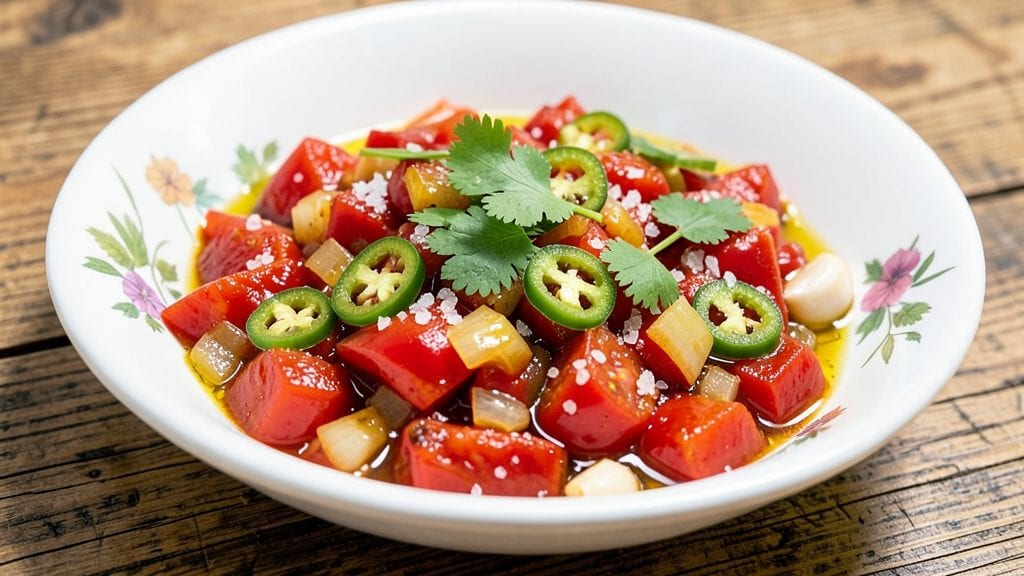
Transforming canned diced tomatoes into vibrant homemade salsa proves that restaurant-quality flavor doesn't require fresh ingredients. This 15-minute recipe delivers bright, zesty salsa with just a few pantry staples—no chopping, no peeling, and no wasted time.
I developed it during those late nights when I needed salsa fast but refused to compromise on taste.
The secret lies in balancing acidity and texture—juicy tomatoes, fresh lime juice, and finely diced onion create a perfect foundation. A pinch of salt and a handful of chopped cilantro elevate it from basic to bold, while a splash of water ensures the right consistency for dipping or drizzling.
This method preserves all the natural sweetness of the tomatoes while building depth through simple seasoning.
What you'll end up with is a homemade salsa that's tangy, fresh, and packed with bright flavors—ready in just minutes. The texture stays perfectly balanced between chunky and smooth, with none of the watery consistency you sometimes find in store-bought versions.
This recipe proves that great condiments don't need complicated techniques, just the right ingredients and a little attention to detail.
Store it in an airtight container in the refrigerator for up to a week, or freeze for longer shelf life. The flavors actually improve over time, making this the perfect salsa to have on hand whenever you need a quick, flavorful boost for tacos, eggs, or grilled meats.
Let's get started!
Ingredients for salsa recipe canned diced tomatoes
Pantry staples meet bright acidity—this salsa transforms humble canned tomatoes into vibrant, restaurant-quality condiment.
| Ingredient | Amount | Notes |
|---|---|---|
| Canned Diced Tomatoes (46 oz can, fire-roasted preferred) 🍅 | 2 cups | Drained, juice reserved for balance |
| Fresh Lime Juice (from 2-3 limes) 🍋 | ½ cup | Freshly squeezed, no pulp |
| Yellow Onion (finely diced) 🧅 | ½ cup | Approximately 1 medium onion |
| Fresh Cilantro (stems removed) 🌿 | ¼ cup | Chopped, or 1 tbsp dried cilantro |
| Jalapeño Pepper (seeds removed) 🌶️ | 1 whole | Finely diced, adjust for heat |
| Garlic Cloves 🧄 | 3 cloves | Minced, or 1 tsp garlic powder |
| Extra-Virgin Olive Oil 🫒 | 1 tbsp | For texture and richness |
| Water (for consistency) 💧 | ¼ cup | Adjust to desired thickness |
| Diamond Crystal Kosher Salt 🧂 | ½ tsp | Adjust to taste, don't oversalt |
| Ground Cumin 🌿 | ½ tsp | Toasted for deeper flavor |
The tomatoes serve as your flavor foundation, so fire-roasted varieties from brands like Muir Glen or Trader Joe's elevate the dish with natural charred sweetness. If you can't find fire-roasted, San Marzano canned tomatoes provide excellent quality with balanced acidity. Always drain the tomatoes thoroughly but reserve 1/4 cup of the juice—it contains vital flavor compounds that help balance the acidity from lime. For optimal freshness, check the can's date; tomatoes past their prime will yield a flat, watery salsa. If using regular diced tomatoes, add an extra pinch of salt to compensate for their milder flavor profile.
No fresh cilantro? Dried cilantro works at half the amount, though it lacks the bright, citrusy notes of fresh. For heat adjustments, remove all seeds from the jalapeño for mild salsa or include seeds for a spicier kick. Substitute lime juice with lemon juice or vinegar, though lime provides the most authentic tang. The extra-virgin olive oil adds richness and helps emulsify the mixture—don't skip it, even if you're watching calories. For a smoky depth without additional ingredients, toast the cumin seeds in a dry pan for 30 seconds before grinding, then add to the salsa mixture. This simple step transforms the flavor profile significantly.
This salsa maintains peak freshness for 5-7 days when stored in an airtight container in the refrigerator. The flavors actually deepen over time, making it perfect for meal prep. For longer storage, portion into ice cube trays and freeze—thaw as needed for tacos, grilled meats, or as a topping for baked potatoes. The texture will slightly thicken upon refrigeration, so add a splash of water if needed before serving. To prevent sogginess, always store the salsa in a sealed container with minimal air exposure. The acidity helps preserve it longer than traditional fresh salsa, making this an ideal pantry staple for quick weeknight meals.
Why You'll Love This Recipe
- No Chopping Nightmare: I swear by this recipe because it’s the only salsa I’ll make when I’m too tired to dice onions. The canned tomatoes and prepped jalapeño mean I’m done in 10 minutes—no tears, no mess, just pure efficiency. Honestly, the fire-roasted tomatoes do most of the work for you.
- Tangy, Smoky, Addictive: That char from the fire-roasted tomatoes? It’s the star. The lime juice cuts through the richness while the cilantro and jalapeño add this bright, fresh kick. I’ll be real: I’ve made this salsa three times in a week because it’s the kind of flavor that sticks with you.
- Game for Any Meal: This isn’t just for chips—it’s my go-to for tacos, grilled fish, or even scrambled eggs. The acidity balances rich dishes, and the texture? Perfect for dipping or drizzling. Between us, I’ve even used the leftovers in soups when I was too lazy to cook.
- Pantry Magic: I keep a can of fire-roasted tomatoes stocked because this salsa costs me pennies but feels like a restaurant dish. Make a big batch, and you’ll have it for days—no wilting herbs, no sad leftovers. Plus, the lime juice keeps it fresh longer than store-bought ever could.
Step-by-step instructions for salsa recipe with canned diced tomatoes
This method delivers vibrant, restaurant-quality salsa using pantry staples—no fresh tomatoes needed.
Sauté Aromatics Until Fragrant
Heat the 1 tablespoon extra-virgin olive oil in a medium saucepan over medium heat. Add the 0.5 cup finely diced yellow onion and cook for 3-4 minutes until soft and translucent. You'll notice the onion becomes nearly clear with just a hint of sweetness remaining.
Add the 3 cloves minced garlic and the 0.5 teaspoon ground cumin, stirring constantly for 30 seconds until the garlic releases its pungent aroma. The cumin will deepen the earthy notes that form the salsa's foundation. Keep the heat at medium—garlic burns quickly and turns bitter if overcooked.
Incorporate Spice and Herbs
Add the 1 whole jalapeño pepper (seeds removed, finely diced) and cook for 1 minute until it softens slightly. The seeds were removed to control heat intensity, but you can adjust by leaving some in if you prefer more spice. Stir in the 0.25 cup chopped fresh cilantro (stems removed), which will brighten the flavors with its citrusy notes.
Cook for an additional 30 seconds while stirring gently to distribute the cilantro evenly. The herbs should look vibrant and fresh—this is your signal that the aromatic base is ready for the next ingredients. Remove the pan from heat briefly to prevent burning the delicate cilantro.
Combine Tomatoes and Lime Juice
Return the pan to medium heat and add the 2 cups drained canned diced tomatoes (fire-roasted preferred) and 0.5 cup fresh lime juice. The fire-roasted tomatoes add natural smokiness that elevates the salsa beyond basic store-bought versions. Stir everything together and bring to a gentle simmer.
Simmer for 5-6 minutes until the flavors meld and the mixture thickens slightly. You'll notice the tomatoes break down slightly, releasing their juices and creating a cohesive texture. The lime juice will brighten the acidity, balancing the earthy flavors of the cumin and onion.
Adjust Consistency and Season
Remove the pan from heat and stir in the 0.5 teaspoon diamond crystal kosher salt. Taste the salsa and adjust the salt if needed—this is critical for balancing flavors. If the mixture is too thick, add 1-2 tablespoons of the reserved tomato juice (from draining the can) or the 0.25 cup water to achieve your desired consistency.
The salsa should be smooth yet slightly chunky, with a vibrant green hue from the cilantro and a deep red from the tomatoes. Let it cool for 5 minutes before serving—this allows the flavors to fully develop. The texture should be thick enough to coat the back of a spoon but still spreadable.
Pro Tips For Making Salsa Recipe Canned Diced Tomatoes
- SWEAT THE ONION: DESCRIPTION: Fire-roasted tomatoes already pack smoky depth, but skipping the onion sweat means missing the base flavor. Cook the diced onion in a dry skillet over medium heat for 8-10 minutes until it’s soft and just starting to brown—this caramelizes the natural sugars and makes the whole salsa taste richer. (Yes, even if you’re impatient like me.)
- JUICE BEFORE CHOPPING: DESCRIPTION: Fresh lime juice is the acid that ties everything together, but adding it at the end can leave you with a watery mess. Squeeze the lime juice over the chopped cilantro and jalapeño first—let it sit for 2-3 minutes while you prep the rest. This softens the herbs slightly and prevents them from turning bitter in the heat.
- SALT THE TOMATOES: DESCRIPTION: Fire-roasted tomatoes are already seasoned, but they’re not fully seasoned. Sprinkle a pinch of salt directly over the drained tomatoes while they’re still warm—this helps draw out excess liquid and lets you taste the actual flavor before adding anything else. (I learned this the hard way after making salsa that tasted bland no matter how much lime I added.)
- PULSE THE GREENS: DESCRIPTION: Roughly chopping cilantro and jalapeño is fine, but pulsing them in a food processor for 3-4 seconds creates tiny, even pieces that distribute flavor more evenly. Just don’t overdo it—you want texture, not a smooth paste. (Your future self will thank you when the salsa doesn’t separate in the jar.)
Regional styles of these flavors
Mexican Street Style
In Mexico City's markets, salsa is often made with fire-roasted tomatoes and a touch of white vinegar for extra tang. I learned from a vendor in Oaxaca to add 1 tablespoon of white vinegar to this recipe just before serving—it cuts through the richness of tacos beautifully.
For authenticity, use serrano peppers instead of jalapeños and toast the cumin seeds in a dry skillet until fragrant. 🌶️
Serve this version with warm corn tortillas and crumbled queso fresco on top. The vinegar brightens the flavors without overpowering them, and the serrano peppers add a subtle heat that lingers. I always make a double batch when hosting—this salsa disappears fast during fiesta nights!
Texas-Style BBQ Salsa
In Texas, salsa gets a smoky twist by incorporating chipotle peppers in adobo sauce (about 1 tablespoon) into the tomato mixture. This version works perfectly as a dip for brisket or pulled pork sandwiches.
I like to add 1 teaspoon of smoked paprika to deepen the smokiness, and a splash of orange juice instead of lime for a sweeter profile. 🔥
For extra richness, stir in 2 tablespoons of chipotle-infused olive oil at the end. This salsa pairs incredibly well with Texas-style beef tacos or as a topping for grilled chicken. The smoky chipotle balances the acidity, creating a complex flavor that's uniquely Texan.
Cuban-Inspired Picante
Cuban salsa often includes bell peppers and a touch of sour orange juice (or grapefruit juice) for a bright, citrusy kick. For this version, swap the jalapeño for ½ cup diced bell peppers (any color) and add 2 tablespoons of sour orange juice or grapefruit juice.
The bell peppers add a natural sweetness that complements the tangy lime. 🍊
This salsa is perfect for Cuban sandwiches or as a topping for grilled pork chops. The grapefruit juice adds a unique depth that sets it apart from traditional Mexican salsa. I like to finish it with a sprinkle of fresh oregano for an extra layer of aroma.
Southwest Fusion
For a fusion twist, blend in ½ cup of black beans (rinsed and drained) with the tomatoes for a heartier salsa. Add 1 teaspoon of ground coriander and ½ teaspoon of cayenne pepper for a Southwestern kick. This version works wonderfully as a taco filling or bowl topping. 🌵
The black beans add protein and texture, while the coriander and cayenne bring warmth. I often serve this with avocado slices and crushed tortilla chips on top for extra crunch. It’s a crowd-pleaser at backyard barbecues!
Nutrition facts
Frequently asked questions
Can I use regular canned tomatoes instead of fire-roasted?
Yes, but you'll notice a difference in flavor depth. Fire-roasted tomatoes add natural smokiness that elevates the salsa. If using regular tomatoes, add ½ teaspoon smoked paprika or 1 tablespoon tomato paste to compensate. The acidity will still be bright, but the smoky complexity will be missing.
How do I adjust the heat level?
For milder salsa, remove all seeds and membranes from the jalapeño before dicing. For extra heat, leave seeds in or add ½ teaspoon red pepper flakes at the end. You can also adjust the lime juice—more lime brightens the heat, while less makes it more pronounced. Always taste before serving!
Why does my salsa turn watery after refrigeration?
This happens when the tomatoes release excess liquid during cooling. To fix it, simmer the salsa for 5 extra minutes before refrigerating, or add 1 tablespoon cornstarch mixed with 2 tablespoons water as a thickener. For future batches, reduce the water by 2 tablespoons during cooking.
Can I make this salsa ahead of time?
This salsa actually tastes better after 24 hours as the flavors meld. Store in an airtight container for up to 7 days in the fridge. For longer storage, freeze in ice cube trays—thaw and stir before using. The texture may thicken upon thawing, so add a splash of water if needed.
What's the best way to store leftover salsa?
Keep it in an airtight container with minimal air exposure to prevent oxidation. For short-term storage (7 days), refrigerate. For longer storage, freeze in portions. The acidity from lime helps preserve it longer than fresh salsa. If the surface dries, cover with a thin layer of olive oil before sealing to maintain moisture.