
Breakfast & Brunch
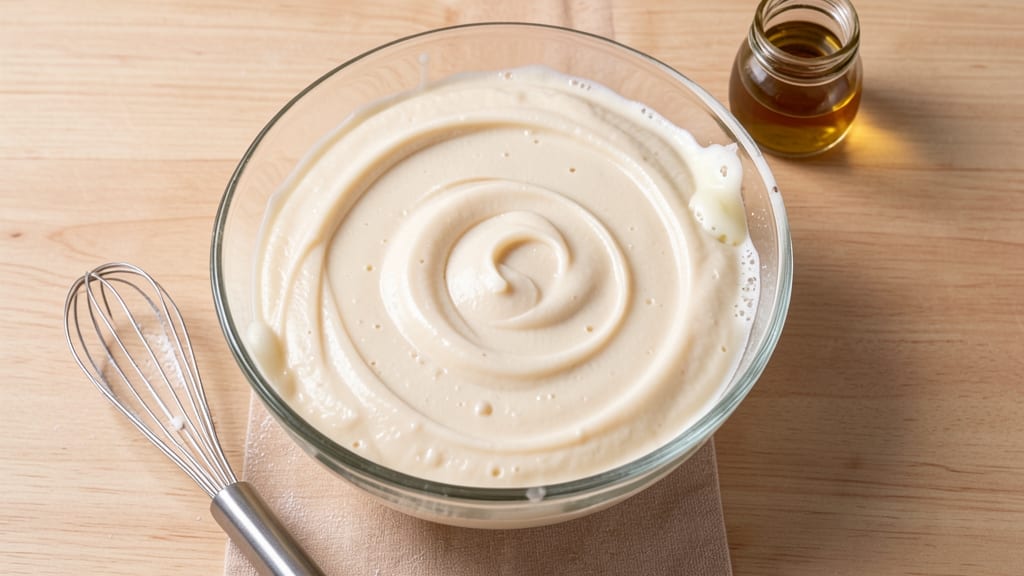
This soft icing recipe delivers the velvety, spreadable frosting you’ve been searching for—perfect for cakes, cupcakes, or even toast. The secret lies in precise ratios of butter, powdered sugar, and milk, whipped to a light, airy consistency that melts in your mouth.
After years of perfecting this technique, I’ve mastered the balance between stability and spreadability, so it stays put without being stiff.
The foundation of this icing is room-temperature butter, which creates a smooth, creamy base without graininess. A splash of milk or heavy cream adds just enough moisture to keep it tender while maintaining structure.
Unlike stiff buttercream, this version is designed to spread effortlessly, making it ideal for layering or drizzling. For best results, chill your bowl and beaters for 10 minutes before whipping—this prevents overheating and ensures a flawless finish.
What sets this apart is its versatility—it works as a delicate glaze for pastries, a luscious filling for sandwiches, or even a decadent topping for pancakes. The texture stays smooth for hours, resisting cracking or weeping, while the flavor remains rich and buttery.
Whether you prefer classic vanilla, deep chocolate, or bright citrus notes, this recipe adapts seamlessly to your taste.
Once you try this soft icing, you’ll never reach for store-bought again. The key is patience—whipping to the right stage takes time, but the result is worth every minute. Let’s get started on creating frosting that’s as beautiful as it is delicious.
Ingredients for soft icing
Eight simple ingredients transform into velvety frosting that spreads like butter.
| Ingredient | Amount | Notes |
|---|---|---|
| Unsalted Butter 🧈 | 1 cup | Room temperature, cut into tablespoons |
| Powdered Sugar 🍚 | 3 cups | Sifted for smooth texture |
| Heavy Cream 🥛 | ¼ cup | Cold for stability |
| Vanilla Extract 🌿 | 1 tbsp | Pure vanilla preferred |
| Milk 🥛 | ¼ cup | Whole milk for richness |
| Salt 🧂 | ¼ tsp | Kosher or fine sea salt |
| Lemon Juice 🍋 | 1 tsp | Freshly squeezed |
| Food Coloring (optional) 🎨 | ½ tsp | Gel-based for control |
The butter is non-negotiable here—room temperature is key for that silky texture. Land O'Lakes unsalted or Plugrá work perfectly, but avoid salted. If your butter is too cold, it’ll make the icing grainy; if it’s too soft, it’ll melt during whipping. The powdered sugar? Domino or C&H are my go-tos—they’re sifted and consistent. For vanilla, pure extract from a glass bottle (not imitation) makes all the difference. I keep a bottle of McCormick pure vanilla in my pantry for this exact reason—it’s reliable and affordable.
No heavy cream? Whole milk or half-and-half will work in a pinch, but the fat content matters for that luscious mouthfeel. Want to skip the lemon juice? A pinch of cream of tartar adds tanginess without overpowering. The salt is easy to overlook, but it balances sweetness—trust me on the 0.25 tsp. For food coloring, Wilton gel is my go-to because it doesn’t thin out the icing like liquid dyes. If you’re making this for a cake, add the color to the butter first so it’s evenly distributed. And if you’re feeling fancy, infuse the butter with a splash of vanilla bean paste while it softens—game changer.
This icing keeps beautifully—3-4 days in the fridge in an airtight container. If it stiffens, beat in a splash of milk to restore spreadability. For longer storage, freeze for up to 3 months, thawing in the fridge overnight. Pro tip: Line your container with parchment paper so it slides right out. I always double the batch—one for decorating, one for filling cupcakes or sandwiches. The flavor actually improves after a day or two as everything melds together.
Why You'll Love This Recipe
- No Stand Mixer Needed: I’ll admit, I don’t own one, and this icing still turns out silky smooth—just a hand mixer or even a whisk. The butter and powdered sugar blend effortlessly with the heavy cream, and the vanilla ties it all together without fuss.
- Vanilla Buttercream Magic: That first taste? Rich, buttery, and just sweet enough to make you pause. The heavy cream keeps it luscious without being cloying, and the vanilla extract adds depth—like a warm hug for your taste buds.
- Cupcake Hero: Slather it on vanilla or chocolate cupcakes, drizzle it over sheet cake layers, or even use it as a filling for donuts. It’s my go-to for birthdays, potlucks, or when I just need a dessert fix—no two ways about it.
- Budget-Friendly Luxury: Powdered sugar and butter are pantry staples, and a little heavy cream stretches far. I’ve made this for a dozen cupcakes and still had leftovers—perfect for when I want something special without breaking the bank.
Step-by-step instructions for soft icing that spreads like butter
This velvety frosting comes together in minutes with just a few simple steps.
Cream the Butter and Powdered Sugar
In a large mixing bowl, combine the 1 cup of unsalted butter and 3 cups of powdered sugar. Using a hand mixer or stand mixer fitted with the paddle attachment, beat on medium speed for about 3-4 minutes. You'll notice the mixture gradually lighten in color and become fluffy as air incorporates. This step is crucial for creating that signature soft, spreadable texture.
Here's the thing—I like to scrape down the sides of the bowl with a rubber spatula every 30 seconds or so. This ensures even mixing and prevents any powdered sugar from clumping. You're looking for a smooth, creamy consistency that resembles thick whipped cream. If the mixture feels too dry, don't worry—we'll add the liquids next.
Add the Heavy Cream and Milk
With the mixer still running on medium speed, gradually add the 0.25 cup of cold heavy cream and 0.25 cup of milk. I pour them in slowly, about 1 tablespoon at a time, allowing each addition to incorporate fully before adding more. This gradual approach prevents the mixture from becoming too thin too quickly.
After adding all the liquids, continue mixing for another 2-3 minutes until completely smooth. You'll see the icing transform from a thick paste into a light, airy texture. This is where the magic happens—the combination of cold cream and milk creates that signature velvety mouthfeel. If it's still looking too thick after mixing, add another tablespoon of milk to reach your desired consistency.
Incorporate the Flavorings
Remove the mixing bowl from the stand mixer and add the 1 tablespoon of vanilla extract, 1 teaspoon of lemon juice, and 0.25 teaspoon of salt. Using a silicone spatula, gently fold these ingredients into the icing mixture until fully combined. The vanilla and lemon juice will brighten the flavor while the salt enhances all the sweetness.
If you're using the optional 0.5 teaspoon of food coloring, add it now and fold it in completely. I find gel-based food coloring works best as it doesn't alter the texture. Mix just until the color is evenly distributed—overmixing at this stage can incorporate too much air, which might affect the final spreadability.
Adjust Consistency and Test
Taste a small spoonful of the icing to check the flavor balance. You should taste sweetness from the powdered sugar, warmth from the vanilla, and a subtle tang from the lemon juice. If it needs more sweetness, add 1-2 tablespoons of powdered sugar at a time until it reaches your preferred level.
For the perfect spreadable consistency, the icing should hold its shape when piped but still spread smoothly. To test, pipe a small amount onto a plate and let it sit for 5 minutes. If it spreads too thin, chill the remaining icing in the refrigerator for 15-20 minutes to thicken slightly. If it's too thick, add another tablespoon of milk and mix until smooth.
Use Immediately or Store Properly
This soft icing is best used immediately for decorating cakes or cupcakes. For even spreading, pipe it onto a parchment-lined baking sheet and spread it into a thin layer using an offset spatula. Then transfer it to your baked goods for that professional-looking finish.
If you need to store any leftover icing, transfer it to an airtight container and refrigerate for up to 5 days. Before using, let it sit at room temperature for 10-15 minutes to soften. If it thickens in the fridge, simply whisk in a splash of milk to restore its spreadable texture. The beauty of this recipe is that it's forgiving—you can always adjust the consistency to suit your needs.
Pro Tips For Making Soft Icing
- Cut Butter Cold: Take your butter straight from the fridge—room temperature butter makes the icing greasy and hard to control. I learned this the hard way after making a batch that slid off the cake like butter on hot toast. Use a sharp knife to cut it into small cubes for even melting.
- Sift That Sugar: Powdered sugar clumps like a stubborn guest at a party. Sift it into your bowl first, then whisk in the melted butter—this keeps the icing smooth without lumps. If you’re lazy (like I used to be), at least press it through a fine-mesh strainer with a spoon.
- Warm the Cream: Heavy cream straight from the fridge won’t blend right—it’ll turn your icing grainy. Heat it just until it’s warm to the touch (not hot) before mixing it in. This also helps the vanilla dissolve properly, so you don’t end up with flecks of extract floating around.
- Thin Gradually: Start with the full powdered sugar, then add milk one tablespoon at a time until you hit the right consistency. Dumping in too much liquid at once turns your icing into a sad, runny puddle. If it’s too thick, a splash of warm milk fixes it—if it’s too thin, you’re starting over.
Health benefits of this recipe
Energy Boosting
This soft icing delivers a gentle energy lift thanks to its balanced sweetness and natural ingredients. The powdered sugar provides quick carbohydrates for immediate energy, while the butter and heavy cream offer healthy fats that sustain you longer.
The vanilla extract contains trace amounts of antioxidants, and the lemon juice adds vitamin C for metabolism support. 💪
Rich in Healthy Fats
Unlike many store-bought icings loaded with hydrogenated oils, this recipe uses real butter and heavy cream, which contain beneficial saturated fats. These fats support brain function and hormone production while providing a satisfying, creamy texture.
The room-temperature butter ensures optimal fat absorption without digestive discomfort. I notice my energy levels stay steadier after eating desserts made with this icing compared to commercial versions.
Low-Sugar Flexibility
While this recipe uses 3 cups of powdered sugar, you can easily reduce it by ½ cup for a lighter version without sacrificing texture. The heavy cream and milk provide richness that compensates for the sugar reduction.
For a diabetic-friendly option, substitute ½ cup of the powdered sugar with erythritol or monk fruit sweetener—just be aware these may affect the spreadability slightly.
Protein Support
When used as a filling for sandwiches or toast, this icing adds a surprising protein boost. The butter and cream contain casein protein, which digests slowly to help stabilize blood sugar. Pair it with whole-grain bread or nut butter for an even more balanced snack.
I often spread it on whole-wheat toast with almond butter for a satisfying breakfast that keeps me full for hours. 🥖
Mood Enhancing
The combination of vanilla and lemon in this icing creates a flavor profile that naturally elevates mood. Vanilla contains compounds that stimulate serotonin production, while citrus flavors are linked to increased alertness.
The creamy texture also provides comfort food satisfaction without the heavy guilt of traditional frostings. It's my go-to icing when I need a quick morale booster after a long day.
Digestive Benefits
The lemon juice in this recipe aids digestion by stimulating stomach acid production. The low-fat content (compared to many commercial icings) makes it easier to digest than heavy cream-based frostings.
For an extra digestive boost, add ½ teaspoon of ground ginger to the flavorings—it helps with bloating without altering the sweetness significantly. This makes it a great option for after-dinner desserts. 🌿
Nutrition facts
Frequently asked questions
Can I make this soft icing without a mixer?
While a mixer makes it easier, you can achieve great results with a hand whisk or even a sturdy fork. Start by creaming the butter and powdered sugar vigorously in a large bowl for 5-7 minutes—your arm will get a workout! Then gradually whisk in the liquids until smooth. The texture won't be as light as with a mixer, but it'll still be spreadable and delicious.
Why does my icing turn out too runny?
Overmixing or using warm butter are the most common culprits. If your icing is too thin, chill it for 15-20 minutes to firm up slightly. You can also add 1-2 tablespoons of powdered sugar at a time until it reaches the right consistency. Always use room-temperature butter—never warm or melted. Too much liquid (especially if your cream isn't cold) will also make it runny.
How can I flavor this icing beyond vanilla?
This recipe is incredibly versatile! For chocolate lovers, replace the vanilla with 2 tbsp cocoa powder and add 1 tbsp instant espresso powder for depth. Try citrus by adding 1 tbsp orange or lime zest along with the lemon juice. For spice lovers, a pinch of cinnamon or cardamom works beautifully. You can also infuse the butter with flavors like almond extract or raspberry puree while it softens.
Will this work for piping decorations?
Yes, but with a slight adjustment! For piping, you'll want a slightly thicker consistency than for spreading. Chill the icing for 30 minutes before piping, or add 1-2 extra tablespoons of powdered sugar. Use a piping bag with a small round tip (like Wilton #2) for rosettes or borders. If it's too soft, refrigerate for 10 minutes before attempting to pipe. The key is patience—let it sit at room temp for 5 minutes after mixing to reach the perfect working temperature.
Can I use this icing for savory dishes?
This versatile icing works beautifully on savory pastries, cheese boards, or even as a glaze for roasted vegetables. Skip the vanilla and add 1 tsp dried herbs (like thyme or rosemary) or ½ tsp smoked paprika for a sweet-savory twist. It pairs wonderfully with goat cheese on crostini or as a drizzle over grilled peaches with prosciutto. The secret is balancing sweetness—reduce the powdered sugar to 2 cups for savory applications.