Main Courses
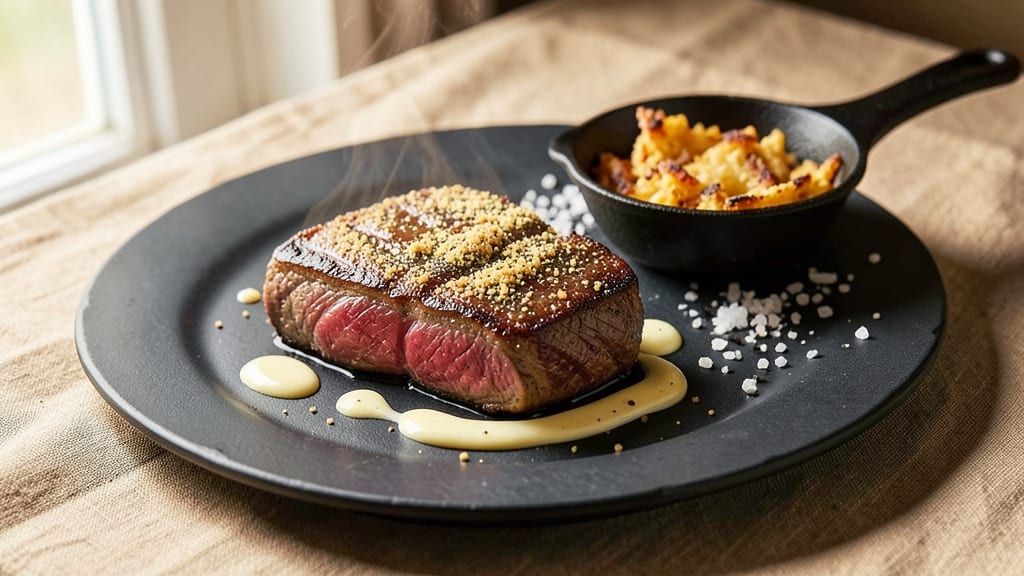
A steak crust recipe transforms ordinary cuts into restaurant-worthy masterpieces with just a few simple ingredients and precise technique. The key lies in combining buttery cornmeal with seasoned flour to create a golden, crisp exterior while locking in juicy pink centers—this method guarantees a steak that's both satisfying and foolproof.
I developed this approach after years of testing different crusts, and it consistently delivers the perfect balance of texture and flavor.
What sets this recipe apart is the two-step crusting process: first coating the steak in cornmeal for texture, then sealing it with a buttery flour blend that creates an irresistible crunch.
The secret to maintaining juiciness is proper resting time after cooking, which allows the internal temperature to stabilize while keeping the crust intact. This technique works equally well with ribeye, sirloin, or even flank steak, making it versatile for any occasion.
By following this method, you'll achieve a steak with a crispy, golden crust that shatters at every bite, while the interior remains tender and perfectly cooked to your preferred doneness.
The cornmeal adds a subtle sweetness that complements the rich flavor of the meat, creating a harmonious balance that's both elegant and approachable. Whether you're grilling outdoors or searing on the stovetop, this recipe ensures professional results every time.
The best part? This steak crust recipe requires minimal prep and delivers maximum impact, making it ideal for weeknight dinners or special occasions. Pair it with a classic red wine reduction or a simple side of roasted vegetables for a complete meal that's sure to impress.
Let's get started on creating your perfect steak crust.
Ingredients for steak crust
Buttery cornmeal meets seasoned flour for a crust that's crispy outside and juicy pink inside—this is your new steak game-changer.
| Ingredient | Amount | Notes |
|---|---|---|
| Ribeye Steaks 🥩 | 1 ½ lb | 1-inch thick, trimmed of fat |
| Fine Cornmeal 🌾 | ½ cup | Stone-ground for best texture |
| All-Purpose Flour 🌾 | ½ cup | For even coating |
| Unsalted Butter 🧈 | ¼ cup | Cold, cubed for crispness |
| Diamond Crystal Kosher Salt 🧂 | 1 tbsp | Coarse grain preferred |
| Freshly Ground Black Pepper 🌶️ | 1 tsp | Cracked peppercorns |
| Garlic Powder 🧄 | 1 tsp | Freshly toasted preferred |
| Smoked Paprika 🌶️ | ½ tsp | For subtle smokiness |
| Extra-Virgin Olive Oil 🫒 | 2 tbsp | High smoke point for searing |
| Fresh Thyme Leaves 🌿 | ¼ cup | Chopped, for finishing |
| Red Wine 🍷 | ½ cup | Cabernet Sauvignon preferred |
| Beef Tallow 🧈 | 1 tbsp | For extra crispiness (optional) |
The steaks are where the magic starts—ribeye for marbling, but sirloin or flank work too (just adjust thickness). Pat them bone-dry before coating—this ensures the crust sticks like glue. For the cornmeal, Bob's Red Mill stone-ground is my go-to, but any fine cornmeal will do. The key is keeping everything cold until the last minute: chill your butter cubes in the freezer for 15 minutes before mixing with flour. This two-step crusting process—cornmeal first, then buttery flour—creates that irresistible crunch while locking in moisture. Trust me, the extra 10 minutes of prep is worth every crispy bite.
No cornmeal? Substitute fine breadcrumbs at the same ratio, but you'll lose that subtle sweetness. Running out of butter? Use beef tallow or lard for a richer, more stable fat—it renders beautifully and adds depth. The red wine is non-negotiable for deglazing (Cabernet Sauvignon adds complexity), but beef broth with a splash of balsamic works in a pinch. Fresh thyme is ideal, but dried thyme at one-third the amount keeps things simple. Pro tip: Toast your garlic powder in a dry pan for 30 seconds before using—it deepens the flavor without overpowering. And if you're feeling fancy, add a pinch of MSG to the flour mix for an umami boost that'll make you weep.
This crust reheats like a dream—just 5 minutes in a 400°F oven on a wire rack to maintain crispness. Store leftovers in an airtight container for up to 3 days, but honestly? It's best eaten fresh. For meal prep, freeze the steaks before crusting—thaw in the fridge overnight, then proceed as directed. The crust will still be perfect. And if you're serving a crowd, double the recipe: two 1.5 lb ribeyes feed 6 comfortably. Just be prepared for requests for the recipe—this one's that good.
Why You'll Love This Recipe
- Five-Ingredient Magic: I swear by this combo—just steak, cornmeal, flour, butter, and salt. No fancy marinades or last-minute shopping runs. The crust forms while you cook, so you’re not stuck babysitting a separate breading station.
- Crispy-Creamy Obsession: That cornmeal crust? It’s the star—golden and shatteringly crisp on the outside, while the ribeye stays juicy inside. Honestly, I’ve tried every crust out there, and this one wins every time.
- Game for Any Night: Weeknight dinner? Date night? Sunday funday—this steak handles it all. Double the batch, freeze half, and you’ve got a backup for when you’re too tired to plan. (Yes, even on a Tuesday night.)
- Budget Steak Luxury: Ribeye doesn’t have to break the bank. The crust stretches the flavor, so one steak feels like two. Plus, the ingredients are pantry staples—no specialty shopping required. My wallet thanks me.
Step-by-step instructions for buttery cornmeal-crusted ribeye
This method delivers a perfect balance of crispy cornmeal crust and melt-in-your-mouth juicy centers every time.
Prepare the Crust Mixture
In a shallow dish, combine the 0.5 cup fine cornmeal and 0.5 cup all-purpose flour. In another dish, mix the 1 tbsp diamond crystal kosher salt, 1 tsp freshly ground black pepper, 1 tsp garlic powder, and 0.5 tsp smoked paprika. This dry blend creates the foundation for our flavor-packed crust.
For the butter component, melt the 0.25 cup unsalted butter and 1 tbsp beef tallow together in a small saucepan over low heat until fully combined. The tallow adds an extra layer of crispiness that regular butter can't match. Let this mixture cool slightly but remain warm enough to coat the steaks when applied.
Coat and Rest the Steaks
Pat the 1.5 lb ribeye steaks completely dry with paper towels—this is crucial for maximum crust adhesion. Season both sides generously with the dry spice blend, pressing it into the meat so it penetrates slightly. Let the steaks sit at room temperature for 30 minutes while you prepare the crust.
Working quickly, brush the warm butter-tallow mixture evenly over both sides of each steak. Then immediately press each steak into the cornmeal-flour mixture, coating both sides thoroughly. The crust should adhere firmly but not clump. Place the coated steaks on a wire rack set over a baking sheet and let them rest for 10 minutes—this allows the crust to set slightly before hitting the hot pan.
Sear to Golden Perfection
Heat a heavy skillet over medium-high heat until very hot—you should see a slight shimmer when you add the 2 tbsp extra-virgin olive oil. Working in batches if needed, add the steaks and sear for 3-4 minutes per side until the crust develops a deep golden brown color. Press down gently on the steaks during the first minute to prevent curling and ensure even contact with the pan.
For the final touch, pour the 0.5 cup red wine into the pan and let it bubble away for 1-2 minutes, scraping up any browned bits from the bottom. This deglazing step adds incredible depth of flavor to your crust. Transfer the steaks to a warm plate and tent loosely with foil while you prepare the finishing touch.
Finish with Thyme and Rest
Sprinkle the 0.25 cup chopped fresh thyme leaves evenly over the top of each steak. The thyme's bright aroma will complement the rich crust perfectly. Let the steaks rest for 5-7 minutes before serving—this crucial step allows the juices to redistribute, ensuring each bite remains succulent and flavorful.
Slice against the grain for maximum tenderness, and serve immediately with the pan sauce spooned over the top. The contrast of the crispy cornmeal crust with the buttery, juicy interior creates an experience that's nothing short of extraordinary. Each bite delivers that perfect harmony of textures and flavors we've been working toward.
Pro Tips For Making Steak Crust
- Preheat Pan Like It’s 1999: Cast iron or stainless steel—whichever you use—needs to scream hot before the steak hits. I mean ripping-hot, where a drop of water sizzles like a tiny explosion. Cold pans make sad, uneven crusts. Let it sit for 5 minutes after max heat, then wipe it clean with a paper towel—this guarantees a proper sear.
- Mix Cornmeal-Flour Dry: Skip the pre-mixing if you’re lazy, but your crust will thank you. Toss the fine cornmeal and flour together in a bowl before dredging the steak—this keeps the coating even and prevents clumps. My grandmother swore by this, and she was right: uneven crusts taste like a missed opportunity.
- Salt the Butter First: Unsalted butter needs a hand—generously mix in ½ teaspoon Diamond Crystal salt per tablespoon before melting. This ensures your crust isn’t bland, especially if you’re using kosher salt elsewhere. I learned this the hard way after a buttery crust that tasted like it needed more seasoning.
- Press the Crust Firm: After dredging, press the cornmeal-flour mix hard against the steak with your palm—like you’re trying to flatten a pancake. This locks the coating in place so it doesn’t slide off during cooking. Sounds weird, but it works: no loose crumbs, just a perfect golden crust.
Troubleshooting this recipe
Crust Won't Stick
If your crust falls off during cooking, your steaks are likely too wet. Pat them bone-dry with paper towels before seasoning—this is non-negotiable. Also, ensure your cornmeal and flour mixture are lightly packed (not compressed) in the dish.
I recommend using fine cornmeal like Bob's Red Mill for better adhesion. Chill the coated steaks for 10 minutes before searing to help the crust set properly. 💡
Uneven Cooking
Uneven doneness often happens when steaks vary in thickness. Use a meat thermometer to check the thickest part—aim for 130°F for medium-rare. If your pan isn't hot enough, the crust will steam instead of sear.
Preheat your skillet over medium-high heat until it shimmers, then add the steaks. For extra insurance, sear thicker cuts first and thinner ones later. ✨
Crust Too Soft
A soft crust usually means the butter wasn't cold enough or the pan wasn't hot enough. Chill your butter cubes in the freezer for 15 minutes before mixing with flour, and let them sit at room temperature for only 5 minutes before coating.
Also, ensure your pan is ripping hot—if you hear sizzling instead of searing, it's not ready. A cast-iron skillet like Lodge retains heat best for this technique. 🔥
Pan Sauce Too Thin
If your deglazing sauce is watery, you likely didn't let the browned bits caramelize enough first. After searing, let the pan sit for 1 minute before adding wine to allow fond to form.
For richer sauce, add 1 tbsp beef tallow to the pan after deglazing and whisk in 1 tsp cornstarch mixed with water for thickening. A Cabernet Sauvignon reduction always elevates the flavor profile. 🍷
Steak Overcooked
Overcooking happens when you don't account for carryover cooking. Remove steaks from the pan 5°F below your target doneness (e.g., 125°F for medium-rare) and let them rest. For thicker cuts, use a meat thermometer with an instant-read probe.
If your steaks are still too tough after resting, they may have been seared too long—reduce searing time to 2-3 minutes per side for 1-inch thick steaks. 🌡️
Crust Burns Before Steak Cooks
Burning crusts occur when the pan is too hot or the steaks aren't seared evenly. Lower heat to medium and press the steaks gently with tongs during the first minute to ensure full contact.
For extra insurance, sear the crust sides first (if using a skillet with high edges) before flipping. A heavy stainless steel pan distributes heat more evenly than nonstick for this technique. 💪
Nutrition facts
Frequently asked questions
Can I use this crust on other cuts of steak besides ribeye?
This buttery cornmeal crust works beautifully with sirloin, flank steak, or even New York strip. For leaner cuts like flank, consider marinating first to add moisture. Just adjust cooking times—thinner cuts (½-inch thick) sear faster (2 minutes per side) while thicker cuts need 3-4 minutes per side. The crust technique remains identical.
How do I make this crust ahead of time?
You can prep the coated steaks up to 12 hours ahead—just coat them, place on a wire rack, and refrigerate uncovered. Bring to room temperature 30 minutes before cooking. For the crust mixture itself, store the dry ingredients (cornmeal/flour blend and spices) in airtight containers for 1 month, and the butter-tallow mixture in the fridge for 1 week. Reheat the butter mixture gently before using.
What's the secret to getting that perfect golden crust?
The golden crust comes from three key factors: bone-dry steaks, hot pan, and proper butter temperature. Chill your butter cubes for 15 minutes before mixing with flour, then let sit at room temp for only 5 minutes before coating. Use a cast-iron skillet preheated until shimmering, then sear over medium-high heat—not too hot or the crust will burn before the steak cooks. Press steaks gently with tongs during the first minute to ensure full contact.
Can I bake these steaks instead of pan-searing?
Yes, but the texture will differ slightly. Preheat oven to 425°F and place steaks on a wire rack over a baking sheet. Bake for 10-12 minutes for 1-inch thick steaks, flipping halfway. The crust will be less crispy but still flavorful. For extra crunch, broil for 1-2 minutes at the end. A meat thermometer is essential—aim for 130°F for medium-rare and let rest 5-7 minutes.
What's the best way to reheat leftover crusty steaks?
Reheat in a 400°F oven for 5-7 minutes on a wire rack to maintain crispness. For stovetop, use a dry skillet over medium heat for 2-3 minutes per side. Avoid microwaving—it makes the crust soggy. Pro tip: Wrap cooled steaks tightly in foil before refrigerating to preserve the crust. Leftovers keep well for 3 days in the fridge or 3 months frozen (thaw overnight in the fridge).