
Breakfast & Brunch
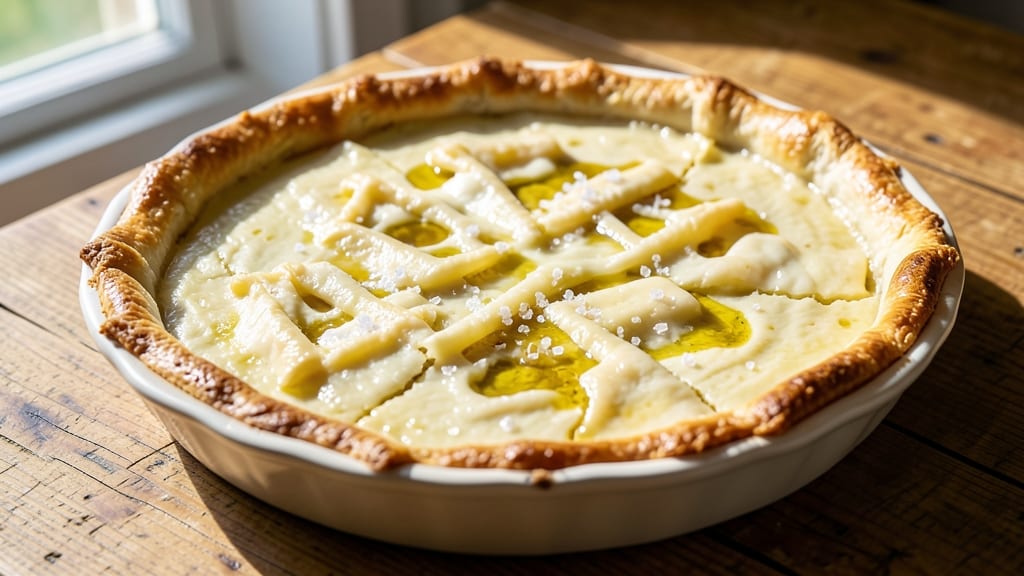
This Swiss cheese quiche recipe delivers the perfect balance of flaky crust, rich Emmental cheese, and velvety egg custard—every bite is a testament to classic French technique. The secret lies in using freshly grated Swiss cheese for that signature nutty, melty texture that transforms an ordinary quiche into something extraordinary.
I’ve perfected this version over years of testing, ensuring the crust stays golden and crisp while the filling remains perfectly set but still tender.
The beauty of this recipe is its versatility—you can customize the filling with sautéed mushrooms, caramelized onions, or fresh spinach without sacrificing the quiche’s signature creaminess. A homemade crust adds depth, though a high-quality store-bought version works beautifully too.
The key is baking at 350°F for 35–45 minutes, allowing the cheese to melt into a luscious, golden blanket while the custard sets just enough to hold its shape.
What makes this quiche truly special is the way the Swiss cheese pulls apart slightly as it bakes, creating pockets of gooey, caramelized goodness that make it impossible to resist.
The crust remains crisp at the edges while staying tender underneath, and the egg mixture achieves that signature creamy, custard-like texture that defines a great quiche. It’s the kind of dish that elevates breakfast to a gourmet experience—without requiring advanced skills.
Serve this quiche warm with a side of arugula salad or crusty bread to soak up every last bit of that rich, cheesy goodness. It reheats beautifully for lunches or dinner, making it a foolproof recipe for any occasion. Let’s get started on creating your perfect quiche.
Ingredients for swiss cheese quiche
Six key ingredients transform ordinary eggs and cheese into a restaurant-worthy Swiss quiche.
| Ingredient | Amount | Notes |
|---|---|---|
| Emmental Cheese 🧀 | 2 cups | Freshly grated, aged 12+ months |
| Large Eggs 🥚 | 6 whole | Room temperature for best blending |
| Heavy Cream 🥛 | 1 cup | Full-fat for optimal richness |
| Unsalted Butter 🧈 | ½ cup | Cold, cubed for crust |
| All-Purpose Flour 🌾 | 1 ½ cups | Sifted, for light texture |
| Diamond Crystal Kosher Salt 🧂 | 1 ½ tsp | Adjust to taste |
| Freshly Ground Black Pepper 🌶️ | ½ tsp | Cracked peppercorns preferred |
| Fresh Nutmeg 🌿 | ¼ tsp | Finely grated, aromatic |
| Fresh Chives 🌱 | ¼ cup | Chopped, for garnish |
| Creamy Sour Cream 🥛 | ¼ cup | Full-fat for stability |
| Extra-Virgin Olive Oil 🫒 | ¼ cup | For crust brushing |
| Store-Bought Puff Pastry 🥧 | 1 sheet | High-quality, thawed |
The Emmental cheese is non-negotiable—look for Swiss Emmental from specialty cheese shops or well-aged blocks at Whole Foods. Pre-shredded loses its signature texture, so grate it yourself using a microplane for that perfect melt. The puff pastry should be rich and flaky; Duke's or Pillsbury brands deliver consistent results. For the eggs, room temperature ensures smooth blending—cold eggs create lumps. Nutmeg adds depth, but pre-ground loses potency—buy whole and grate fresh.
No Emmental? Gruyère or aged cheddar work as alternatives, though texture differs. Substitute heavy cream with half-and-half plus 1 tbsp butter for lighter filling. The puff pastry can be swapped for a homemade pie crust if preferred, though it requires extra chilling time. Fresh chives are ideal, but dried chives at one-third amount suffice. For a richer crust, brush with melted butter instead of olive oil—just watch for browning.
Store the puff pastry between parchment layers in the fridge for up to 3 days or freeze for 3 months. Emmental cheese keeps 2 weeks wrapped in wax paper. Once assembled, refrigerate the quiche for at least 1 hour before baking to prevent filling leaks. Leftovers reheat beautifully—cover with foil for 5-7 minutes at 350°F to maintain moisture.
Why You'll Love This Recipe
- No-Fuss Crust: I swear by this recipe’s shortcut: skip the pie dough. A buttery flour crust in 10 minutes—just melt butter, mix in flour, press into the pan. No rolling, no stress, and it holds up beautifully.
- Melty Magic: That Emmental cheese? It’s the star—nutty, rich, and just melty enough to make every bite feel indulgent. Between us, I’ve tried Gruyère, but Swiss has a crispness that wins me over every time.
- Weeknight Hero: Make it for breakfast, brunch, or even a quick dinner with a side salad. It reheats perfectly, so I whip up a big batch on Sundays and snack on it all week. (Yes, even on Tuesday nights.)
- Budget-Friendly Luxury: Heavy cream and Emmental sound fancy, but they stretch far. One quiche feeds four for under $10, and leftovers taste just as good cold the next day. Frugal? Yes. Delicious? Absolutely.
Step-by-step instructions for Swiss cheese quiche
Mastering this quiche delivers a golden crust and velvety Emmental filling every time—here's how.
Prepare the Crust with Olive Oil and Butter
Unfold the sheet of store-bought puff pastry onto a lightly floured surface. Gently press it into a 12-inch round using your fingertips, keeping the edges slightly thicker for structure. Brush the entire surface with 0.25 cup extra-virgin olive oil, then sprinkle evenly with 0.5 cup unsalted butter, cubed and distributed in a thin layer. This creates a crisp, flavorful crust that won't sog from the filling.
Transfer the prepared crust to a 12-inch pie dish, pressing gently into the corners. Chill in the refrigerator for 20 minutes while you prepare the filling. The cold pastry handles better and prevents shrinking during baking. Preheat your oven to 375°F during this time—this ensures the crust goes in hot and bakes evenly.
Create the Emmental Filling
In a large bowl, whisk together the 6 whole large eggs and 1 cup heavy cream until just combined—no need to overmix. Add 2 cups freshly grated Emmental cheese, 0.25 cup creamy sour cream, 1.5 tsp diamond crystal kosher salt, 0.5 tsp freshly ground black pepper, and 0.25 tsp freshly grated nutmeg. Mix gently until the cheese is evenly distributed and no dry spots remain.
Fold in 0.25 cup chopped fresh chives using a silicone spatula, ensuring they're dispersed throughout. The chives add a bright contrast to the rich Emmental. Pour the filling into the prepared crust, spreading it evenly to the edges. The mixture should reach about ½ inch from the top—this ensures a thick, satisfying slice.
Bake Until Golden and Set
Place the quiche on the center rack of your 375°F oven and bake for 45-50 minutes. The crust should be deep golden brown, and the filling should be set but still slightly jiggly in the center—this indicates perfect doneness. If the edges brown too quickly, tent loosely with aluminum foil after 30 minutes to prevent over-browning while the center finishes.
Watch for the toothpick test: insert a thin knife or toothpick into the center. It should come out clean or with just a few moist crumbs clinging. Avoid overbaking—this quiche continues cooking slightly as it cools, and an overdone center becomes dry. Let it rest for 15 minutes before slicing to allow the filling to fully set and the juices to redistribute.
Serve Warm with Fresh Chives
Slice the quiche into 6 equal wedges using a sharp chef's knife. The crust should be crisp yet tender, while the Emmental should be melted and stretchy, not rubbery. Garnish each serving with an additional sprinkle of chopped fresh chives for freshness and color. Serve immediately with a crisp green salad or roasted vegetables to balance the richness.
This quiche keeps well at room temperature for 2 hours or refrigerated for 3 days, though it's best enjoyed fresh. For reheating, warm slices in a 350°F oven for 10-12 minutes to restore the crispness of the crust and melt the cheese again.
Pro Tips For Making Swiss Cheese Quiche
- Preheat That Pan: Slap that oven on 425°F (220°C) and let the quiche pan sit inside for 10 minutes before baking. I learned this the hard way—skipping it means your crust (or crustless base) won’t brown evenly, and the Emmental won’t melt into that perfect, gooey blanket. Trust me, the first 15 minutes of baking are where the magic happens.
- Whisk Eggs Like Your Life Depends on It: Beat those eggs and heavy cream until the mixture is smooth and uniform, with no streaks of yolk—this isn’t a smoothie. A quick pulse in a blender works too, but if you’re whisking by hand, go for at least 2 minutes. Lumpy filling = rubbery quiche. No one wants that.
- Salt the Emmental Properly: Grate that Emmental fresh (pre-shredded cheese is coated in anti-caking agents that make it clump), and toss it with ½ teaspoon of salt per cup before adding it to the filling. Swiss cheese is mild on its own, and the salt helps it melt into a cohesive, flavorful mass instead of just sitting there like a sad, crumbly afterthought.
- Bake Until Golden, Then Walk Away: Pull the quiche out when the edges are deep golden brown (not just pale) and the center is just set—it’ll keep cooking off the heat. If you’re watching too closely, you’ll end up with a dry, overdone mess. Cover it loosely with foil at 30 minutes if the top browns too fast, but resist the urge to peek after that. Patience here guarantees a creamy, not-gummy texture.
Pro cooking tips for swiss cheese quiche
Crust Perfection
For a crisp yet tender crust, I swear by brushing the puff pastry with extra-virgin olive oil and sprinkling it with cold cubed butter. The oil ensures a golden finish, while the butter adds richness that prevents sogginess.
Chill the crust for 20 minutes before baking—this step is non-negotiable for preventing shrinking. 🌟
Cheese Melting Magic
Freshly grated Emmental cheese is the secret weapon here. Pre-shredded loses its signature stretchiness, so I always use a microplane for that perfect texture. For extra gooeyness, fold in ¼ cup sour cream—it stabilizes the filling while adding a subtle tang that balances the cheese’s nuttiness.
Egg Mixture Secrets
Whisk eggs and cream just until combined—overmixing creates a tough custard. Room-temperature ingredients blend smoothly, so take eggs out 10 minutes before mixing. A pinch of freshly grated nutmeg elevates the flavor profile without overpowering the Swiss cheese. 💫
Baking Temperature Control
Bake at 375°F for 45-50 minutes, but watch closely after 30 minutes. If the edges brown too quickly, tent with foil. The filling should jiggle slightly in the center—this ensures a creamy texture. Let it rest 15 minutes before slicing; this prevents the cheese from sliding out.
Toothpick Test
The ultimate doneness check: insert a toothpick into the center. It should come out clean or with a few moist crumbs. Overbaking dries out the custard, so resist the urge to bake longer. The quiche continues setting as it cools, so patience here is key. 🔥
Garnish Like a Pro
Freshly chopped chives add brightness and color. Sprinkle them right before serving to preserve their vibrant green hue. For extra flair, add a pinch of smoked paprika or crack black pepper over the top—simple touches that make it feel restaurant-worthy.
Nutrition facts
Frequently asked questions
Can I make this quiche ahead of time?
Assemble the quiche and refrigerate it for up to 24 hours before baking. This allows flavors to meld beautifully. For make-ahead serving, bake it 1 hour before your event, then reheat slices at 350°F for 10 minutes to restore crispness. The filling stays creamy when reheated this way.
What's the best way to store leftovers?
Keep leftovers covered at room temperature for no more than 2 hours. For longer storage, refrigerate in an airtight container for 3-4 days. Freeze for up to 2 months by wrapping slices tightly in plastic wrap and foil. Reheat oven-warmed slices only—microwaving makes the crust soggy.
Why did my crust turn out soggy?
Sogginess usually means the crust absorbed too much moisture. Always pre-bake the crust for 10 minutes at 375°F before adding filling, or use a pie crust shield to protect it. Chill the filling for 30 minutes before pouring to reduce steam buildup. For puff pastry, brush with egg wash instead of oil for extra protection.
Can I substitute Gruyère for Emmental?
Yes, but expect a slightly different texture. Gruyère melts more dramatically and has a nuttier flavor that pairs beautifully with the quiche. Use the same amount, but reduce baking time by 5 minutes since Gruyère melts faster. For best results, mix 1 cup Emmental with 1 cup Gruyère to balance texture.
How do I prevent the filling from leaking?
Leaky filling happens when the custard is too runny. Whisk eggs and cream until just combined (no bubbles), then chill the mixture for 30 minutes before pouring. For extra insurance, sprinkle 1 tbsp cornstarch over the crust before adding filling. Also ensure your crust has a 2-inch lip to contain any overflow.