Soups & Stews
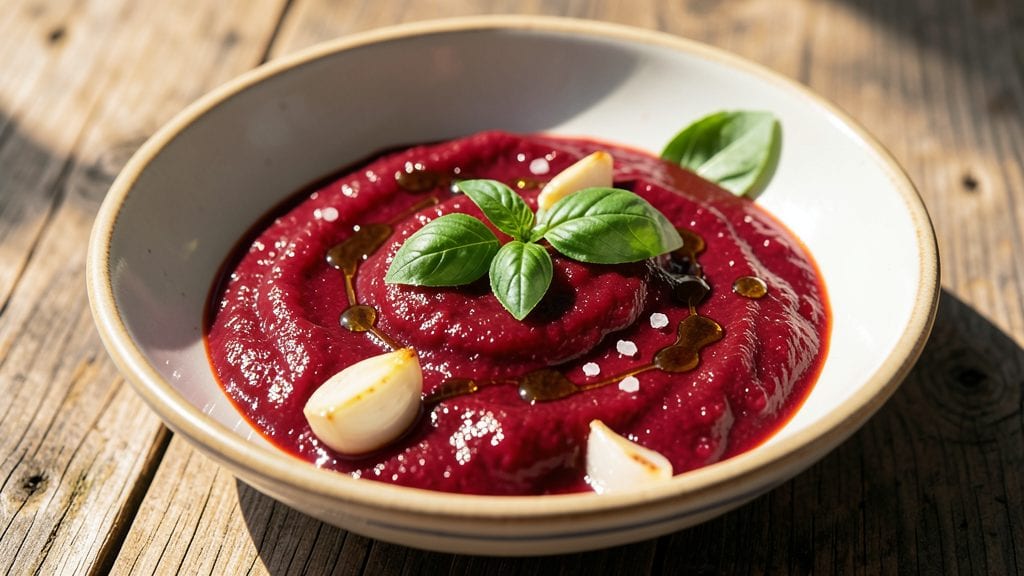
This tomato coulis recipe transforms simple ingredients into a velvety, versatile sauce that elevates everything from pasta to pizza. The secret lies in blending ripe tomatoes with a touch of acid and seasoning, then straining for an impossibly smooth texture that's perfect for both cooking and garnishing.
What makes this coulis truly special is its simplicity—just five ingredients and a few minutes of prep time. The key is using perfectly ripe tomatoes (or canned for consistency) and balancing acidity with a splash of vinegar or lemon juice. This ensures the sauce remains bright and flavorful, not overpowering.
You'll end up with a rich, smooth tomato sauce that's ideal for drizzling over bruschetta, mixing into pasta, or using as a dip base. The texture is silky yet substantial, with just enough body to cling to food without being heavy.
It's the kind of sauce that makes even simple meals feel like a restaurant-quality experience.
Store any leftovers in the refrigerator for up to five days, or freeze for longer shelf life. This coulis is equally at home as a quick weeknight sauce or a sophisticated garnish for gourmet dishes. Let's make it—your taste buds will thank you.
Ingredients for tomato coulis
Five ingredients blend into a silky sauce that transforms any dish instantly.
| Ingredient | Amount | Notes |
|---|---|---|
| Ripe Tomatoes 🍅 | 2 lbs | Fresh or canned San Marzano preferred |
| Extra-Virgin Olive Oil 🫒 | ¼ cup | High-quality, fruity variety |
| White Wine Vinegar 🍷 | 2 tbsp | Balances sweetness of tomatoes |
| Garlic Cloves 🧄 | 2 cloves | Peeled, lightly crushed |
| Fine Sea Salt 🧂 | ½ tsp | Adjust to taste |
| Fresh Basil Leaves 🌿 | ¼ cup | Optional, for brightness |
| Granulated Sugar 🍬 | 1 tsp | Balances acidity |
Tomatoes are the foundation—ripe, vine-soft ones yield the best texture. San Marzano canned tomatoes work perfectly if fresh aren't in season, but avoid chunky varieties. For maximum flavor, roast whole tomatoes at 400°F for 20 minutes before blending. The olive oil should be high-quality, fruity—none of that cheap cooking oil. Garlic cloves can be peeled ahead and stored in the fridge for up to a week, saving prep time during cooking. Fresh basil adds a bright finish, but dried oregano at one-third the amount works in a pinch.
No white wine vinegar? Lemon juice or apple cider vinegar are excellent substitutes. The sugar is optional but recommended—it helps balance the acidity from the vinegar, especially if using tart tomatoes. For a more intense flavor, add a pinch of red pepper flakes. If you prefer a thicker coulis, simmer the blended mixture for 5-10 minutes to reduce. For a smoother texture, strain through a fine-mesh sieve after blending. The sauce should be velvety but still have enough body to cling to food.
This coulis keeps beautifully in the fridge for up to 5 days, stored in an airtight container with a thin layer of olive oil on top to preserve freshness. For longer storage, freeze in ice cube trays—perfect for single-use portions. The sauce thickens slightly when chilled, so thin with a splash of water or broth if needed. If using canned tomatoes, drain them well to avoid a watery sauce. Always taste and adjust seasoning before serving—this sauce is highly versatile and can be tailored to your preference.
Why You'll Love This Recipe
- No-Chop Necessary: I’ll admit, I used to dread peeling tomatoes—until I realized you can just blanch them whole. Toss in a pot, peel off the skins, and blend. Done. The vinegar and olive oil do all the heavy lifting while you sip your coffee.
- Garlic-Vinegar Magic: That bright, tangy hit from the white wine vinegar cuts through the tomato’s sweetness, and the raw garlic? It’s like a little flavor bomb. One taste and you’ll understand why this isn’t just a sauce—it’s a moment in every bite.
- Pantry-to-Plate Flex: This coulis turns any dull dish into something special. Drizzle it over grilled fish for a restaurant-worthy finish, swirl it into pasta water for extra richness, or serve it chilled as a dip with crusty bread. I’ve used it for all three—no regrets.
- Leftovers That Last: Make a big batch (it keeps for weeks in the fridge) and thank me later. Freeze it in ice cube trays for single-serving portions—perfect for when you’re too tired to cook but still want flavor. Honestly, it’s my lazy-day secret weapon.
Step-by-step instructions for tomato coulis
Mastering this silky smooth sauce delivers restaurant-quality results every time.
Prepare the Tomatoes
Begin by halving the 2 lbs ripe tomatoes crosswise and removing the cores. I like to work with vine-ripened varieties—they're sweeter and yield a richer coulis. Place the tomatoes in a medium saucepan and add 1 teaspoon granulated sugar. This small amount helps balance the natural acidity of the tomatoes as they cook.
Bring the tomatoes to a simmer over medium-high heat, then reduce to medium-low heat and cook uncovered for 15-20 minutes. You're looking for the tomatoes to break down into a chunky purée, with their juices released. Stir occasionally to prevent sticking—this ensures even cooking and prevents any browned bits from forming at the bottom.
Strain and Season
Once the tomatoes are completely softened and their juices have thickened slightly, transfer the mixture to a fine-mesh strainer set over a large bowl. Press gently but firmly with a wooden spoon to extract all the liquid and pulp, leaving behind the skins and seeds. This step is crucial for achieving that signature smooth texture—don't rush it, as thorough straining prevents gritty bits in your final sauce.
Return the strained tomato mixture to the saucepan and add 2 tablespoons white wine vinegar and ½ teaspoon fine sea salt. The vinegar brightens the flavor while balancing the sweetness, and the salt enhances all the natural flavors. Bring the mixture to a gentle simmer over medium heat and cook for 5 minutes, stirring occasionally. This allows the flavors to meld together perfectly.
Incorporate Aromatics
While the tomato mixture simmers, add the 2 peeled and lightly crushed garlic cloves to the saucepan. The gentle crushing releases the garlic's flavor without making it bitter. Let the mixture simmer for an additional 2 minutes, just until the garlic is fragrant but not browned. Remove the pan from heat and let it cool slightly for 3-5 minutes—this prevents the basil from wilting when added.
Add the ¼ cup fresh basil leaves and stir gently. The basil should infuse the sauce with its bright, aromatic qualities while maintaining its freshness. If you prefer a stronger basil flavor, you can finely chop the leaves before adding them. Cover the saucepan and let the coulis steep for 10 minutes at room temperature—this allows the basil to fully integrate its flavor without overpowering the delicate tomato taste.
Finish with Olive Oil
After the basil has infused, carefully pour in the ¼ cup extra-virgin olive oil while whisking continuously. The olive oil should be at room temperature—this ensures it emulsifies smoothly with the tomato mixture, creating a velvety texture. The sauce should now have a glossy sheen and a silky consistency. If you find the coulis too thick, thin it with 1-2 tablespoons of water while whisking vigorously.
Taste the coulis and adjust the seasoning if needed. You might need a touch more salt or vinegar to balance the flavors perfectly. Transfer the coulis to a clean jar or airtight container and let it cool to room temperature. This sauce keeps well in the refrigerator for up to 5 days—it's perfect for drizzling over pasta, pizza, or using as a dip for crusty bread.
Pro Tips For Making Tomato Coulis
- Blister, Don’t Burn: DESCRIPTION: Garlic cloves should sizzle and turn golden in 30 seconds—any longer, they turn bitter. If your pan’s too hot, lower the heat and give them space; crowding them steams instead of crisps.
- Peel Tomatoes First: DESCRIPTION: Drop halved tomatoes in boiling water for 30 seconds, then ice bath—skins slide off effortlessly. No one wants to strain seeds and pulp through unpeeled skins later.
- Strain Twice: DESCRIPTION: First pass through a fine-mesh sieve removes big chunks; second pass through a cheesecloth catches the last of the grit. Lazy straining? Your coulis will taste like it went through a blender, not a food mill.
- Salt Last: DESCRIPTION: Taste before adding salt—tomatoes vary wildly in acidity. A splash of vinegar first balances sweetness, so you don’t overdo it later. (I’ve ruined batches by salting early.)
Wine and beer pairings for these flavors
Light Italian Whites
This silky tomato coulis pairs beautifully with crisp, acid-driven Italian whites that mirror its bright tomato and basil notes. My go-to is a Vermentino from Sardinia—its citrusy, mineral-driven profile cuts through the richness while enhancing the coulis's natural sweetness.
The 12-14% alcohol content ensures it won't overpower the dish, while the wine's slight salinity complements the tomato's umami depth. 🍷
Crisp Rosé Options
For a refreshing contrast, try a dry Provence rosé like Whispering Angel or Château d'Esclans. These wines offer delicate red fruit notes and a crisp finish that harmonize with the coulis's acidity.
Their light body and 12-13% alcohol make them perfect for warm weather meals where you're using coulis as a drizzle or dip. The subtle floral aromas also echo the basil in the sauce.
Light-Bodied Reds
If you prefer red wine, opt for a Chianti Classico or Sangiovese-based blend with moderate tannins. The wine's cherry and herbal notes pair wonderfully with the tomato's acidity, while its 13-14% alcohol provides enough structure.
I recommend decanting for 15-20 minutes to soften the tannins and let the wine breathe before serving. Avoid heavy Cabernets—they'll overpower the delicate coulis.
Beer Pairings
For beer lovers, a crisp Italian lager like Peroni or Moretti is ideal—its clean, effervescent profile cleanses the palate between bites. For a more adventurous choice, try a Belgian witbier with its citrusy notes and subtle spice.
The beer's 4.5-5% ABV keeps it light enough to complement the coulis without competing. Serve both at 45-50°F for optimal flavor.
Non-Alcoholic Options
For non-alcoholic pairings, a sparkling blood orange soda like San Pellegrino Aranciata adds effervescence that mirrors the coulis's brightness. Alternatively, try a cucumber-mint infused water with a splash of lemon juice—the cooling mint contrasts beautifully with the warm tomato flavors.
For a more substantial option, serve with garlic bread and a simple olive oil drizzle**.
Nutrition facts
Frequently asked questions
Can I make tomato coulis without a blender?
If you don't have a blender, use a food mill or fine-mesh sieve to press the cooked tomatoes. For an even smoother texture, simmer the strained pulp for 10-15 minutes to break it down naturally. The result will be slightly thicker but still delicious.
How do I adjust the thickness of my tomato coulis?
For a thicker coulis, simmer the strained mixture uncovered for 5-10 minutes to reduce the liquid. For a thinner consistency, whisk in 1-2 tablespoons of water or broth while warm. The ideal texture should coat the back of a spoon but still be pourable.
Can I use canned tomatoes for this recipe?
Yes! San Marzano canned tomatoes work perfectly—they're sweet, meaty, and free from seeds/skins. Drain them well before using to avoid a watery coulis. For extra flavor, add 1 extra tablespoon of vinegar since canned tomatoes are often more acidic.
What are the best ways to use leftover tomato coulis?
Drizzle it over pasta, bruschetta, or grilled meats for instant flavor. Use it as a base for soup, stew, or pizza sauce. Freeze in ice cube trays for single-use portions. The coulis also makes a fantastic dipping sauce for bread or veggie sticks.
Why did my tomato coulis turn out bitter?
Overcooking tomatoes releases bitter compounds. Simmer for only 15-20 minutes and avoid boiling. The vinegar balance might need adjustment too—try adding 1 extra teaspoon if bitterness persists. Fresh basil helps mask bitterness, so don't skip it!