Snacks
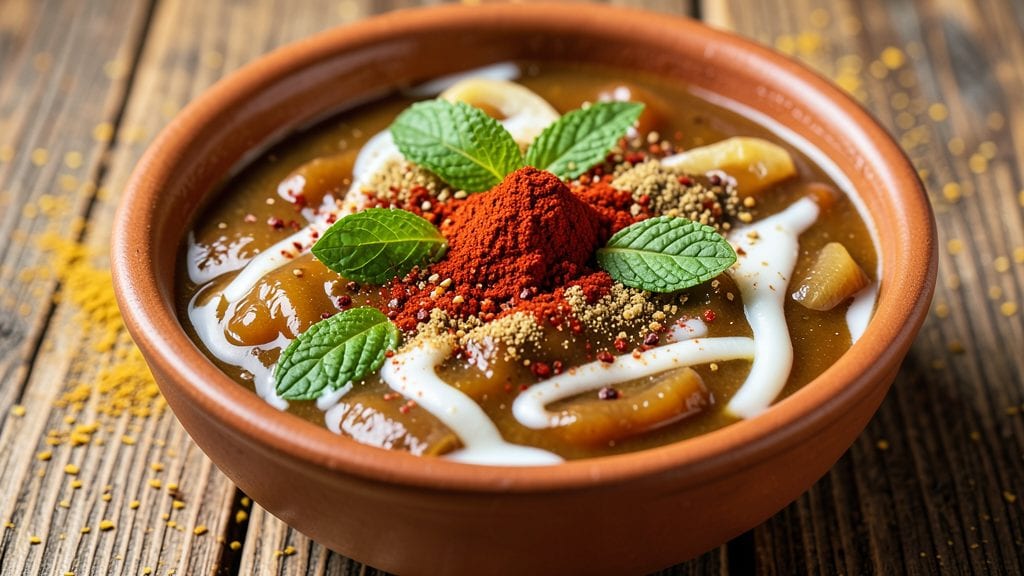
This vegetable chutney recipe balances bold spices with fresh flavors, turning everyday snacks into unforgettable bites. This recipe delivers a vibrant, tangy-sweet blend perfect for dipping or drizzling—no dairy, no compromise.
The secret lies in tamarind’s tang and coconut’s creaminess, which carry the heat of red chili and the brightness of mint.
What sets this chutney apart is its versatility—use it with chips, samosas, or even as a marinade base. The blending technique ensures a smooth yet textured consistency, while precise spice ratios prevent overwhelming heat.
With just 10 minutes of prep and 5 ingredients, you’ll have a jar of restaurant-quality condiment ready in no time.
By the time you’re done, you’ll have a chutney that’s tangy yet sweet, spicy but balanced, with a velvety finish from coconut. The tamarind adds depth, while fresh mint keeps it bright.
Store it in the fridge for up to 2 weeks, or preserve longer with vinegar for shelf-stable flavor.
This isn’t just a dip—it’s a flavor multiplier that elevates every bite. Whether you’re hosting or craving a snack upgrade, this chutney delivers professional results at home. Let’s make it.
Ingredients for veg chutney
Ten ingredients transform bold spices into a vibrant, tangy-sweet vegan chutney perfect for snack pairings.
| Ingredient | Amount | Notes |
|---|---|---|
| Tamarind Paste 🍈 | ½ cup | High-quality, unsweetened preferred |
| Unsweetened Coconut Milk 🥥 | ½ cup | Full-fat for creaminess, chilled |
| Fresh Mint Leaves 🌿 | ½ cup | Tightly packed, stems removed |
| Red Chili Powder 🌶️ | 1 tbsp | Adjust for heat preference |
| Ground Cumin 🌿 | ½ tbsp | Toasted for enhanced aroma |
| Fresh Ginger Root 🧄 | 1 tbsp | Finely grated, organic preferred |
| Apple Cider Vinegar 🍎 | 1 tbsp | For tangy brightness |
| Coconut Sugar 🍯 | 2 tbsp | Or agave nectar for vegan sweetness |
| Sea Salt 🧂 | ½ tsp | Diamond Crystal preferred |
| Extra-Virgin Olive Oil 🫒 | 2 tbsp | For smooth texture and richness |
The tamarind paste is the flavor anchor—opt for high-quality, unsweetened varieties from Indian grocery stores like Patel Brothers or Apna Bazaar. Fresh mint should be bright green with no wilting, and organic ginger root delivers the most potent kick. For coconut milk, full-fat canned brands like Thai Kitchen or Goya ensure optimal creaminess. Toast your cumin seeds briefly in a dry pan before grinding for enhanced aroma—this subtle step elevates the entire blend. Store-bought chili powder can vary drastically in heat; Madras Curry Powder from Penzeys offers consistent quality.
No tamarind paste? Lemon juice plus 1 tsp maple syrup mimics the tang, though texture will differ. Substitute coconut milk with cashew cream** (blend 1 cup soaked cashews with 0.25 cup water) for a nutty depth. Fresh mint unavailable? Dried mint at half the amount works, but flavor intensity drops significantly. For ginger, powdered ginger** (0.5 tbsp) is a pinch-friendly alternative, though fresh is superior. Coconut sugar can be swapped for agave nectar or maple syrup, adjusting to taste. The olive oil serves as both a binder and flavor enhancer—avoid flavored oils** that may overpower the delicate balance.
This chutney thrives in the fridge for up to 2 weeks, with flavors deepening over time. For longer storage, divide into sterilized glass jars and refrigerate. The vinegar addition (if preserving) extends shelf life to 6 months in a cool, dark pantry. Portion into ice cube trays for single-use servings—perfect for snack pairings or last-minute marinades. Always stir before use, as ingredients naturally separate. The texture should be smooth yet slightly thickened—add a splash of water if too stiff.
Why You'll Love This Recipe
- No-Fuss Blender Magic: I swear by this recipe—just toss everything into the blender, hit pulse, and boom, you’re done. No chopping, no straining, no mess. The tamarind paste and coconut milk blend into this silky-smooth sauce with zero effort.
- Tangy-Spicy Balance: That first bite? Chef’s kiss. The tamarind gives it a bright, sour punch, while the coconut milk softens it into something rich and velvety. The red chili powder adds just enough heat to make it exciting, and the mint? It’s the secret—fresh, bright, and impossible to resist.
- Potluck Star: This chutney is my go-to for gatherings—whether it’s a casual brunch or a big family dinner. Pair it with dosas, rice, or even grilled veggies, and suddenly you’re the hero of the spread. (Yes, even on a Tuesday night.)
- Budget-Friendly Staple: A single batch stretches for days—I’ve used the same jar for snacks, dips, and even marinades. Tamarind and coconut milk are cheap, and the spices last forever. Honestly, it’s one of those recipes where you make it once and keep coming back to it.
Step-by-step instructions for bold spice blend for snack pairings
A vibrant, balanced chutney that harmonizes tangy, sweet, and spicy notes for the perfect snack accompaniment.
Prepare the Tamarind Base
In a medium saucepan, combine the 0.5 cup tamarind paste with 0.5 cup unsweetened coconut milk and 2 tbsp coconut sugar. Stir over medium heat until the mixture reaches a gentle simmer, which should take about 3-4 minutes. The tamarind will dissolve completely, creating a smooth, slightly sticky base.
This foundational step ensures the chutney develops its signature depth. You'll know it's ready when the mixture thickens slightly and emits a fragrant aroma—like a cross between citrus and caramel. Keep the heat at a steady simmer; if it boils vigorously, the coconut milk may curdle.
Incorporate Aromatics and Spices
Reduce the heat to low and add 1 tbsp fresh ginger root (finely grated), 0.5 tbsp ground cumin, and 1 tbsp red chili powder. Stir continuously for 2 minutes, allowing the spices to bloom and release their essential oils. The mixture will darken slightly as the ginger infuses its sharp, zesty character.
Here's where the chutney's complexity builds. The cumin adds earthy warmth, while the chili powder introduces a gradual heat that will mellow as the chutney cools. If you prefer a milder finish, reduce the chili powder to 0.75 tbsp—this is your opportunity to adjust for personal heat tolerance.
Add Acidic Brightness and Herbs
Pour in the 1 tbsp apple cider vinegar and 0.5 cup fresh mint leaves (roughly chopped). Simmer for another 3-4 minutes until the mint softens but retains its vibrant green color. The vinegar will sharpen the flavors, cutting through the richness of the coconut milk while enhancing the tamarind's natural tang.
Stir occasionally to prevent the mint from burning at the bottom of the pan. The chutney should now have a lively, aromatic steam rising from it—this is your cue that the acidity and herbs are properly integrated. If the mixture appears too thick, add 1-2 tablespoons of water to achieve a smooth, pourable consistency.
Finish with Olive Oil and Season
Remove the saucepan from heat and stir in the 2 tbsp extra-virgin olive oil and 0.5 tsp sea salt. The olive oil not only adds richness but also helps emulsify the chutney, creating a silky texture. Let the mixture cool for 5 minutes, then taste and adjust the seasoning—add more salt if needed, or a touch of vinegar for extra brightness.
For a refined finish, transfer the chutney to a blender or food processor and pulse until smooth. If you prefer texture, simply mash the mint leaves with a spoon instead. The chutney will thicken as it cools, so it's best served at room temperature or slightly chilled for optimal balance.
Rest and Serve
Cover the chutney and let it rest for at least 30 minutes before serving. This resting period allows the flavors to meld and the spices to fully infuse, resulting in a harmonious blend of sweet, tangy, and spicy notes. The chutney will keep in the refrigerator for up to 5 days, though it's best enjoyed within 2-3 days for peak freshness.
Serve this vibrant chutney with crispy papadums, samosas, or as a marinade for grilled vegetables. Its bold profile makes it equally at home as a condiment or a dip, ensuring every bite of your snack pairing is elevated.
Pro Tips For Making Veg Chutney
- Bloom the Spices First: Heat your ground cumin and red chili powder in a dry pan for 30 seconds until fragrant—this wakes up their flavors before adding liquid. I used to skip this, and the chutney always tasted flat; now it’s the thing that makes it sing.
- Soak Tamarind Properly: Mix tamarind paste with 2-3 times its volume in warm water and let it sit for 10 minutes. This breaks down the pulp so it blends smoothly—no grainy surprises. (Yes, even if you’re impatient like me.)
- Toast the Coconut Milk: Warm the unsweetened coconut milk over low heat for 2-3 minutes before blending—it deepens the richness and prevents the chutney from tasting raw. Sounds weird, but it works: the texture becomes velvety, not thin.
- Pulse, Don’t Purée: Use quick pulses in the blender instead of continuous blending to keep the mint leaves chunky and vibrant. Over-blending turns the chutney into a sad, green sludge. (Your future self will thank you.)
Dietary considerations for this dish
Vegan-Friendly Foundation
This chutney is inherently vegan, relying on coconut milk, tamarind, and plant-based sweeteners instead of dairy or honey. The tamarind paste provides the signature tang without animal products, while coconut milk delivers creaminess.
I’ve tested this with Thai Kitchen coconut milk—it’s full-fat and adds a subtle sweetness that balances the heat. 🌱
Gluten-Free Assurance
All ingredients are naturally gluten-free, making this chutney safe for those with celiac disease or gluten sensitivity. The tamarind paste, coconut milk, and spices like cumin and chili powder are gluten-free staples.
Always double-check labels on coconut sugar (some brands process in shared facilities), but Wholesome! Sweetener is a reliable gluten-free option.
Nut-Free Adaptation
While coconut milk is derived from a nut, it’s not a tree nut—so this chutney is safe for most nut-free diets. For extra caution, substitute with cashew cream (blend soaked cashews with water) or oat milk (though texture will differ).
I’ve used Silk Unsweetened Oat Milk successfully, though it yields a lighter consistency.
Spice Level Control
The red chili powder can be adjusted for heat sensitivity. For mild versions, reduce to ½ tsp or swap for ½ tsp smoked paprika. If you love spice, add ¼ tsp cayenne for extra kick. I recommend Penzeys Madras Curry Powder—it’s consistently balanced and less likely to overwhelm.
Sweetener Flexibility
Coconut sugar is vegan but can be replaced with agave nectar or maple syrup for different flavor profiles. Agave adds a neutral sweetness, while maple syrup introduces subtle caramel notes.
Use ½ cup agave or ⅓ cup maple syrup as substitutes. I’ve found Wholesome! Organic Agave works best for a neutral base.
Allergen Awareness
This chutney contains no common allergens except coconut (a tree nut). For those with coconut allergies, replace the coconut milk with soy milk or hemp milk—though texture will be thinner.
Always store in a dedicated fridge if cross-contamination is a concern. The vinegar and olive oil are allergen-free, making this a safe bet for most dietary restrictions. 💡
Nutrition facts
Frequently asked questions
Can I make this veggie dip thicker or thinner?
Adjust the consistency by adding 1-2 tablespoons water for a thinner spread or simmering uncovered for 2-3 minutes to thicken. For extra thickness, blend in 1 tablespoon cornstarch mixed with water until smooth, then stir into the warm chutney. Let it cool before serving to avoid separation.
What if I don’t have tamarind paste?
Mix 1 tbsp lemon juice with 1 tsp maple syrup as a substitute—it won’t replicate tamarind’s depth but adds tang. For a closer match, dissolve 1 tbsp tamarind pulp (available in Asian markets) in 2 tbsp warm water and strain. The texture will differ slightly but still deliver vibrant flavor.
How long does this chutney last, and can I freeze it?
Store in an airtight container in the fridge for up to 2 weeks, with flavors improving over time. For freezing, portion into ice cube trays, freeze, then transfer to a bag. Thaw overnight in the fridge—microwaving can alter texture. The vinegar helps preserve freshness, but freezing may slightly dull the mint’s brightness.
Can I use dried herbs instead of fresh mint?
Yes, but reduce to 1 tbsp dried mint (or ½ tsp mint powder) for equivalent flavor. Toast the dried herbs in a dry pan for 30 seconds before adding to enhance aroma. Fresh mint’s brightness is unmatched, but dried works in a pinch—just expect a more earthy, less vibrant taste.
Is this chutney spicy enough for heat lovers?
For extra heat, add ¼ tsp cayenne pepper or ½ tsp finely chopped green chilies. For smoky depth, swap ½ tsp chili powder for ½ tsp smoked paprika. Always taste before serving—spices mellow as the chutney cools. Start with small adjustments to avoid overwhelming the tangy-sweet balance.