Main Courses
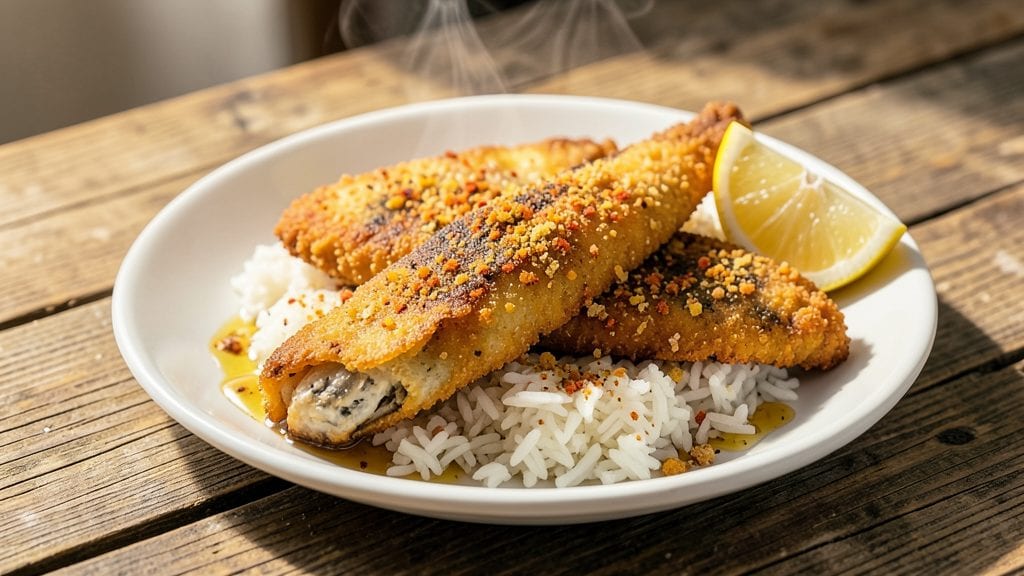
Mastering Zatarain's fried catfish recipe transforms a simple weeknight meal into a crispy, golden masterpiece that rivals your favorite Southern restaurant. The secret lies in that perfect cornmeal crust and buttermilk marinade that keeps the fillets tender while creating an irresistible crunch.
After years of perfecting this technique, I can confidently say this is the one recipe that delivers restaurant-quality results at home.
What makes this recipe stand out is the balance of texture and flavor—crispy on the outside, tender on the inside, with Zatarain's signature seasoning adding just the right amount of kick. The process is straightforward but requires attention to detail, especially when frying.
With just a few key ingredients and a precise method, you'll achieve that signature Southern fried catfish experience every time.
The buttermilk marinade does more than just tenderize the fish—it creates a subtle tang that pairs perfectly with the cornmeal crust. When fried to a golden brown, the crust becomes shatteringly crisp, while the inside remains flaky and moist.
This is the kind of dish that makes your kitchen smell like a Louisiana bayou, and the first bite is always worth the effort.
Serve with classic sides like hushpuppies, coleslaw, or a simple lemon wedge to cut through the richness. Whether you're feeding a crowd or treating yourself to a special meal, this recipe delivers the perfect combination of crunch, flavor, and Southern charm.
Let's get started on creating your own crispy, golden fillets.
Ingredients for zatarain's fried catfish
The secret to restaurant-quality fried catfish lies in these 12 ingredients—crispy crust, tender fish, and that signature Cajun kick.
| Ingredient | Amount | Notes |
|---|---|---|
| Catfish Fillets 🐟 | 1 ½ lb | Fresh or frozen, skin-on preferred |
| Buttermilk 🥛 | 1 cup | Full-fat for optimal tenderness |
| All-Purpose Flour 🌾 | ½ cup | For dredging before crust |
| Yellow Cornmeal 🌽 | 1 cup | Fine grind for crispy crust |
| Zatarain's Cajun Seasoning 🌶️ | 2 tbsp | Classic Louisiana blend |
| Vegetable Oil 🫒 | 4 cups | High smoke point preferred |
| Salt 🧂 | 1 tsp | Kosher or sea salt |
| Black Pepper 🌶️ | ½ tsp | Freshly ground preferred |
| Garlic Powder 🧄 | 1 tsp | For extra depth of flavor |
| Paprika 🌶️ | ½ tsp | Smoked variety enhances flavor |
| Lemon Wedges 🍋 | 2 whole | For serving, optional |
| Ice ❄️ | 2 cups | For keeping fish cold |
The catfish is your canvas—fresh fillets from Whole Foods or Trader Joe's deliver the best texture, but frozen works in a pinch (thaw completely). Look for skin-on fillets—the skin adds extra crunch. If using frozen, soak in ice water for 15 minutes before marinating. The buttermilk? Full-fat is non-negotiable here—it tenderizes better and creates that signature tang. For extra insurance, add a pinch of salt to the buttermilk while the fish soaks.
No Zatarain's seasoning? Mix 1 tsp each paprika, garlic powder, onion powder, and cayenne plus ½ tsp thyme and oregano. The cornmeal should be fine grind—coarse won't crisp properly. Vegetable oil is ideal, but peanut or canola oil works too. For frying, aim for 350°F—too hot burns the crust, too cool makes it greasy. If your fish isn't sticking to the crust, add 1 tbsp cornstarch to the flour before dredging. And always keep your oil hot between batches—cold oil = soggy crust.
This recipe reheats poorly, so fry to order for best results. The seasoned cornmeal crust stays dry for 30 minutes at room temperature if wrapped in a clean towel. For larger batches, fry in two rounds—don't overcrowd the oil. Leftovers? Store in an airtight container for up to 2 days, but honestly, they're best fresh. The lemon wedges should be served immediately—they brighten the dish and cut through the richness. Keep extra ice on hand for dipping if you're serving a crowd.
Why You'll Love This Recipe
- Two-Pan Magic: I swear by this method—dredge the fillets in buttermilk, then coat them in that perfect flour-cornmeal mix. No fancy equipment, no stress, just golden, crispy catfish every time.
- Cajun Crunch Core: That Zatarain’s seasoning isn’t just flavor—it’s character. The cornmeal gives it a textured crunch, while the Cajun spice keeps it bold and satisfying. Honestly, the first bite changes minds.
- Tailgate or Tuesday: Serve it with hushpuppies and lemon wedges for a party, or toss it in a sandwich for a lazy night in. Between us, it’s the one dish that works for both—no apologies.
- Budget-Friendly Feast: Catfish fillets stretch further than you’d think, and the pantry staples (flour, cornmeal) mean you’re not breaking the bank. I’ve fed six people for under $20 with this—leftovers? Even better.
Step-by-step instructions for Zatarain's fried catfish
This method delivers restaurant-quality crispiness with a tender, flavorful interior every time.
Prepare the Catfish for Maximum Crispiness
Begin by placing the 1.5 lb catfish fillets in a shallow dish and pouring the 1 cup buttermilk over them. Let the fillets soak for at least 30 minutes - this creates a tender, moist interior while helping the crust adhere better. I like to turn the fillets occasionally so the buttermilk coats all sides evenly. The buttermilk also adds a subtle tang that balances the rich cornmeal crust.
While the fish marinates, prepare a dry dredge station by combining the 0.5 cup all-purpose flour, 1 cup yellow cornmeal, 2 tbsp Zatarain's Cajun seasoning, 1 tsp salt, 0.5 tsp black pepper, 1 tsp garlic powder, and 0.5 tsp paprika in a large bowl. Mix thoroughly so every grain of cornmeal gets coated with seasoning. This dry mixture will create that signature crispy crust while infusing the catfish with bold Cajun flavors throughout.
Create the Perfect Frying Environment
Fill a deep fryer or heavy pot with 4 cups vegetable oil and heat it to 350°F. Use a deep-fry thermometer to monitor the temperature carefully - maintaining this precise heat is crucial for even cooking. I've found that using a heavy pot with high sides prevents oil splatter when adding the fish. Let the oil heat for about 10 minutes to ensure it reaches the proper temperature before frying.
While the oil heats, pat the catfish fillets dry with paper towels. This step is essential - any moisture on the fish will cause the crust to steam instead of crisp. Arrange the 2 cups ice in a bowl nearby - you'll use this to keep the cooked fish warm while you finish frying the remaining pieces.
Fry the Catfish to Golden Perfection
Working in batches to avoid overcrowding, carefully lift each buttermilk-soaked fillet and let the excess drip off for about 5 seconds. Then, dredge the fillet in the seasoned flour mixture, pressing gently to ensure an even coating on all sides. Shake off any excess and immediately place the coated fillet into the hot oil.
Fry for 3-4 minutes on each side until the crust turns deep golden brown and the fish flakes easily with a fork. The oil should sizzle gently when you add the fish - if it stops sizzling, your oil isn't hot enough and you'll end up with greasy rather than crispy catfish. Transfer the cooked fillets to the ice bath to maintain their temperature while you finish the remaining pieces.
Serve Immediately with Classic Accompaniments
Once all fillets are fried, transfer them to a serving platter and let them rest for 2-3 minutes. This brief rest allows the crust to set slightly while keeping the interior tender. The catfish should have a crispy, golden crust that gives way to juicy, flaky fish underneath. The Zatarain's Cajun seasoning should be evenly distributed throughout the crust, adding a subtle kick with every bite.
Serve immediately with the 2 whole lemon wedges on the side. The acidity of the lemon cuts through the richness of the fried catfish beautifully. For an authentic Louisiana experience, pair with hot sauce or tartar sauce on the side. The secret to perfect fried catfish lies in the balance of crispy crust, tender fish, and proper timing - don't let it sit too long after frying or the crust will lose its crunch.
Pro Tips For Making Zatarain'S Fried Catfish
- Dry Those Fillets First: Pat the catfish fillets thoroughly with paper towels before dipping in buttermilk—this isn’t just about crispiness, it’s about preventing a soggy, uneven crust. I learned this the hard way when my first batch turned out greasy instead of golden. (Yes, even if you’re impatient like me, wait 5 minutes for the surface to dry.)
- Use Two Coats, Not One: Dip the fillets in buttermilk, then dredge in flour—repeat. The first coat gets missed spots, but the second locks in that crunch. I was skeptical until I tried it: the difference between "good" and "restaurant-quality" is right there in the double-dredge.
- Keep Oil Hot, But Not Smoking: 350°F is your sweet spot—hot enough to sear fast, cool enough to avoid burning the cornmeal crust. After burning three batches, I finally figured out that a thermometer (or the "splash test") is worth it. If oil smokes, your catfish will taste like regret.
- Season the Flour, Not Just the Fish: Mix 1-2 tablespoons of Zatarain’s Cajun seasoning directly into the flour before dredging. Skipping this means your crust lacks depth—it’s the thing that makes this recipe taste like a Cajun kitchen, not just fried fish. (And yes, even if you’re not a spice lover, the heat balances the richness.)
Storing and reheating this recipe
Refrigerator Storage
Store leftover fried catfish in an airtight container for up to 2 days—the cornmeal crust stays crispy for about 30 minutes at room temperature if wrapped in a clean kitchen towel. I place a paper towel underneath to absorb any moisture.
The buttermilk marinade helps preserve freshness, but the texture will soften over time. Refrigerate immediately after frying to maintain that golden crunch. 🥛
Freezer Preservation
For longer storage, freeze fried catfish in a single layer on a tray before transferring to a freezer bag—this prevents sticking. Label with the date and freeze for up to 1 month.
Thaw in the fridge overnight for best results. The crust may lose some crispiness after freezing, but reheating in a 375°F oven for 5-7 minutes restores some crunch. 🧊
Oven Reheating
Preheat your oven to 375°F and place leftover catfish on a wire rack over a baking sheet. Bake for 5-7 minutes until heated through—this method crisps the crust better than microwaving.
For extra crunch, broil for 1-2 minutes at the end. Serve immediately with lemon wedges to brighten the flavors. 🔥
Avoid Microwaving
Microwaving fried catfish turns the crust soggy—it’s not worth the risk. If you must reheat quickly, use the oven or air fryer at 350°F for 3-4 minutes. The cornmeal crust absorbs moisture fast, so keep reheating times short. Always check internal temperature reaches 145°F for safety. ⚠️
Serving Leftovers
Leftover fried catfish makes a great sandwich filling the next day—pile it on a toasted bun with coleslaw and hot sauce. For a Southern-style breakfast, serve with cheddar cheese and hushpuppies. The buttermilk tang pairs perfectly with these sides, balancing the richness. 🍽️
Crust Refresh Tip
If your fried catfish loses crispiness, try this quick fix: Sprinkle 1 tbsp cornmeal over the top and broil for 1-2 minutes until golden. This restores crunch without overcooking the fish. Works best for oven-reheated portions. 🌽
Nutrition facts
Frequently asked questions
Why does the buttermilk marinade matter for fried catfish?
The buttermilk creates a tender, moist interior while helping the cornmeal crust adhere perfectly. The acidity in buttermilk breaks down proteins, preventing tough fish. Plus, it adds a subtle tang that balances the rich, crispy crust. Never skip this step—it's the secret to restaurant-quality texture!
Can I use frozen catfish for this recipe?
Yes, but thaw it completely first! Place frozen fillets in a sealed bag and submerge in cold water for 15-20 minutes, changing the water halfway. Pat completely dry before marinating—any ice crystals will steam the crust instead of crisping it. Fresh catfish always yields better results, but properly thawed frozen works in a pinch.
What's the best oil for frying catfish?
Use vegetable, peanut, or canola oil—all have high smoke points (350°F ideal). Avoid olive oil (low smoke point) or butter (burns easily). Keep oil hot between batches—dropping temperature causes greasy, soggy crusts. A deep-fry thermometer is worth the investment for perfect results every time.
How do I fix a crust that won't stick to the fish?
First, ensure your fillets are completely dry after the buttermilk marinade. If the crust still won't adhere, add 1 tbsp cornstarch to the flour mixture before dredging. Press the crust firmly onto the fish, and don't skip the 5-second drip before frying. A slightly damp crust won't crisp properly—this is the #1 reason for failures.
What sides pair best with Zatarain's fried catfish?
Classic Louisiana sides like creamy coleslaw, buttery hushpuppies, or tartar sauce complete the meal. For a lighter option, serve with a crisp green salad and lemon wedges. The buttermilk tang in the catfish pairs perfectly with spicy remoulade or a simple cornbread. Don't forget hot sauce on the side!