
Breakfast & Brunch
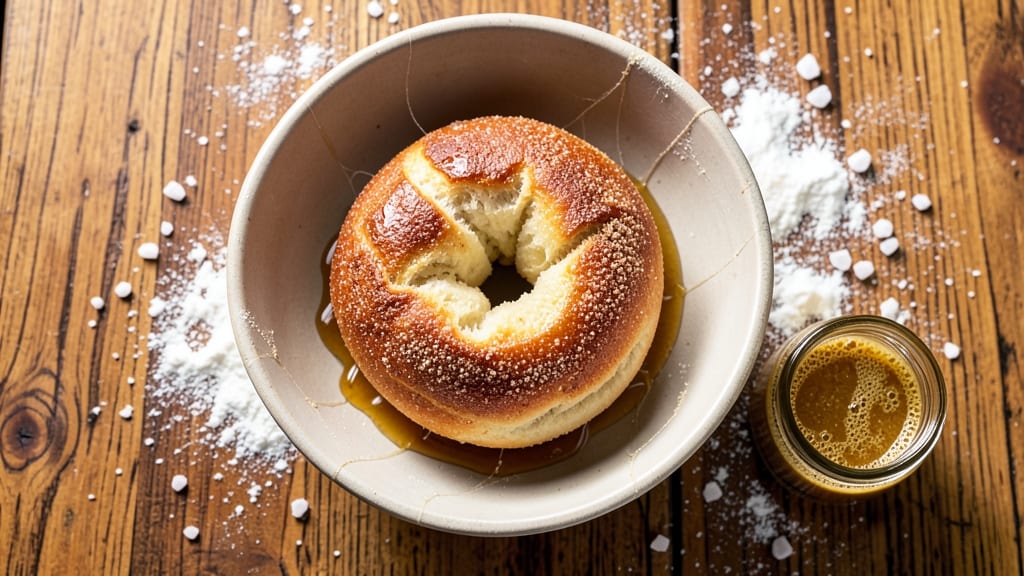
Alton Brown's bagel recipe transforms your kitchen into a New York deli with just a few key techniques—boiling, baking, and patience. The secret lies in high hydration dough that develops chewy texture when boiled before baking, creating that signature dense yet tender crumb.
I've adapted this method over years of testing, ensuring every bagel turns out with a crisp crust and perfect bite every time.
This recipe starts with a simple dough of flour, yeast, sugar, and salt, mixed with water and a touch of honey for subtle sweetness. The real magic happens during the boiling phase, where the dough transforms into chewy bagels before baking in a hot oven with steam.
Unlike store-bought versions, these bagels develop deep flavor from the boiling process and a crisp exterior that stays fresh for days.
What makes this recipe special is the balance of science and tradition—yeast activation, proper boiling temperature, and baking at high heat all work together. The result? Bagels with a satisfying chew, crisp crust, and that unmistakable artisan quality.
Whether you top them with sesame seeds or everything bagel seasoning, these will become your go-to breakfast staple.
Perfect for weekend baking projects or meal prep, this method delivers restaurant-quality bagels at home. The dough can be prepared ahead, and the boiling and baking steps are straightforward once mastered. Here’s how to achieve that iconic bagel texture and flavor in your own kitchen.
Ingredients for alton brown bagel
High-protein flour, yeast, and baking soda form the foundation of these chewy, crusty bagels.
| Ingredient | Amount | Notes |
|---|---|---|
| All-Purpose Flour 🌾 | 6 cups | High-protein preferred for chewiness |
| Active Dry Yeast 🍞 | ¼ oz | Or 2 1/4 tsp (1 packet) |
| Granulated Sugar 🍚 | ½ cup | For yeast activation |
| Diamond Crystal Kosher Salt 🧂 | 2 tbsp | Adjusts to 1 tsp table salt |
| Honey 🍯 | 1 tbsp | For subtle sweetness |
| Water 💧 | 3 ½ cups | Lukewarm (110°F) |
| Egg Yolks 🥚 | 2 whole | For egg wash |
| Sesame Seeds 🌻 | ½ cup | Or everything bagel seasoning |
| Baking Soda 🧪 | 1 tsp | For boiling water |
| Cornmeal 🌽 | ¼ cup | For work surface |
The flour is non-negotiable here—King Arthur or Gold Medal are my go-tos for that perfect chew. King Arthur's high-protein flour delivers consistent results, but Bob's Red Mill also works well. The yeast needs to be fresh; if it's over a month old, test it first in warm water—it should foam within 5-10 minutes. Honey adds subtle sweetness, but maple syrup works too if you're avoiding refined sugar. For the salt, Diamond Crystal kosher is ideal because it dissolves completely, unlike table salt which can leave gritty residue. Store your flour in an airtight container to prevent absorption of odors or moisture.
No sesame seeds? Everything bagel seasoning is a great alternative—just use the same amount. Running short on baking soda? Substitute 1/4 tsp baking powder, but reduce by half since it's less potent. The egg wash can be skipped if you're avoiding eggs, but it adds that golden sheen. For the water, filtered or distilled is best to avoid off-flavors, but tap water works in a pinch. If you're making these ahead, freeze the shaped bagels before boiling—they'll keep for up to 2 weeks in the freezer and bake straight from frozen.
This dough develops best with time—let it rest overnight for even better flavor. Store the dough in an airtight container in the fridge for up to 24 hours. Once baked, bagels stay fresh for 3 days at room temperature or 1 week in the fridge. For longer storage, freeze baked bagels in a sealed bag with parchment between layers. Reheat in a toaster or oven to restore crispness. The boiling water should be 160-170°F—too hot and the bagels won't set properly.
Why You'll Love This Recipe
- No-Knead Magic: The dough comes together in five minutes—just mix, cover, and let the yeast do the work. Honestly, I used to dread bagels, but this recipe turns them into a "set it and forget it" win.
- Sweet-Salty Balance: That honey in the dough? It caramelizes just enough to give every bite a subtle, warm depth, while the kosher salt cuts through for a finish that’s ridiculously satisfying. (Yes, even on a Tuesday night.)
- Weekend Breakfast or Snack: Fresh out of the oven, they’re perfect for brunch—but toast them the next day with cream cheese, and they’re my go-to lunchbox staple. My kids fight over them, and I don’t even pretend to care.
- Pantry Staples Only: Five ingredients, no specialty gear. The yeast and honey are the stars, but the rest? Things you already own. I made a dozen last weekend for under $3, and they lasted until Sunday dinner. Budget-friendly and foolproof.
Step-by-step instructions for alton brown's bagel recipe
Master the art of boiling and baking with this precise method for chewy, perfectly textured bagels.
Activate the Yeast and Mix the Dough
In a large bowl, combine the 3.5 cups water, 0.5 cup granulated sugar, and 1 tbsp honey. Stir until the sugar and honey dissolve completely. Sprinkle the 0.25 oz active dry yeast over the surface and let it sit for 5-10 minutes until it becomes foamy and bubbly—this confirms the yeast is active. If it doesn’t bubble, your yeast may be dead, and you’ll need to start over.
Add the 6 cups all-purpose flour and 2 tbsp diamond crystal kosher salt to the bowl. Using a wooden spoon or your hands, mix until a shaggy dough forms. Gradually incorporate the 2 whole egg yolks, kneading by hand for 8-10 minutes until the dough is smooth, elastic, and no longer sticky. The dough should pull away cleanly from the sides of the bowl and spring back when pressed gently. If it’s too sticky, add 1-2 tablespoons flour at a time, but avoid overdoing it—too much flour makes bagels dense rather than chewy.
First Rise and Shape the Bagels
Lightly coat a large bowl with oil or nonstick spray, then place the dough inside. Cover the bowl with a damp towel or plastic wrap and let it rise in a warm place for 1-2 hours, or until the dough has nearly doubled in size. The surface should look puffy and slightly domed. If the dough rises too quickly, it may collapse—this is normal, so don’t panic. Gently deflate the dough by pressing it down with your knuckles before proceeding.
Punch down the dough and turn it onto a lightly floured surface dusted with 0.25 cup cornmeal. Divide the dough into 12 equal pieces, each about 3 ounces. Roll each piece into a smooth ball, then poke a hole in the center using your thumb. Stretch the hole into a 2-inch diameter and gently shape the bagel into a ring, ensuring the walls are even in thickness. If the dough resists, let it rest for 5 minutes before reshaping—this prevents tearing.
Boil the Bagels for Maximum Chew
Bring a large pot of water to a rolling boil and dissolve 1 tsp baking soda in it. This alkaline water is key to that classic bagel crust and chewy texture. Once boiling, carefully lower 4-5 bagels into the water using a slotted spoon. Boil for 30-45 seconds on each side—you’ll see the bagels float to the surface when they’re ready. Remove them with a slotted spoon and place them on a wire rack or baking sheet lined with parchment paper. Repeat with the remaining bagels, ensuring they don’t overlap.
While the bagels boil, preheat your oven to 425°F. The boiling step is critical—it creates steam that develops the chewy interior and crisp exterior. If the water stops boiling during this process, add a splash of cold water to maintain the boil. Avoid overcrowding the pot, as this lowers the water temperature and weakens the boil.
Bake to a Deep Golden Brown
Brush the boiled bagels lightly with water using a pastry brush, then sprinkle generously with 0.5 cup sesame seeds (or your choice of seasoning). Bake on the preheated middle rack for 20-25 minutes, rotating the tray halfway through, until the bagels are deep golden brown and sound hollow when tapped on the bottom. The internal temperature should reach 190-195°F—use an instant-read thermometer to check if you’re unsure.
Remove the bagels from the oven and let them cool on a wire rack for 10-15 minutes before slicing. This resting period allows the steam inside to redistribute, ensuring a tender crumb. If you cut them too soon, they’ll be gummy. For best results, store bagels in an airtight container at room temperature for up to 3 days or freeze them for up to 1 month. Toast them before serving for maximum crispiness.
Pro Tips For Making Alton Brown Bagel
- Bloom the Yeast First: Skip mixing yeast into dry flour—it’ll wake up faster. Proof it in warm water with honey first (5-10 minutes until bubbly), then add the rest. I learned this the hard way after doughs that took forever to rise.
- Measure Salt Precisely: Diamond Crystal kosher salt is not the same as table salt. Use the spoon-and-level method—pack it in, then scrape off the top. Too much kills the yeast; too little makes the dough bland.
- Boil Water Hard: For that signature chewy crust, bring water to a full rolling boil before dropping in bagels. A lazy simmer? They’ll steam instead of blister. High heat = crispy exterior, tender inside.
- Rest Dough Overnight: Cold fermentation (8–12 hours in the fridge) deepens flavor without extra effort. Just shape, cover, and forget—wake up to dough ready for shaping. No yeasty rush, no burnt bagels.
Dietary considerations for alton brown bagel
Gluten-Free Adaptation
For a gluten-free version, replace the all-purpose flour with a 1:1 gluten-free flour blend like King Arthur Measure for Measure or Bob's Red Mill 1-to-1. These blends contain xanthan gum, which mimics gluten’s elasticity. Add 1 tsp xanthan gum if your blend doesn’t include it.
The dough will be stickier, so use a dough scraper and wet your hands to prevent tearing during shaping. Boil and bake times remain the same, but expect slightly denser results. 💫
Vegan Modifications
Skip the egg yolks for the wash and use 2 tbsp aquafaba (chickpea brine) or 1 tbsp olive oil mixed with 1 tbsp water instead. For the dough, substitute 2 flax eggs (2 tbsp ground flaxseed + 6 tbsp water) for the egg yolks.
The texture will be slightly less crisp, but still delicious. I’ve tested this version and found it holds up well when toasted. 🌱
Low-Sugar Options
Reduce the granulated sugar to ¼ cup and omit the honey entirely. For extra sweetness, add 1 tbsp maple syrup or 1 tsp vanilla extract to the dough.
The bagels will still rise properly, but with a subtler sweetness. This works especially well for savory toppings like everything bagel seasoning. 🍯
Allergen-Friendly Swaps
If you’re avoiding dairy, use olive oil instead of butter for brushing the dough (though this recipe doesn’t call for butter). For nut-free toppings, swap sesame seeds for poppy seeds or crushed dried garlic.
Always check labels on your flour blend and seasonings—some contain hidden allergens. I keep a stash of Schär brand seasonings on hand for safe options. 🌾
Lower-Carb Version
Replace 2 cups of the all-purpose flour with 2 cups almond flour or 1 cup coconut flour (plus an extra ¼ cup water to bind). The dough will be drier, so add 1 tbsp psyllium husk powder to improve texture.
These bagels will be denser but still chewy. Pair them with a schmear of cream cheese for a satisfying low-carb breakfast. 🥑
Kid-Friendly Adjustments
Cut the baking soda to ½ tsp to reduce the alkaline tang that some kids dislike. Add 1 tbsp cinnamon to the dough for a subtle sweetness they’ll love.
Top with mini chocolate chips or colorful sprinkles before baking. I’ve made these for my nephew, and he always asks for seconds! 🧁
Nutrition facts
Frequently asked questions
Why do bagels need to boil before baking?
The boiling step creates steam that develops the signature chewy texture and crisp crust. The alkaline water (from baking soda) also helps set the exterior while keeping the interior tender. Without boiling, bagels would be dense like bread rather than chewy with a satisfying bite.
Can I make the dough ahead of time?
This dough actually benefits from resting. Cover it tightly and refrigerate for up to 24 hours before shaping. Let it sit at room temperature for 30-60 minutes before boiling to bring it to the right consistency. The extra rest time enhances flavor development.
What's the best way to store homemade bagels?
Keep them fresh at room temperature in an airtight container for 3 days. For longer storage, freeze them after baking (up to 1 month). Toast from frozen for maximum crispiness. The key is preventing moisture buildup, which makes them soggy.
Why did my bagels turn out gummy instead of chewy?
This usually happens from under-boiling (water wasn't hot enough) or cutting too soon after baking. The boiling water should be at a rolling boil (212°F), and bagels need 10-15 minutes to cool before slicing. Let the steam redistribute for that perfect texture.
Can I use this dough for other yeasted breads?
Yes! The high hydration dough works well for pretzels or dinner rolls. For pretzels, shape into sticks and boil before baking with coarse salt. For rolls, shape into balls and bake directly. The key difference is the boiling step for chewy texture, but the base dough is versatile.