Desserts
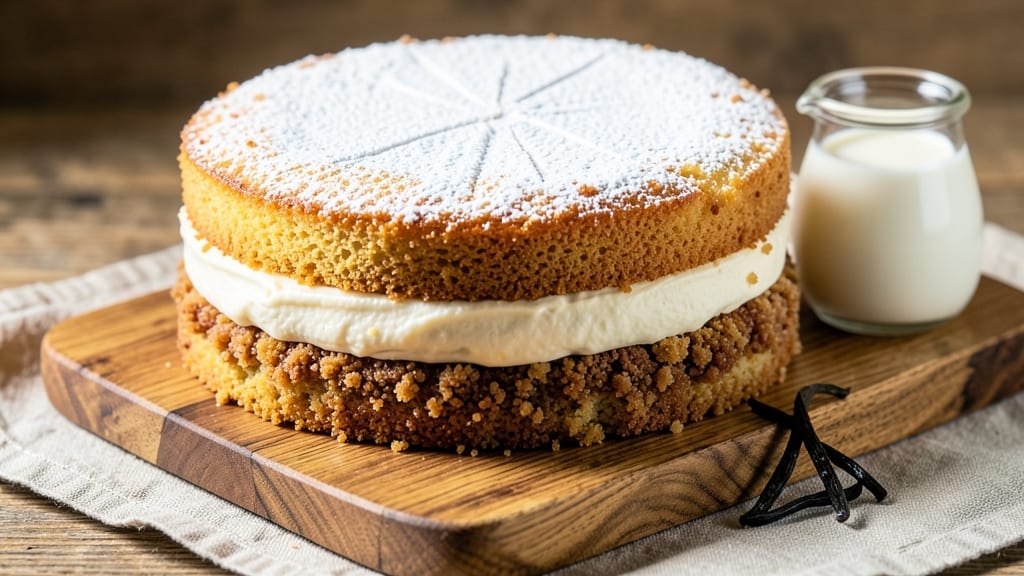
This Amish cake recipe brings the warmth of a Pennsylvania farmhouse kitchen to your own oven, where simple ingredients and old-world techniques create layers of vanilla heaven. The secret buttermilk trick—fermented overnight—gives the cake its signature tender crumb and rich flavor, a tradition passed down through generations.
I first discovered it at an Amish community gathering where the cake disappeared in minutes, and I've been perfecting it ever since.
The beauty of this recipe lies in its simplicity: just a handful of pantry staples and a single baking pan. Unlike many layered cakes, this one relies on the natural leavening power of buttermilk and baking powder for a light, airy texture that never feels dry.
The buttermilk also reacts with the baking soda to create that classic Amish cake rise—no fancy equipment or complicated steps required.
What makes this cake truly special is how it transforms a basic vanilla cake into something extraordinary through that fermented buttermilk process. The result is tender layers with just the right amount of moisture, perfect for slicing or stacking with your favorite frosting.
Each bite delivers that comforting homestyle flavor that reminds you of simpler times.
Whether you're baking for a family gathering or treating yourself to a slice of nostalgia, this recipe delivers restaurant-quality results with minimal effort. The buttermilk trick alone makes it worth trying—once you taste the difference, you'll never go back to regular cake again.
Let's get started on creating this timeless dessert.
Ingredients for amish cake
Nine simple ingredients transform into layers of Amish vanilla perfection—no shortcuts needed.
| Ingredient | Amount | Notes |
|---|---|---|
| All-Purpose Flour 🌾 | 3 ½ cups | Sifted for light texture |
| Granulated Sugar 🍚 | 2 ½ cups | White or light brown |
| Buttermilk 🥛 | 1 ½ cups | Fermented overnight (see notes) |
| Unsalted Butter 🧈 | 1 cup | Cold, cubed (1/2 lb) |
| Large Eggs 🥚 | 4 whole | Room temperature |
| Pure Vanilla Extract 🌸 | 2 tsp | High-quality, not imitation |
| Baking Powder 🍃 | 2 tsp | Double-acting preferred |
| Baking Soda 🧂 | ½ tsp | Freshly opened |
| Diamond Crystal Kosher Salt 🧂 | ½ tsp | Fine grain for balance |
| Vanilla Bean Seeds 🌸 | 1 tsp | Scraped from 1 vanilla bean |
| Vegetable Oil 🫒 | ½ cup | Light, neutral flavor |
The buttermilk is non-negotiable here. Ferment it overnight by mixing 1.5 cups buttermilk with 1 tbsp plain yogurt or lemon juice, then letting it sit at room temperature. You'll know it's ready when it smells tangy and slightly sour. For the flour, King Arthur or Gold Medal brands are my go-to—they bake up lighter. The butter should be cold but not rock-hard; if it's too firm, let it sit 10 minutes at room temp before creaming. Wegmans or Whole Foods usually have the best quality butter for baking, but any good brand will work. The vanilla extract matters too—McCormick or Nielsen-Massey are reliable, but if you've got a scraped vanilla bean, use that instead for extra depth.
No buttermilk? Substitute 1.5 cups plain yogurt or 1.5 cups milk with 1.5 tbsp vinegar or lemon juice, but let it sit 5 minutes to curdle. Short on vanilla? Double the extract and add 1 tsp almond extract for complexity. The baking powder and soda are a team—don't swap one for the other. For the sugar, if you prefer brown, use light brown and reduce by 1/4 cup. The vegetable oil can be swapped for melted butter if you're feeling indulgent, but it'll make the cake richer. And if you're worried about the cake being too dry, add 1 tbsp sour cream to the batter—it keeps everything moist without altering the texture.
This batter keeps for 2 days in the fridge if you're prepping ahead, but it's best baked fresh. The cake reheats beautifully—wrap slices in foil and warm in a 300°F oven for 5 minutes. Store leftovers in an airtight container with a slice of bread to keep them soft. For freezing, wrap individual layers tightly in plastic wrap, then aluminum foil. Thaw overnight in the fridge before frosting. The secret to stacking? Let each layer cool completely on a wire rack before adding frosting—patience prevents soggy bottoms.
Why You'll Love This Recipe
- No Mixer Needed: I swear by this—just a bowl, a whisk, and elbow grease. The buttermilk and butter create a tender crumb without requiring a stand mixer or fancy techniques. Honestly, my first attempt turned out fine even though I used a fork.
- Buttery Vanilla Bliss: That rich, golden-brown top? Pure magic from the sugar caramelizing just right. The eggs and butter give it a moist, almost custard-like center that’s dangerously addictive—like biting into a hug.
- Weeknight or Celebration: Same batter, endless uses. Serve it warm with ice cream for a casual dessert or slice it for a church potluck. My kids beg for it after soccer practice, but it’s also the star at birthday tables.
- Pantry Staple Magic: Uses ingredients you already own—no weird substitutions. A single batch feeds six, and leftovers reheat beautifully. Between us, I’ve stretched this into breakfast pastries by adding cinnamon and raisins.
Step-by-step instructions for homestyle vanilla layers
Here's the proven method for tender, moist layers with that signature Amish cake texture.
Prepare the Buttermilk and Sift Dry Ingredients
First, measure out the 1.5 cups buttermilk and let it sit at room temperature for 15 minutes to take the chill off. This ensures even mixing later. While the buttermilk warms, sift together the 3.5 cups all-purpose flour, 2 tsp baking powder, 0.5 tsp baking soda, and 0.5 tsp diamond crystal kosher salt into a large mixing bowl. Sifting prevents lumps and guarantees a light, airy texture.
I like to press down on the sifted flour mixture with my fingers to break up any remaining clumps—this creates a fine, uniform base for the cake. Keep this bowl ready; we'll add the wet ingredients next. The buttermilk's fermentation helps tenderize the cake while adding subtle tang, which is why this recipe delivers that classic Amish cake flavor.
Cream Butter, Sugar, and Eggs
In a separate large bowl, combine the 1 cup unsalted butter (cut into cubes) and 2.5 cups granulated sugar. Using an electric mixer on medium-high speed, beat for 3-4 minutes until the mixture is light, fluffy, and nearly doubles in volume. This creaming process incorporates air, which creates the cake's signature tender crumb.
Add the 4 whole large eggs one at a time, mixing well after each addition. Scrape down the sides of the bowl as needed to ensure all ingredients are fully incorporated. The mixture should be smooth and pale in color—this indicates proper aeration. Here's the thing: don't rush this step. Under-creaming leads to dense layers, while over-creaming develops gluten. Aim for that perfect balance of fluffiness.
Alternate Wet and Dry Ingredients
With the mixer on low speed, gradually add one-third of the sifted dry ingredients to the butter mixture, mixing just until combined. Then, pour in half of the buttermilk, mixing on low speed until fully incorporated. Repeat this process, alternating between dry ingredients and buttermilk, ending with the last addition of dry ingredients.
This layering technique ensures even distribution of moisture and creates a tender crumb. After adding all ingredients, mix on low speed for an additional 30 seconds to fully combine. The batter should be thick but pourable—if it's too stiff, add 1 tablespoon of buttermilk at a time until it reaches the right consistency. Real talk: the secret to Amish cake texture lies in this precise layering method.
Divide, Bake, and Assemble the Layers
Preheat your oven to 350°F and grease three 8-inch round cake pans (or line them with parchment paper). Divide the batter evenly among the prepared pans. Bake for 25-30 minutes, or until a toothpick inserted into the center comes out clean. Rotate the pans halfway through baking for even browning.
While the cakes cool in their pans for 10 minutes, prepare the filling by combining 0.5 cup vegetable oil with 1 tsp pure vanilla extract and 1 tsp vanilla bean seeds in a small bowl. Once the cakes are cool enough to handle, remove them from the pans and place the first layer on a serving plate. Spread one-third of the filling over the top, then add the second layer. Repeat with the remaining filling and top layer.
Chill and Serve for Perfect Texture
Cover the assembled cake with plastic wrap and refrigerate for at least 2 hours (or up to 24 hours). Chilling allows the flavors to meld and the layers to set properly, preventing a soggy texture. When ready to serve, dust the top with a light layer of powdered sugar if desired.
Each slice should reveal tender, moist layers with a fine crumb and subtle vanilla flavor. The buttermilk trick ensures a cake that's rich but not heavy, with just the right balance of sweetness. Slice with a serrated knife for clean, even portions, and enjoy this homestyle classic with a cup of coffee or fresh berries.
Pro Tips For Making Amish Cake
- Melt Butter Slowly: I learned this the hard way—dumping cold butter straight into the dry ingredients creates lumps that never dissolve. Warm the butter to 100°F (just until it softens but doesn’t melt) before cutting it into the flour. The cake will turn out lighter and more tender.
- Measure Buttermilk Precisely: This isn’t the kind of recipe where "a splash" works. Use a liquid measuring cup and stir in 1 tablespoon of lemon juice or vinegar to the buttermilk before adding it to the batter. The acidity activates properly, and the cake won’t taste flat or gummy.
- Avoid Overmixing the Batter: Once you fold in the eggs, stop mixing after 15 strokes—no more. I used to think extra mixing = better texture, but this batter develops gluten fast, and you’ll end up with a dense, chewy cake instead of the soft, crumbly one you want.
- Bake in Two Rounds: Split the batter evenly between two 9-inch pans (or one 9x13). The cake rises better this way and bakes more evenly—no raw centers or overbrowned edges. Grease the pans well with butter, then dust with flour; the crumb will thank you.
Best sauces and condiments for this amish cake
Classic Vanilla Buttercream
This is the most traditional pairing for Amish cake, offering a smooth, sweet contrast to the cake's tender crumb. I make mine with 1 cup unsalted butter softened (not melted), 4 cups powdered sugar, 2 tbsp milk, and 2 tsp pure vanilla extract.
Beat the butter until creamy, then gradually add powdered sugar on low speed. Increase to medium and beat for 3-5 minutes until light and fluffy. Add milk and vanilla, then beat another 2 minutes for a silky finish. 🥄
Amish-Style Cream Cheese Frosting
For a tangy twist that pairs beautifully with the cake's richness, try this simple cream cheese frosting. Mix 8 oz cream cheese softened with ½ cup unsalted butter, 3 cups powdered sugar, and 1 tsp vanilla extract.
Beat until smooth, then add 1-2 tbsp milk if needed for spreading consistency. This frosting adds a subtle tang that cuts through the cake's sweetness while keeping it light. I often dust it with powdered sugar before serving for extra elegance.
Homemade Berry Compote
Fresh or frozen berries make a vibrant topping that complements the cake's vanilla flavor. Simmer 2 cups mixed berries (strawberries, blueberries, raspberries) with 2 tbsp sugar and 1 tsp lemon juice for 10 minutes until thickened. Let cool completely before spreading between layers or drizzling over the top.
For extra shine, brush the cake with a little apricot jam before adding the compote. This adds a fruity contrast that keeps each bite interesting.
Caramel Drizzle
For a decadent touch, drizzle warm caramel sauce between layers or over the top. Heat 1 cup granulated sugar in a saucepan over medium heat until melted, then add ¼ cup heavy cream and stir constantly until smooth. Cool slightly before using.
The caramel's rich sweetness pairs perfectly with the cake's buttermilk tang, creating a luxurious finish. I like to add a pinch of sea salt to the caramel for depth—just ¼ tsp enhances all the flavors.
Spiced Whipped Cream
For a lighter option, whip 2 cups heavy cream with 2 tbsp powdered sugar, 1 tsp vanilla extract, and a pinch of cinnamon until soft peaks form. This adds a delicate spice note that complements the cake's vanilla while keeping it airy.
I often serve this on the side for guests who prefer a lighter topping. The cinnamon adds warmth without overpowering the cake's natural sweetness.
Chocolate Ganache
For chocolate lovers, a dark chocolate ganache elevates the cake to new heights. Melt ½ cup dark chocolate chips (60% cocoa) with ½ cup heavy cream over a double boiler, then let cool slightly before spreading.
The bitterness of the chocolate contrasts beautifully with the cake's sweetness, creating a sophisticated flavor profile. For extra richness, add 1 tbsp butter to the ganache before cooling. This pairing feels indulgent yet balanced.
Nutrition facts
Frequently asked questions
Why does Amish cake use fermented buttermilk instead of regular buttermilk?
The fermentation process creates subtle tanginess and tenderizes the cake's crumb, giving it that signature moist texture. The natural acids from fermentation react with baking soda to produce extra lift, while also breaking down gluten for a finer crumb. Regular buttermilk won't give you the same depth of flavor or texture—it's what makes this cake truly special!
Can I make this cake in a single layer instead of three?
For a single-layer cake, use a 9-inch round pan and bake for 35-40 minutes at 350°F. The batter quantity remains the same, but you'll need to adjust baking time slightly. This works perfectly for smaller gatherings or when you prefer a taller, single-slice cake. Just remember to let it cool completely before frosting.
What's the best way to store leftover Amish cake?
Wrap individual slices in plastic wrap and store in an airtight container with a slice of bread to prevent drying. Keep at room temperature for up to 3 days, or freeze layers wrapped tightly in plastic and foil for up to 3 months. Thaw overnight in the fridge before serving—never at room temperature to avoid condensation.
Can I substitute buttermilk with something else if I'm in a hurry?
Yes! Mix 1.5 cups milk with 1.5 tablespoons lemon juice or vinegar, then let sit for 5 minutes to curdle. This works in a pinch, though fermented buttermilk gives the best flavor. For even better results, use 1.5 cups plain yogurt—it adds tanginess similar to fermented buttermilk without the wait. Just don't skip the resting time!
Why does my Amish cake turn out dense instead of light and fluffy?
Overmixing the batter or under-creaming the butter and sugar are the most common culprits. Make sure to cream the butter and sugar until light and fluffy (about 3-4 minutes), and mix the batter just until combined after adding all ingredients. Also, ensure your baking powder is fresh—old baking powder loses its lift. Finally, don't overbake; pull the cake when a toothpick comes out clean!