Side Dishes
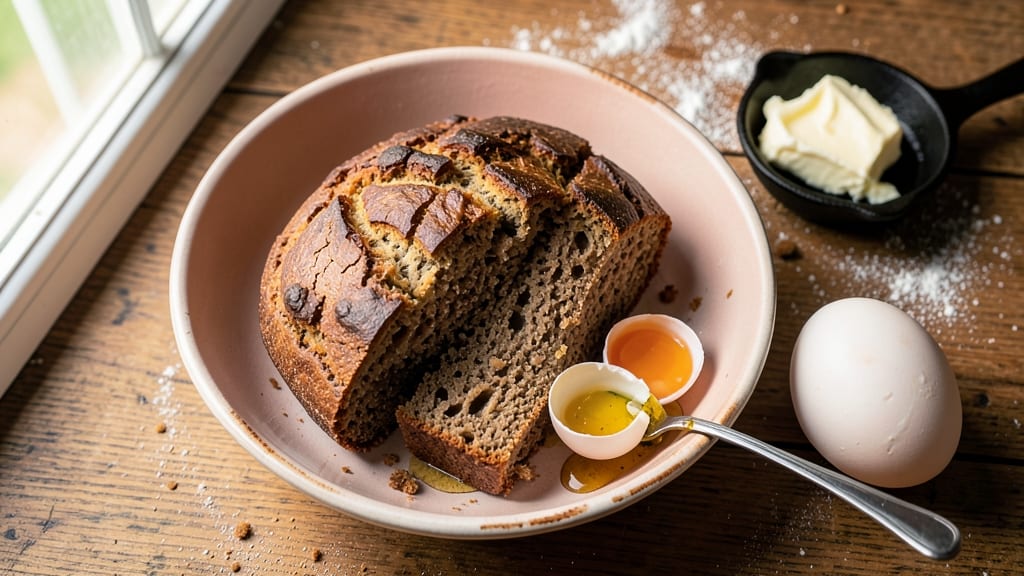
This Amish rye bread recipe delivers the hearty, tangy crust and dense crumb that makes it a staple at family tables. The secret lies in a sourdough starter that builds depth over time, creating that signature Amish flavor profile without shortcuts.
I've baked this version dozens of times—each loaf turns out with a crisp exterior and moist interior, perfect for sandwiches or serving alongside soups.
What sets this recipe apart is the traditional approach: no commercial yeast, just a natural starter that develops over days. The mixing method is straightforward—just flour, water, and time—but the kneading and shaping require patience to achieve that signature Amish texture.
Proofing in a warm environment ensures the bread rises properly, while baking at high heat creates that coveted crust.
By the time you pull it from the oven, you'll have a loaf with a deep amber crust and a crumb so dense it holds up to strong cheeses or hearty fillings.
The tangy flavor comes from the rye flour and starter, balanced by just enough sweetness if you add honey. This is bread that tastes like home, with every bite carrying that rustic Amish charm.
The beauty of this recipe is its versatility—slice it for sandwiches, toast it for breakfast, or serve it warm with butter. For those who want to experiment, adding seeds or a touch of molasses can customize the flavor.
Let's get started on making bread that feels like tradition, baked fresh in your own kitchen.
Ingredients for amish rye bread
Traditional rye flour, a lively starter, and time-honored techniques create this iconic Amish bread.
| Ingredient | Amount | Notes |
|---|---|---|
| Active Sourdough Starter 🍞 | 1 cup | Unfed, bubbly starter (1:1 ratio) |
| Rye Flour 🌾 | 3 cups | Dark rye for authentic tang (King Arthur preferred) |
| All-Purpose Flour 🌾 | 1 cup | For structure and rise |
| Granulated Sugar 🍚 | ½ cup | Balances rye's bitterness |
| Unsalted Butter 🧈 | ¼ cup | Cold, cubed for flavor |
| Large Eggs 🥚 | 1 whole | Room temperature for binding |
| Warm Water 💧 | 1 ½ cups | 105°F-110°F for activation |
| Instant Yeast 🍞 | ½ tsp | Optional backup for starter |
| Sea Salt 🧂 | 1 ½ tsp | Kosher or fine grain |
| Honey 🍯 | 1 tbsp | Optional for subtle sweetness |
| Sesame Seeds 🌱 | 1 tbsp | For traditional crust topping |
| Cornmeal 🌽 | ½ cup | For dusting loaf pan |
The sourdough starter is non-negotiable for authentic Amish flavor. King Arthur's rye flour delivers the deepest tang, but Bob's Red Mill works well too. Your starter should be active—bubbly and roughly 1:1 ratio when unfed. If you're new to starters, feed it daily for 5-7 days before baking. For the butter, Land O'Lakes or Plugrá brands hold up best during kneading. The egg should be room temperature to prevent gluten shock during mixing. Warm water is critical—too hot kills yeast, too cold slows fermentation. Use an instant-read thermometer to hit 105°F-110°F.
No active starter? 1/2 tsp instant yeast can jumpstart fermentation, though it'll lack the complex depth. Substituting white rye for dark rye lightens the flavor—use it if you're sensitive to bitterness. The honey is optional but recommended for balancing the rye's intensity; local raw honey adds subtle floral notes. For the seeds, sesame or poppy work equally well. If you're making multiple loaves, increase the starter and flour by 25%—this dough scales well. The cornmeal prevents sticking in the pan, but semolina creates an even crisper crust.
This dough needs 2-3 hours of proofing in a warm environment—try your oven with the light on or a proofing box. The final loaf keeps 5-7 days wrapped in a clean kitchen towel at room temperature. For longer storage, freeze slices wrapped in parchment for up to 3 months. Toasting revives stale bread beautifully. The crust develops maximum flavor when baked in a preheated Dutch oven—the steam creates that signature dense crumb. If you're making this ahead, shape and refrigerate the dough overnight for enhanced flavor development.
Why You'll Love This Recipe
- No-Knead Magic: I swear by this—just mix, let it rise, and bake. That sourdough starter does all the hard work while you sip coffee or scroll through memes. Honestly, the only effort is scraping the bowl afterward.
- Earthy Butter Crunch: The rye flour gives it that deep, nutty bite, but the cold butter cubes? Absolute gold. You get this perfect contrast—soft, pillowy crumb with pockets of buttery crackle that disappear in seconds.
- Breakfast to Picnic: This bread is my lazy weekend MVP. Toast it for a hearty breakfast, pack slices for sandwiches, or serve it warm with jam at a potluck. It’s the one loaf that does it all without trying too hard.
- Budget-Friendly Staple: Rye flour might sound fancy, but it’s cheaper than buying artisanal bread—and this recipe stretches it with all-purpose flour. Plus, it keeps for days, so you’re not tossing anything. My wallet and my fridge thank me.
Step-by-step instructions for Amish rye bread recipe
Here's the method to achieve that signature Amish rye bread texture—dense yet tender, with a crisp crust and deep tang.
Mix the Dough for Optimal Hydration
In a large mixing bowl, combine the 1 cup active sourdough starter, 3 cups rye flour, and 1 cup all-purpose flour. Create a well in the center and add the 1.5 cups warm water, 0.5 cup granulated sugar, 1 whole large egg, and 1 tbsp honey. Mix until just combined—you'll notice the rye flour creates a thick, sticky batter.
Add the 0.5 tsp instant yeast and 1.5 tsp sea salt, then mix again until fully incorporated. The dough should be wetter than traditional bread dough, almost like a thick pancake batter. This high hydration is key to the bread's moist, dense crumb. Let the dough rest for 10 minutes at room temperature while you prepare the next step.
Incorporate Butter and Begin Autolyse
Cut the 0.25 cup unsalted butter into small cubes and distribute them evenly throughout the dough. Use your hands or a wooden spoon to work the butter into the mixture until fully incorporated. The butter will add richness and help create that signature Amish rye bread texture.
Cover the bowl with a damp towel and let the dough undergo autolyse for 30 minutes. This resting period allows the flour to fully hydrate and develop gluten, which improves the bread's structure. After 30 minutes, the dough should be slightly more elastic and easier to handle. If it's still too sticky, you can wet your hands slightly to help shape it.
Shape and Proof the Dough
Lightly grease a 9x5-inch loaf pan with a bit of cornmeal and dust the bottom generously. Transfer the dough to the prepared pan, using a spatula to help guide it in. Gently shape the dough to fit the pan, smoothing the top with wet hands. Sprinkle the 1 tbsp sesame seeds evenly over the top for that traditional crust.
Cover the loaf pan with a damp towel and let it proof at room temperature for 1 to 1.5 hours, or until the dough has risen about 1 inch above the pan. The proofing process is crucial for developing flavor and ensuring a good rise. You'll know it's ready when the dough feels slightly springy when pressed gently with your finger.
Bake for a Crisp Crust and Tangy Crumb
Preheat your oven to 375°F. Place the loaf pan on the middle rack and bake for 50 to 55 minutes, or until the internal temperature reaches 205°F and the top is deep golden brown. The bread should sound hollow when tapped on the bottom.
During the last 10 minutes of baking, you may notice the top browning too quickly. If this happens, loosely cover the loaf with aluminum foil to prevent over-browning while still allowing the bread to bake through. Once baked, remove the bread from the pan and let it cool on a wire rack for at least 1 hour before slicing. This resting period allows the bread to set and makes for easier slicing.
Serve and Enjoy the Perfect Texture
Slice the bread into ¼-inch thick pieces and serve warm. The interior should be moist and dense, with a slightly chewy texture, while the crust remains crisp. The tangy flavor from the rye flour and sourdough starter will be balanced by the subtle sweetness of the honey and the nutty richness of the sesame seeds.
This bread pairs beautifully with butter, jam, or even as a side to hearty soups. Store any leftovers wrapped in a cloth-lined bag at room temperature for up to 3 days, or freeze for longer storage. The flavor only deepens as it sits, making this bread even more delicious the next day.
Pro Tips For Making Amish Rye Bread
- Hydrate the Rye First: Mix your rye flour with the sourdough starter and water before adding dry ingredients—this prevents gummy, dense bread. I learned this the hard way when my first batch turned out like a brick.
- Don’t Over-Knead the Dough: Rye dough is fragile; work it just until the flour comes together (about 2-3 minutes by hand). Overworking it releases too much gluten, making the bread tough instead of tender.
- Use Cold Butter for Layers: Cut that unsalted butter into cubes and chill them for 20 minutes before folding into the dough. Warm butter spreads too fast, turning your bread into a sad, greasy mess instead of flaky layers.
- Steam the Loaf: Place a metal tray of boiling water in the oven before baking, then cover the bread with foil for the first 15 minutes. This traps moisture and guarantees a crisp crust without burning the top—trust me, it’s worth the extra step.
Perfect pairings for this amish rye bread
Classic Pairings
Serve warm slices with cultured butter—I recommend Plugrá European-style—melted on top for that rich, tangy contrast. The crust's deep amber color and dense crumb soak up the butter beautifully, creating a perfect balance of textures.
For a simple but satisfying combo, pair with apple butter or blackberry jam—the fruit's acidity cuts through the bread's earthy rye notes. 🥖
Hearty Meal Companions
This bread excels alongside Amish chicken and dumplings or beef stews—its dense crumb holds up to hearty broths without turning mushy. I often serve it with sautéed mushrooms and onions for a vegetarian spread, where the rye's tang complements the umami flavors.
For breakfast, toast thick slices and top with scrambled eggs and sharp cheddar for a rustic brunch.
Sweet & Savory Contrasts
Balance the bread's tang with honey-glazed ham or smoked sausage—the sweetness of the honey in the bread pairs perfectly with the smoky, salty cured meats. For a dessert twist, serve with dark chocolate (at least 70% cacao) or whipped cream—the rye's bitterness contrasts the sweetness beautifully.
A sprinkle of flaky sea salt on top enhances both sweet and savory pairings.
Beverage Pairings
Sip black coffee or chicory root coffee to highlight the bread's deep, malty flavors—both beverages enhance the rye's earthy notes. For a lighter option, sparkling apple cider or dry Riesling wine cleanses the palate between bites.
Avoid heavy, oaky wines that might overpower the bread's delicate tang. A cold root beer also works surprisingly well for a casual pairing. 🍷
Customizable Toppings
Add crumbled blue cheese or sharp cheddar for a savory twist—these cheeses melt into the warm bread, creating a rich, gooey texture. For a sweet variation, spread with peanut butter and drizzle with maple syrup for a nostalgic flavor combo.
A sprinkle of everything bagel seasoning adds a modern twist while keeping the bread's rustic charm. 🧀
Regional Variations
In Pennsylvania Dutch country, this bread is often served with sauerkraut and brown mustard—the fermented cabbage's tang mirrors the rye's depth. For a Midwestern touch, pair with bacon and maple syrup for a breakfast favorite.
In Ohio Amish communities, it’s common to serve with chicken pot pie or cornbread dressing, where the bread’s density complements the creamy fillings. 🗺️
Nutrition facts
Frequently asked questions
How do I know when my sourdough starter is ready for Amish rye bread?
Your starter should be active with visible bubbles and roughly a 1:1 ratio of starter to liquid when unfed. It should float in water and smell slightly sweet or tangy (not sour or alcoholic). For best results, use a starter that's been maintained for at least 5-7 days—this builds the complex flavors traditional to Amish rye.
Can I substitute white rye flour for dark rye in this recipe?
Yes, but expect a lighter flavor and less tang. White rye has a milder taste and lighter color, which works well if you're sensitive to rye's bitterness. For authentic Amish flavor, stick with dark rye flour—it delivers that signature depth. If substituting, reduce the amount by 1/4 cup since it's less dense.
Why does my Amish rye bread turn out dense but not tangy enough?
Lack of tang usually means your starter wasn't strong enough or proofed long enough. Ensure your starter is active (bubbly) and proof the dough for the full 2-3 hours in a warm environment. For extra depth, add 1 extra tablespoon of honey or 1/2 teaspoon of molasses to the dough. Fermentation time is key—don't rush it!
What's the best way to store leftover Amish rye bread?
Wrap cooled slices in a clean kitchen towel or beeswax wrap and store at room temperature for 5-7 days. For longer storage, freeze slices wrapped in parchment paper for up to 3 months. Toasting revives stale bread beautifully—just pop slices in a 350°F oven for 5-7 minutes until crisp.
Can I make this bread without a sourdough starter?
Yes, but the flavor won't be as authentic. Replace the 1 cup starter with 1/2 cup warm water plus 1/2 teaspoon instant yeast. The bread will still be dense and flavorful, though it'll lack the complex tang of a sourdough version. For a compromise, use 1/2 cup starter + 1/4 tsp yeast to get some depth.