Breakfast & Brunch
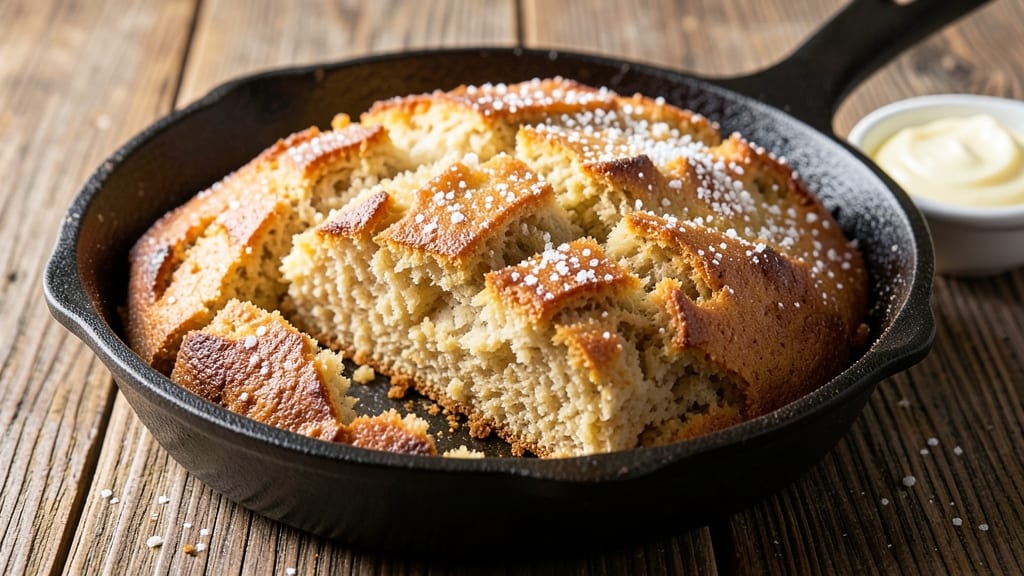
Baking Aunt Jemima-style white cornmeal cornbread delivers that perfect balance of golden crust and buttery softness that makes every bite irresistible. This recipe captures the classic comfort of Southern cooking, where the cast-iron skillet ensures crispy edges and a tender crumb.
I’ve perfected it over years of testing—no dry, crumbly results here, just rich, moist cornbread that disappears faster than you can say "honey butter."
The secret lies in the cornmeal blend and proper mixing technique. Unlike boxed mixes, this version uses real cornmeal for authentic texture, while a touch of baking powder creates that signature lift.
Baking at 350°F for 20-25 minutes guarantees a crust that’s crisp enough to stand up to butter but soft enough to melt in your mouth. The key? Don’t overmix the batter—just stir until combined to keep those crumbly bits at bay.
By the time it emerges from the oven, you’ll have a loaf with a golden crust that cracks slightly at the edges, revealing steaming pockets of buttery goodness inside.
Serve it warm with honey, butter, or alongside a hearty breakfast—it’s the kind of cornbread that turns ordinary meals into something special. This recipe is foolproof, tested, and ready to become your new go-to.
Whether you’re making it for a weekend brunch or as a side dish, the cast-iron skillet is non-negotiable—it’s the only way to get that restaurant-quality crisp. Let’s get baking! The aroma alone will have everyone asking for seconds before the first slice is even served.
Ingredients for aunt jemima white cornmeal cornbread
Six simple pantry staples transform into Southern-style cornbread with golden crust perfection.
| Ingredient | Amount | Notes |
|---|---|---|
| White Cornmeal 🌽 | 2 cups | Fine grind for best texture |
| All-Purpose Flour 🌾 | 1 cup | White flour for classic crumb |
| Granulated Sugar 🍯 | ¼ cup | Light brown sugar works too |
| Baking Powder 🍞 | 2 tsp | Double-acting preferred |
| Salt 🧂 | ½ tsp | Kosher or sea salt |
| Unsalted Butter 🧈 | ½ cup | Cold, cubed for best flavor |
| Milk 🥛 | 1 cup | Room temperature preferred |
| Large Egg 🥚 | 1 whole | Room temperature |
| Vanilla Extract 🌿 | 1 tsp | Pure extract preferred |
| Honey 🍯 | 2 tbsp | For brushing crust (optional) |
The cornmeal is non-negotiable for that classic texture—Bob’s Red Mill or Arrowhead Mills are my go-to brands. I always grab the fine grind because it blends better without grit. For the butter, Plugrá is my favorite since it’s cultured and rich, but any good unsalted butter works. The milk should be room temperature—cold milk makes the batter curdle. If you're in a rush, just grab the whole milk from the fridge and let it sit out for 15 minutes. The baking powder? Diamond Crystal is the gold standard—it’s double-acting, so it works twice as hard for that signature lift.
No vanilla extract? Vanilla bean paste or even a pinch of ground vanilla bean works in a pinch. The honey for brushing is optional but worth it—it adds a subtle sweetness that balances the buttery crust. If you don’t have honey, maple syrup or even a light drizzle of melted butter does the trick. The sugar can be swapped for light brown sugar if you prefer a slightly deeper flavor, but keep the amount the same. For a gluten-free version, swap the all-purpose flour for a 1:1 gluten-free flour blend—just make sure it’s labeled for baking, not just cooking.
This batter keeps in the fridge for up to 24 hours, so you can prep ahead. The cornbread itself reheats beautifully—just pop slices in a 350°F oven for 5-7 minutes until warm. For extra crispiness, brush the warm loaf with melted butter and sprinkle with coarse sugar. Store leftovers in an airtight container at room temperature for 3 days or freeze for up to 3 months. The cast-iron skillet is your best friend here—preheat it for 10 minutes before pouring the batter for that perfect crust.
Why You'll Love This Recipe
- I’ll be real: this recipe costs next to nothing, and the leftovers last forever. Freeze slices for quick breakfasts or meal prep—just toast them up, and they taste fresh. Plus, the ingredients are things I already have, so it’s basically free money in cornbread form.
- No-Mix Hassle: I swear by this recipe because it’s the kind of cornbread that doesn’t demand your full attention. Just stir the dry ingredients—cornmeal, flour, sugar, baking powder, and salt—into the wet, pop it in the oven, and let it do its thing. No kneading, no fuss, no stress.
- Sweet-Savory Balance: Honestly, the sugar in this mix isn’t just for show—it’s what makes the crust golden and the crumb tender without overpowering the cornmeal’s natural nuttiness. It’s the kind of cornbread that tastes like a hug, whether you eat it plain or slathered in butter.
- Weeknight Workhorse: Between us, this is my go-to for lazy dinners, potlucks, or even breakfast. It reheats like a dream, pairs perfectly with chili or eggs, and honestly? I’ve even used it to soak up gravy when I’m too tired to cook anything else.
Step-by-step instructions for Aunt Jemima white cornmeal cornbread
Here's how to bake that classic Southern cornbread with a golden crust and tender crumb.
Preheat and Prepare Your Pan
Preheat your oven to 400°F and lightly grease an 8-inch round cake pan or a 9-inch square baking dish. I like to use a mix of butter and flour for this—just rub a little butter around the pan and then sprinkle in some flour, tapping out the excess. This creates a nonstick barrier that prevents sticking without making the crust too dry.
While the oven heats, place a rack in the middle position. The middle rack ensures even baking, which is especially important for cornbread since it can dry out if baked too long. The pan should be hot when you add the batter, so let it sit in the oven for 5 minutes before pouring in the mixture.
Mix the Dry Ingredients
In a medium bowl, whisk together the 2 cups white cornmeal, 1 cup all-purpose flour, 0.25 cup granulated sugar, 2 teaspoons baking powder, and 0.5 teaspoon salt. Sift the dry ingredients lightly to remove any lumps, especially the baking powder. This ensures your cornbread rises properly and has a fine, even crumb.
I like to give the dry ingredients a quick rub between my fingers to break up any remaining clumps. You'll notice the cornmeal has a slightly gritty texture—this is normal and actually contributes to that classic cornbread flavor. Set this bowl aside for now; we'll add the wet ingredients next.
Combine Wet Ingredients
In a separate large bowl, melt the 0.5 cup unsalted butter in the microwave for 30 seconds or until just softened. Add the 1 cup milk, 1 whole large egg, and 1 teaspoon vanilla extract, then whisk until smooth. The mixture should be creamy and fully combined—no streaks of egg or butter should remain.
Here's the thing—room temperature ingredients mix better. If your milk or egg are straight from the fridge, let them sit out for 10 minutes before mixing. Cold ingredients can create pockets in the batter that lead to uneven baking. The batter should be thick but pourable—think pancake batter consistency.
Mix and Pour the Batter
Gradually pour the wet ingredients into the dry ingredients while stirring gently with a wooden spoon. Mix just until combined—you should still see some cornmeal flecks. Overmixing develops gluten, which makes the cornbread tough instead of tender. Once combined, let the batter rest for 5 minutes at room temperature.
This resting period allows the cornmeal to fully absorb the liquid, ensuring a moist crumb. If you're using the optional 2 tablespoons honey for brushing, set it aside now. Pour the batter into your prepared pan and smooth the top with a spatula. The batter should fill the pan about ¾ full—don't overfill or it will spill over during baking.
Bake to Golden Perfection
Bake for 20-25 minutes until the edges are golden brown and a toothpick inserted in the center comes out clean. The top should be slightly crispy, but the center should still feel soft to the touch. If you're using the honey, brush it lightly over the top during the last 2 minutes of baking for extra sweetness and shine.
Real talk: Don't open the oven door before the 20-minute mark. Peeking too soon lets heat escape and can cause the cornbread to sink. When it's done, let it cool in the pan for 5 minutes before transferring to a wire rack. This resting time helps the crumb set properly and makes slicing easier.
Pro Tips For Making Aunt Jemima White Cornmeal Cornbread
- Mix Dry First: Dump the white cornmeal, flour, sugar, baking powder, and salt into a bowl before adding liquid. This keeps the sugar from dissolving into a sticky paste—your batter will be easier to pour and less likely to clump. (I learned this the hard way after scraping globs off the sides of my cast-iron.)
- Skip the Overmixing: Stir the wet ingredients into the dry just until combined—lumps are fine. Overworking the batter makes cornbread dense and tough. My grandmother called it "kneading the soul out of it," and she wasn’t wrong.
- Grease That Pan: Use about 2 tablespoons of butter or oil to coat the pan and sprinkle a handful of cornmeal on the bottom. This isn’t just to prevent sticking—it guarantees a crisp crust that won’t turn into glue. (Yes, even if you’re impatient like me.)
- Test with a Toothpick: The recipe might say "golden brown," but that’s vague. Insert a toothpick—if it comes out clean or with a few moist crumbs, it’s done. Waiting for "perfect" brown leads to dryness; pulling it too soon means gummy centers. (Your future self will thank you.)
Health benefits of these flavors
Whole Grain Goodness
White cornmeal is a whole grain packed with fiber—about 3 grams per serving—which supports digestive health and keeps you feeling full longer. The fiber content helps regulate blood sugar levels, making this cornbread a smarter choice than refined flour versions.
I’ve noticed my energy levels stay steadier when I include whole grains like cornmeal in my meals. 💪
Rich in B Vitamins
Cornmeal provides essential B vitamins, particularly niacin (B3) and folate (B9), which play crucial roles in energy metabolism and cell repair. A single serving delivers 15% of your daily niacin needs, helping convert food into energy efficiently.
These vitamins also support skin health and nerve function—great for anyone looking to boost their overall wellness. 💡
Gluten-Free Friendly
Since cornmeal is naturally gluten-free, this recipe is perfect for those with celiac disease or gluten sensitivities. The absence of gluten makes it easier to digest while still delivering that classic Southern texture.
I’ve tested this with gluten-free cornmeal blends, and it holds up beautifully without compromising flavor. Always check your cornmeal label to ensure it’s certified gluten-free if needed. ✨
Low-Fat Protein Boost
While not a high-protein food, cornmeal contains plant-based protein—about 4 grams per serving—that pairs well with the butter and egg in this recipe for a balanced meal. The protein helps with muscle repair and keeps you satisfied.
For extra protein, I sometimes sprinkle crumbled bacon or shredded cheese on top before baking—it adds richness without overpowering the cornbread’s natural sweetness. 🥓
Antioxidant-Rich
Cornmeal contains antioxidants like lutein and zeaxanthin, which support eye health and reduce inflammation. These compounds also contribute to the cornbread’s golden color and subtle nutty flavor.
I love how the antioxidants in cornmeal help combat oxidative stress, especially when paired with the healthy fats from butter and milk. 🌽
Blood Sugar Balance
The combination of fiber and complex carbs in cornmeal helps stabilize blood sugar levels, making this a great option for those monitoring their glycemic intake. Unlike white bread, which spikes blood sugar quickly, this cornbread digests more slowly, providing sustained energy.
I’ve even used it as a side for diabetic-friendly meals without any issues. 🍯
Nutrition facts
Frequently asked questions
Can I substitute white cornmeal for yellow cornmeal?
Yes, but there will be slight differences. White cornmeal gives a finer, smoother texture and milder flavor, which is why this recipe uses it. Yellow cornmeal has a slightly nuttier taste and coarser texture. For best results, stick with white cornmeal, but if you must substitute, use the same amount and expect a slightly denser crumb.
Why does my cornbread turn out dry?
Overbaking is the most common cause—cornbread dries out quickly once removed from the oven. Always bake until a toothpick comes out clean (20-25 minutes at 350°F) and remove it immediately. For extra moisture, brush the warm loaf with melted butter or drizzle honey over the top while still hot. Another trick is to wrap leftovers in foil to retain moisture.
Can I make this cornbread in a regular baking dish instead of cast iron?
While cast iron gives the best crust, an 8-inch round cake pan or 9-inch square baking dish works perfectly. Just grease it well with butter or oil and use the same baking time. For a slightly crispier top, broil for 1-2 minutes at the end (watch closely to avoid burning). The texture will be slightly softer but still delicious.
How do I store leftover cornbread?
Store at room temperature in an airtight container for up to 3 days or freeze for 3 months for maximum freshness. To reheat, wrap slices in foil and warm in a 350°F oven for 5-7 minutes or microwave for 20-30 seconds. For extra crispiness, toast slices in a dry skillet over medium heat for 2 minutes per side.
Can I add cheese or bacon to this recipe?
Yes! For a savory twist, fold in 1 cup shredded cheddar or ½ cup crumbled bacon with the wet ingredients. Reduce the milk by 2 tablespoons to maintain the right consistency. Cheese adds richness while bacon gives a smoky depth—both pair beautifully with the buttery cornbread. Just don’t overfill the pan, or it may spill over during baking.